


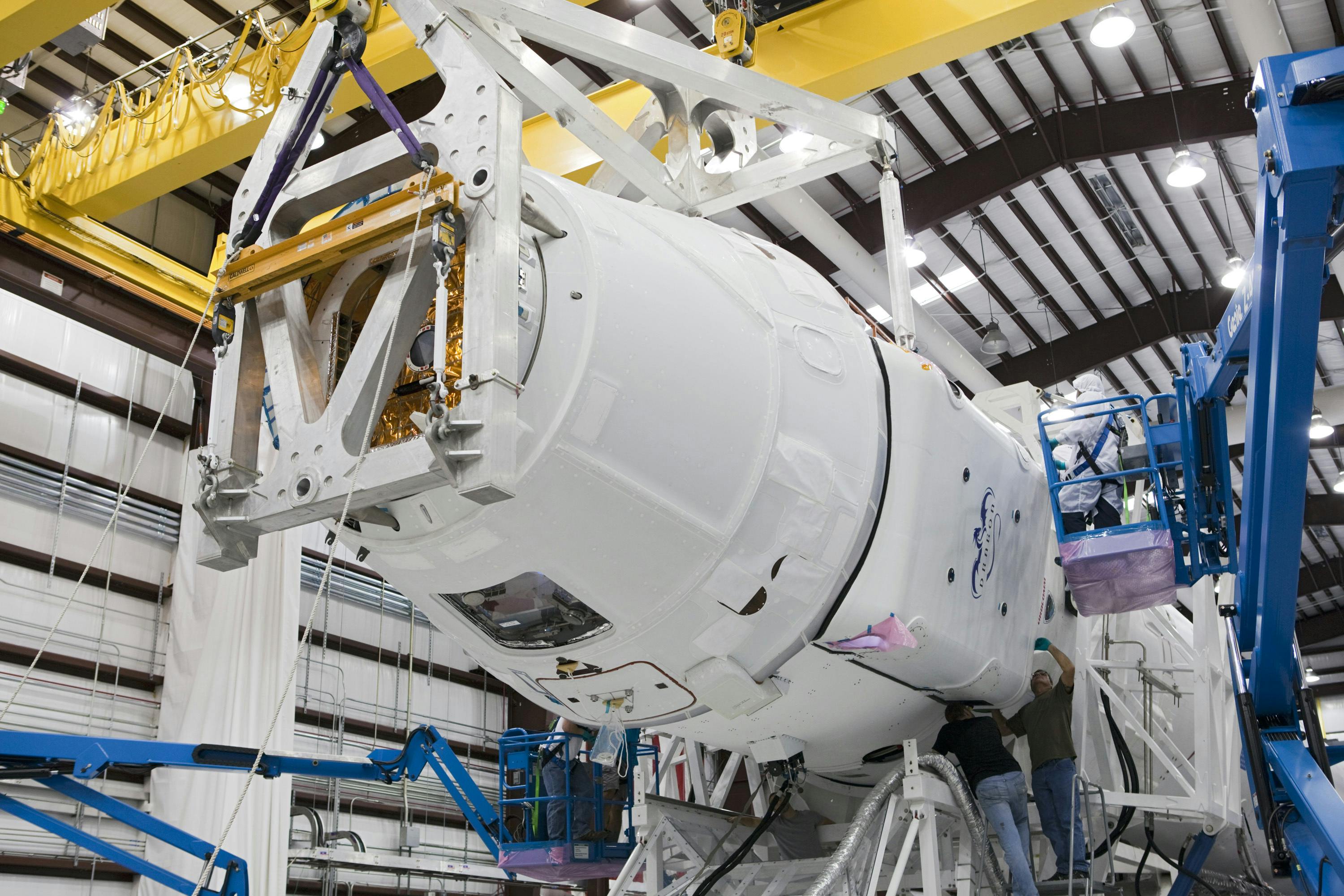
X Report 30 Aug 2025
SpaceX impresses with the successful launch of 24 Starlink satellites and shares stunning visuals from the recent Starship Flight 10, which demonstrated remarkable landing precision.


Launch Date
April 8, 1966
Launch Site
Launch Pad
LC12
Launch Vehicle
Atlas SLV-3 Agena D
NORAD ID
02142
International Designator
1966-031A
Epoch
Sat, 04 Jul 2026 05:33:39 GMT
Apogee
Calculating...
Perigee
Calculating...
Inclination
35.04°
Right Ascension
237.07°
Eccentricity
Calculating...
Argument of Perigee
67.75°
Period
100.37 min
Mean Motion
14.35 rev/day
Latitude
Calculating...
Longitude
Calculating...
Altitude
Calculating...
Velocity
Calculating...
Name
OAO 1
Alternative Name
OAO 1
Type
Status
Owner
GSFC
Country
United States
Constellation
N/A
Related Satellites
Major Events
N/A
1 02142U 66031A 26185.23170722 .00000126 00000-0 50750-4 0 9991
2 02142 35.0440 237.0738 0006403 67.7529 292.3837 14.34699384153538
Source: Celestrak
Apologies, there is no summary for this satellite yet. I am working to generate these for every object in the catalog, but it is going to take time.
Length
3.1
Diameter
2.2
Span
6.5
Dry Mass
1769
Launch Mass
1769
Shape
Oct Cyl + 2 Pan
Radar Cross Section
12.1059
Visual Magnitude
Unknown
Color
Unknown
Material Composition
Unknown
Payload
OAO A1
Purpose
Astronomy, UV
Mission
Astronomy, UV
Manufacturer
GRUM
Life Expectancy
Unknown
Bus
OAO
Configuration
Unknown
Motor
Unknown
Equipment
Unknown
Power System
2 deployable fixed solar arrays, batteries
ADCS
Unknown
Transmitter Frequency
Unknown
Learn more about satellites and other related topics.
SpaceX impresses with the successful launch of 24 Starlink satellites and shares stunning visuals from the recent Starship Flight 10, which demonstrated remarkable landing precision.

SpaceX gears up for significant 2026 launches while a Starlink satellite anomaly provides insights into its operations.
China successfully recovered a Long March 10C first stage booster, positioning the methalox rocket as its primary commercial launcher. Reusable boosters reshape Beijing's LEO constellation strategy.

On April 22, 2026, the FAA published a final rule implementing per-launch user fees for commercial space transportation — the first time the U.S. government has charged payload-based fees for rocket launches. Starting at 25 cents per pound with a $30,000 cap, the fees are modest today. By 2033, they won't be.

Twelve years ago, South Korea successfully launched a satellite using its own launch vehicle and facilities for the first time, marking a crucial milestone in its journey to space independence

Space Force deploys new radar in Alaska for orbital tracking. SDA awards $3.5B for 72 missile defense satellites. Anysignal raises $24M for autonomous RF sensing technology.
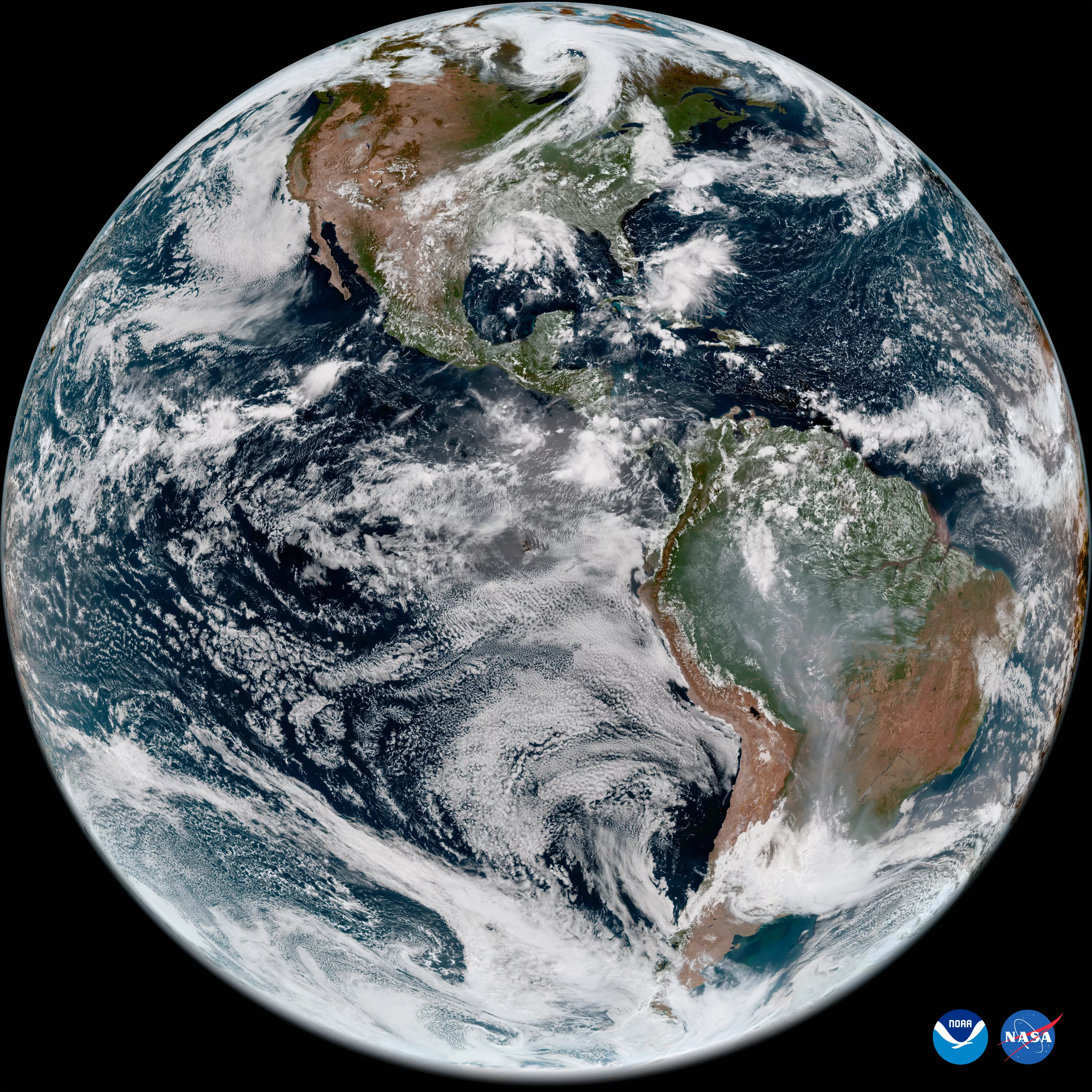
The final satellite in a multi-billion-dollar program that learned its hardest lesson from a clogged pipe. GOES-19 is now NOAA's eyes on every Atlantic hurricane - and it's already found dozens of comets no one was looking for.
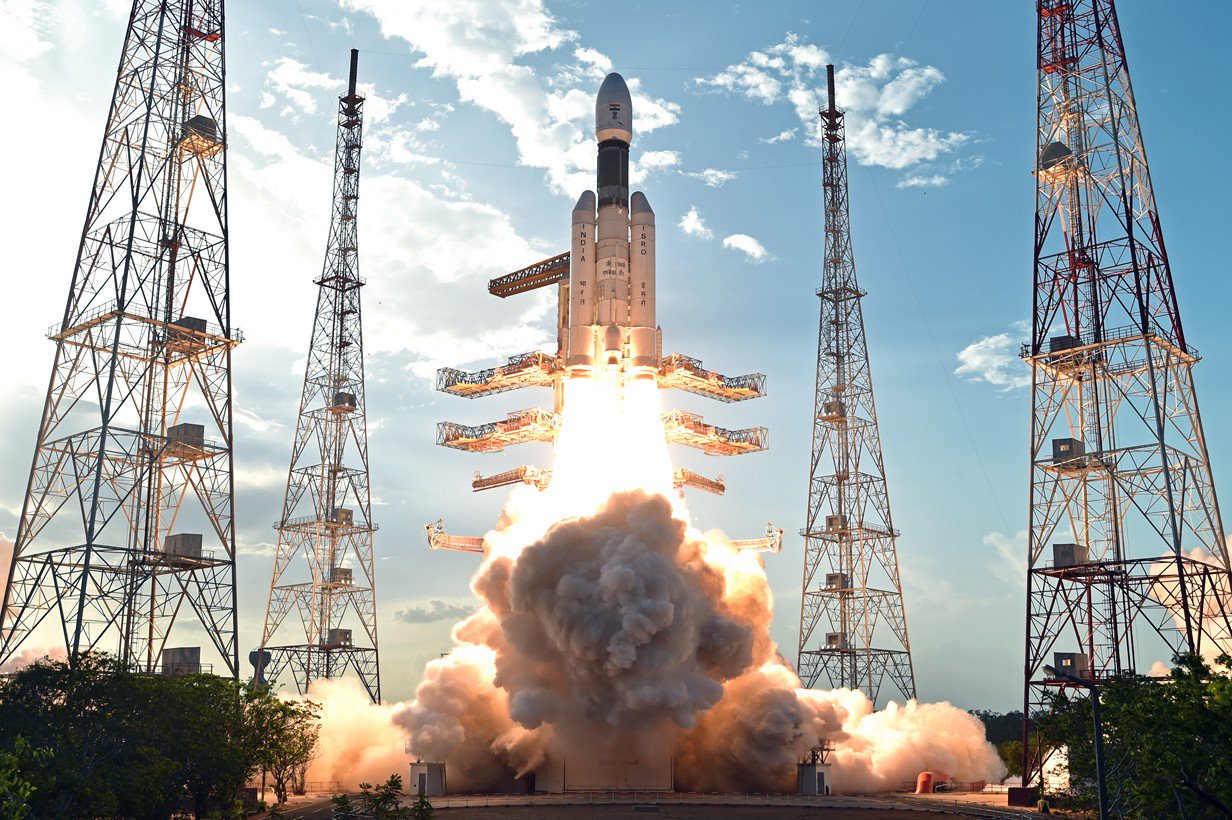
Today's brief covers an increase in Chinese satellite launches, the operational status of the Space Force's ATLAS software, and a significant fundraising event in the defense sector.