


Falcon 9 Grounding Threatens ISS Crew Rotation Schedule | KeepTrack X Report
Falcon 9 stand-down may impact next ISS crew rotation as NASA monitors the situation. Musk merges xAI into SpaceX to build space data centers. 9,633 Starlink sats on orbit.



Launch Date
June 12, 1975
Launch Site
AFWTR
Launch Pad
SLC2W
Launch Vehicle
Delta 2910
NORAD ID
21369
International Designator
1975-052CP
Decay Date
10/30/2025
Name
DELTA 1 DEB
Alternative Name
deb Delta 111
Type
Status
Owner
GSFC
Country
United States
Constellation
N/A
Related Satellites
Major Events
N/A
Length
0
Diameter
0
Span
0
Dry Mass
0
Launch Mass
0
Shape
N/A
Radar Cross Section
0.0512
Visual Magnitude
Unknown
Color
Unknown
Material Composition
Unknown
Payload
Unknown
Purpose
Unknown
Mission
Unknown
Manufacturer
Unknown
Life Expectancy
Unknown
Bus
Unknown
Configuration
Unknown
Motor
Unknown
Equipment
Unknown
Power System
Unknown
ADCS
Unknown
Transmitter Frequency
Unknown
Learn more about satellites and other related topics.
Falcon 9 stand-down may impact next ISS crew rotation as NASA monitors the situation. Musk merges xAI into SpaceX to build space data centers. 9,633 Starlink sats on orbit.

Today we cover new appointments at NASA, calls for increased Space Force funding, and a successful test of a hypersonic vehicle. Further investigations target SpaceX, and a documentary highlights space superiority.
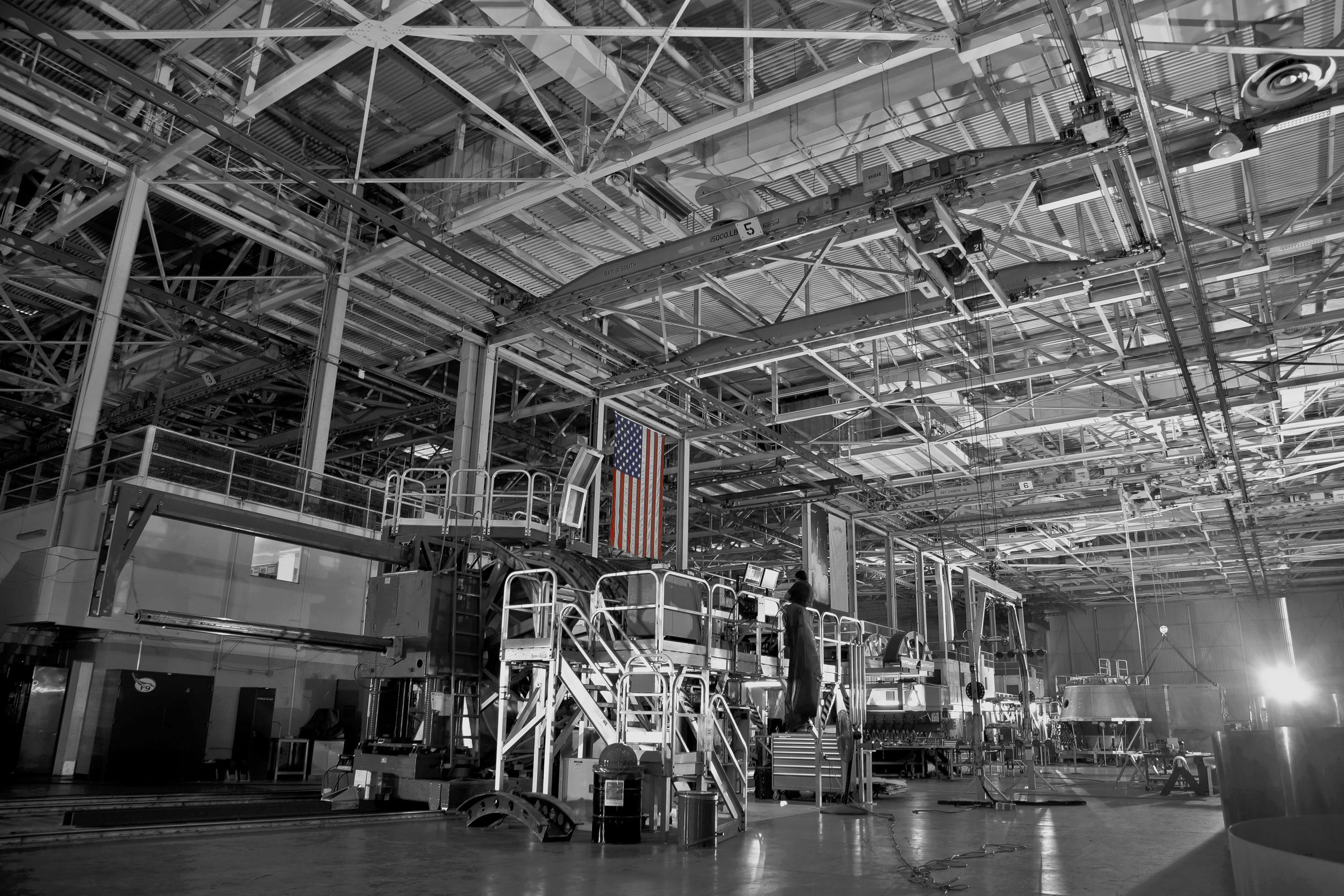
SpaceX launched 25 more Starlink satellites from Vandenberg SFB on March 8, 2026, pushing the active constellation toward 9,914 working spacecraft.
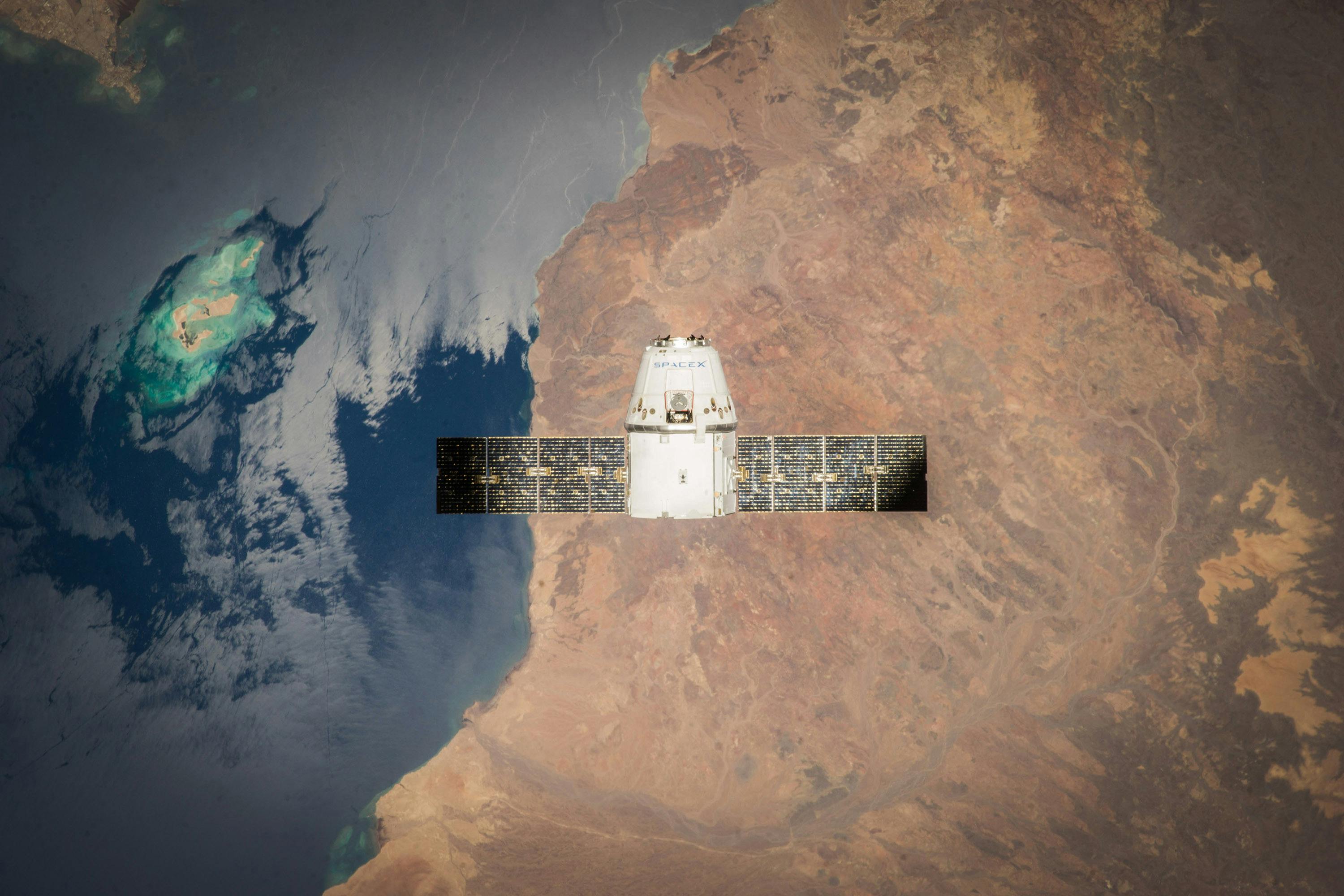
SpaceX made strides in both Starship and Starlink missions this week, launching another round of satellites while concurrently testing their Starship capabilities amidst challenges.
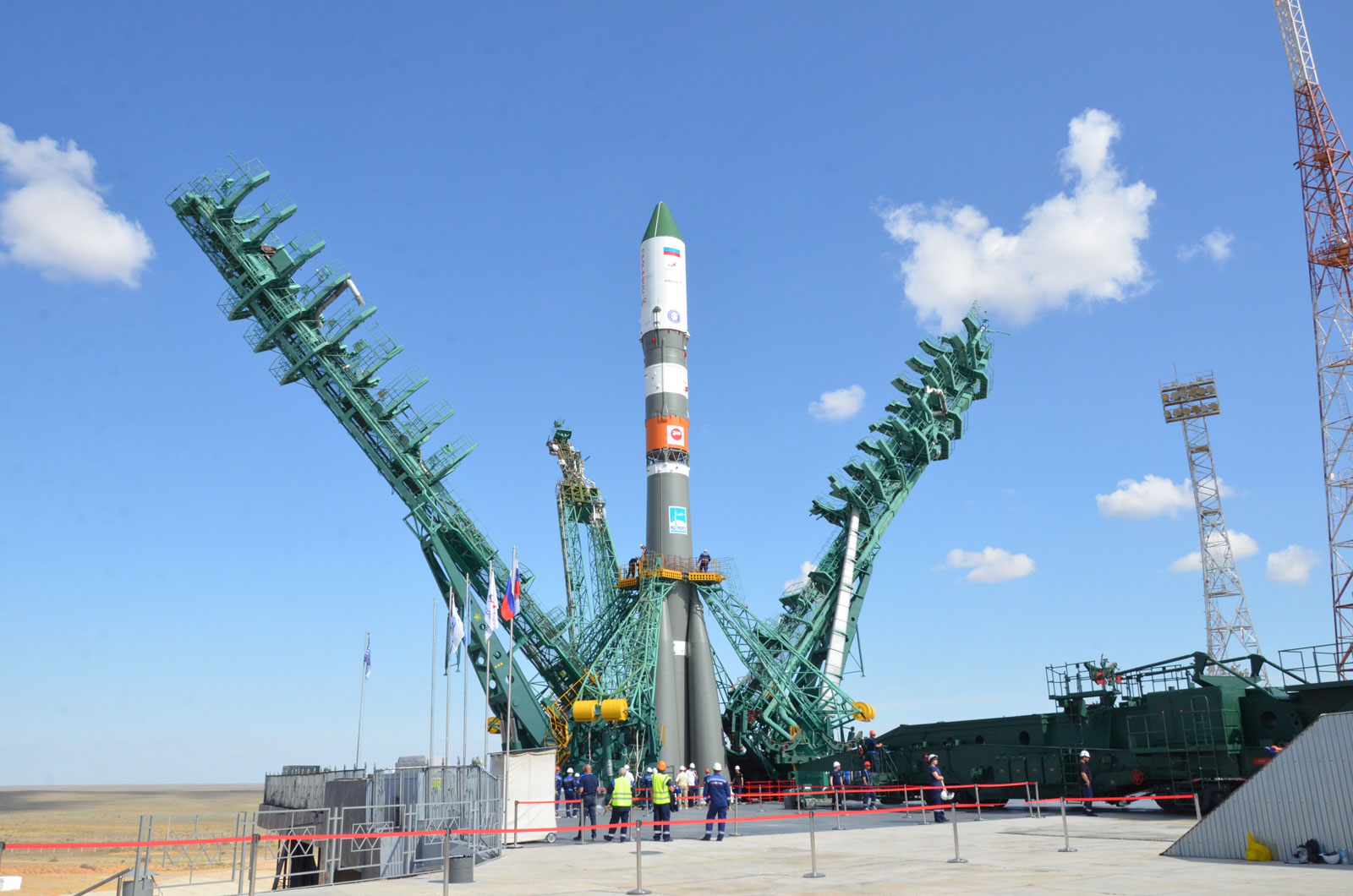
China's Tiangong space station completes crew rotation, Rocket Lab prepares for confidential launch, and Japan successfully launches military satellite with its H3 rocket.
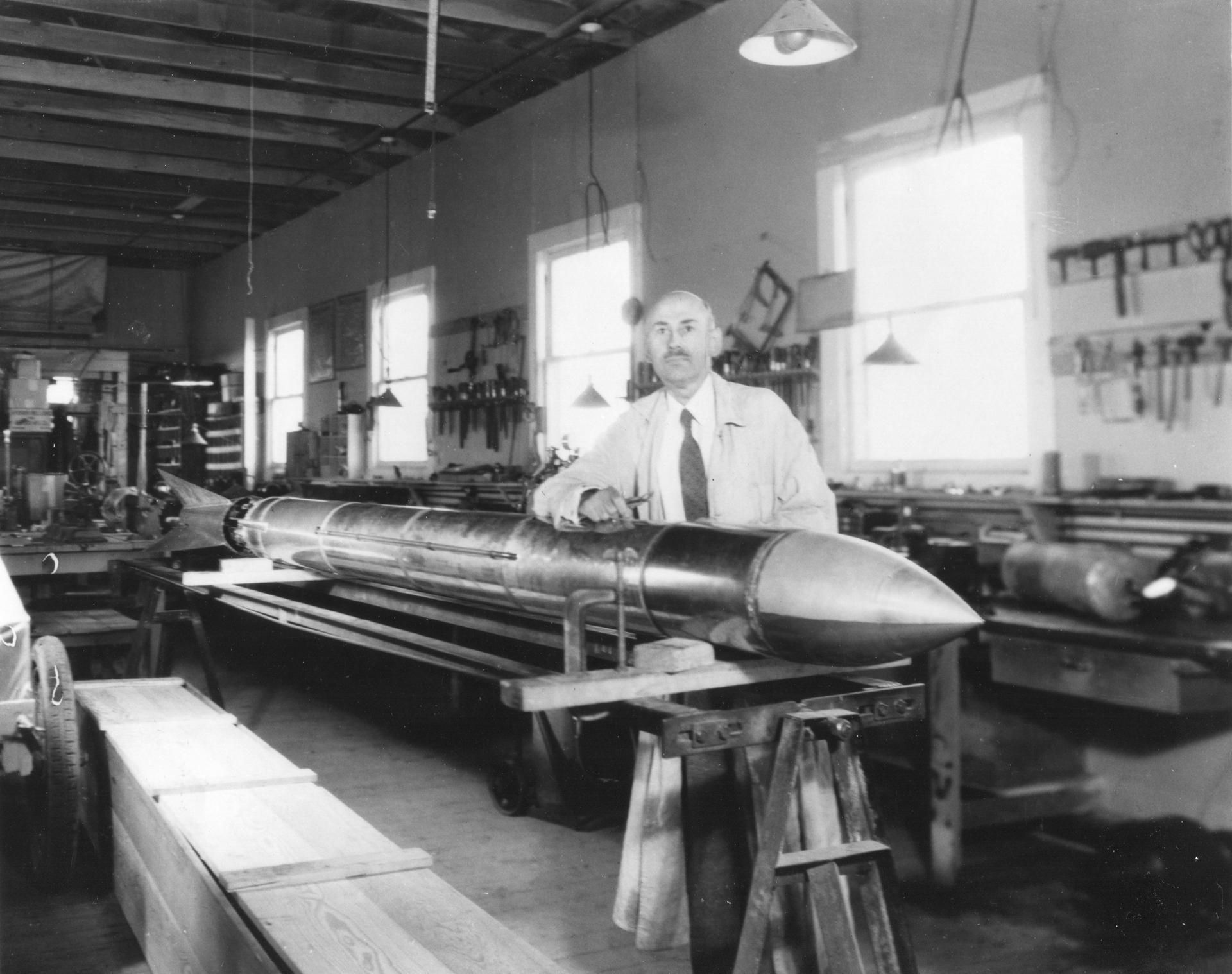
On February 2, 1909, Robert Goddard made a revolutionary breakthrough in his notebook: liquid oxygen and liquid hydrogen could achieve 50% efficiency in converting heat energy to kinetic energy for rocket propulsion
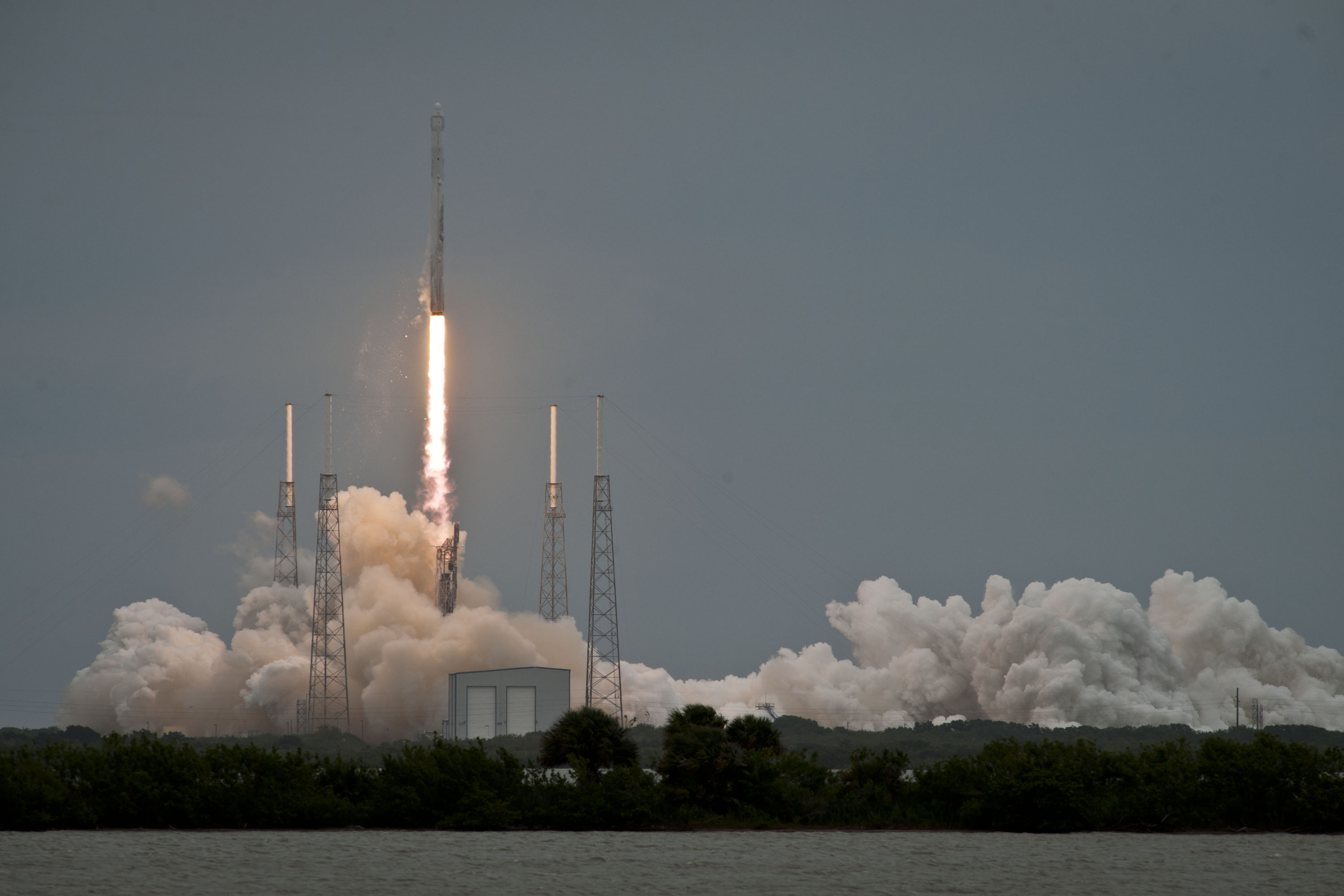
On April 18, 2014, a Falcon 9 first stage did something no orbital rocket had ever done before. It fired its engines on the way down, steered itself through the atmosphere using grid fins that did not yet exist, and touched the Atlantic Ocean softly enough to survive the impact. Nobody recovered it. The data was the whole point.
CBO estimates Golden Dome national missile shield at $1.2 trillion over 20 years. Space-based intercept layer could add thousands of satellites to tracked orbital regimes.