

X Report 3 Sep 2025
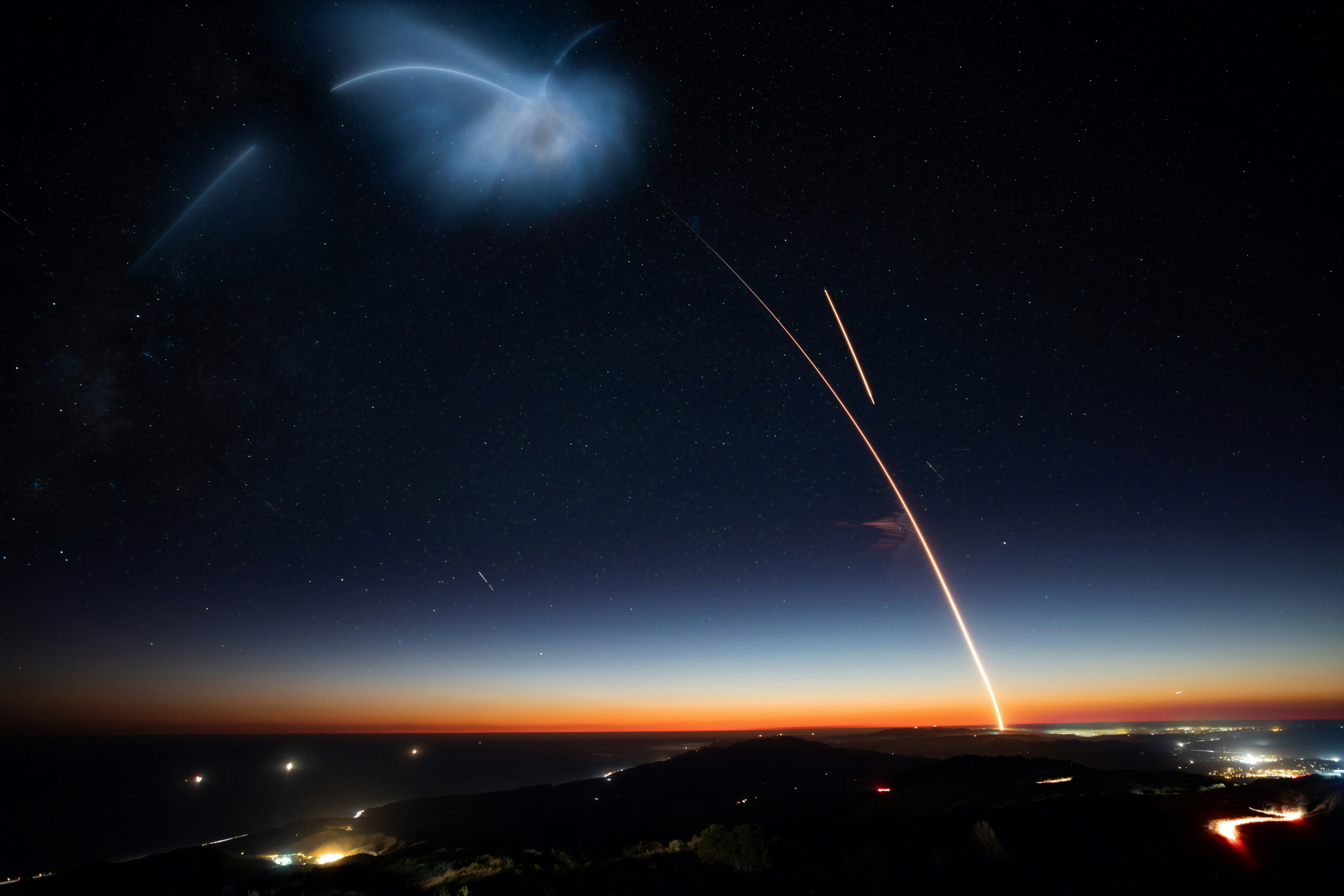
SpaceX successfully launched 24 Starlink satellites aboard a brand-new Falcon 9 rocket. The company aims for five missions this week, bolstering its satellite internet constellation.



Launch Date
June 12, 1975
Launch Site
AFWTR
Launch Pad
SLC2W
Launch Vehicle
Delta 2910
NORAD ID
21350
International Designator
1975-052BU
Decay Date
12/8/2017
Name
DELTA 1 DEB
Alternative Name
deb Delta 111
Type
Status
Owner
GSFC
Country
United States
Constellation
N/A
Related Satellites
Major Events
N/A
Length
0
Diameter
0
Span
0
Dry Mass
0
Launch Mass
0
Shape
N/A
Radar Cross Section
0.019
Visual Magnitude
Unknown
Color
Unknown
Material Composition
Unknown
Payload
Unknown
Purpose
Unknown
Mission
Unknown
Manufacturer
Unknown
Life Expectancy
Unknown
Bus
Unknown
Configuration
Unknown
Motor
Unknown
Equipment
Unknown
Power System
Unknown
ADCS
Unknown
Transmitter Frequency
Unknown
Learn more about satellites and other related topics.
SpaceX successfully launched 24 Starlink satellites aboard a brand-new Falcon 9 rocket. The company aims for five missions this week, bolstering its satellite internet constellation.
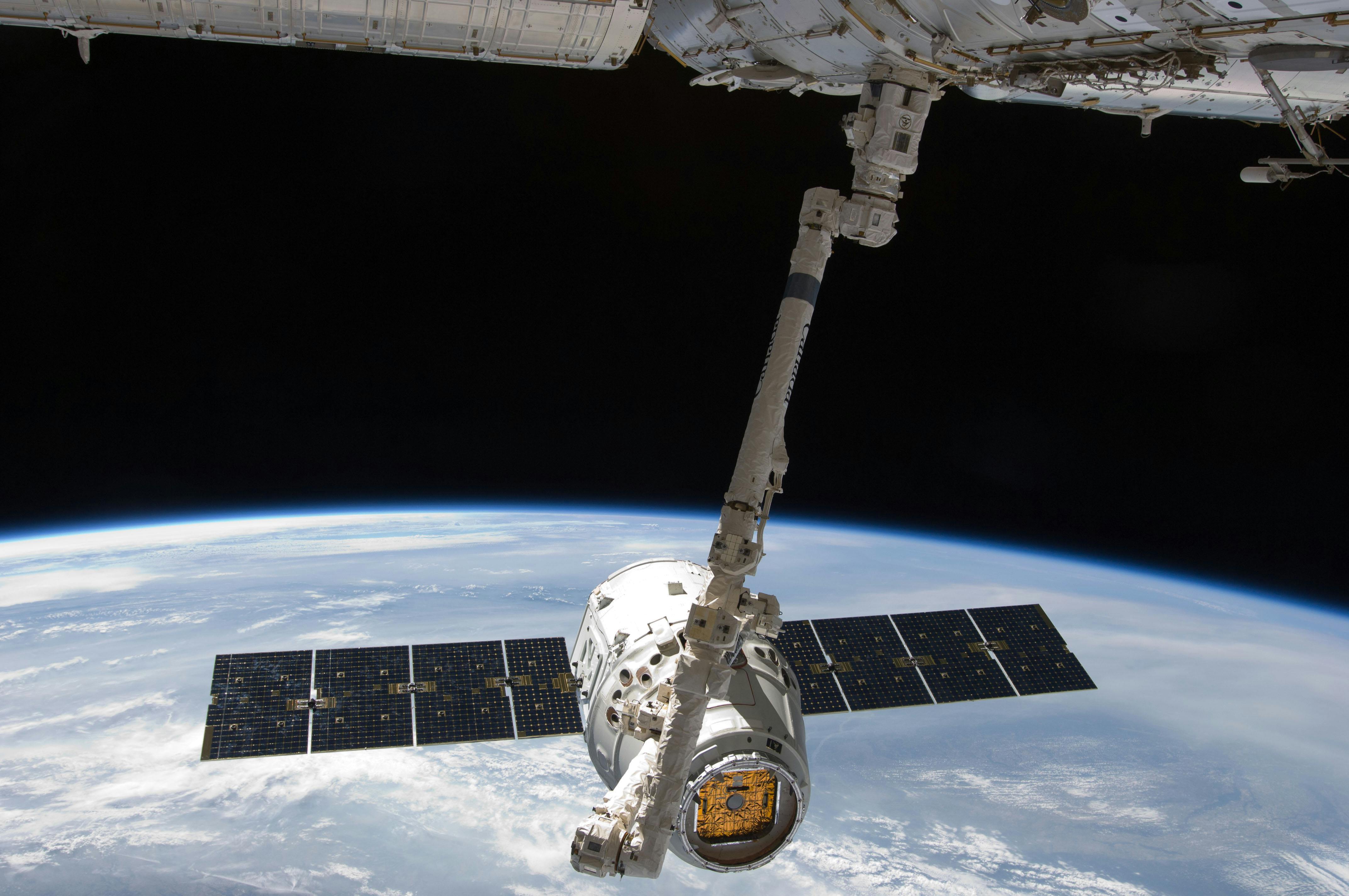
SpaceX shares jumped nearly 20% in its historic public debut, valuing the company partly on Starlink's AI infrastructure potential with 10,636 satellites working.

Today's highlights include a record number of launches from Florida's Space Coast, Germany's new military space strategy, SpaceX's Starlink deployment, and more.
Discover the latest on China's Zhuque-3 launch, ISS crew updates, ESA's budget dealings, a strategic super-resolution partnership, and ACME Space's innovative plans.
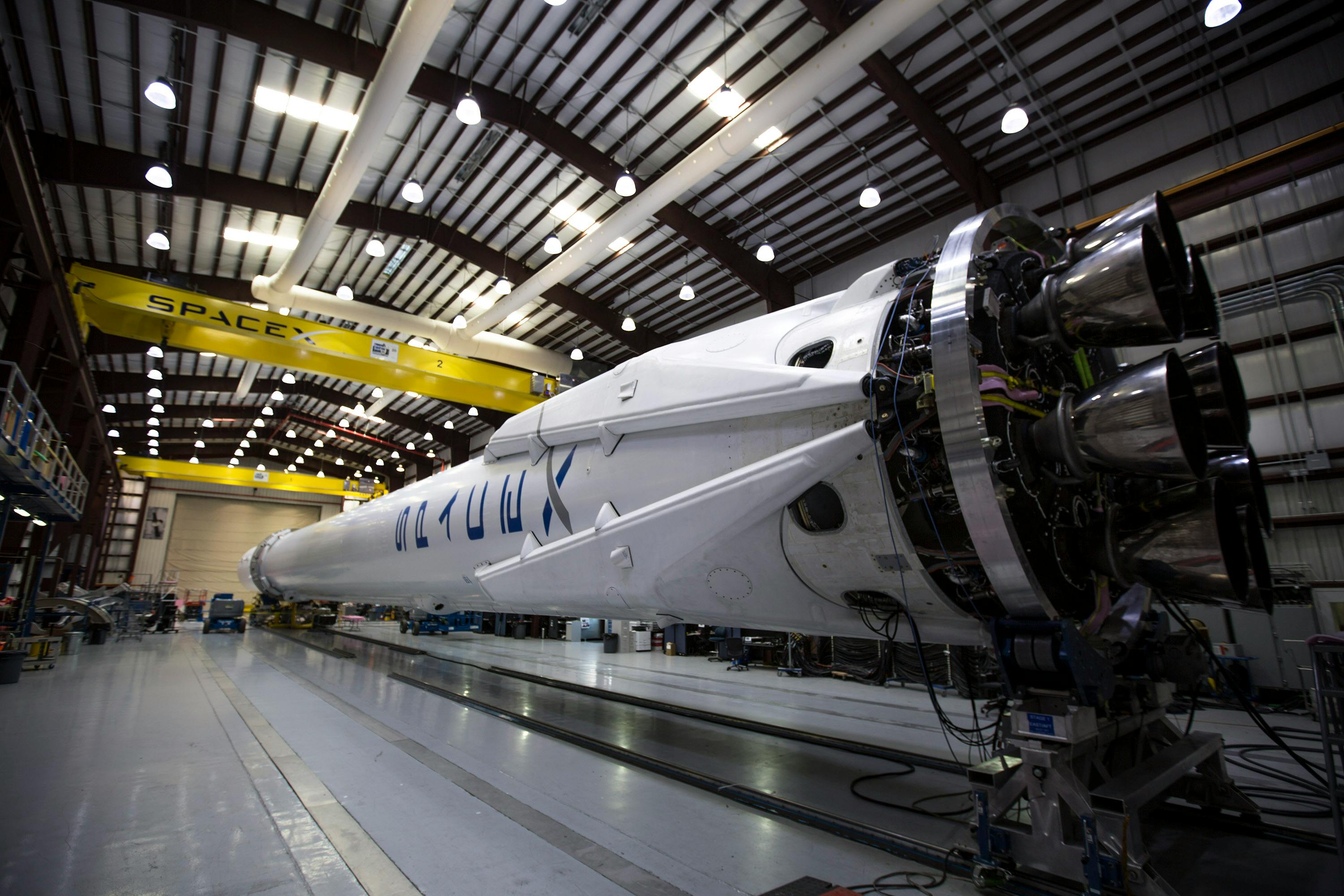
Today's highlights include SpaceX's Dragon cargo mission to the ISS, the first wooden satellite launch, and updates on NASA's Voyager mission. Additionally, the Space Force's X-37B space plane showcases unique aerobraking strategies.
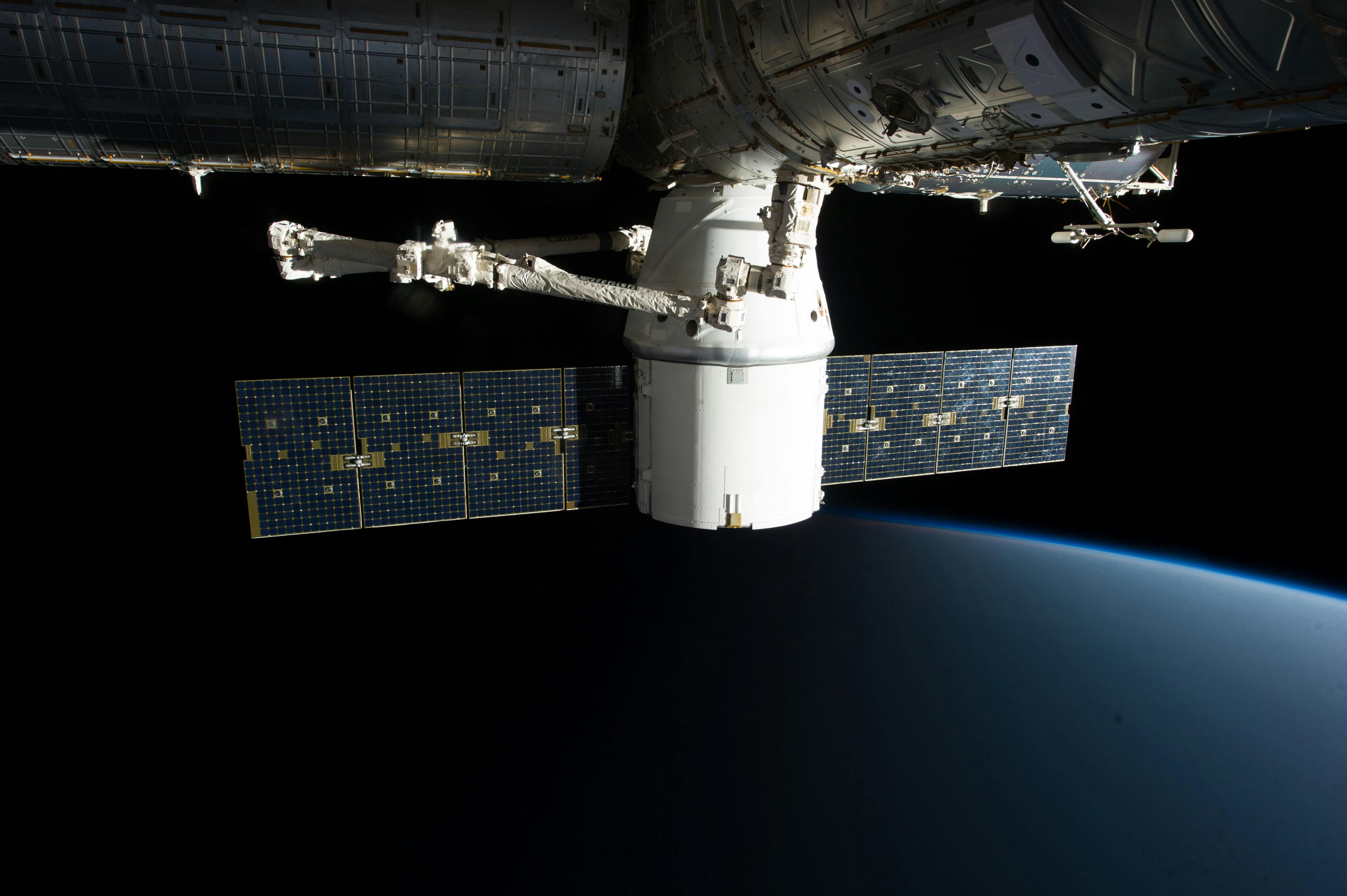
SpaceX and NASA swap Crew Dragon for Crew-10 mission; exciting 'space jellyfish' phenomena from recent launch.

SpaceX lands Falcon 9 in The Bahamas for the second time ever during Starlink 10-34 mission. Scientists measure rocket reentry air pollution in real-time for the first time.

On April 22, 2026, the FAA published a final rule implementing per-launch user fees for commercial space transportation — the first time the U.S. government has charged payload-based fees for rocket launches. Starting at 25 cents per pound with a $30,000 cap, the fees are modest today. By 2033, they won't be.