


Space Force Eyes 1,000 Launches by 2031, New Site Required | KeepTrack Space Brief
Space Force projects ~1,000 launches between FY2027–FY2031, averaging 200 annually. DAF study concludes new launch site is "probably" required to absorb cadence.



Launch Date
June 12, 1975
Launch Site
AFWTR
Launch Pad
SLC2W
Launch Vehicle
Delta 2910
NORAD ID
21293
International Designator
1975-052AE
Epoch
Sat, 04 Jul 2026 03:02:11 GMT
Apogee
Calculating...
Perigee
Calculating...
Inclination
99.91°
Right Ascension
318.53°
Eccentricity
Calculating...
Argument of Perigee
306.61°
Period
111.48 min
Mean Motion
12.92 rev/day
Latitude
Calculating...
Longitude
Calculating...
Altitude
Calculating...
Velocity
Calculating...
Name
DELTA 1 DEB
Alternative Name
deb Delta 111
Type
Status
Owner
GSFC
Country
United States
Constellation
N/A
Related Satellites
Major Events
N/A
1 21293U 75052AE 26185.12652044 .00000001 00000-0 13113-3 0 9995
2 21293 99.9119 318.5320 0270984 306.6060 229.3797 12.91764836655361
Source: Celestrak
Length
0
Diameter
0
Span
0
Dry Mass
0
Launch Mass
0
Shape
N/A
Radar Cross Section
0.0516
Visual Magnitude
Unknown
Color
Unknown
Material Composition
Unknown
Payload
Unknown
Purpose
Unknown
Mission
Unknown
Manufacturer
Unknown
Life Expectancy
Unknown
Bus
Unknown
Configuration
Unknown
Motor
Unknown
Equipment
Unknown
Power System
Unknown
ADCS
Unknown
Transmitter Frequency
Unknown
Learn more about satellites and other related topics.
Space Force projects ~1,000 launches between FY2027–FY2031, averaging 200 annually. DAF study concludes new launch site is "probably" required to absorb cadence.

SpaceX receives FAA approval for its 10th Starship test flight scheduled for August 24, while also making strides in construction at the Cape and contesting broadband funding in Virginia.
Starlink reaches 9 million active users, while SpaceX prepares for upcoming missions with Flight 12 vehicles readying for 2026.

ESA-China SMILE spacecraft successfully launched from Kourou to image Earth's magnetosphere. First continuous global views of solar wind interaction now in orbit.
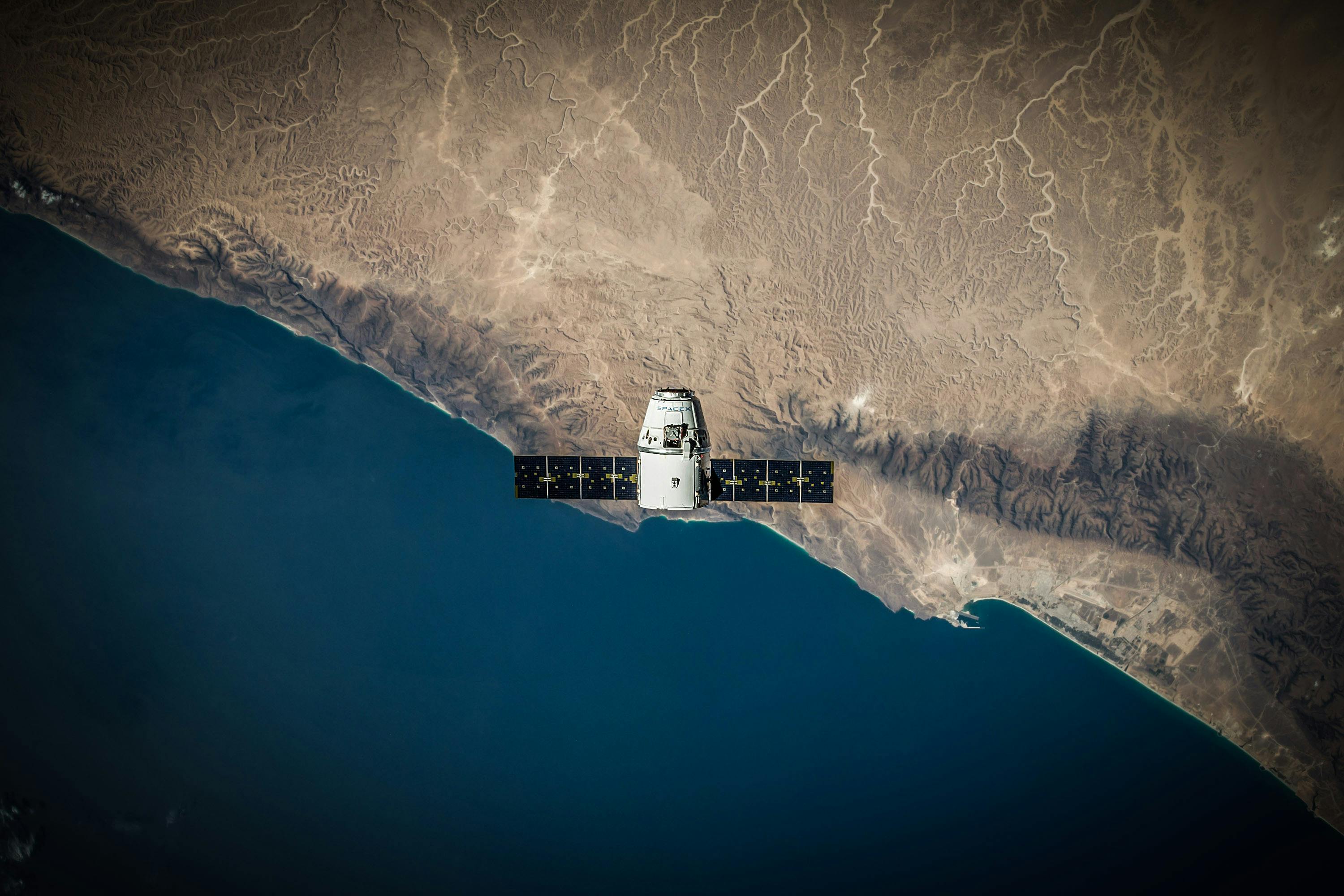
SpaceX gears up for multiple Falcon 9 launches, amidst challenges from Project Kuiper and environmental concerns.
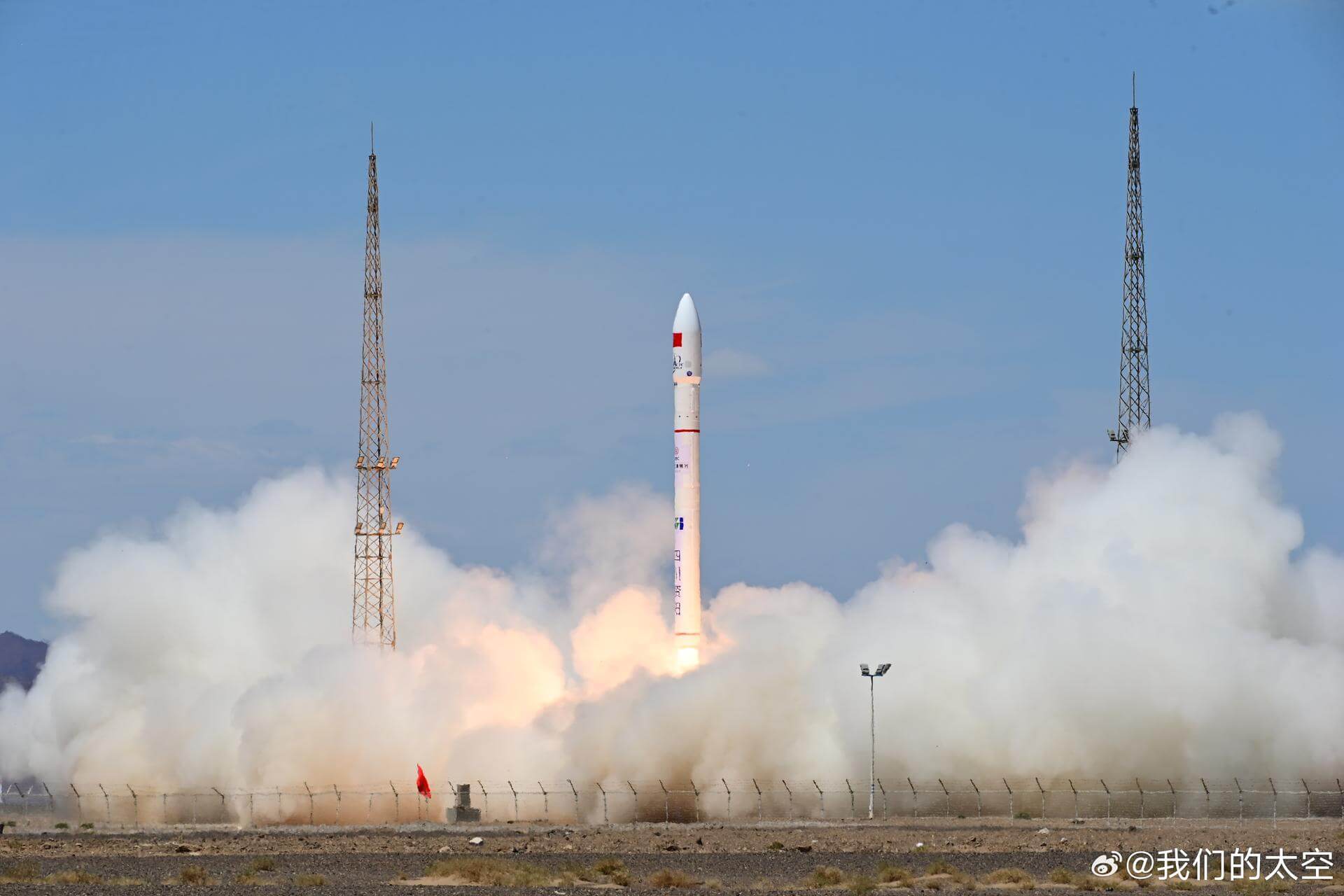
Today's briefing covers significant events, including advancements in US missile warning systems, SpaceX's Florida Starship plans, a European rocket's success, and NASA's upcoming missions.
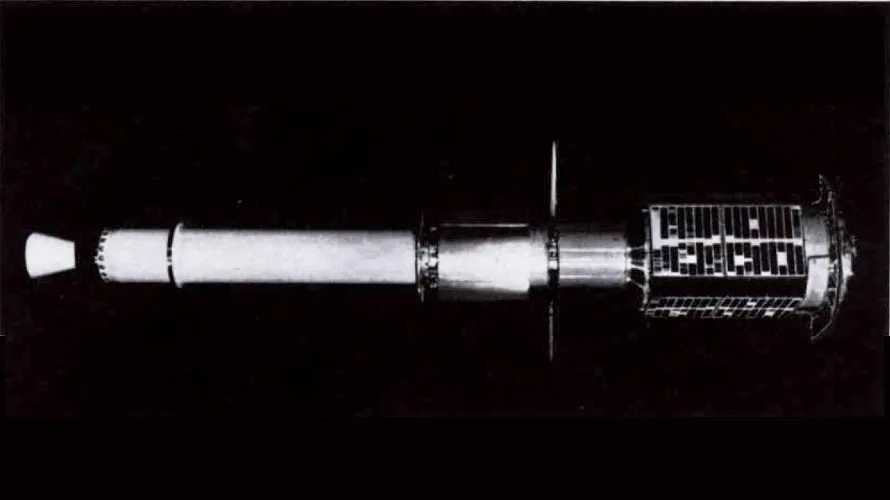
On April 27, 1961, a Scout rocket lifted a 37-kilogram NASA satellite into orbit from Wallops Island carrying the first serious instrument for detecting cosmic gamma rays. Explorer 11 operated for seven months before its tape recorder failed. In that time it registered 22 gamma-ray photons - a pitiful number by modern standards, but enough to launch an entire branch of astronomy.
Rocket Lab will acquire Iridium for $8B to challenge SpaceX, whose Starlink constellation holds 10,706 working satellites of 12,390 launched.