

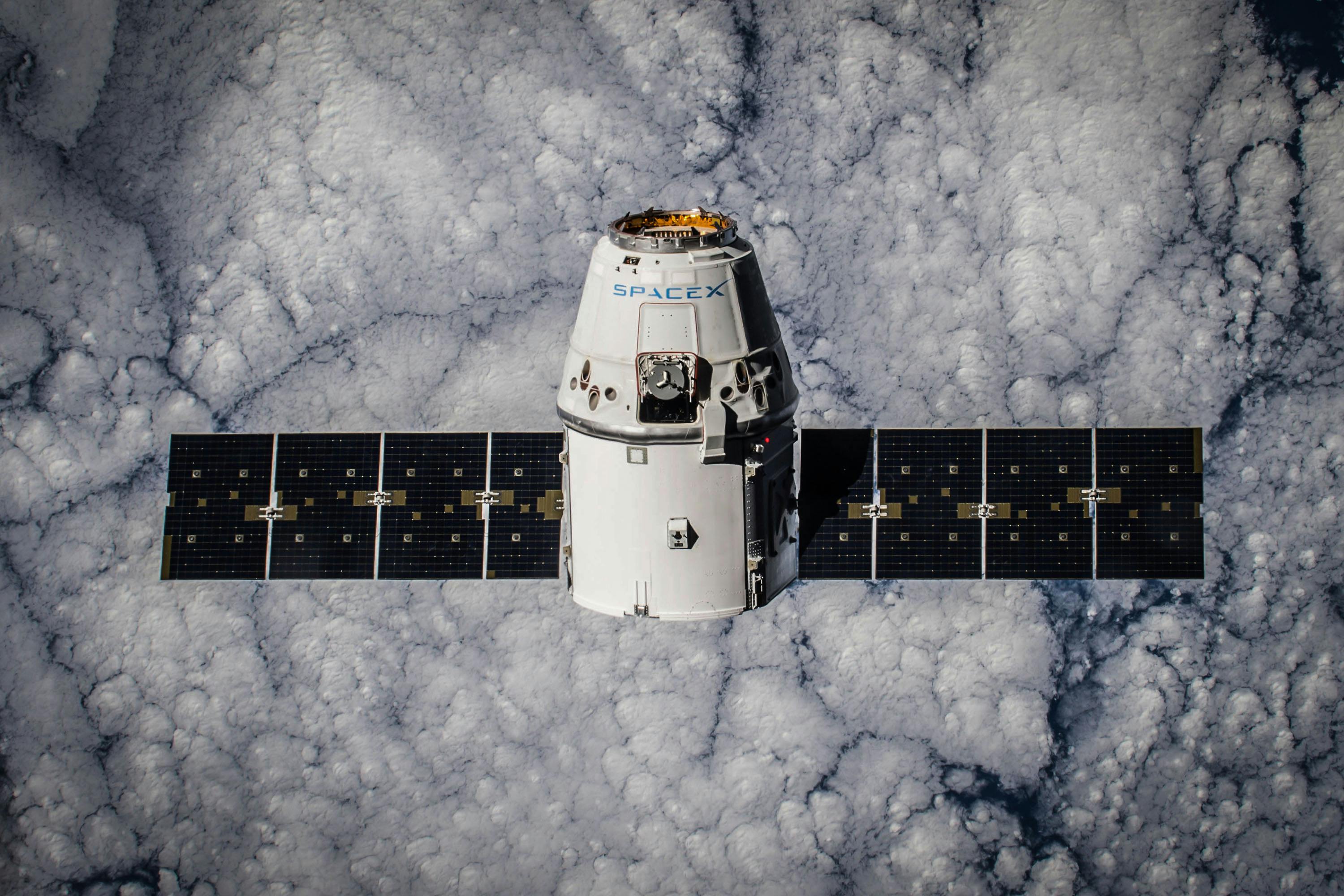
X Report 11 Aug 2025
Severe weather conditions disrupt the launch of Amazon’s Project Kuiper satellites, highlighting ongoing challenges in satellite deployment amidst increasing competition in the space industry.


Launch Date
April 28, 1991
Launch Site
Launch Pad
LC39A
Launch Vehicle
Space Shuttle
NORAD ID
21244
International Designator
1991-031B
Decay Date
5/6/1991
Name
IBSS
Alternative Name
IBSS/SPAS
Type
Status
Owner
SDIO
Country
United States
Constellation
N/A
Related Satellites
Major Events
N/A
Length
4.8
Diameter
1.5
Span
4.8
Dry Mass
1793
Launch Mass
1835
Shape
Box + Cyl
Radar Cross Section
32.75
Visual Magnitude
Unknown
Color
Unknown
Material Composition
Unknown
Payload
SPAS-2
Purpose
SDI experiments, retrievable satellite
Mission
SDI experiments, retrievable satellite
Manufacturer
DASAO
Life Expectancy
Unknown
Bus
SPAS
Configuration
SPAS-Platform
Motor
Unknown
Equipment
Unknown
Power System
Batteries
ADCS
Unknown
Transmitter Frequency
Unknown
Learn more about satellites and other related topics.
Severe weather conditions disrupt the launch of Amazon’s Project Kuiper satellites, highlighting ongoing challenges in satellite deployment amidst increasing competition in the space industry.

Today's highlights include Rocket Lab's record year, setbacks in Japanese space endeavors, secure communication advancements in orbit, and more updates on martian expeditions.
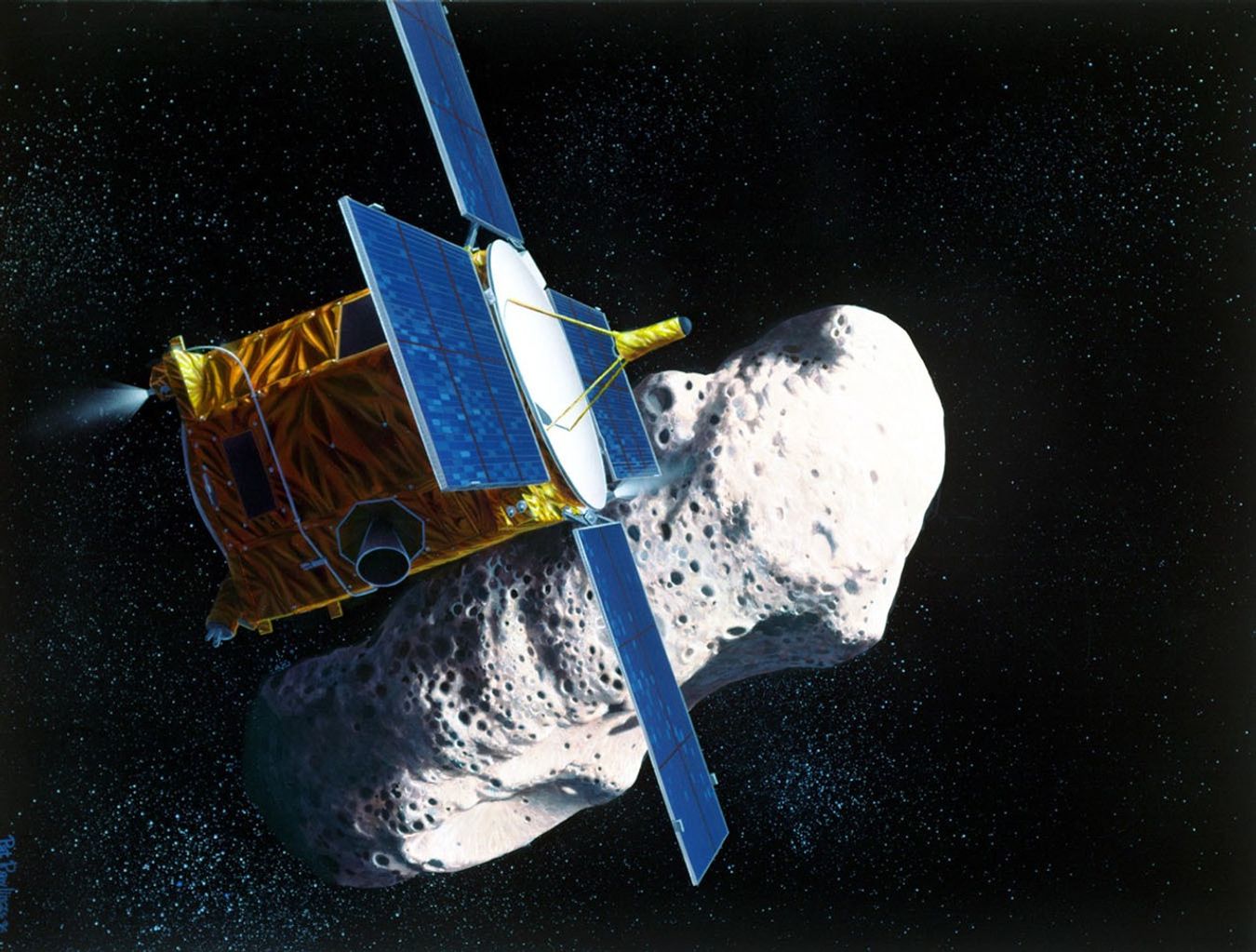
Twenty-four years ago, a spacecraft designed only to orbit made history with an improvised landing on asteroid Eros, marking humanitys first controlled touchdown on a small celestial body

Today's space news highlights include U.S. military satellite deployments, innovative AI aboard the Chinese space station, and breakthroughs in interplanetary communications.

SpaceX successfully launches 27 Starlink satellites and gains approval for internet services in Vietnam.
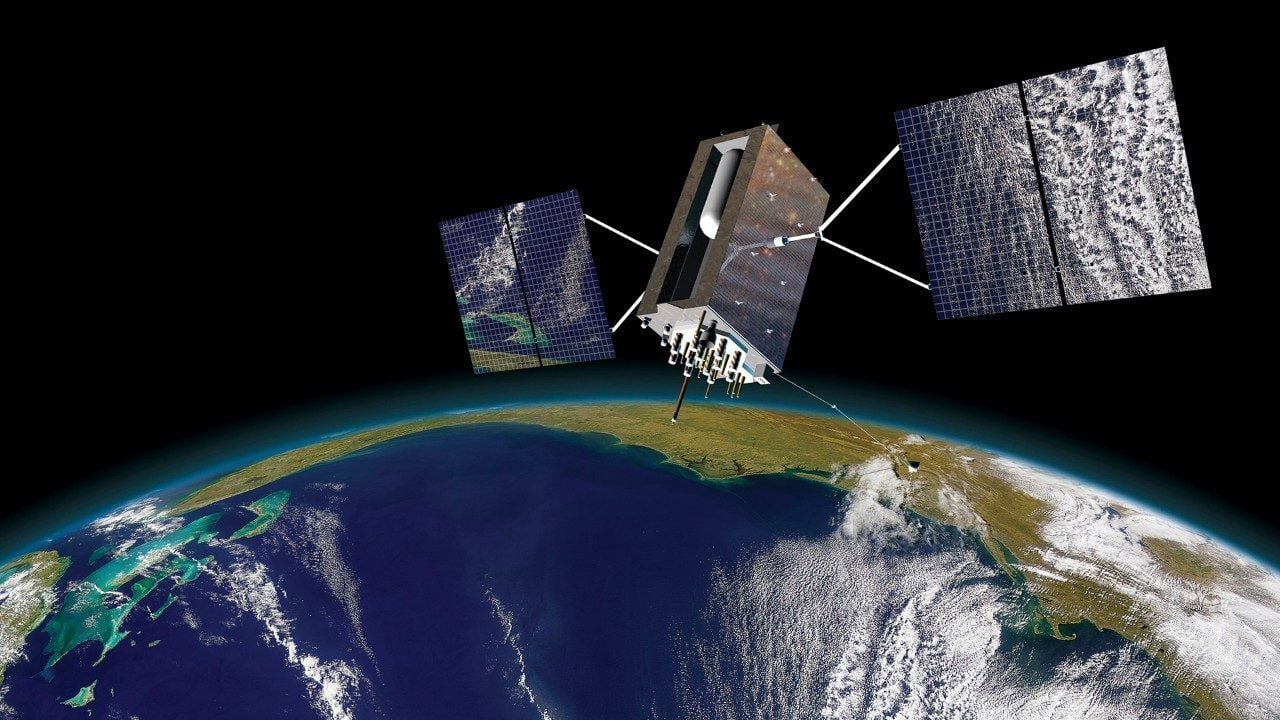
On April 17, 2026, the U.S. Space Force officially cancelled the Next Generation Operational Control System after sixteen years of development, cost overruns, and testing failures. The $8 billion program was supposed to unlock the military's encrypted GPS signal. Instead, the satellites are flying with capabilities the ground can't command.
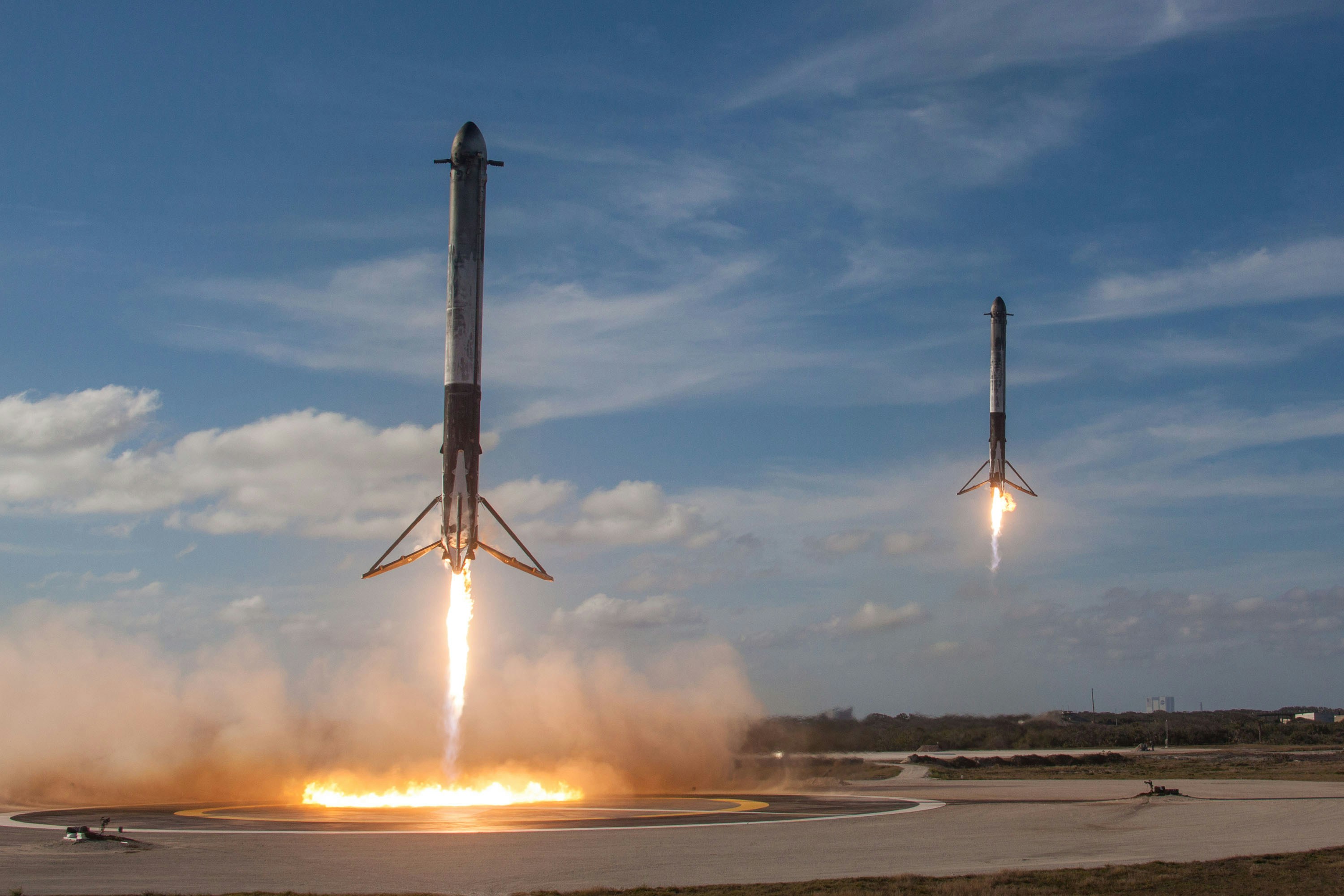
Rocket Lab will acquire Iridium for $8B to challenge SpaceX, whose Starlink constellation holds 10,706 working satellites of 12,390 launched.

Space Force projects 30,000-satellite orbital architecture by 2040 amid combat integration revelations. Gen. Saltzman confirms space operations were critical in Iran conflict.