STS 37 (21224)

COSPAR: 1991-027A | Alt Name: Atlantis (STS-37)
DECAYED

Image
STS 37 Satellite Image
Additional Sources
Launch Details

Launch Date

April 5, 1991

Launch Pad

LC39B

Launch Vehicle

Space Shuttle

Orbital Elements

NORAD ID

21224

International Designator

1991-027A

Decay Date

4/11/1991

Basic Satellite Info

Name

STS 37

Alternative Name

Atlantis (STS-37)

Type

Payload

Status

Decayed

Owner

JSC

Country

United States

Constellation

N/A

Related Satellites

Major Events

N/A

Summary
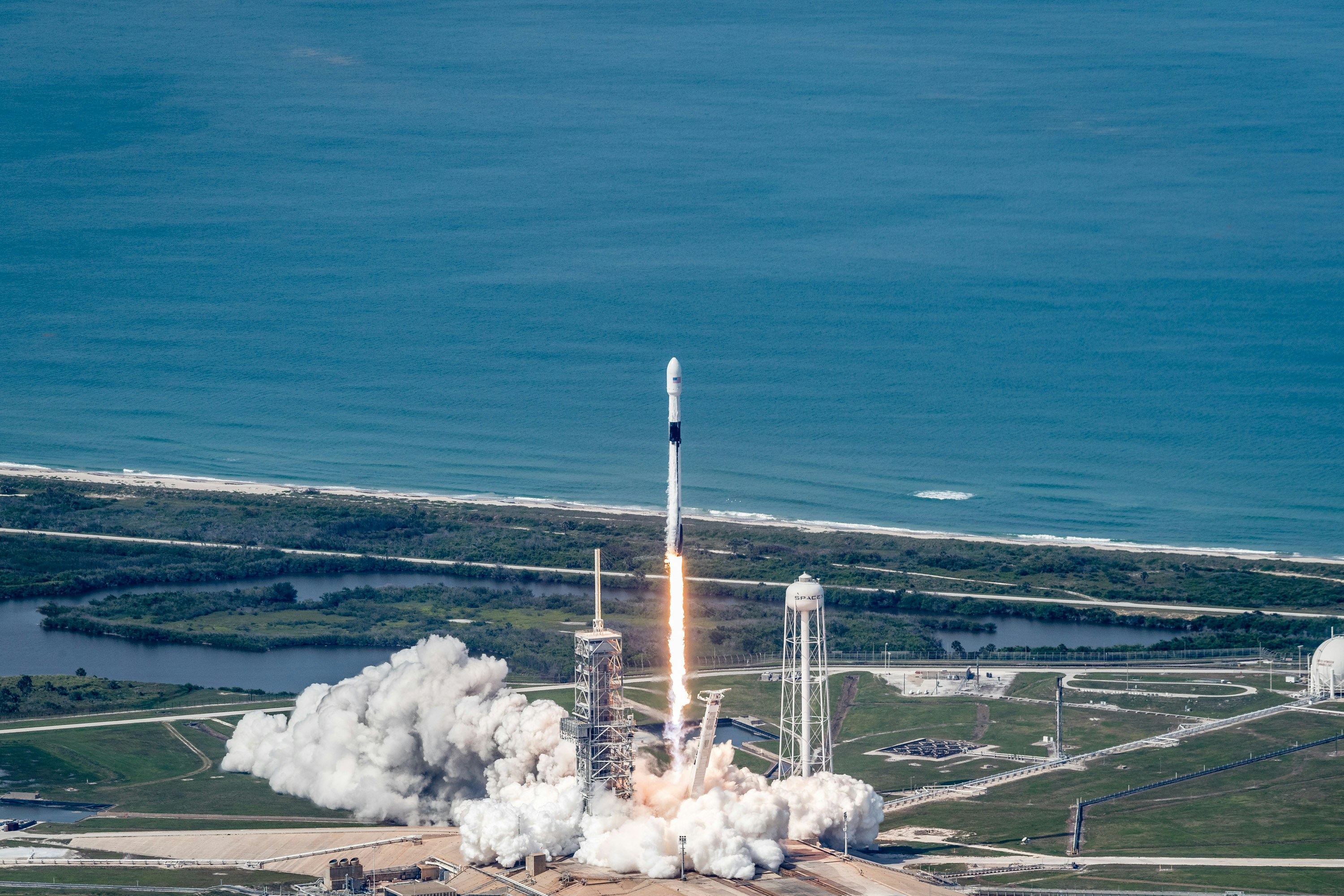
STS 37, also known as Atlantis (STS-37), is a US crewed spacecraft operated by JSC and manufactured by RWI. Launched on April 5, 1991, from LC39B at AFETR using the Space Shuttle launch vehicle, it has a winged orbiter configuration with dimensions of 37.3 meters in length and span, and 23.8 meters in diameter. The spacecraft's dry mass is 84,467 kilograms while its launch mass was 91,847 kilograms. STS 37 features fuel cells and batteries for power supply and two OME (AJ10-190) motors. Its mission purpose was to serve as a crewed spacecraft with a shape described as Box + 2 Wing + Fin.
Physical Characteristics

Length

37.3

Diameter

23.8

Span

37.3

Dry Mass

84467

Launch Mass

91847

Shape

Box + 2 Wing + Fin

Radar Cross Section

Unknown

Visual Magnitude

Unknown

Color

Unknown

Material Composition

Unknown

Technical Details

Payload

OV-104

Purpose

Crewed Spacecraft

Mission

Crewed Spacecraft

Manufacturer

RWI

Life Expectancy

Unknown

Bus

STS OV

Configuration

Winged orbiter

Motor

2 x OME (AJ10-190)

Equipment

Unknown

Power System

Fuel cells, batteries

ADCS

Unknown

Transmitter Frequency

Unknown

Satellite Articles

View All Posts »

Learn more about satellites and other related topics.

Space Force Completes First Tactical Orbital Intercept | KeepTrack Space Brief

Space Force Completes First Tactical Orbital Intercept | KeepTrack Space Brief

U.S. Space Force executes first tactical orbital intercept under Victus Haze mission using commercial spacecraft. Rendezvous and proximity operations now operationally demonstrated.

SpaceX Preps Seventh Starlink Launch of 2026 With 25 Satellites | KeepTrack X Report

SpaceX Preps Seventh Starlink Launch of 2026 With 25 Satellites | KeepTrack X Report

SpaceX readies Starlink 17-20 launch of 25 satellites to polar orbit from Vandenberg pad 4E — seventh Starlink mission of the year. 11,009 total Starlink satellites launched to date.

The Day America Gained New Eyes on Mars

The Day America Gained New Eyes on Mars

Fifty-six years ago, a revolutionary spacecraft launched toward the Red Planet after being saved from disaster by two quick-thinking technicians who risked their lives to prevent a rocket collapse

SpaceX Starfall Reentry Vehicle Plans Revealed by FAA | KeepTrack X Report

SpaceX Starfall Reentry Vehicle Plans Revealed by FAA | KeepTrack X Report

FAA documents expose SpaceX's Starfall reentry vehicle program, targeting in-space manufacturing support as the Starlink constellation holds 10,397 working satellites.

Blue Origin Targets New Glenn Return Before Year-End After Pad Explosion | KeepTrack Space Brief

Blue Origin Targets New Glenn Return Before Year-End After Pad Explosion | KeepTrack Space Brief

Blue Origin aiming for 2nd New Glenn launch by end of 2026 after LC-36 pad explosion at Cape Canaveral. Repair timeline still unclear; mission critical for national security payloads.

Falcon 9 Lofts 46 Payloads Including CAS500-2 | KeepTrack X Report

Falcon 9 Lofts 46 Payloads Including CAS500-2 | KeepTrack X Report

SpaceX's third rideshare mission of 2026 delivered South Korea's CAS500-2 imager and 45 secondary payloads to Sun-synchronous orbit on Falcon 9.

X Report 2 Mar 2025

X Report 2 Mar 2025

Starship receives FAA approval for its next test flight, while SpaceX prepares to launch more Starlink satellites amidst reaching 5 million subscribers.

Why Nobody Can See What Is Happening Near the Moon

Why Nobody Can See What Is Happening Near the Moon

The volume of space between Earth and the Moon is roughly a thousand times larger than the orbit we actually watch, and almost none of it is under surveillance. As the U.S. and China race to build lunar outposts, the Space Force is scrambling to put eyes on a region it has been effectively blind to.