


X Report 9 Oct 2025
SpaceX continues to make strides with successful satellite launches and competitive maneuvering in the direct-to-device market, as AST SpaceMobile aligns with Verizon for space-based cellular services.


![COSMOS 2139 [GLONASS] Satellite Image](/images/sat/21216.jpg)
Launch Date
April 4, 1991
Launch Site
Launch Pad
LC200/39
Launch Vehicle
Proton-K/DM-2
NORAD ID
21216
International Designator
1991-025A
Epoch
Fri, 03 Jul 2026 20:18:58 GMT
Apogee
Calculating...
Perigee
Calculating...
Inclination
64.35°
Right Ascension
303.82°
Eccentricity
Calculating...
Argument of Perigee
220.26°
Period
675.72 min
Mean Motion
2.13 rev/day
Latitude
Calculating...
Longitude
Calculating...
Altitude
Calculating...
Velocity
Calculating...
Name
COSMOS 2139 [GLONASS]
Alternative Name
Kosmos-2139
Type
Status
Owner
UNKSR
Country
USSR
Constellation
N/A
Related Satellites
Major Events
N/A
1 21216U 91025A 26184.84650532 -.00000039 00000-0 00000-0 0 9996
2 21216 64.3516 303.8223 0017122 220.2611 139.6316 2.13105874274280
Source: Celestrak
Length
4
Diameter
1.5
Span
7.8
Dry Mass
1200
Launch Mass
1300
Shape
Cyl + Ant + 2 Pan
Radar Cross Section
1.3022
Visual Magnitude
Unknown
Color
Unknown
Material Composition
Unknown
Payload
Uragan No. 50L
Purpose
Navigation
Mission
Navigation
Manufacturer
POL
Life Expectancy
3 years
Bus
Uragan
Configuration
3-Axis stabilized
Motor
?
Equipment
?
Power System
2 deployable solar arrays, batteries
ADCS
Unknown
Transmitter Frequency
Unknown
Learn more about satellites and other related topics.
SpaceX continues to make strides with successful satellite launches and competitive maneuvering in the direct-to-device market, as AST SpaceMobile aligns with Verizon for space-based cellular services.

FCC approves 7,500 additional Starlink Gen2 satellites. Space Force awards SpaceX $739M for nine national security launches. NASA plans Crew-11 medical evacuation from ISS on January 14.
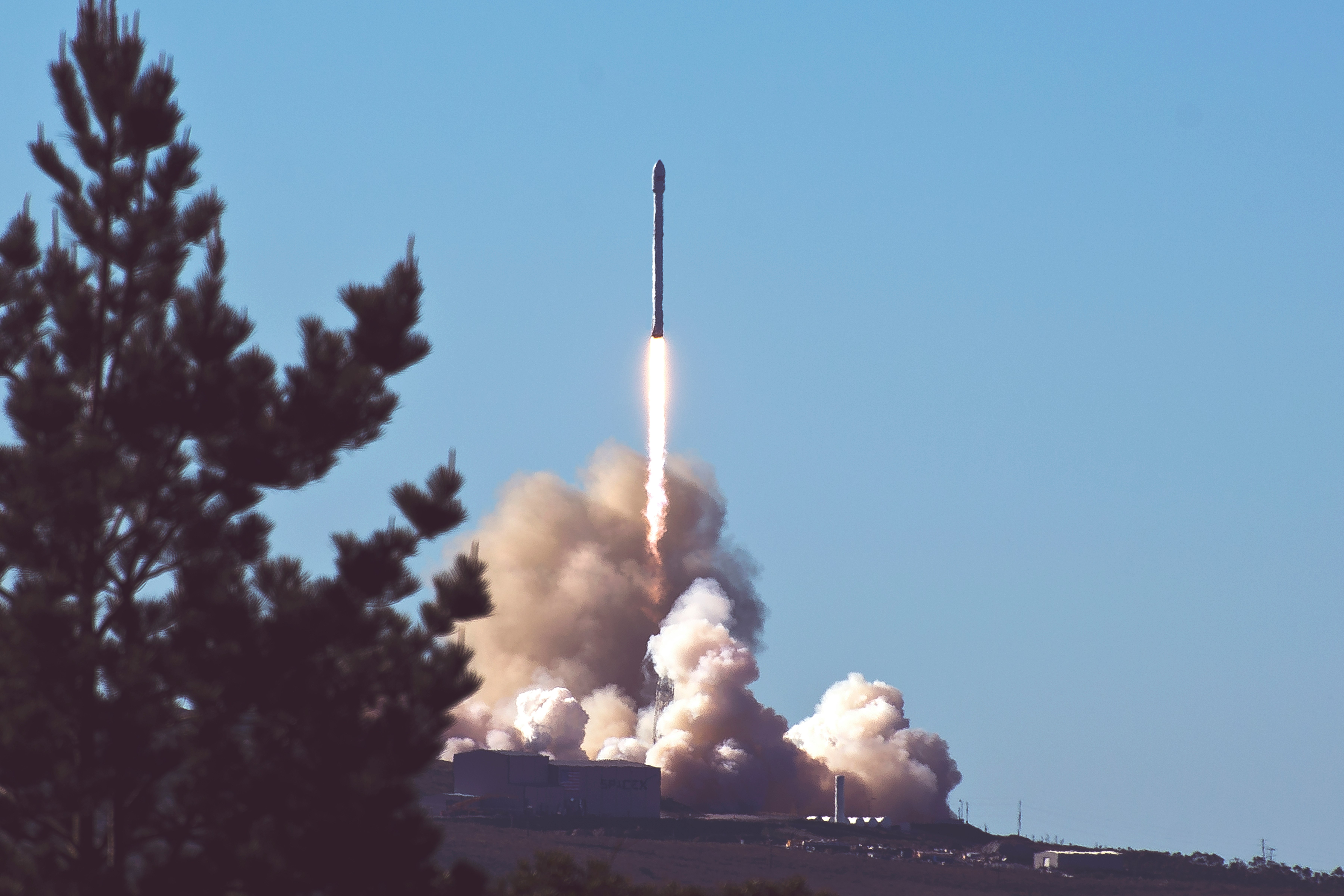
SpaceX successfully completes a critical test flight of its Starship vehicle while gearing up for another Starlink satellite launch, showcasing significant advancements in their launch capabilities.
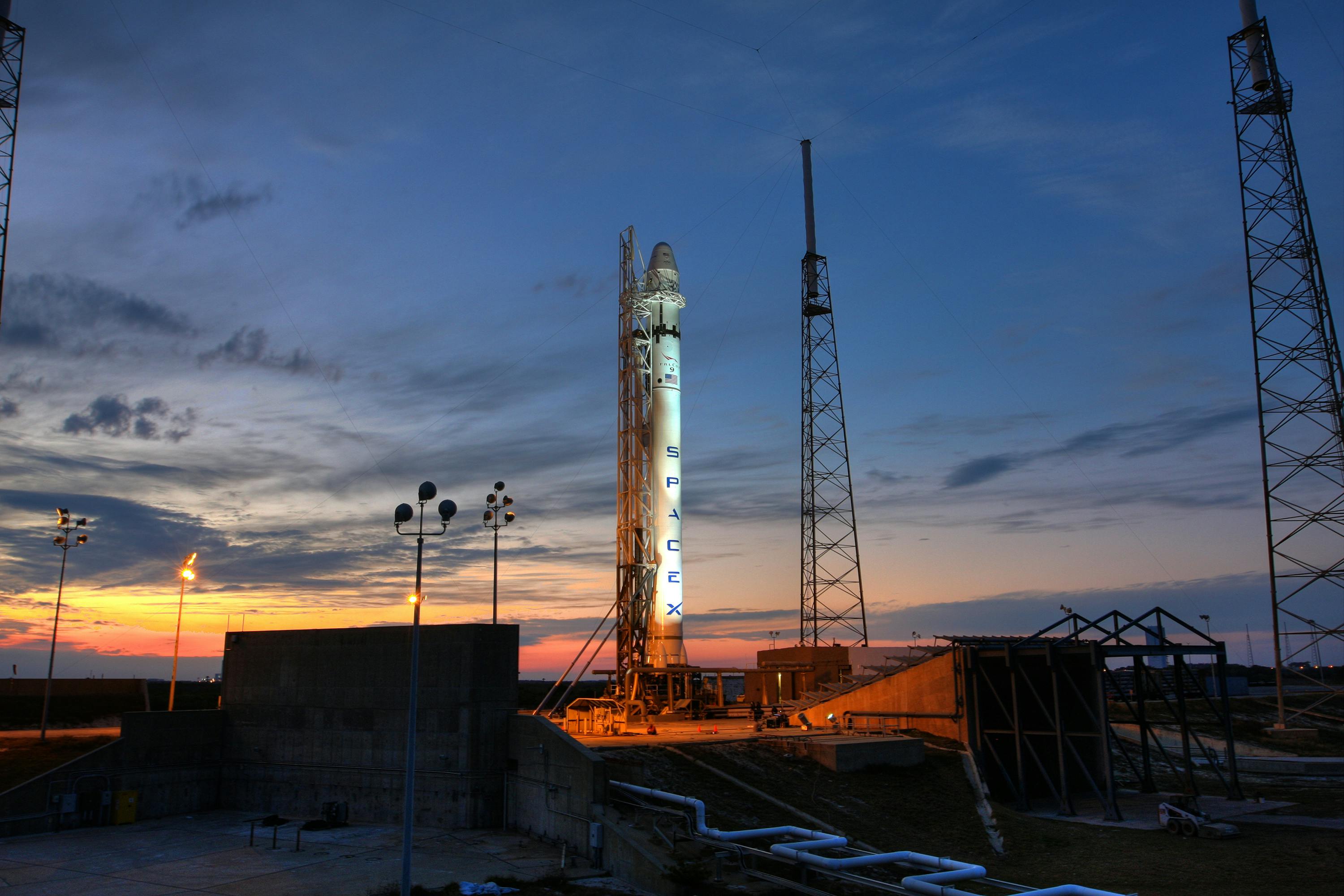
SpaceX successfully launched 29 Starlink satellites, bolstering its broadband network and expanding global internet coverage.
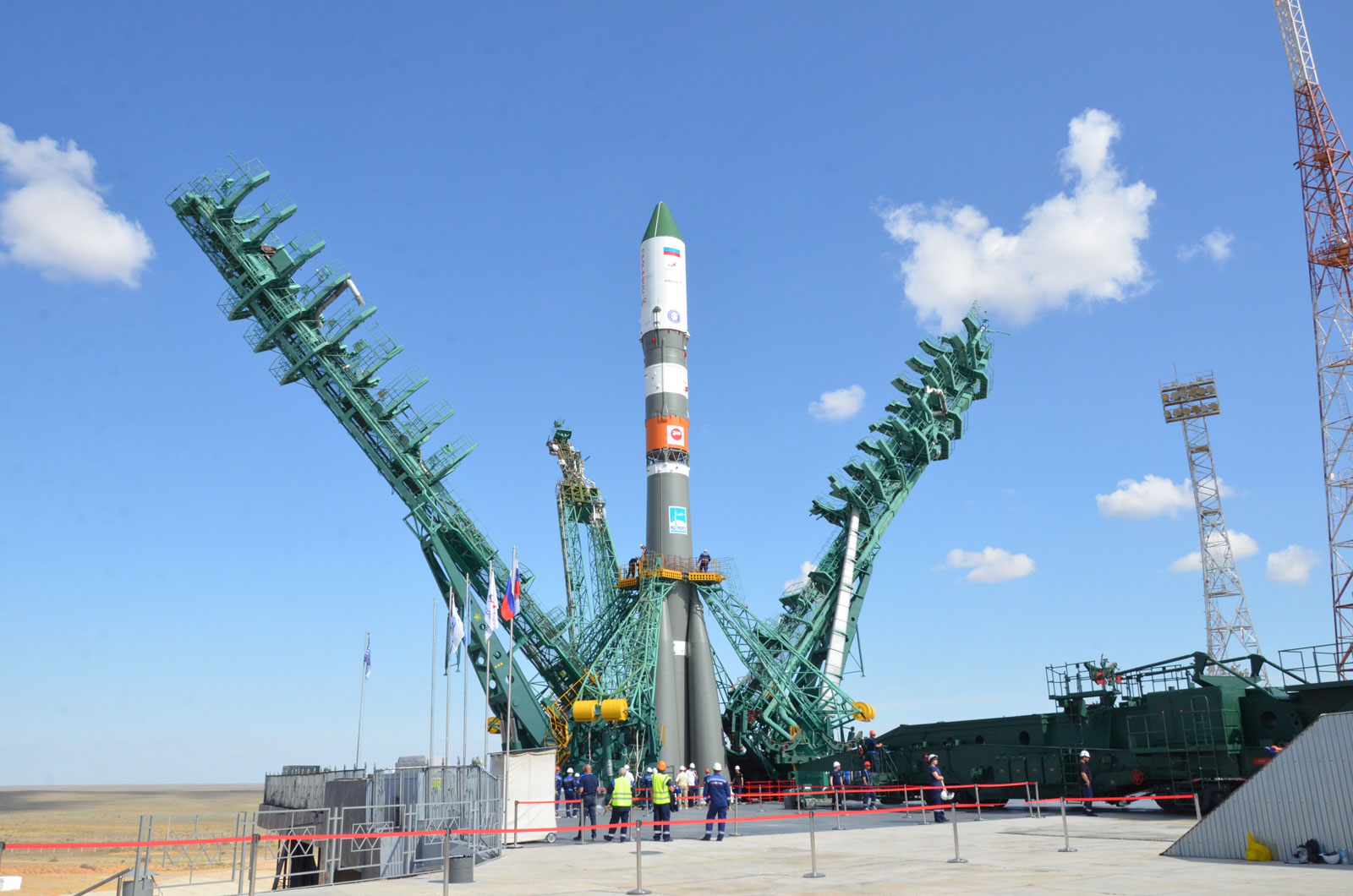
Today's highlights include a record-breaking event at the International Space Station, significant funding for hypersonic missile production, and several key military developments impacting space strategy.
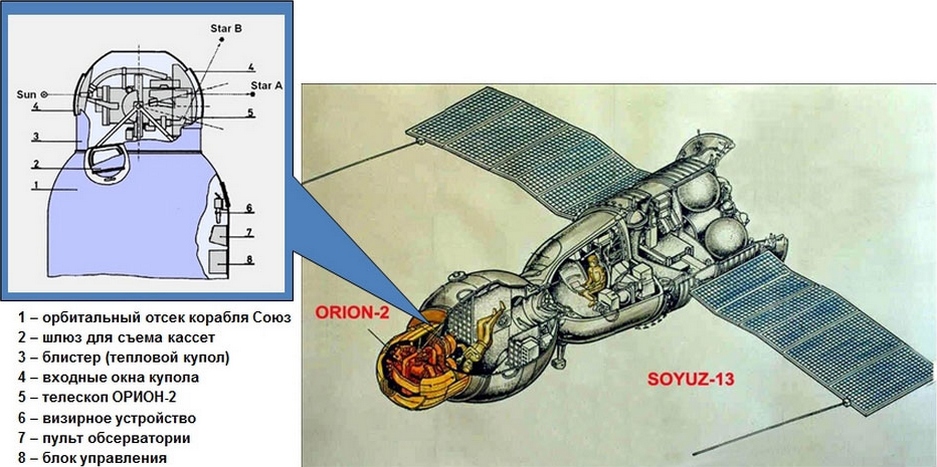
Exactly 52 years ago today, the Soviet Union launched Soyuz 13 - a scientific mission that marked the first time American astronauts and Soviet cosmonauts orbited Earth simultaneously. Armed with a revolutionary ultraviolet telescope, Pyotr Klimuk and Valentin Lebedev would discover elements never before seen in distant nebulae.

Today's Space Brief delves into NASA's lunar nuclear power initiative, a strategic Army data integration project, and a rare SpaceX Falcon booster launch. Also covered are significant advancements in military satellite technology and Navy unmanned surface vehicles.

Today's brief covers Firefly's acquisition, military tracking from the moon, France's boost in military space funding, and more.