

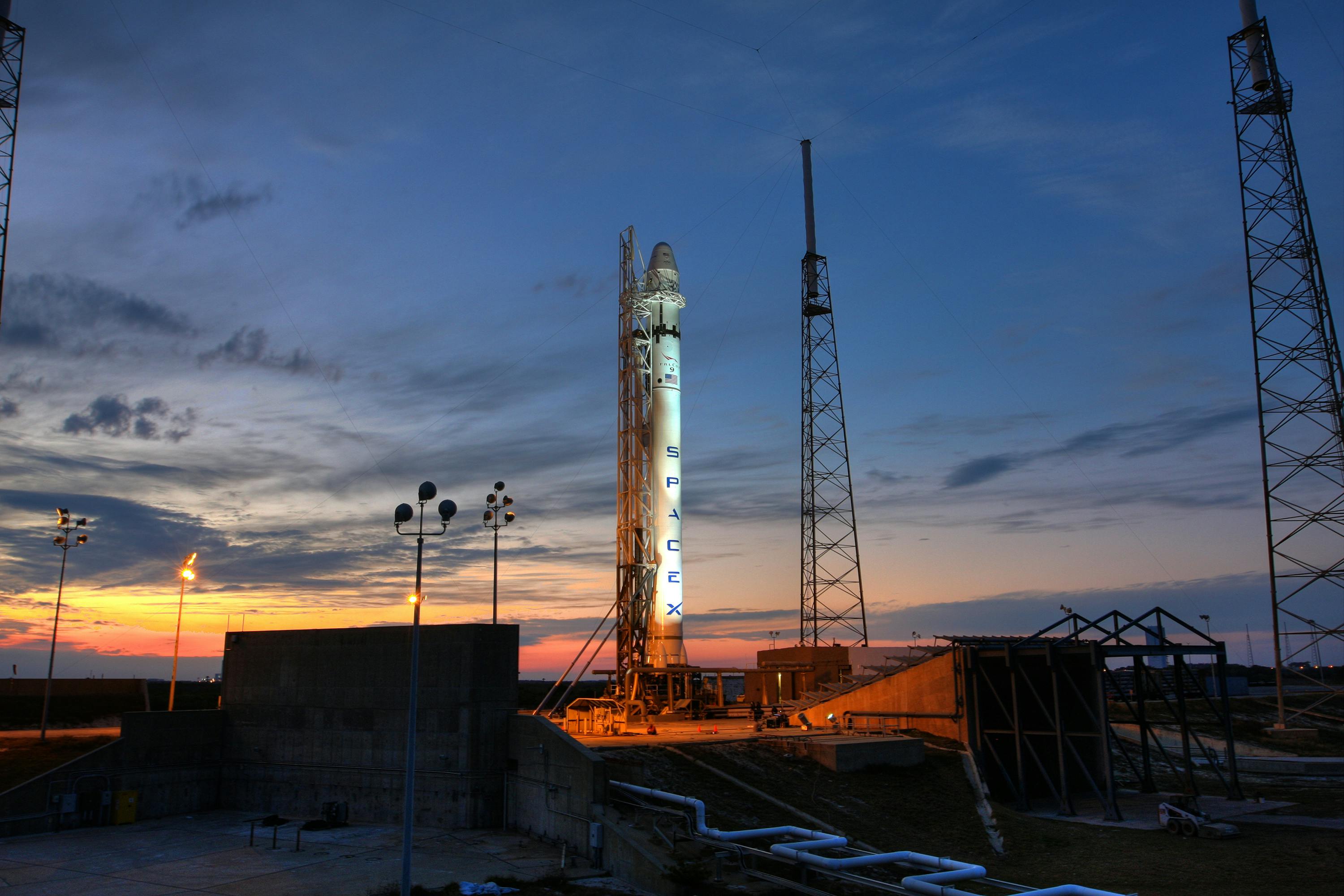
B1067 Flies Record 36th Mission on Starlink 10-42 | KeepTrack X Report
Booster B1067 sets a new Falcon 9 reuse record on its 36th flight, lifting Starlink 10-42 from Cape Canaveral at 5:25 a.m. EDT.


Launch Date
March 31, 1991
Launch Site
Launch Pad
LC200/40
Launch Vehicle
Proton-K
NORAD ID
21213
International Designator
1991-024A
Decay Date
10/17/1992
Name
ALMAZ 1
Alternative Name
Almaz-1
Type
Status
Owner
ZIKH
Country
USSR
Constellation
N/A
Related Satellites
Major Events
N/A
Length
7
Diameter
4.1
Span
15
Dry Mass
18500
Launch Mass
18500
Shape
Step Cyl + 2 Pan
Radar Cross Section
63.51
Visual Magnitude
Unknown
Color
Unknown
Material Composition
Unknown
Payload
Mech-KU No. 305
Purpose
Radar satellite (modified crewed spacecraft)
Mission
Radar satellite (modified crewed spacecraft)
Manufacturer
ZIKH
Life Expectancy
2.5 years (planned); 2 years reached (#1870); 1.5 years reached (#1)
Bus
Almaz
Configuration
OPS Module
Motor
Unknown
Equipment
S-band Synthetic Aperture Radar (SAR) (#all); radiometric scanner system (RMS) (A #1)
Power System
2 deployable solar arrays, batteries
ADCS
Unknown
Transmitter Frequency
Unknown
Learn more about satellites and other related topics.
Booster B1067 sets a new Falcon 9 reuse record on its 36th flight, lifting Starlink 10-42 from Cape Canaveral at 5:25 a.m. EDT.
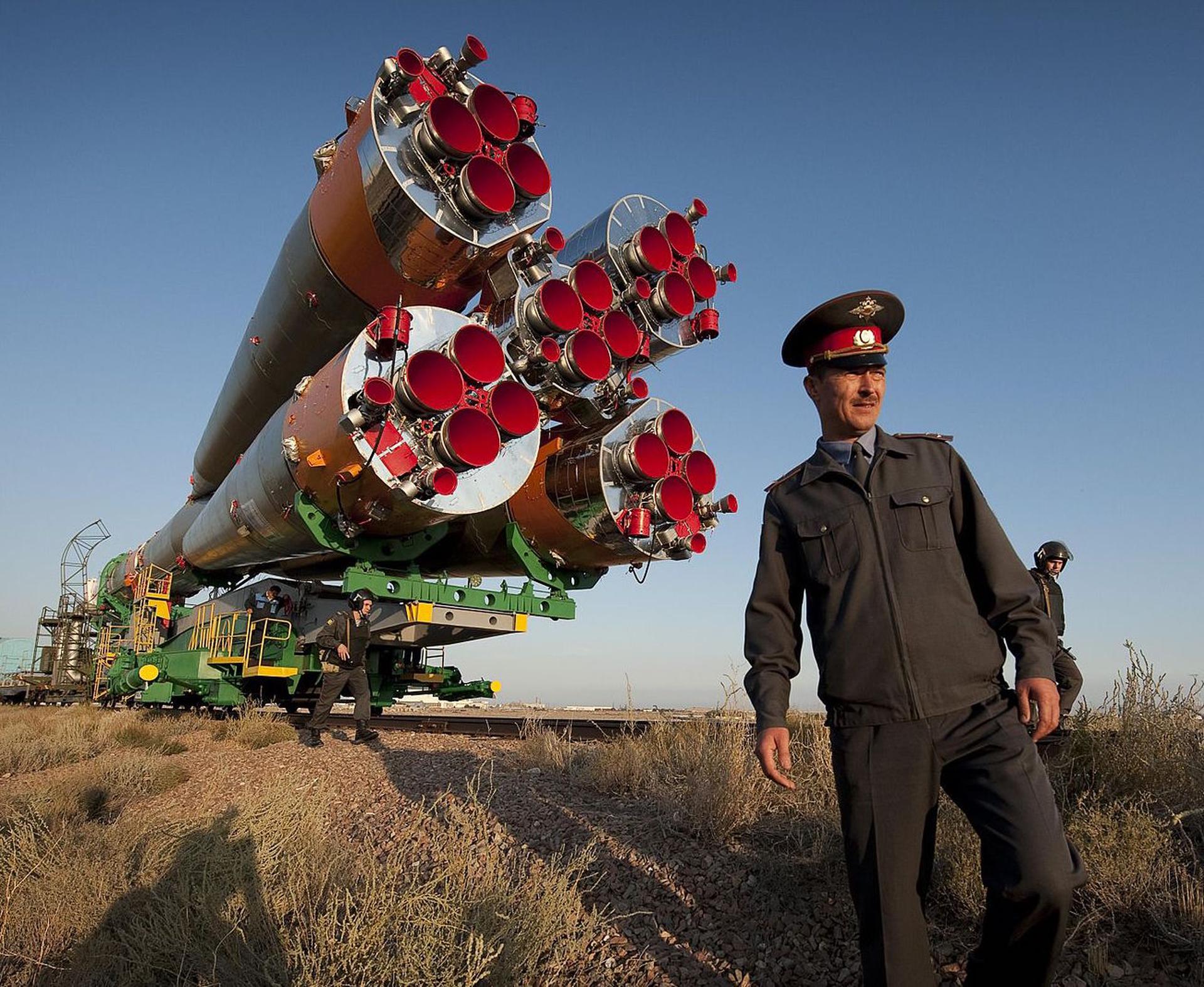
SpaceX achieves a new launch record with its Starlink mission, NASA's Perseverance rover captures eerie Martian winds, and Buzz Aldrin endorses Trump. Plus, discussions around space debris and military space tech agreements.

SpaceX's ongoing challenges with the Starship Flight 10 launch are prominent today, as weather and technical issues continue to push back the schedule. Meanwhile, successful cargo missions to the ISS highlight the company's ongoing commitment to space operations.
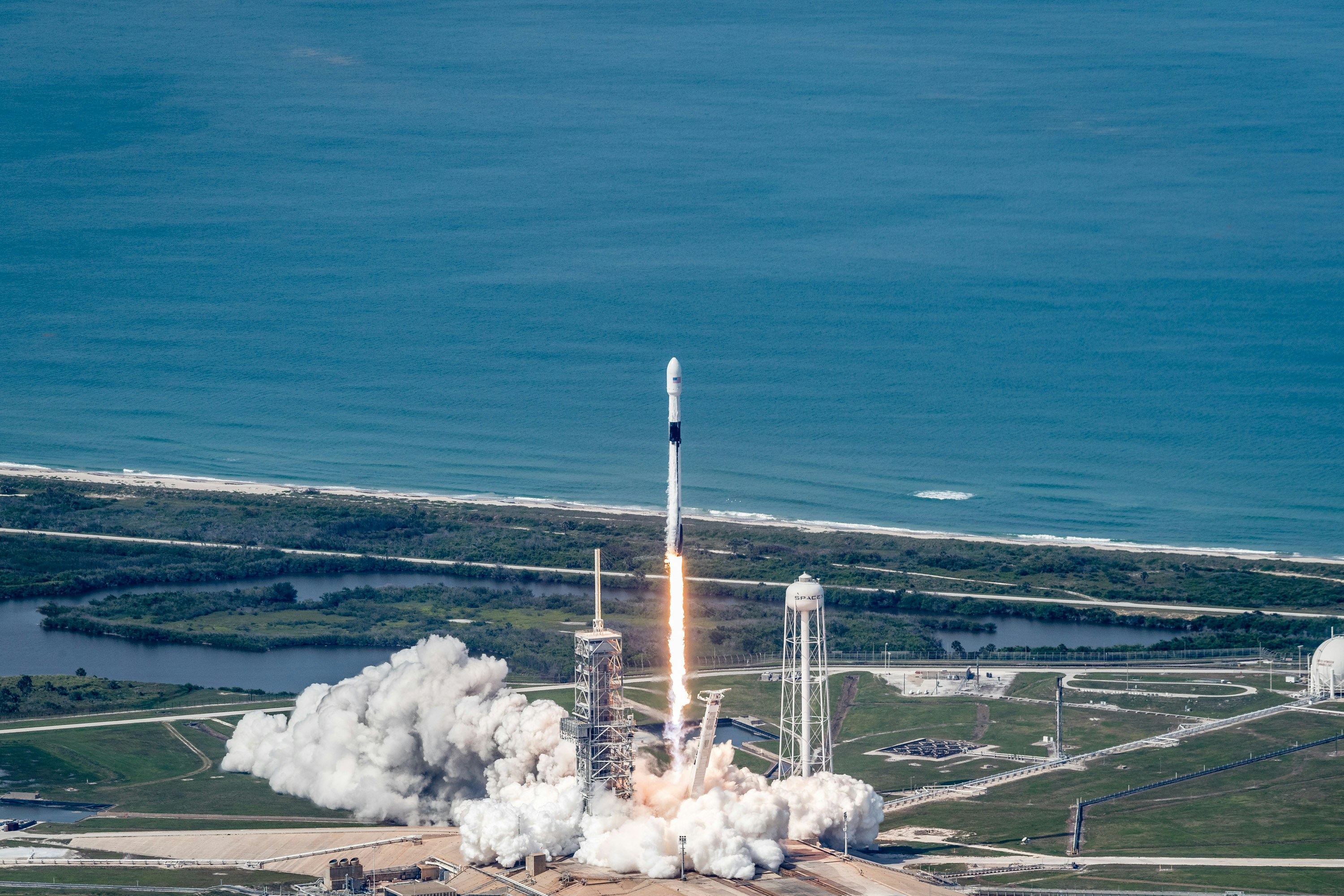
SpaceX continues to make strides in satellite deployment with a successful launch. The European Space Agency's new satellite enhances global atmospheric forecasting, showcasing the expanding role of launches in improving environmental monitoring.

The Kessler Syndrome threatens humanity's future in space as cascading satellite collisions create exponential debris growth. With 36,000+ tracked objects and recent incidents accelerating risks, we face a critical juncture: implement solutions now or potentially lose access to low Earth orbit forever.

Thirty-nine years ago, the loss of Space Shuttle Challenger and its seven crew members forever transformed our approach to spaceflight safety and risk management

Intel joins Terafab, Elon Musk's Austin AI chip complex, to supply SpaceX and Tesla as Falcon 9 prepares a Cygnus ISS run.
Today's Space Brief highlights emerging technologies in space, a contract for U.S. Space Force missions, developments in military operations, and updates on drone advancements.