


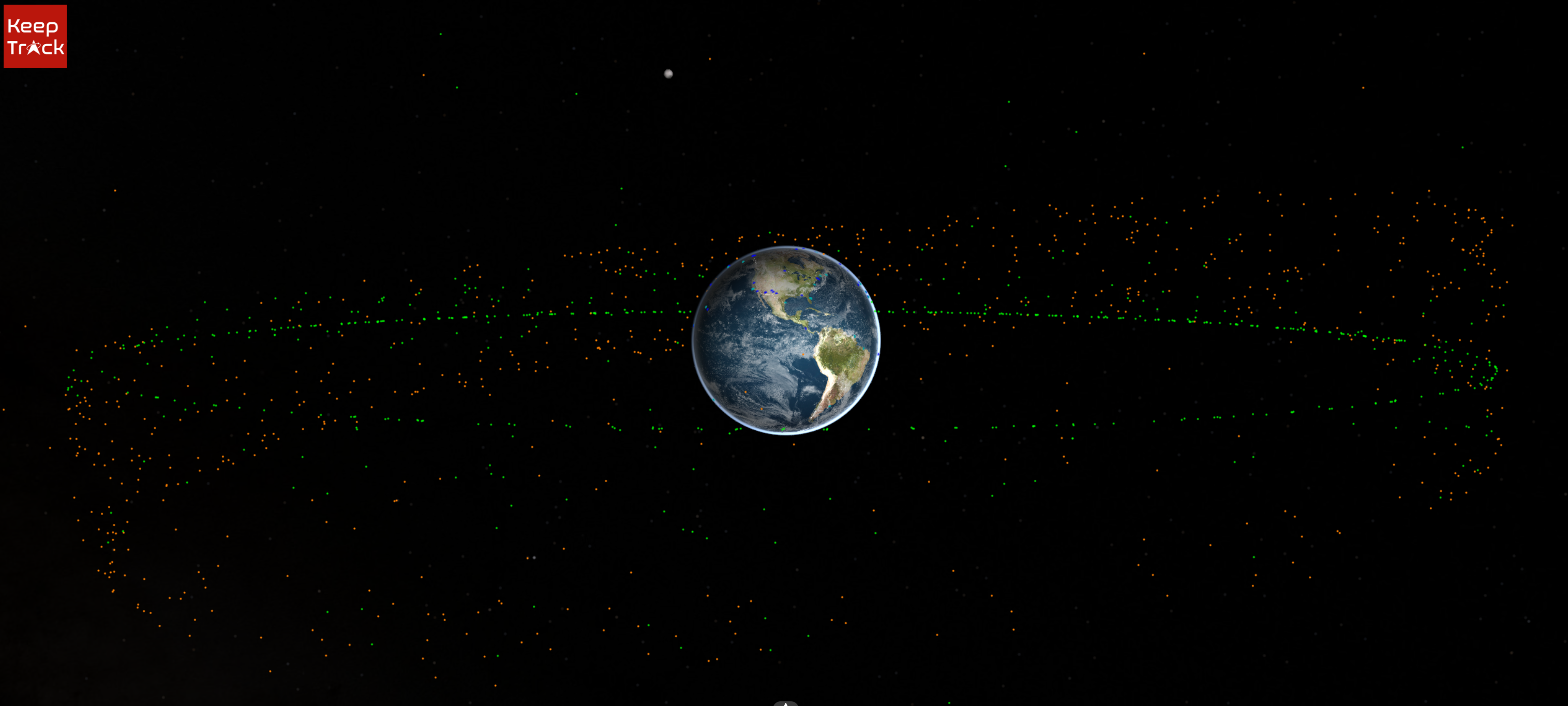
Graveyard Orbit
The final resting place for retired satellites, a disposal orbit where defunct spacecraft are sent to stay out of the way


Launch Date
February 14, 1991
Launch Site
Launch Pad
LC200/39
Launch Vehicle
Proton-K/DM-2
NORAD ID
21111
International Designator
1991-010A
Epoch
Fri, 03 Jul 2026 22:52:02 GMT
Apogee
Calculating...
Perigee
Calculating...
Inclination
13.23°
Right Ascension
342.65°
Eccentricity
Calculating...
Argument of Perigee
197.14°
Period
1436.20 min
Mean Motion
1.00 rev/day
Latitude
Calculating...
Longitude
Calculating...
Altitude
Calculating...
Velocity
Calculating...
Name
COSMOS 2133
Alternative Name
Kosmos-2133
Type
Status
Owner
PVO
Country
USSR
Constellation
N/A
Related Satellites
Major Events
N/A
1 21111U 91010A 26184.95280773 -.00000139 00000-0 00000-0 0 9993
2 21111 13.2330 342.6482 0005003 197.1354 164.4912 1.00264436129619
Source: Celestrak
Length
5
Diameter
2
Span
10
Dry Mass
2100
Launch Mass
2200
Shape
Step Cyl + 2 Pan
Radar Cross Section
13.8214
Visual Magnitude
Unknown
Color
Unknown
Material Composition
Unknown
Payload
Oko-1 No. 7120
Purpose
Early warning
Mission
Early warning
Manufacturer
NPOL/KOMET
Life Expectancy
5-7 years
Bus
Prognoz
Configuration
US-KMO-Bus
Motor
Unknown
Equipment
IR-telescope
Power System
2 deployable solar arrays, batteries
ADCS
Unknown
Transmitter Frequency
Unknown
Learn more about satellites and other related topics.
The final resting place for retired satellites, a disposal orbit where defunct spacecraft are sent to stay out of the way

Today's space brief covers NASA's shift to private companies for astronaut rescue, EU's potential collaboration with SES for satellite services, and notable military contract allocations. Plus, a satellite spotlight on LEMUR-2-KADI.
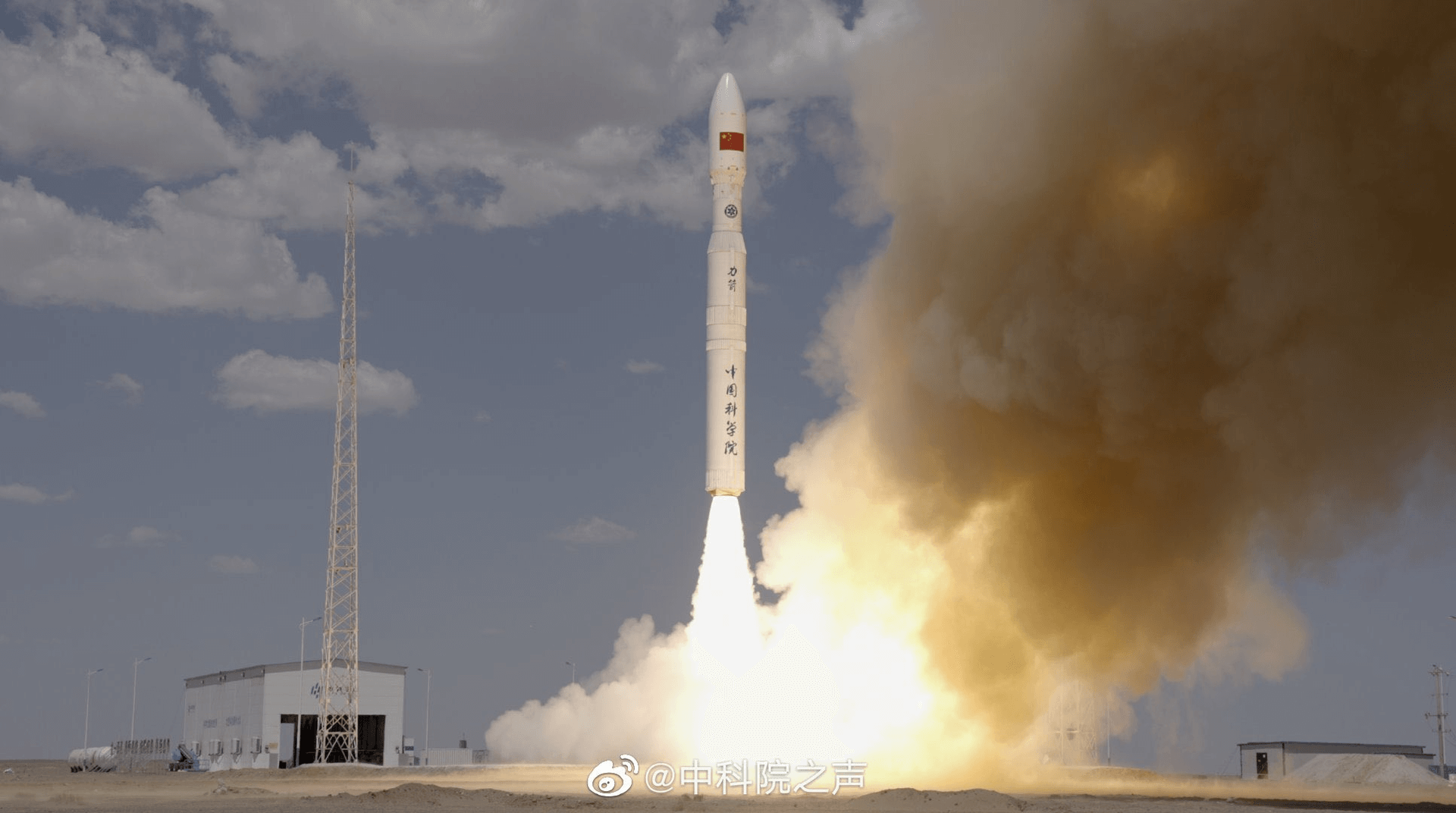
Today's brief highlights a nuclear battery startup's funding boost, advisory board additions in the space sector, and key military updates impacting space operations.

SpaceX celebrates 300 successful booster landings, further solidifying its dominance in reusable rocket technology.
Today's briefing highlights the SDA's significant satellite award, Blue Origin's groundbreaking flight, and NASA's call for an Artemis review.
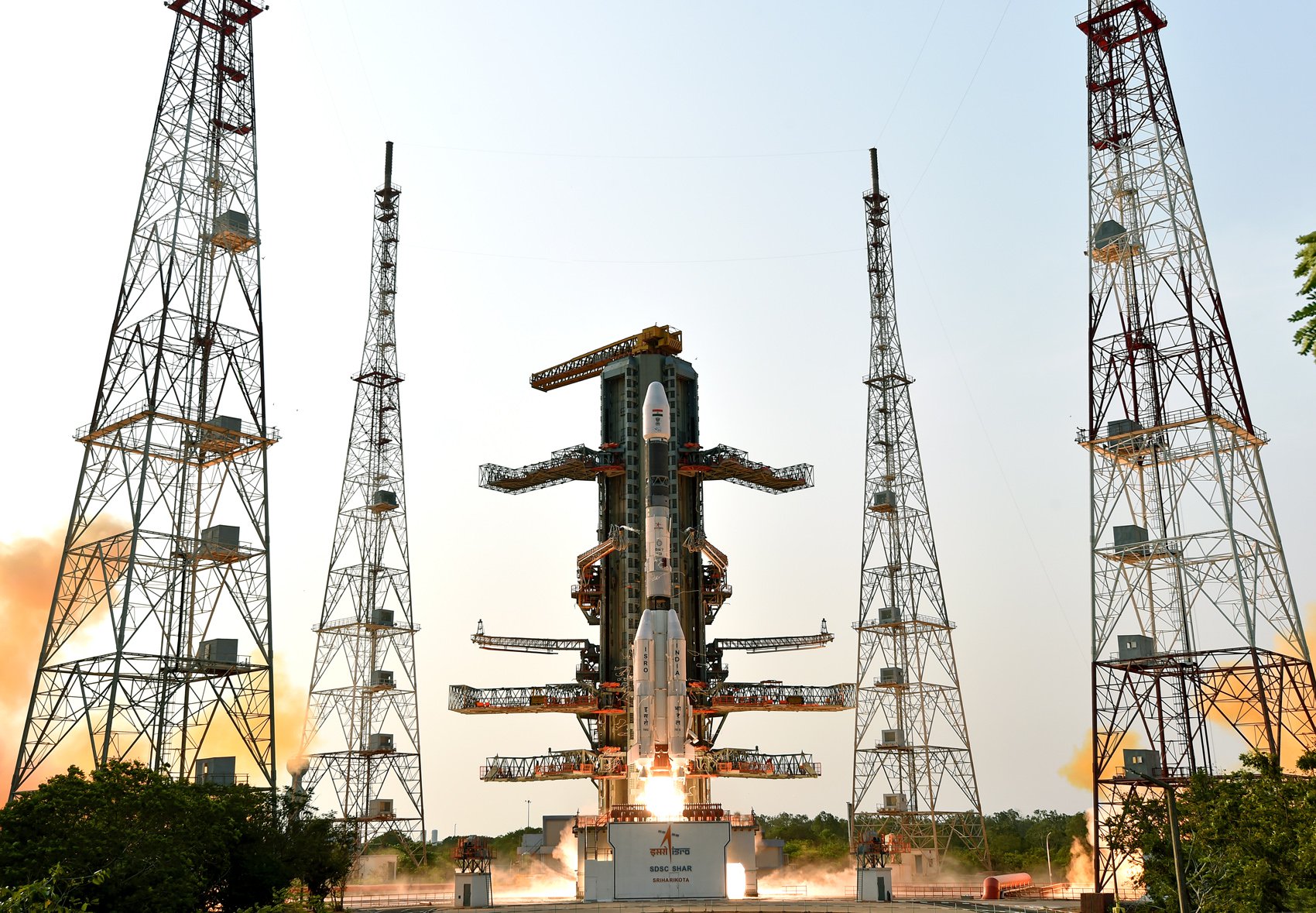
Key developments include China's Shijian 26 satellite launch, U.S. Space Force's BAE Systems contract for missile-tracking satellites, and military advancements in space systems.

STARLINK-34343 broke apart at 560 kilometers. SpaceX's response - launch more satellites the next morning - tells you everything about the confidence gap between fleet statistics and individual failure modes.
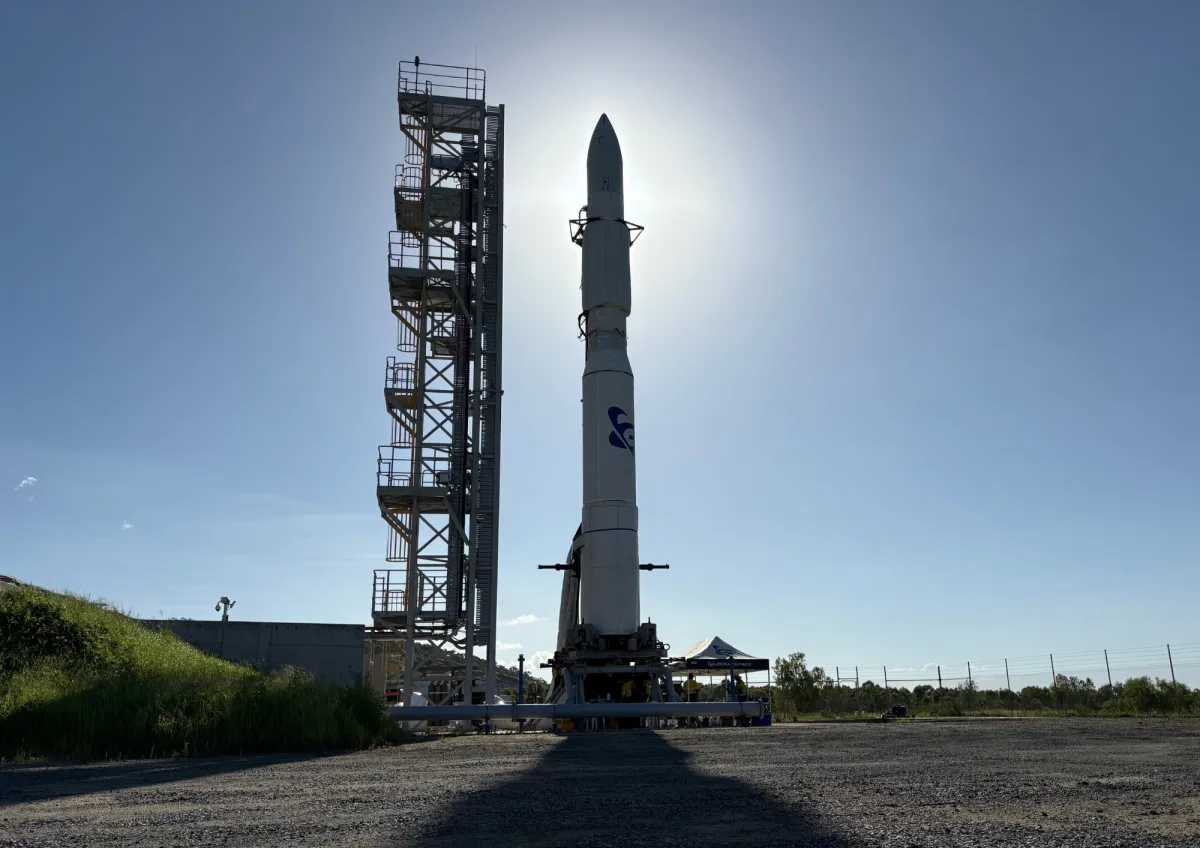
Today's brief covers a Pentagon review of satellite launch options, Kongsberg's completed maritime satellite network, York's new satellite launch, DARPA's project cancellation, and more.