


Space Force Requests $1.6B for New LEO Relay Network | KeepTrack Space Brief
Space Force scraps SDA transport layer, requests $1.6 billion for proliferated LEO SATCOM constellation. Roger Mason nominated to lead NRO.



Launch Date
January 17, 1991
Launch Site
PLMSC
Launch Pad
LC16/2
Launch Vehicle
Soyuz-U-PVB
NORAD ID
21099
International Designator
1991-004G
Decay Date
2/11/1991
Name
COSMOS 2121 DEB
Alternative Name
PTDU cover
Type
Status
Owner
UNKSR
Country
USSR
Constellation
N/A
Related Satellites
Major Events
N/A
Length
0
Diameter
0
Span
0
Dry Mass
0
Launch Mass
0
Shape
N/A
Radar Cross Section
0.25
Visual Magnitude
Unknown
Color
Unknown
Material Composition
Unknown
Payload
KDU part
Purpose
Unknown
Mission
Unknown
Manufacturer
TSSKB
Life Expectancy
Unknown
Bus
Zenit deb
Configuration
Unknown
Motor
Unknown
Equipment
Unknown
Power System
Unknown
ADCS
Unknown
Transmitter Frequency
Unknown
Learn more about satellites and other related topics.
Space Force scraps SDA transport layer, requests $1.6 billion for proliferated LEO SATCOM constellation. Roger Mason nominated to lead NRO.

SpaceX achieved significant milestones with the launch of its 500th Falcon 9 rocket and the deployment of a European weather satellite, showcasing its ongoing impact in space exploration and satellite technology.

Space Force projects ~1,000 launches between FY2027–FY2031, averaging 200 annually. DAF study concludes new launch site is "probably" required to absorb cadence.
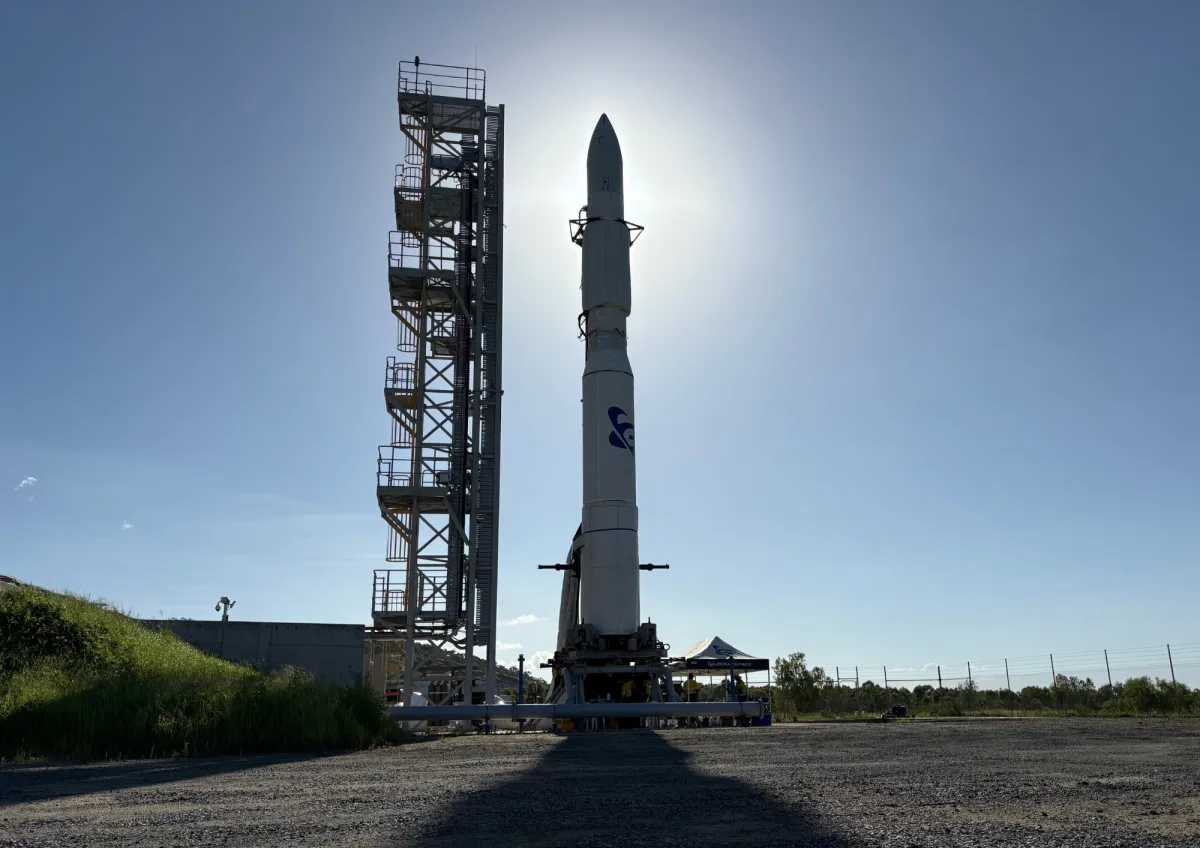
Today's space highlights include significant military contracts for aerospace innovations, advancements in small-satellite procurement, and discussions on the role of nuclear energy in space exploration.

Blue Origin's New Glenn rocket exploded at Cape Canaveral's LC-36, causing visible pad damage and a year-plus grounding. NASA lunar plans affected.

For nearly two decades, the U.S. Air Force and Space Force have been the world's unofficial civilian space traffic control system. The Department of Commerce's Traffic Coordination System for Space (TraCSS) is now taking over that job for commercial satellite operators - in stages, against persistent congressional pressure to kill the program, and with Department of Defense advocates pushing to make it happen before it is too late.
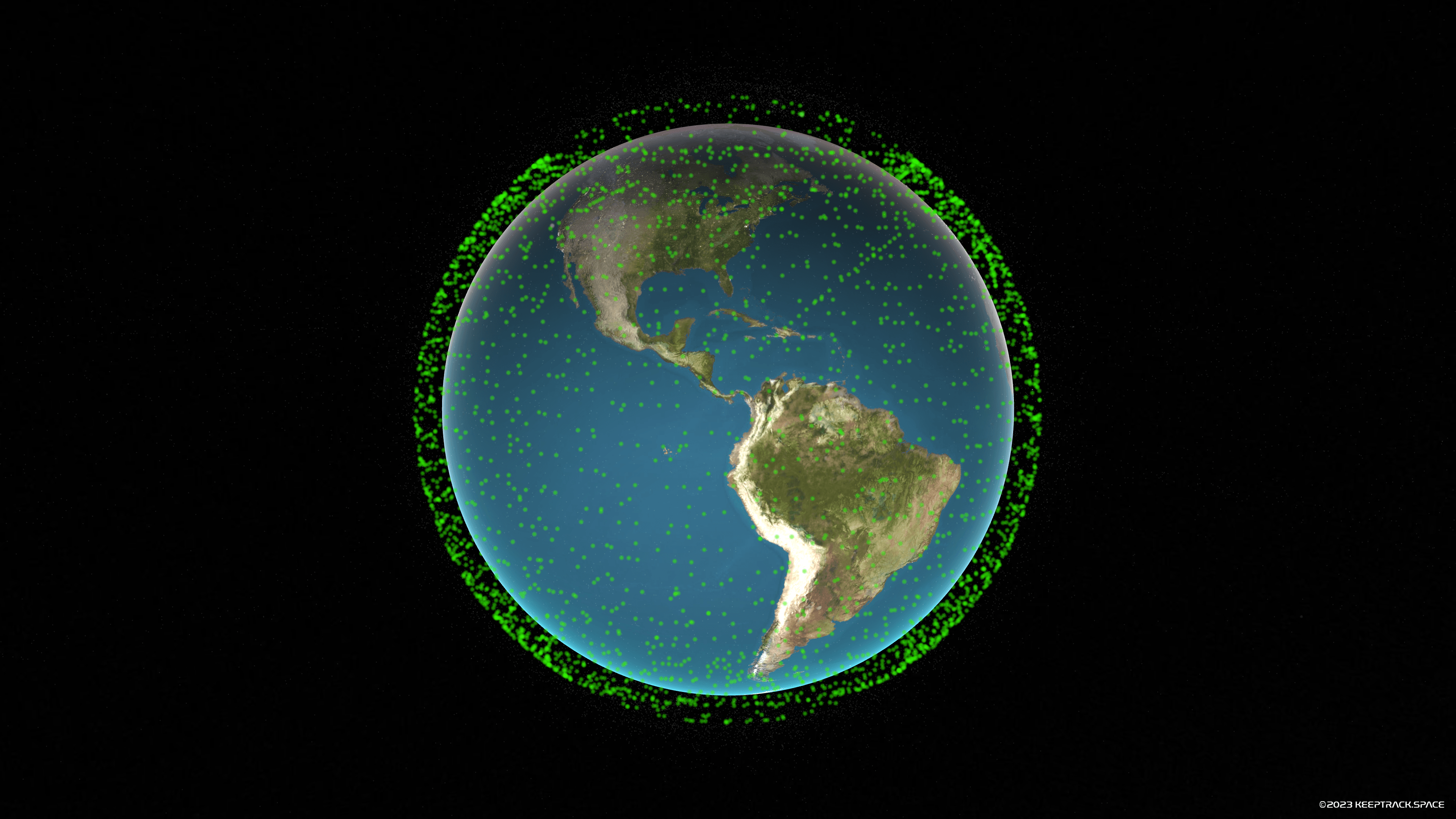
The U.S. Federal Communications Commission reaffirms its decision to deny SpaceX's Starlink unit $885.5 million in rural broadband subsidies, impacting the company's plans for expanding internet access.

Today's recap covers SpaceX's role in record launch numbers, the FCC's spectrum allocation for launches, and the historical portrayal of the Ingenuity helicopter.