MIR DEB (21082)

COSPAR: 1986-017CV | Alt Name: EO-8 EVA-2 debris (Strela)
DECAYED

Image
MIR DEB Satellite Image
Additional Sources
Launch Details

Launch Date

February 19, 1986

Launch Pad

LC1

Launch Vehicle

Soyuz-U

Orbital Elements

NORAD ID

21082

International Designator

1986-017CV

Decay Date

3/18/1991

Basic Satellite Info

Name

MIR DEB

Alternative Name

EO-8 EVA-2 debris (Strela)

Type

Debris

Status

Space Junk

Owner

NPOE

Country

USSR

Constellation

N/A

Related Satellites

Major Events

N/A

Summary
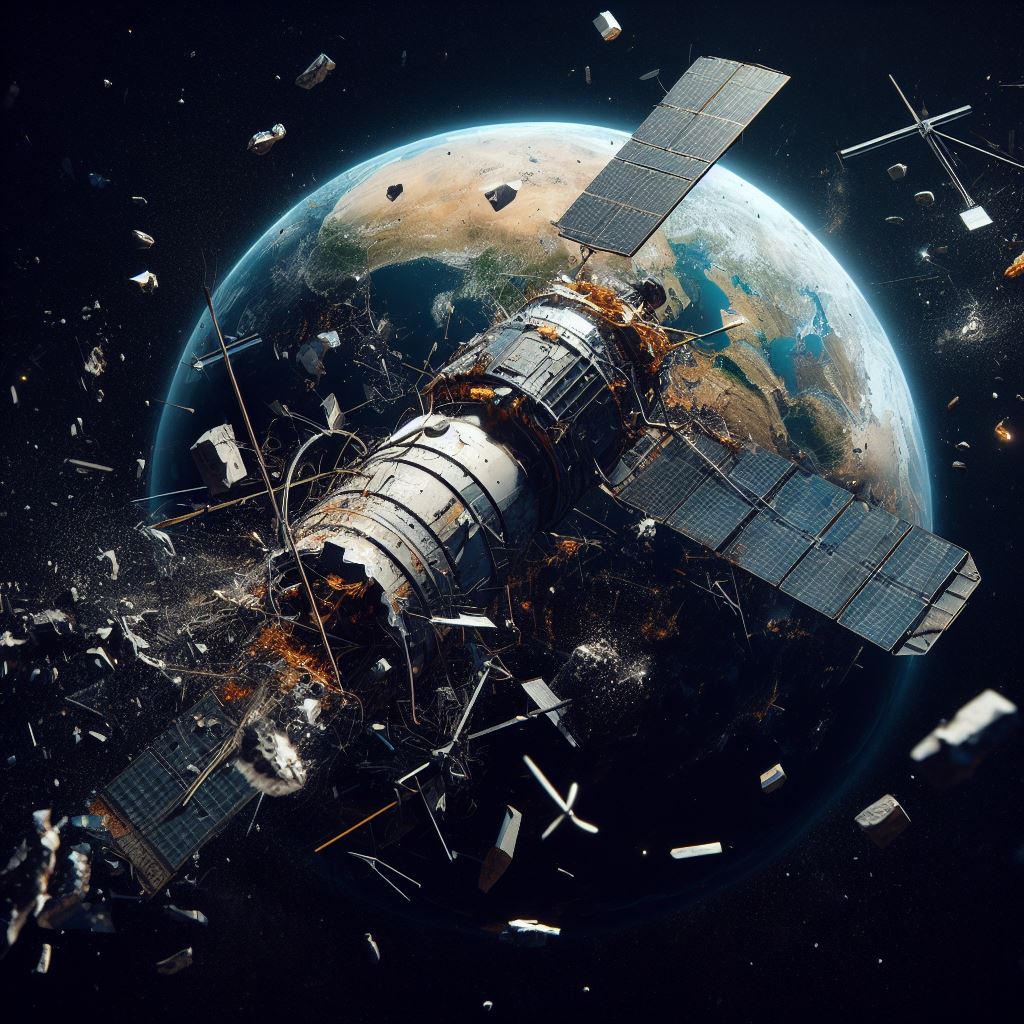
Space debris, also known as space junk, encompasses all non-functional objects orbiting Earth such as defunct satellites, spent rocket stages, and fragments from collisions or disintegrations. Over time, this debris can accumulate and create an increasingly hazardous environment in orbit. Even tiny fragments, traveling at extremely high velocities, can inflict significant damage on operational satellites and spacecraft. If left unmanaged, the density of debris raises the risk of catastrophic collisions and further fragmentation, compounding the problem and threatening the safety and sustainability of space activities.
Physical Characteristics

Length

0

Diameter

0

Span

0

Dry Mass

0

Launch Mass

0

Shape

N/A

Radar Cross Section

0.28

Visual Magnitude

Unknown

Color

Unknown

Material Composition

Unknown

Technical Details

Payload

Unknown

Purpose

Unknown

Mission

Unknown

Manufacturer

Unknown

Life Expectancy

Unknown

Bus

Unknown

Configuration

Unknown

Motor

Unknown

Equipment

Unknown

Power System

Unknown

ADCS

Unknown

Transmitter Frequency

Unknown

Satellite Articles

View All Posts »

Learn more about satellites and other related topics.

Space Brief 25 May 2025

Space Brief 25 May 2025

Today's brief covers crucial developments in satellite technology and operations, including new Starlink launches, groundbreaking satellite data on flood waves, and pivotal changes in South African telecom policy driven by Starlink.

SpaceX Stock Jumps 19% on Nasdaq Debut, X Report 15 Jun 2026

SpaceX Stock Jumps 19% on Nasdaq Debut, X Report 15 Jun 2026

SpaceX stock surged 19% on its Nasdaq debut as Musk targets $1 trillion revenue by 2030. Starlink 17-54 marks the 1,500th satellite launched in 2026.

Why Nobody Can See What Is Happening Near the Moon

Why Nobody Can See What Is Happening Near the Moon

The volume of space between Earth and the Moon is roughly a thousand times larger than the orbit we actually watch, and almost none of it is under surveillance. As the U.S. and China race to build lunar outposts, the Space Force is scrambling to put eyes on a region it has been effectively blind to.

Starlink Airs First Super Bowl Ad, Artemis II Nears Launch | KeepTrack Space Brief

Starlink Airs First Super Bowl Ad, Artemis II Nears Launch | KeepTrack Space Brief

SpaceX debuts Starlink's first-ever Super Bowl ad to millions of viewers. Artemis II reaches Kennedy launch pad for first crewed lunar flyby since Apollo era.

The Day Humanity Got Its First Close-up of the Future Apollo Landing Site

The Day Humanity Got Its First Close-up of the Future Apollo Landing Site

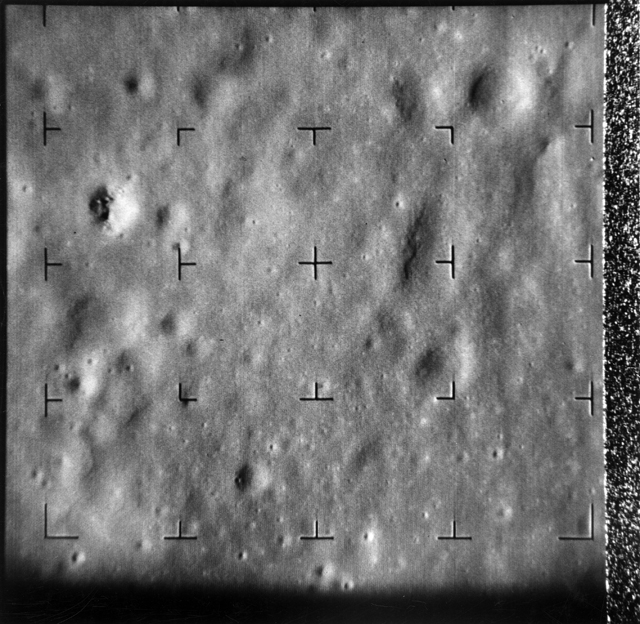
Sixty years ago, a pioneering spacecraft called Ranger 8 captured thousands of detailed photographs of the lunar surface before intentionally crashing into the Moon, helping pave the way for humanity's first steps on another world

Falcon 9 Booster B1067 Flies Record 35th Time | KeepTrack X Report

Falcon 9 Booster B1067 Flies Record 35th Time | KeepTrack X Report

Booster B1067 set a Falcon 9 reuse record on its 35th flight, lofting 29 Starlink satellites as SpaceX eyes three more launches this week.

SpaceX Eyes $60B Cursor AI Acquisition Ahead of IPO | KeepTrack X Report

SpaceX Eyes $60B Cursor AI Acquisition Ahead of IPO | KeepTrack X Report

SpaceX secured a $60B option to acquire Cursor AI while launching its 40th Falcon 9 mission of 2026, deploying 24 more Starlink satellites from Vandenberg.

The Day That Changed Spaceflight Forever

The Day That Changed Spaceflight Forever

Thirty-nine years ago, the loss of Space Shuttle Challenger and its seven crew members forever transformed our approach to spaceflight safety and risk management