


X Report 4 Aug 2025
SpaceX achieves significant milestones with the launch of 28 Starlink satellites and the final landing of the LZ-1 pad, marking key moments in their ongoing mission to expand satellite connectivity.


Launch Date
March 16, 1966
Launch Site
Launch Pad
Unknown
Launch Vehicle
Unknown
NORAD ID
02106
International Designator
N/A
Decay Date
3/17/1966
Name
TITAN 2 R/B
Alternative Name
Titan GLV-8 Stage 2
Type
Status
Owner
AFSSD/MSC
Country
United States
Constellation
N/A
Related Satellites
Major Events
N/A
Length
6
Diameter
3
Span
3
Dry Mass
2710
Launch Mass
2710
Shape
Cyl
Radar Cross Section
Unknown
Visual Magnitude
Unknown
Color
Unknown
Material Composition
Unknown
Payload
LR91AJ5 GT-8 65-12563
Purpose
Unknown
Mission
Unknown
Manufacturer
MM
Life Expectancy
Unknown
Bus
Titan Stage 2
Configuration
Unknown
Motor
Unknown
Equipment
Unknown
Power System
Unknown
ADCS
Unknown
Transmitter Frequency
Unknown
Learn more about satellites and other related topics.
SpaceX achieves significant milestones with the launch of 28 Starlink satellites and the final landing of the LZ-1 pad, marking key moments in their ongoing mission to expand satellite connectivity.
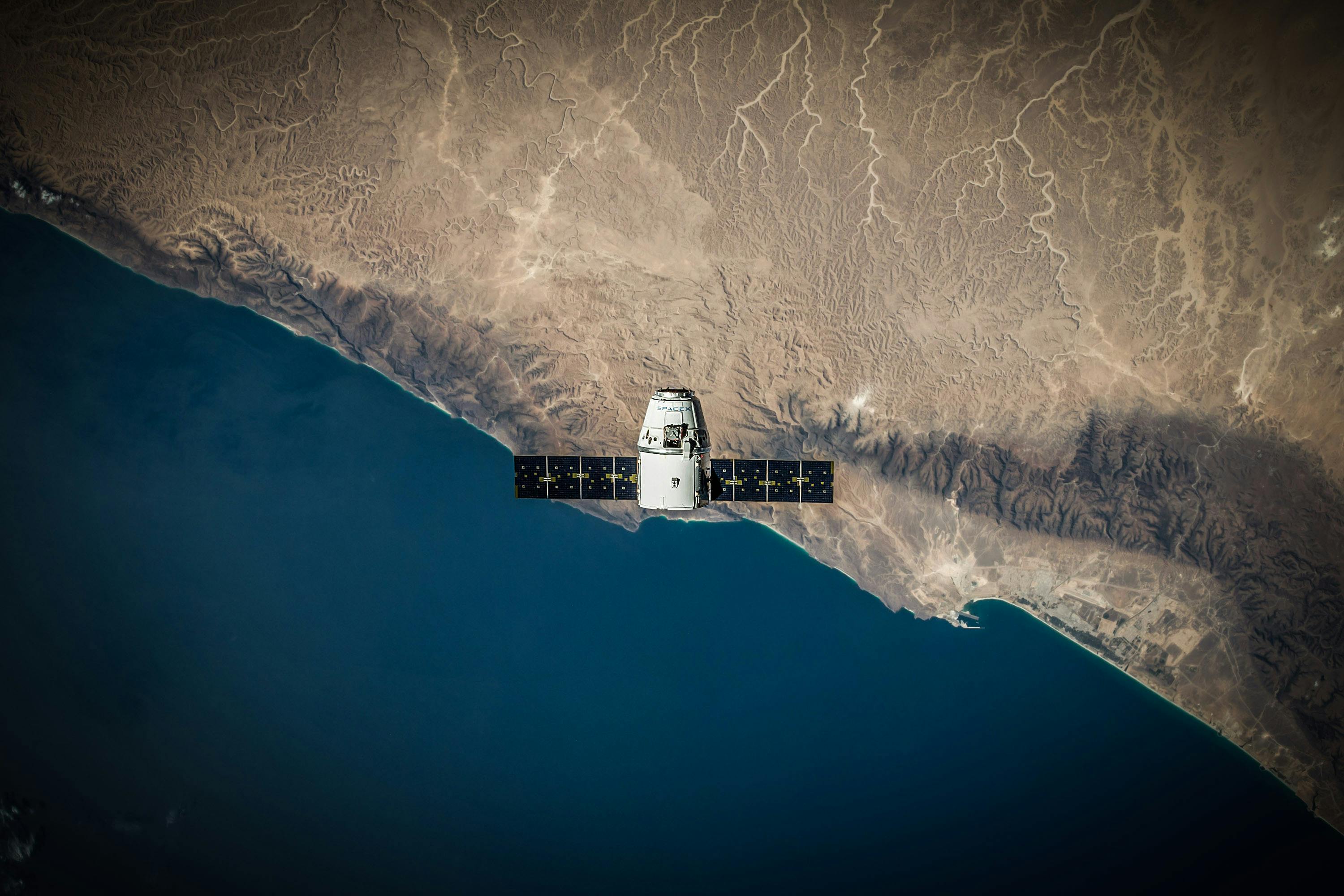
Falcon 9 returns to flight with Starlink 17-33 mission after brief stand-down. Crew-12 astronaut launch confirmed for Feb 11. SpaceX shifts Dragon launches away from pad 39A.
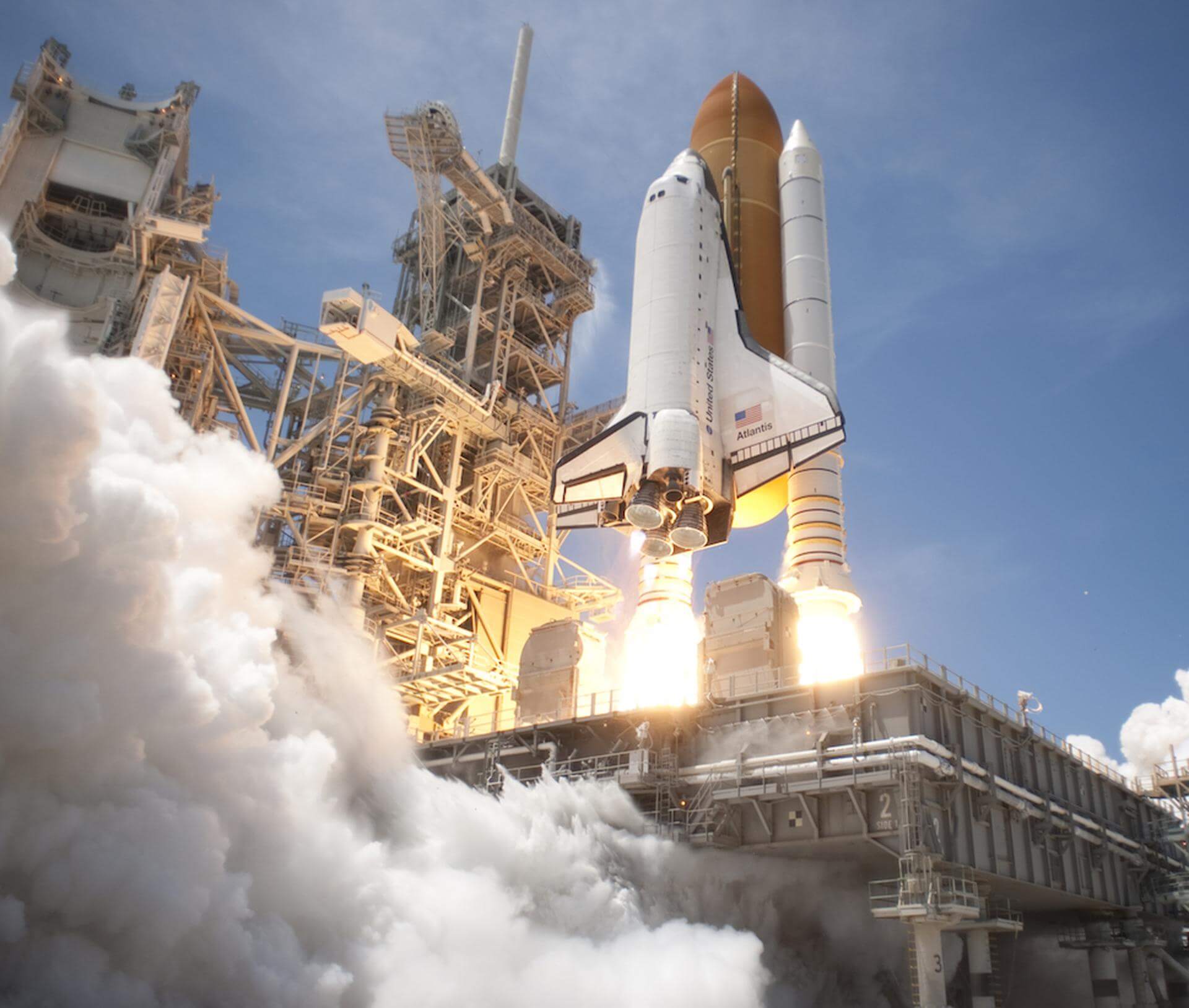
Blue Origin's New Glenn suffered catastrophic anomaly during static fire test at LC-36. Amazon LEO satellites pulled; NASA lunar missions now in question.
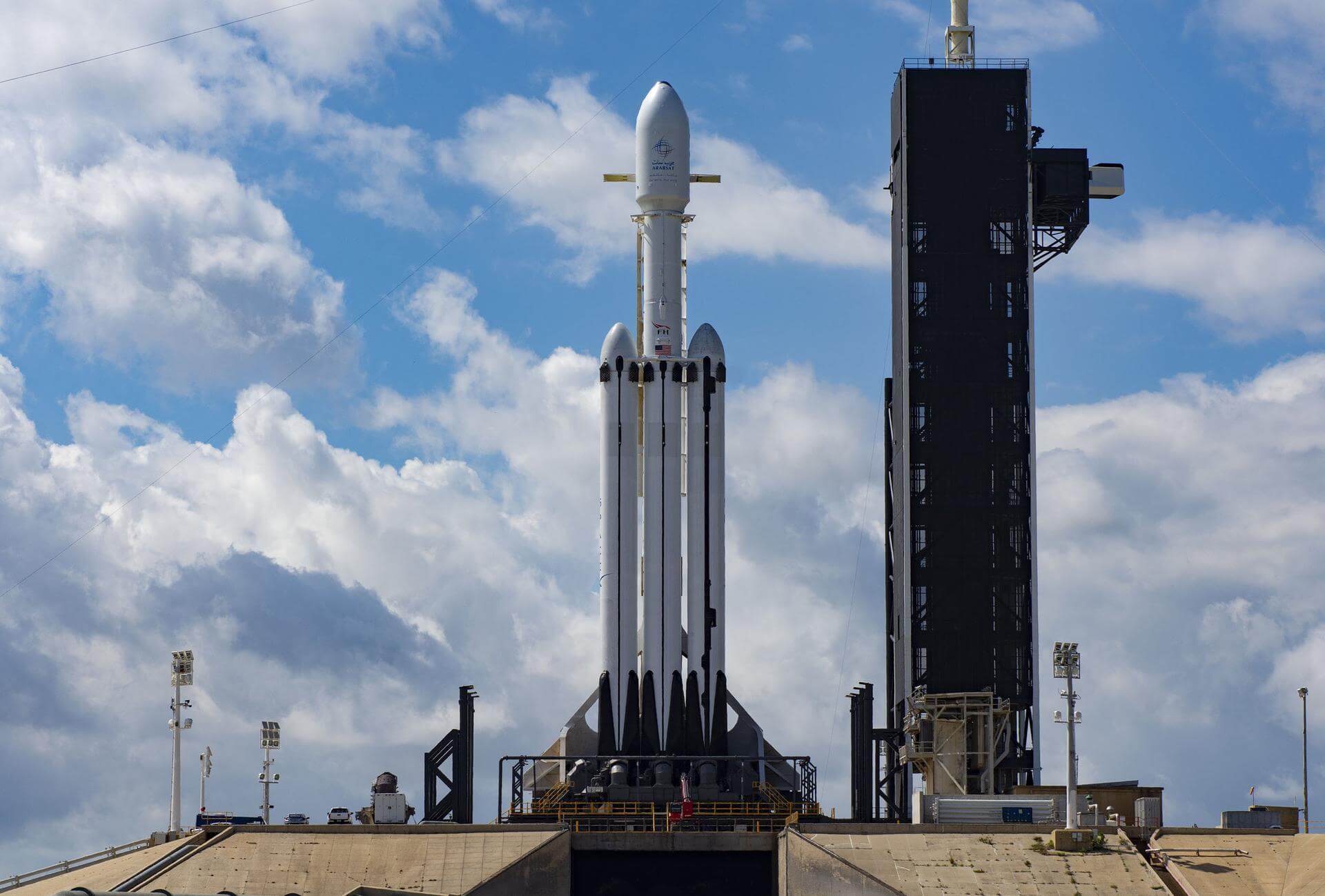
Pentagon requests $8 billion for space-based moving target tracking constellation in FY2027 budget. New NORAD IDs expected as Space Force expands orbital ISR capabilities.
U.S. Space Force increased Andromeda contract ceiling to $6.2 billion for next-generation space situational awareness satellites replacing GSSAP and SILENTBARKER programs.
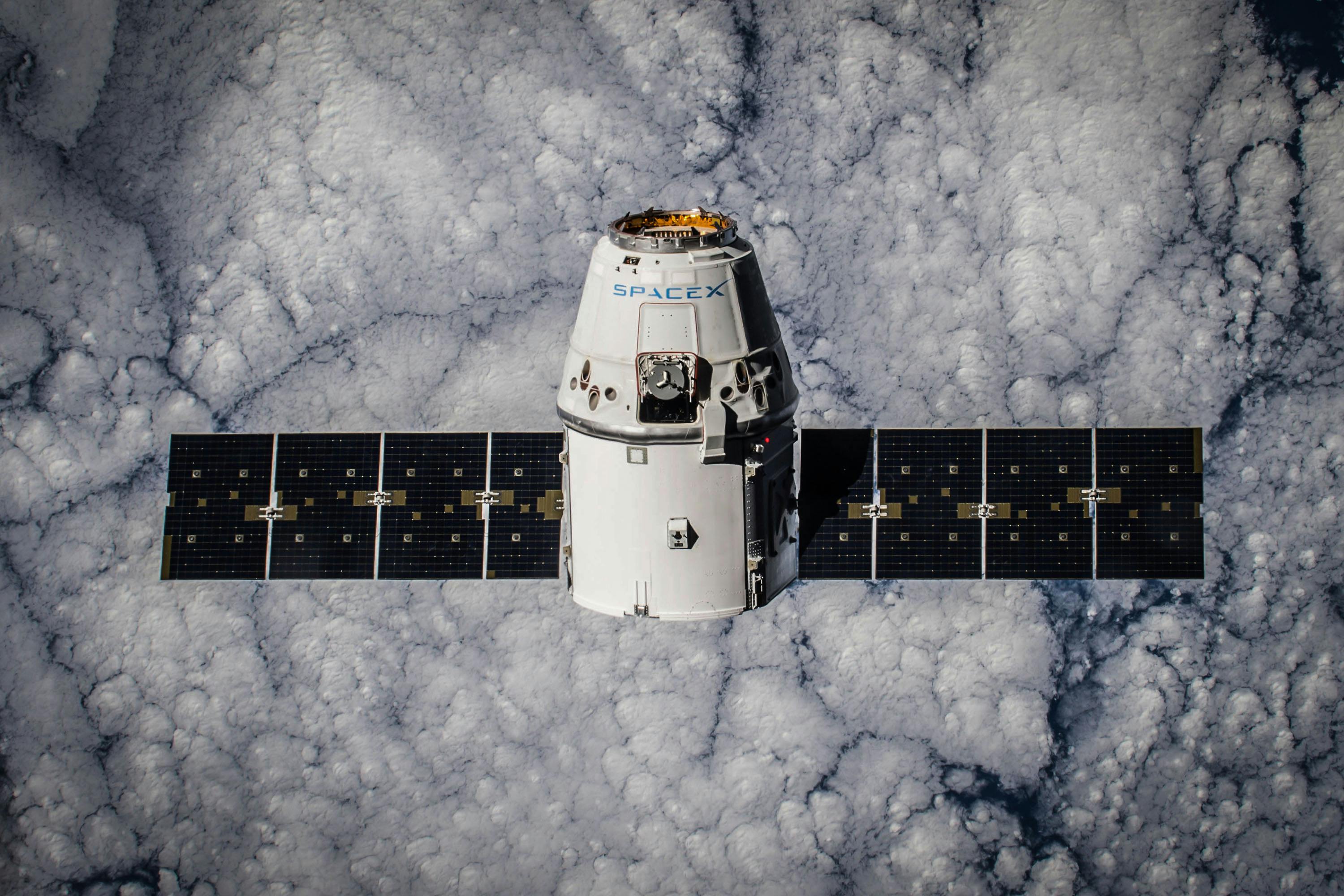
SpaceX makes strides with new GPS and Starlink launches while securing major U.S. government contracts.

AST SpaceMobile's BlueBird constellation is a bet that raw aperture size wins. Each satellite unfolds a 64-square-meter phased-array antenna in orbit, the largest commercial antenna ever deployed. The company claims a stock smartphone on the ground can connect directly to it. The competition says the physics doesn't support that. Seventeen satellites in and a contract with AT&T, Verizon, and Vodafone, somebody's math is wrong.
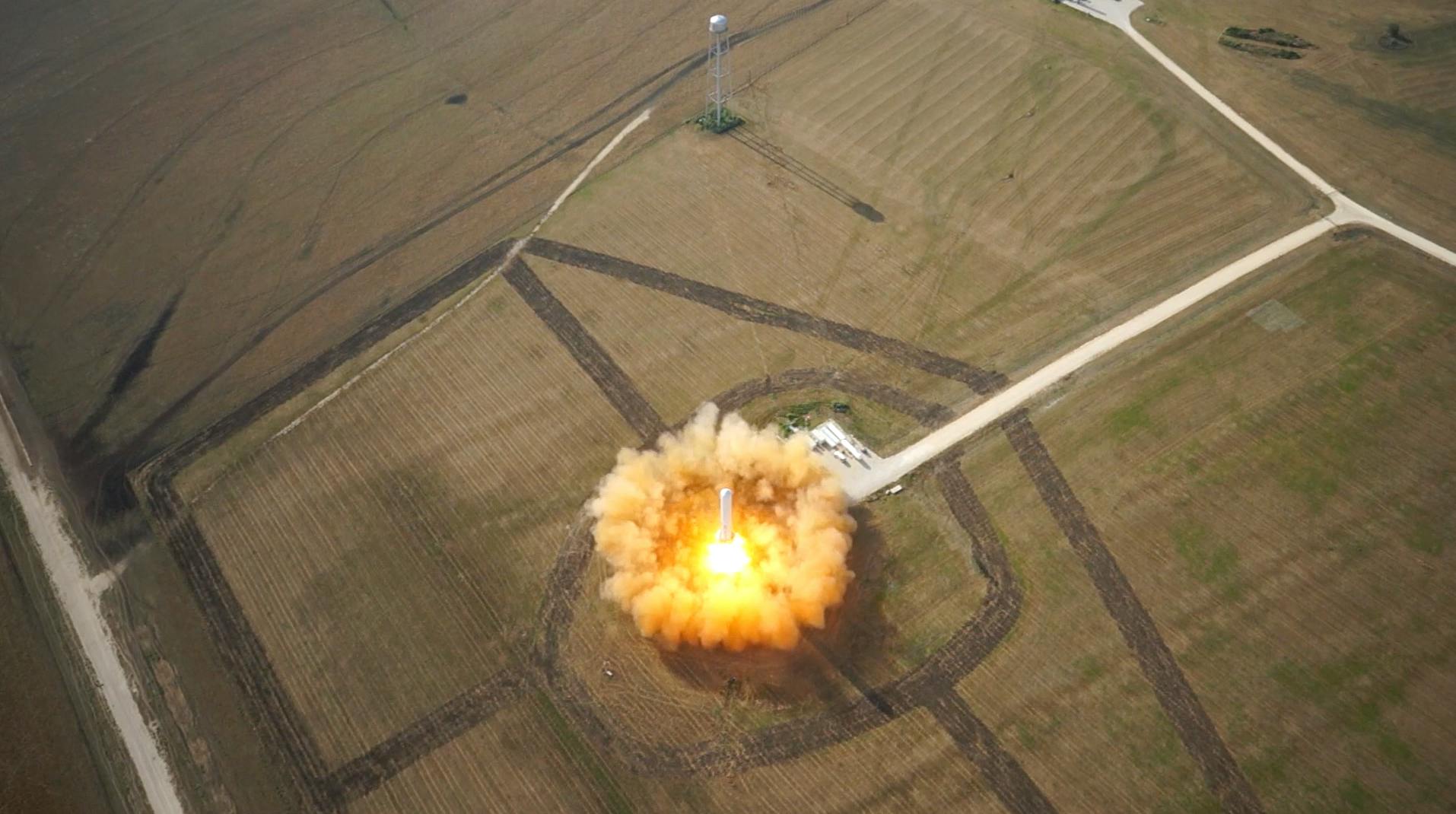
SpaceX sets a new rocket-reuse record and prepares for upcoming launches, maintaining the momentum in Starlink satellite deployments.