MIR DEB (21050)

COSPAR: 1986-017CT | Alt Name: EO-8 EVA-1 debris
DECAYED

Image
MIR DEB Satellite Image
Additional Sources
Launch Details

Launch Date

February 19, 1986

Launch Pad

LC1

Launch Vehicle

Soyuz-U

Orbital Elements

NORAD ID

21050

International Designator

1986-017CT

Decay Date

2/4/1991

Basic Satellite Info

Name

MIR DEB

Alternative Name

EO-8 EVA-1 debris

Type

Debris

Status

Space Junk

Owner

NPOE

Country

USSR

Constellation

N/A

Related Satellites

Major Events

N/A

Summary
Space debris, also known as space junk, encompasses all non-functional objects orbiting Earth such as defunct satellites, spent rocket stages, and fragments from collisions or disintegrations. Over time, this debris can accumulate and create an increasingly hazardous environment in orbit. Even tiny fragments, traveling at extremely high velocities, can inflict significant damage on operational satellites and spacecraft. If left unmanaged, the density of debris raises the risk of catastrophic collisions and further fragmentation, compounding the problem and threatening the safety and sustainability of space activities.
Physical Characteristics

Length

0

Diameter

0

Span

0

Dry Mass

0

Launch Mass

0

Shape

N/A

Radar Cross Section

0.13

Visual Magnitude

Unknown

Color

Unknown

Material Composition

Unknown

Technical Details

Payload

Unknown

Purpose

Unknown

Mission

Unknown

Manufacturer

Unknown

Life Expectancy

Unknown

Bus

Unknown

Configuration

Unknown

Motor

Unknown

Equipment

Unknown

Power System

Unknown

ADCS

Unknown

Transmitter Frequency

Unknown

Satellite Articles

View All Posts »

Learn more about satellites and other related topics.

The Day the Soviets Built a World in Orbit

The Day the Soviets Built a World in Orbit

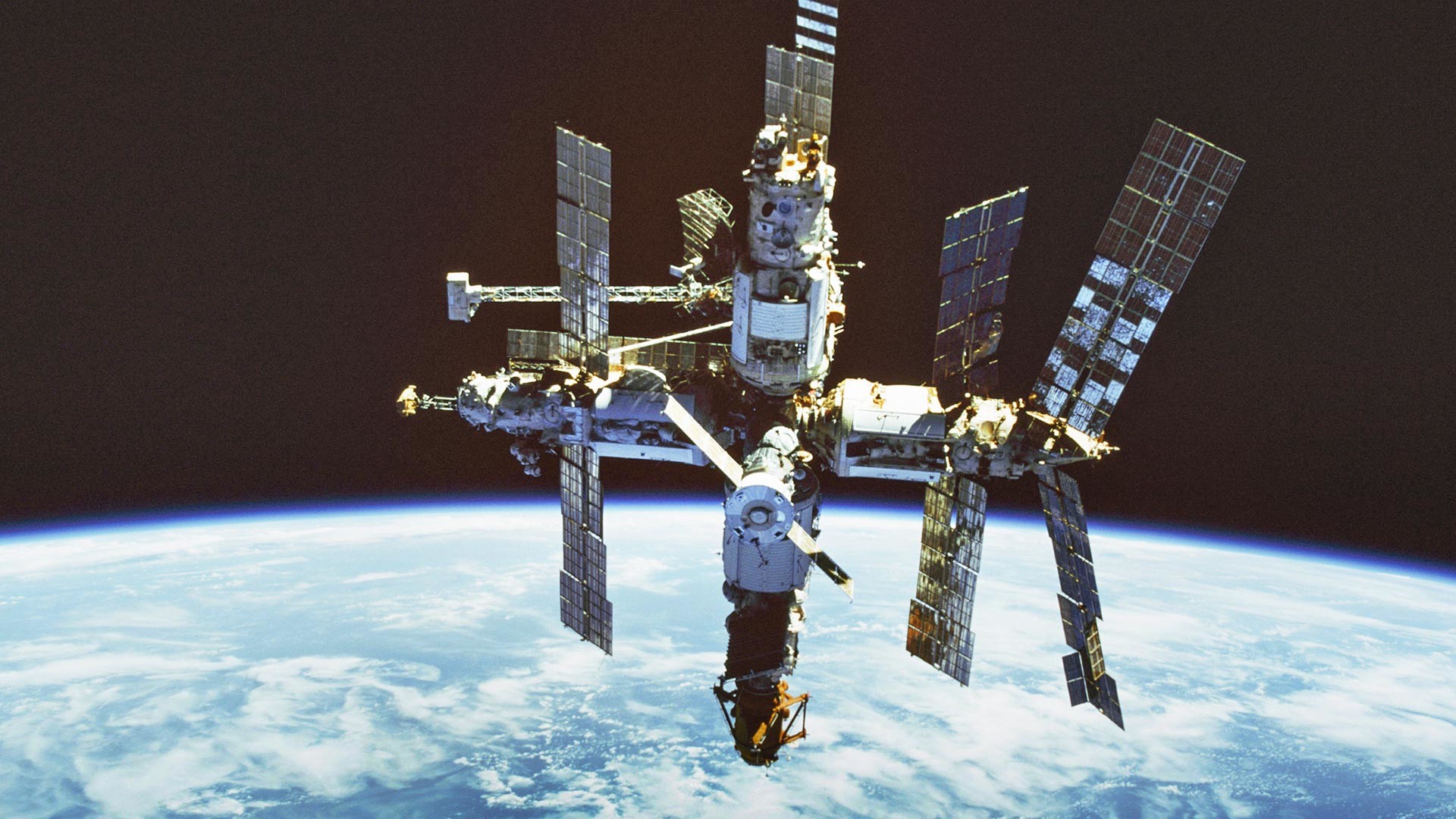
Forty years ago today, the USSR launched a 20-ton aluminum cylinder into low Earth orbit and called it 'Peace.' Over the next 15 years, Mir would host 104 people from 12 countries, survive a fire and a collision, and quietly teach humanity how to live in space.

Falcon 9 B1067 Targets 36th Flight Record on Starlink 10-42 | KeepTrack Space Brief

Falcon 9 B1067 Targets 36th Flight Record on Starlink 10-42 | KeepTrack Space Brief

SpaceX Falcon 9 booster B1067 set for 36th flight Thursday with Starlink 10-42 mission from Cape Canaveral. Long March 10B debuts Friday in China.

X Report 21 Dec 2024

X Report 21 Dec 2024

SpaceX prepares for Bandwagon-2 rideshare mission launch, while FAA updates license for Starship's next flight; Crew Dragon mission faces delays.

Space Force Gets $26B in Defense Bill, Golden Dome Initiative Funded | KeepTrack Space Brief

Space Force Gets $26B in Defense Bill, Golden Dome Initiative Funded | KeepTrack Space Brief

Space Force allocated $26B in 2026 defense appropriations backing Golden Dome initiative. FY26 defense bill adds $8B but sidelines $28B munitions request. First Qatari-Emirati joint defense venture formed.

All 33 Raptor V3 Engines Ignite in Super Heavy Static Fire | KeepTrack X Report

All 33 Raptor V3 Engines Ignite in Super Heavy Static Fire | KeepTrack X Report

SpaceX ignited all 33 next-gen Raptor V3 engines on the Super Heavy booster at Starbase, Texas, marking a critical milestone toward the next Starship flight.

Vulcan Booster Anomaly Under Scrutiny After USSF-87 Launch | KeepTrack Space Brief

Vulcan Booster Anomaly Under Scrutiny After USSF-87 Launch | KeepTrack Space Brief

ULA Vulcan faces scrutiny after solid booster anomaly on USSF-87 mission. ThinKom wins portable satellite ground station contract. Space Force starts Project Hecate for GPS past 2040.

Space Force Buys Second Otter Spacecraft for On-Orbit Servicing | KeepTrack Space Brief

Space Force Buys Second Otter Spacecraft for On-Orbit Servicing | KeepTrack Space Brief

Space Force procures second Otter spacecraft for satellite repositioning. Momentus and NASA sign Space Act Agreement for orbital servicing tests. Pentagon delays contractor review.

The Day South Korea Achieved Independent Space Launch Capability

The Day South Korea Achieved Independent Space Launch Capability

Twelve years ago, South Korea successfully launched a satellite using its own launch vehicle and facilities for the first time, marking a crucial milestone in its journey to space independence