


Falcon Heavy Returns After 18-Month Hiatus | KeepTrack X Report
SpaceX's Falcon Heavy flew for the first time in 18 months on April 29, while Starlink hit 51 Falcon 9 launches in 2026 with 10,280 satellites working.


Launch Date
December 27, 1990
Launch Site
Launch Pad
LC200/39
Launch Vehicle
Proton-K/DM-2
NORAD ID
21041
International Designator
1990-116D
Epoch
Fri, 03 Jul 2026 22:52:02 GMT
Apogee
Calculating...
Perigee
Calculating...
Inclination
13.91°
Right Ascension
341.08°
Eccentricity
Calculating...
Argument of Perigee
99.66°
Period
1470.27 min
Mean Motion
0.98 rev/day
Latitude
Calculating...
Longitude
Calculating...
Altitude
Calculating...
Velocity
Calculating...
Name
SL-12 R/B(2)
Alternative Name
Blok DM-2 No. 46L
Type
Status
Owner
RVSN
Country
USSR
Constellation
N/A
Related Satellites
Major Events
N/A
1 21041U 90116D 26184.95280773 -.00000025 00000-0 00000-0 0 9995
2 21041 13.9056 341.0767 0031783 99.6609 264.4773 0.97941488126599
Source: Celestrak
Length
6.3
Diameter
3.7
Span
6.3
Dry Mass
2440
Launch Mass
17490
Shape
Cyl
Radar Cross Section
2.5355
Visual Magnitude
Unknown
Color
Unknown
Material Composition
Unknown
Payload
11S861 No. 46L
Purpose
Unknown
Mission
Unknown
Manufacturer
NPOE
Life Expectancy
Unknown
Bus
Blok DM
Configuration
Unknown
Motor
Unknown
Equipment
Unknown
Power System
Unknown
ADCS
Unknown
Transmitter Frequency
Unknown
Learn more about satellites and other related topics.
SpaceX's Falcon Heavy flew for the first time in 18 months on April 29, while Starlink hit 51 Falcon 9 launches in 2026 with 10,280 satellites working.
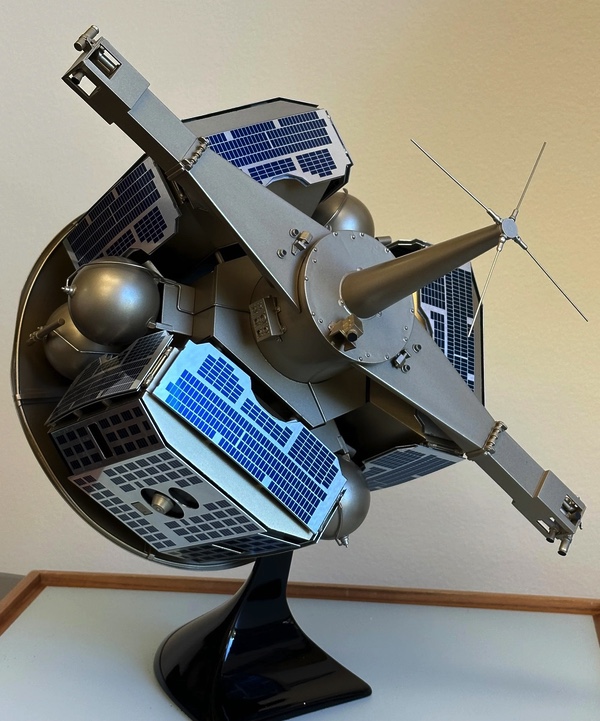
Forty-two years ago, an Atlas H rocket climbed into the California sky carrying four objects that would help the U.S. Navy track every Soviet warship on the planet - a mission so secret that even the satellites' true name wasn't declassified until 2023

Space Force selects 14 companies for $1.8 billion Andromeda program to replace GSSAP geosynchronous surveillance satellites with commercial alternatives through 2036.
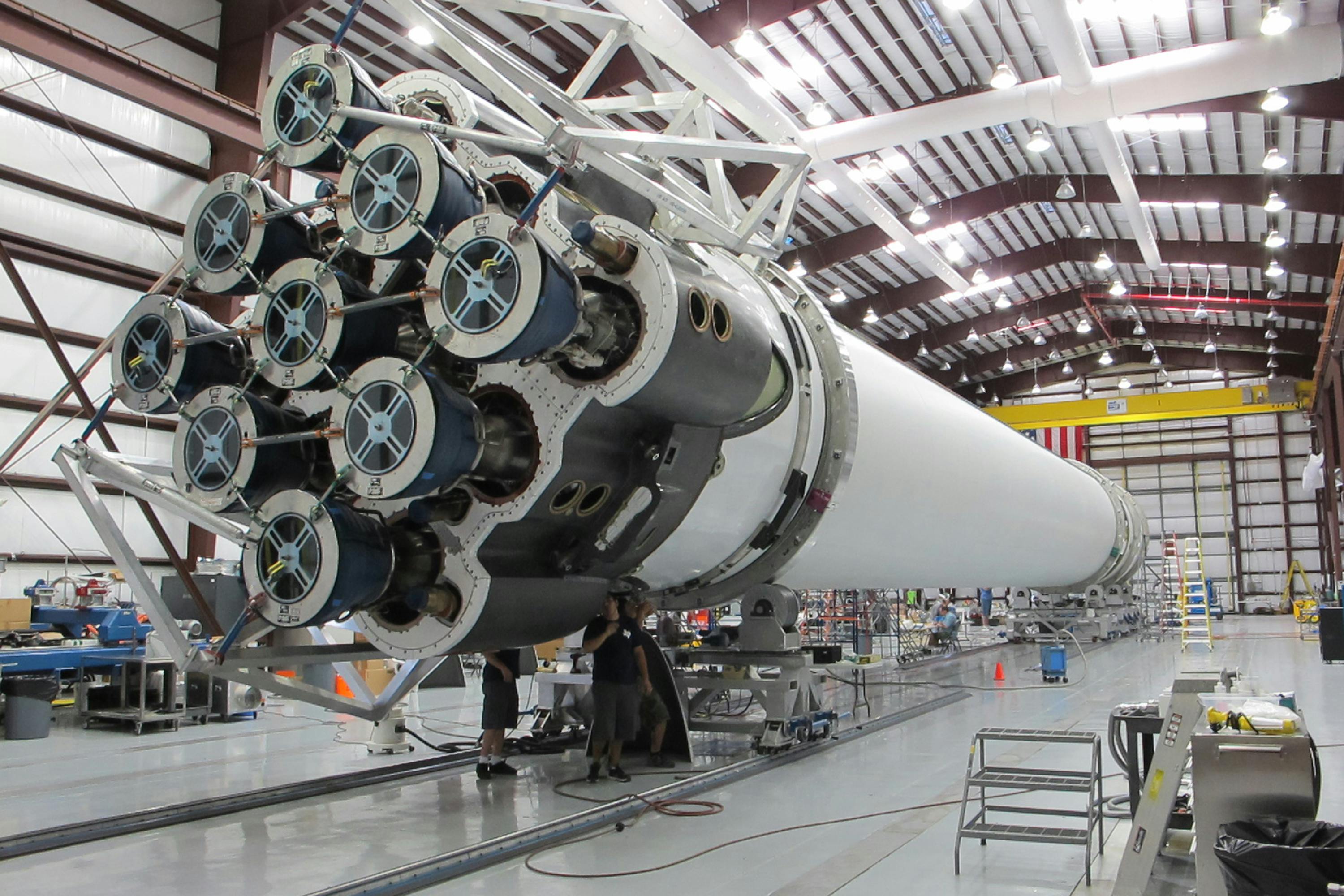
SpaceX launched 25 Starlink satellites from Vandenberg SFB on March 8, growing a constellation now totaling 9,924 active orbital nodes.
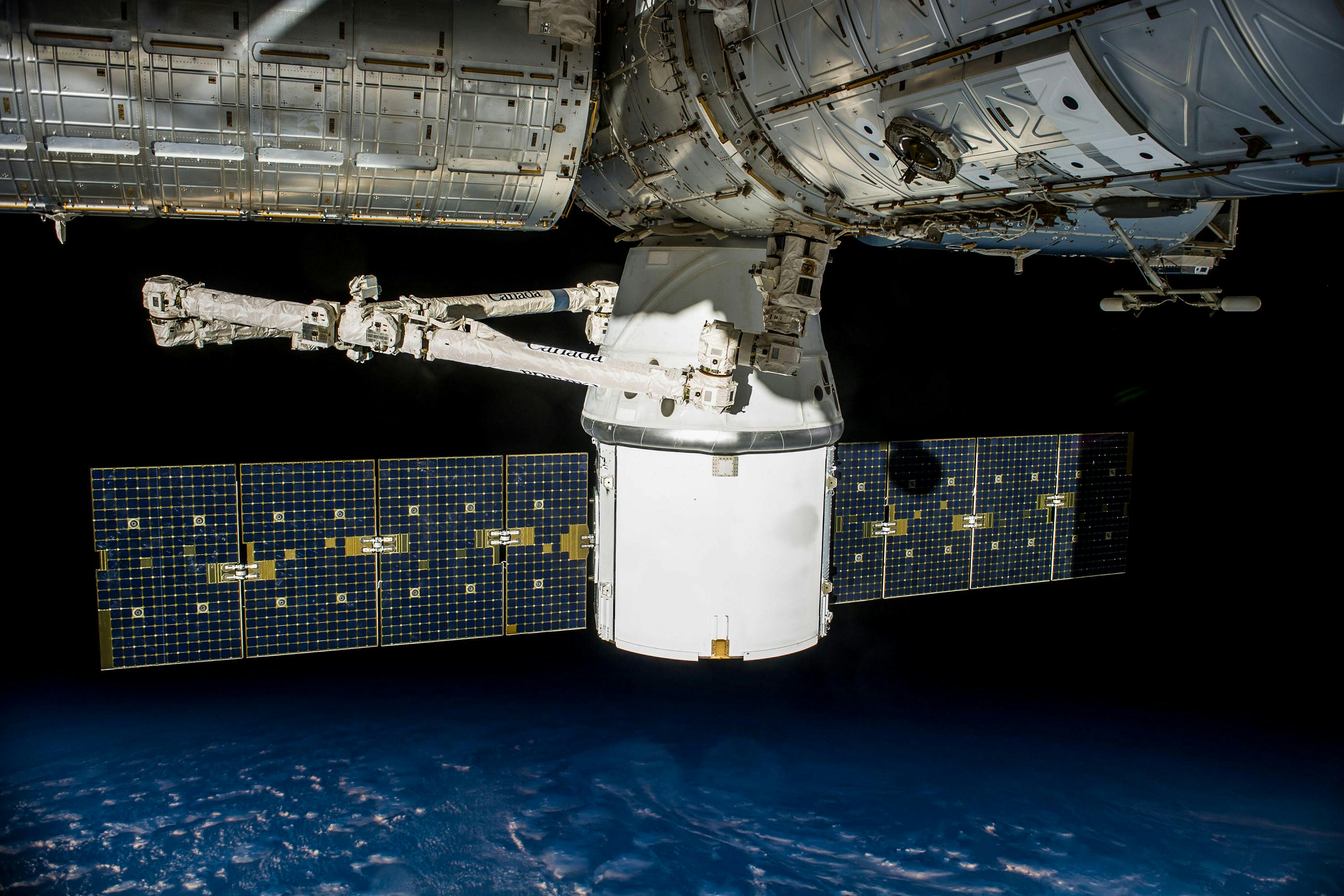
SpaceX makes significant strides with Starship Flight Test 10 approved and updates on the new Starbase pad design.

Today's highlights include SpaceX's 250th Starlink mission, a key Senate vote for NASA's next administrator, and insights into satellite missions and movements.
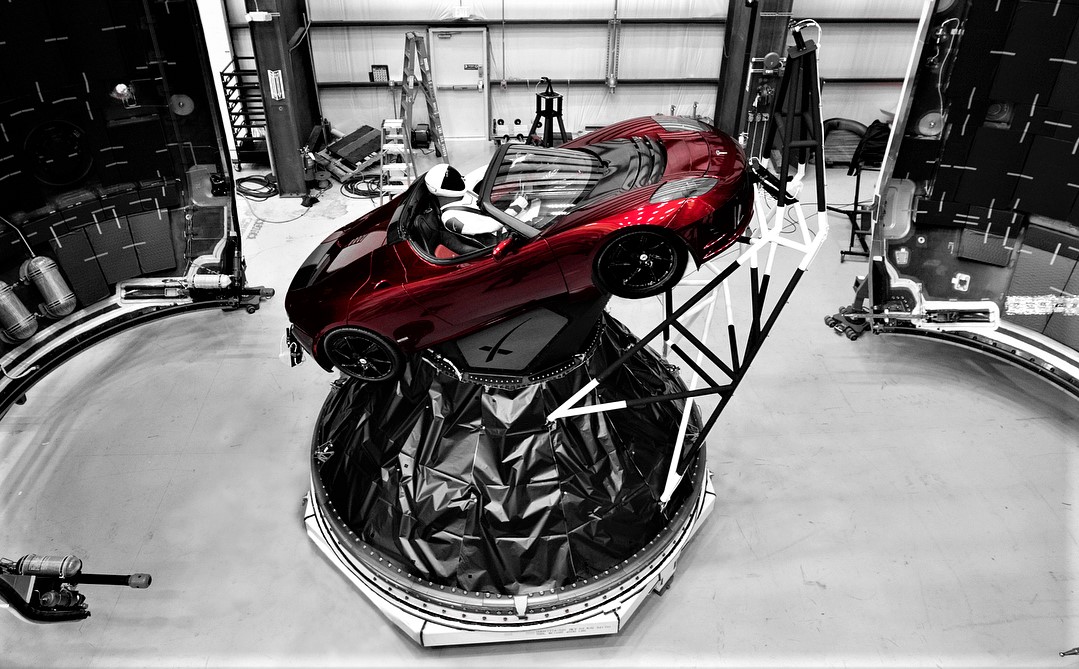
Seven years ago, SpaceX revolutionized spaceflight by launching the most powerful operational rocket in the world, carrying with it a cherry-red Tesla Roadster that captured global imagination

Today's highlights include significant data release from NASA's Atmospheric Waves Experiment, SpaceX's dual launches of Crew-10 and Starlink satellites, and intriguing findings from the arctic ice studies.