



Space Brief 8 Jul 2025
Today's highlights include the cancellation of Starship landing plans, Planet Labs' defense expansion, and cutting-edge radiation-hardened tech for space and defense.


![COSMOS 2110 [GLONASS] Satellite Image](/images/sat/21007.jpg)
Launch Date
December 8, 1990
Launch Site
Launch Pad
LC200/40
Launch Vehicle
Proton-K/DM-2
NORAD ID
21007
International Designator
1990-110B
Epoch
Sat, 27 Jun 2026 08:48:26 GMT
Apogee
Calculating...
Perigee
Calculating...
Inclination
64.94°
Right Ascension
71.21°
Eccentricity
Calculating...
Argument of Perigee
200.90°
Period
675.73 min
Mean Motion
2.13 rev/day
Latitude
Calculating...
Longitude
Calculating...
Altitude
Calculating...
Velocity
Calculating...
Name
COSMOS 2110 [GLONASS]
Alternative Name
Kosmos-2110
Type
Status
Owner
UNKS
Country
USSR
Constellation
N/A
Related Satellites
Major Events
N/A
1 21007U 90110B 26178.36697707 -.00000051 00000-0 00000-0 0 9997
2 21007 64.9439 71.2133 0042809 200.9042 327.4018 2.13101540276685
Source: Celestrak
Length
4
Diameter
1.5
Span
7.8
Dry Mass
1200
Launch Mass
1300
Shape
Cyl + Ant + 2 Pan
Radar Cross Section
1.5498
Visual Magnitude
Unknown
Color
Unknown
Material Composition
Unknown
Payload
Uragan No. 48L
Purpose
Navigation
Mission
Navigation
Manufacturer
POL
Life Expectancy
3 years
Bus
Uragan
Configuration
3-Axis stabilized
Motor
?
Equipment
?
Power System
2 deployable solar arrays, batteries
ADCS
Unknown
Transmitter Frequency
Unknown
Learn more about satellites and other related topics.
Today's highlights include the cancellation of Starship landing plans, Planet Labs' defense expansion, and cutting-edge radiation-hardened tech for space and defense.

Today's updates focus on significant developments in U.S. national security space launches, Army space training, potential shifts in satellite procurement strategies, and the Meteor 2-21 satellite.
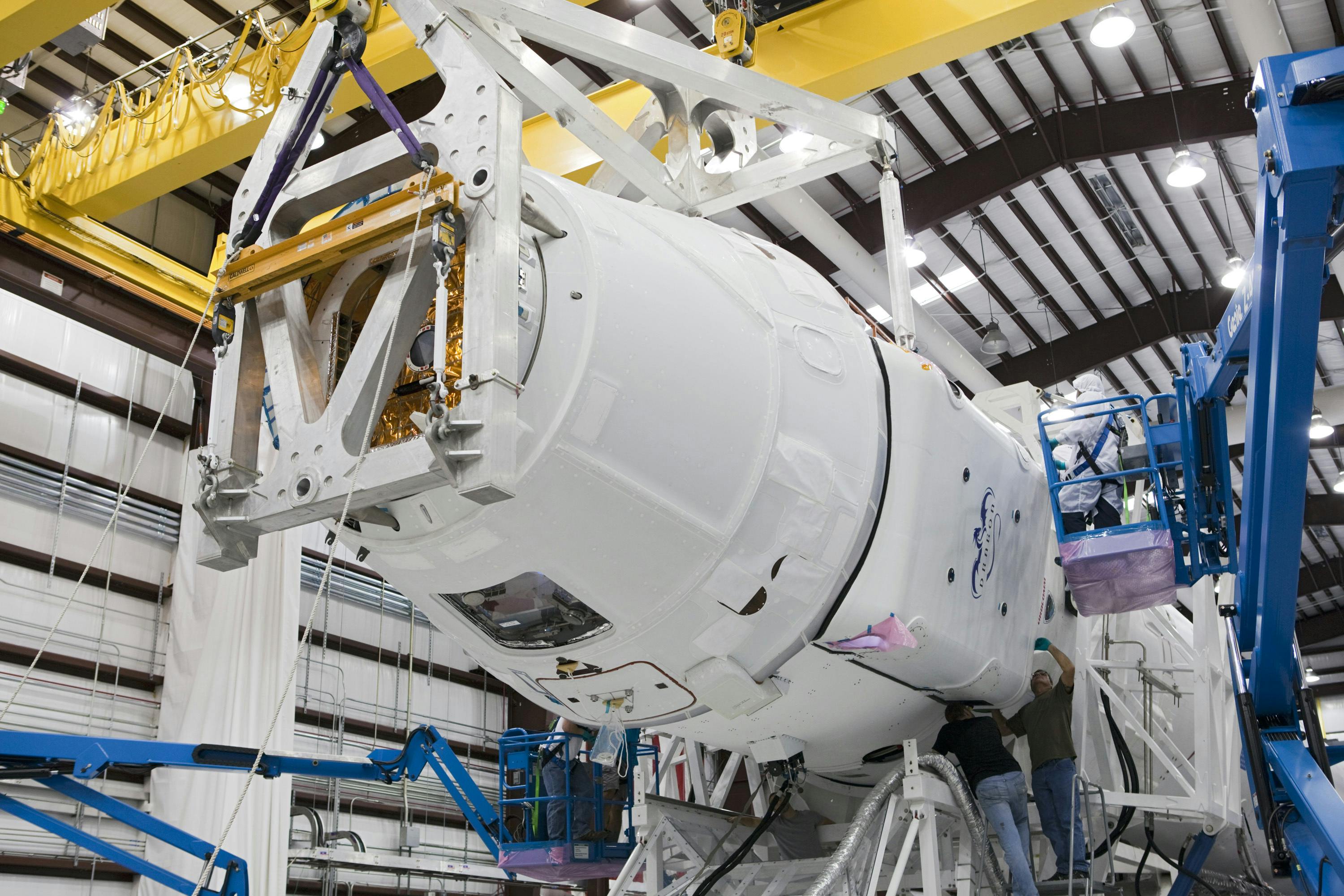
Elon Musk denies Starlink price reductions are driven by Amazon Kuiper competition. SpaceX launches 29 Starlink satellites in 18th constellation mission of 2026. Five more coming this week.

As Ukraine explores alternatives to SpaceX's Starlink, the potential adoption of Eutelsat OneWeb's satellite network raises critical questions about connectivity, resilience, and strategic autonomy.

This edition highlights SpaceX's ambitious plans for Starship in light of recent developments, a busy launch week featuring multiple missions, and the latest updates on Starlink's operational status.

SpaceX has adapted Pad 1 for Ship Static Fire tests while addressing the recent downtime at Massey’s, showcasing its commitment to maintaining launch schedules despite setbacks.

SpaceX's Falcon Heavy flew for the first time in 18 months on April 29, while Starlink hit 51 Falcon 9 launches in 2026 with 10,280 satellites working.

Today's Space Brief covers a major partnership in space tech distribution, China's orbital refueling preparations under U.S. scrutiny, recent U.S. defense budget reveals, and an exciting hyperspectral imagery release from Xplore.