


Space Force Picks Boeing 702MP for MUOS Follow-On | KeepTrack Space Brief
U.S. Space Force selects Boeing's 702MP spacecraft for next-generation MUOS satellites. Rocket Lab delivers Synspective's 10th StriX radar satellite. Track both missions.


Launch Date
December 4, 1990
Launch Site
Launch Pad
LC90
Launch Vehicle
Tsiklon-2
NORAD ID
20985
International Designator
1990-108A
Decay Date
4/6/1992
Name
COSMOS 2107
Alternative Name
Kosmos-2107
Type
Status
Owner
VMF
Country
USSR
Constellation
N/A
Related Satellites
Major Events
N/A
Length
10
Diameter
1.3
Span
17
Dry Mass
3000
Launch Mass
3300
Shape
Cyl + 2 Pan
Radar Cross Section
20.18
Visual Magnitude
Unknown
Color
Unknown
Material Composition
Unknown
Payload
US-PM No. 7L
Purpose
Ocean surveillance, passive
Mission
Ocean surveillance, passive
Manufacturer
ARSL/KOMET
Life Expectancy
Unknown
Bus
US-P
Configuration
US-Bus
Motor
Unknown
Equipment
Unknown
Power System
2 deployable fixed solar arrays, batteries
ADCS
Unknown
Transmitter Frequency
Unknown
Learn more about satellites and other related topics.
U.S. Space Force selects Boeing's 702MP spacecraft for next-generation MUOS satellites. Rocket Lab delivers Synspective's 10th StriX radar satellite. Track both missions.
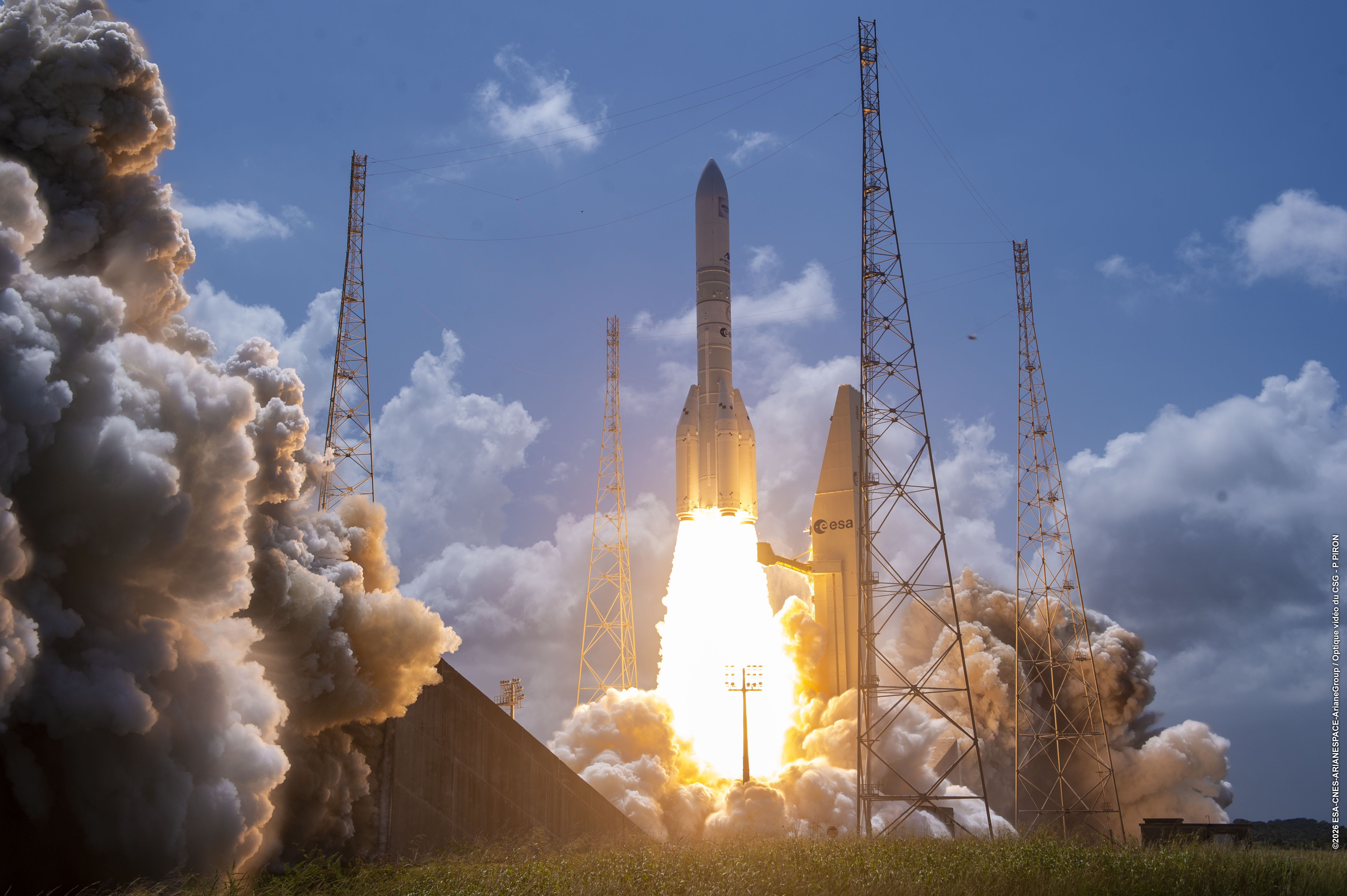
Space Force awards Lockheed Martin $514M for two additional GPS 3F satellites, bringing total orders to 14. New satellites add anti-jam features and upgraded civilian signals.
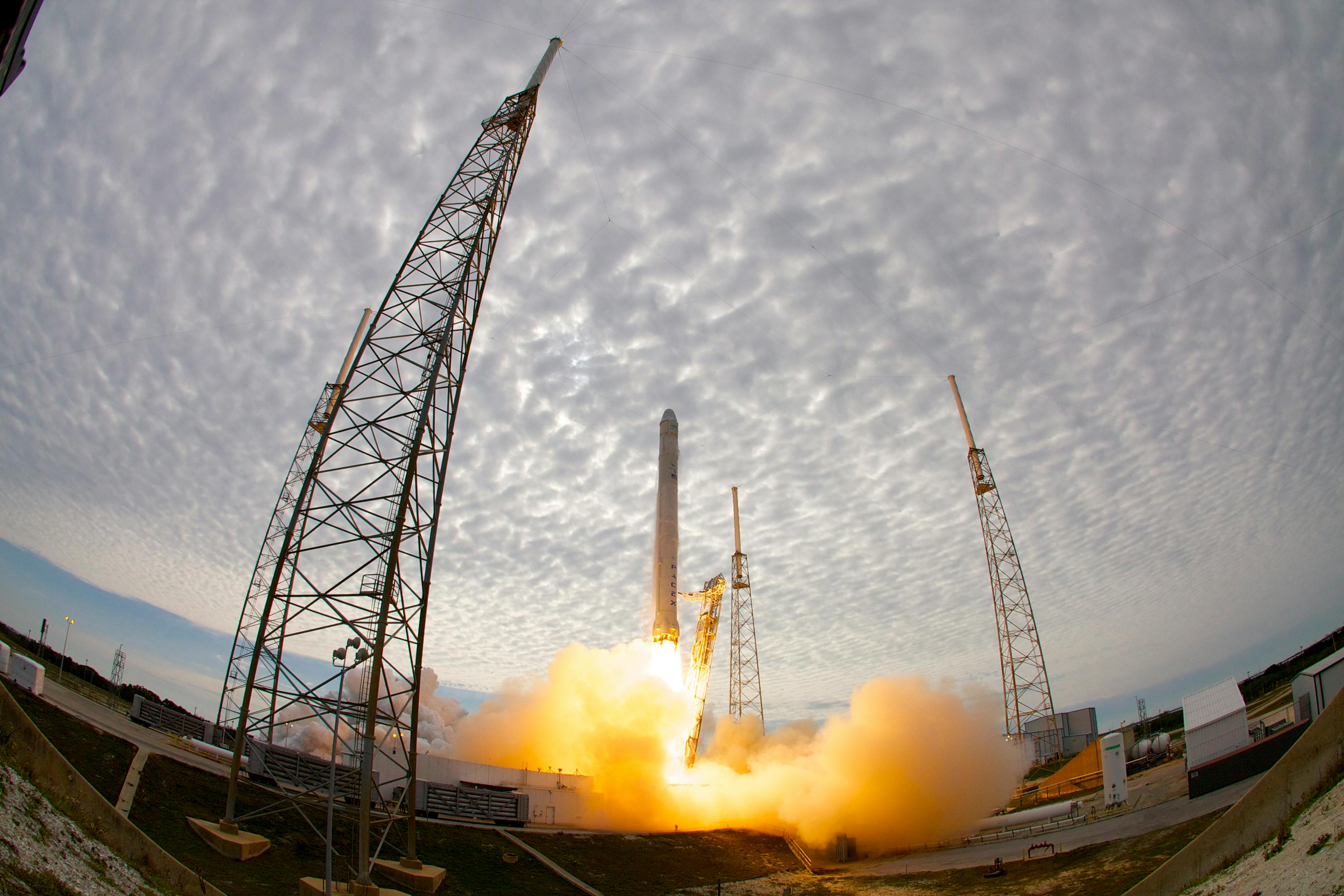
SpaceX celebrates significant milestones with its 100th launch of the year, enhancing Starlink's coverage while preparing for an escalating Starship production cadence.
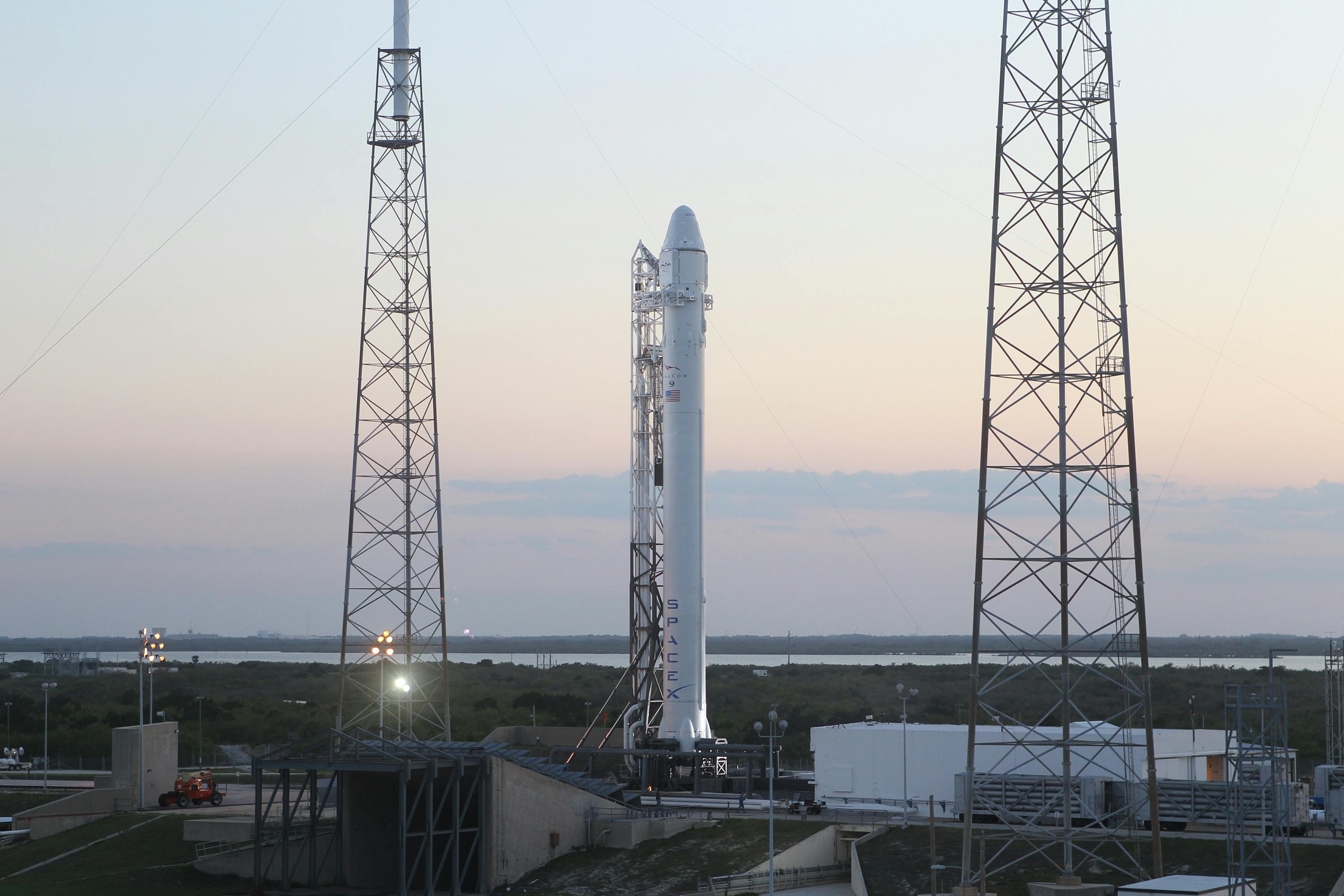
SpaceX successfully launched its 300th Starlink mission, deploying 24 new satellites to further expand its internet service coverage worldwide.

Latest updates include China's Lijian-1 launching 15 satellites, a fiery Starlink reentry, SpaceX's milestone Falcon 9 booster landing, and China's support for its commercial space sector.
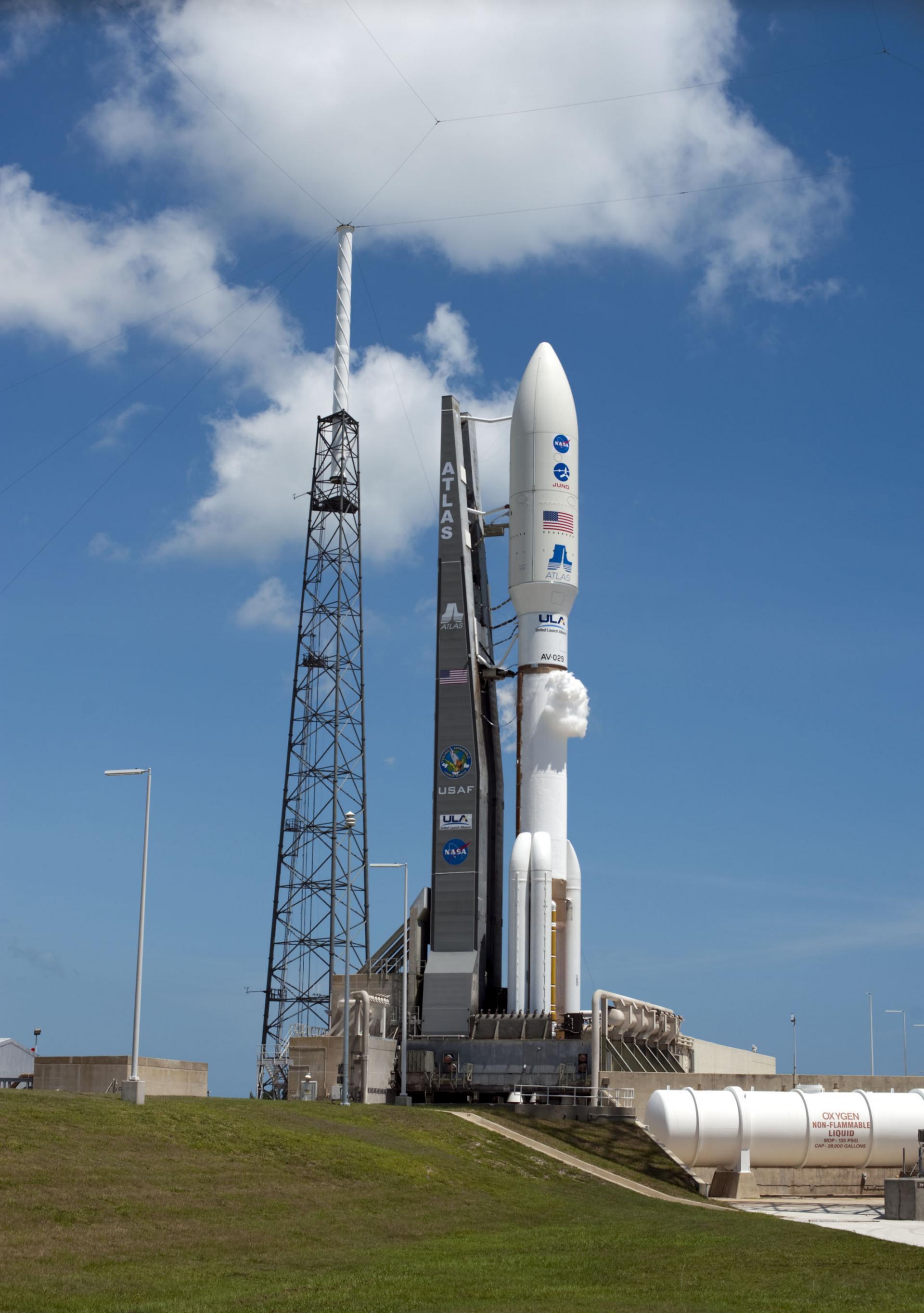
Today's coverage includes China's recent satellite launch, the Space Force's challenges with current tracking capabilities, and advancements in nuclear propulsion from Ohio State.
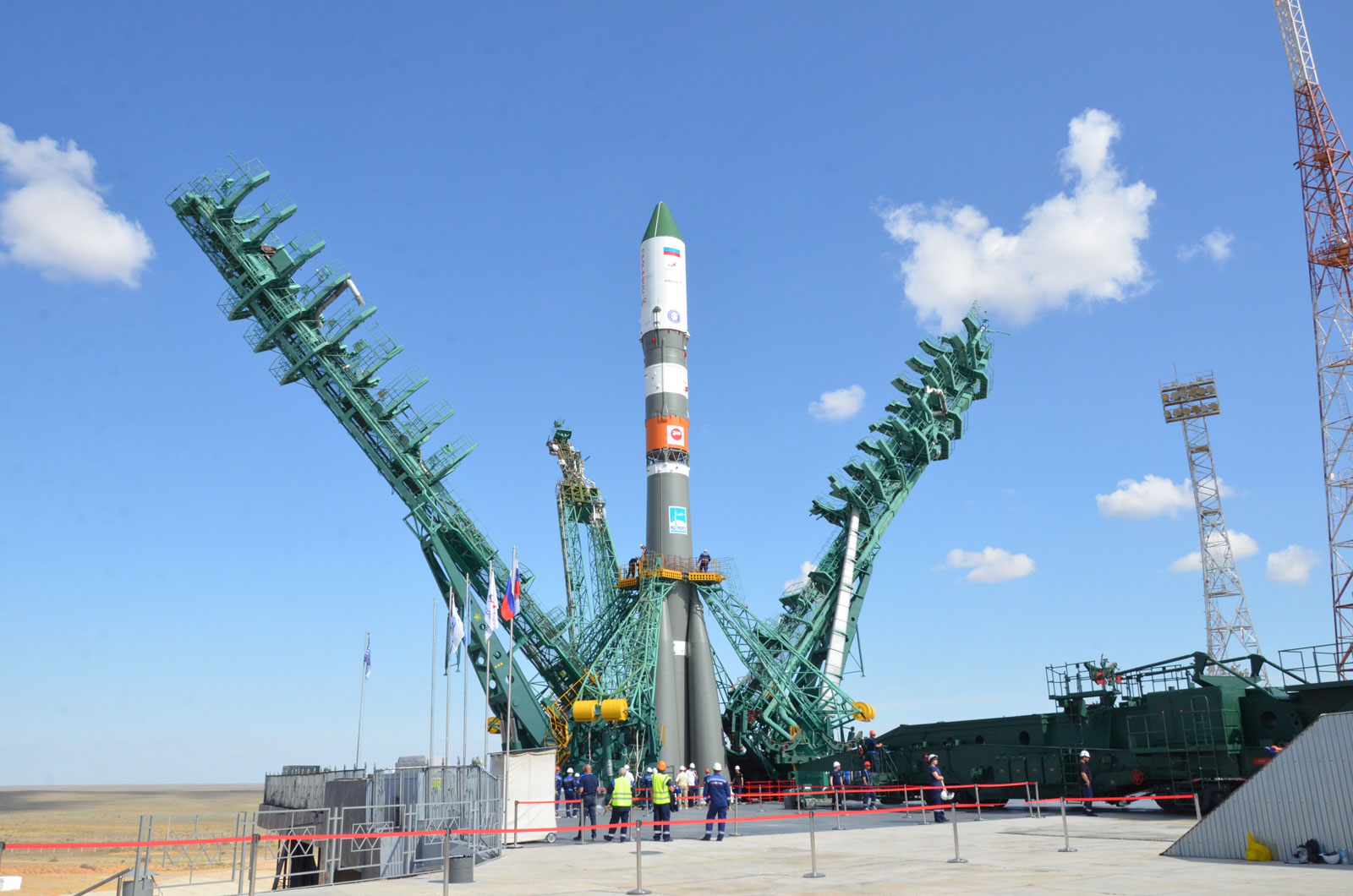
Today's brief highlights significant shifts in military space spending due to the Golden Dome program, the U.S. Space Force's advancements in tactical satellite communications, and NASA's race to nuclear power in space.
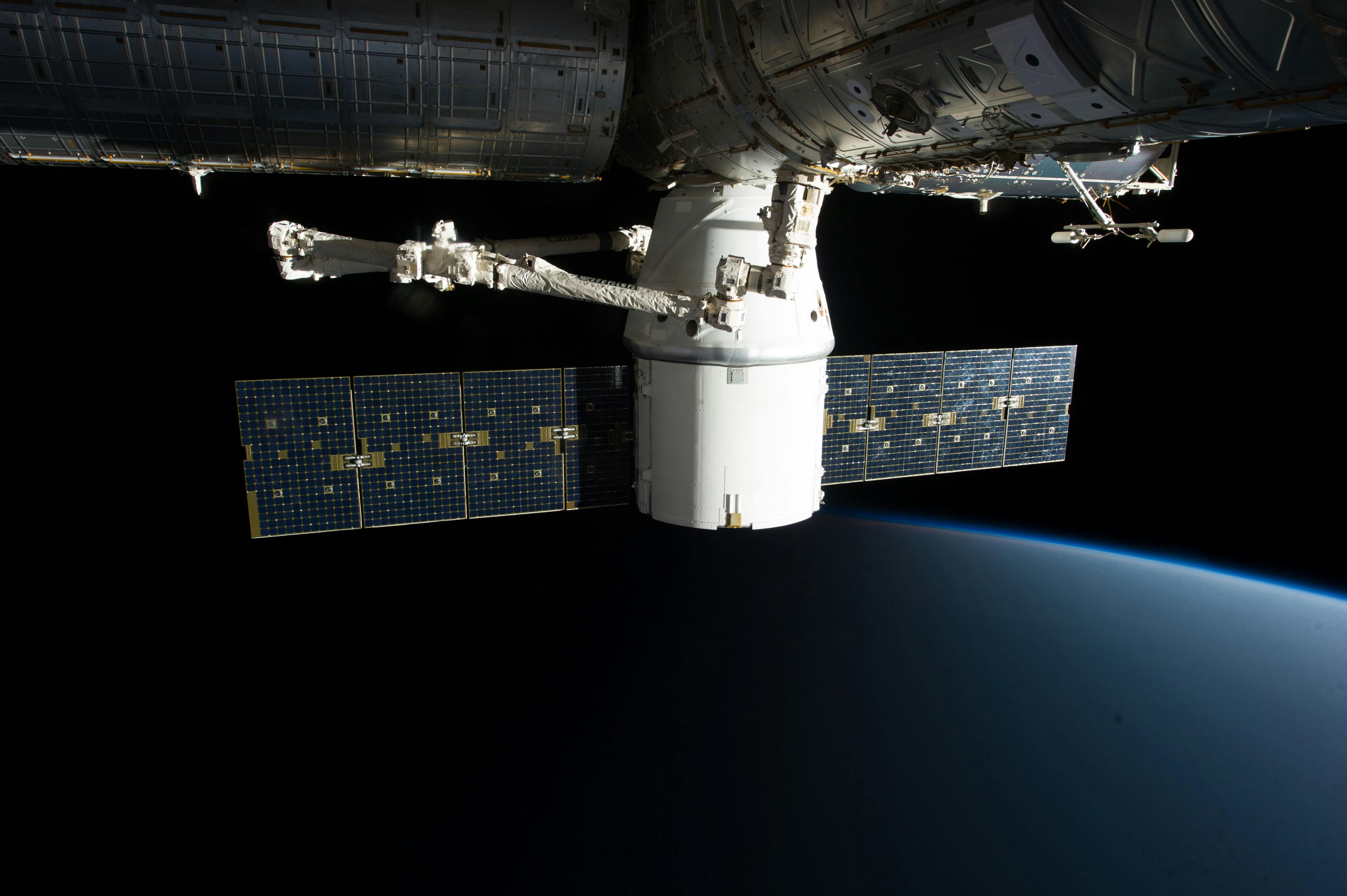
SpaceX's 100th Falcon 9 mission successfully launched 24 Starlink satellites, continuing to expand its broadband constellation.