


Mega-Constellations Are Set to Flood Earth's Orbit
We forecast how many satellites could be in orbit by 2030 and what capabilities we can expect.


Launch Date
September 3, 1990
Launch Site
TAISC
Launch Pad
LC7
Launch Vehicle
Chang Zheng 4
NORAD ID
20969
International Designator
1990-081CB
Epoch
Fri, 03 Jul 2026 23:32:46 GMT
Apogee
Calculating...
Perigee
Calculating...
Inclination
98.42°
Right Ascension
195.07°
Eccentricity
Calculating...
Argument of Perigee
300.26°
Period
99.37 min
Mean Motion
14.49 rev/day
Latitude
Calculating...
Longitude
Calculating...
Altitude
Calculating...
Velocity
Calculating...
Name
CZ-4 DEB
Alternative Name
deb CZ-4 Y2 Stage 3
Type
Status
Owner
MAI2
Country
China
Constellation
N/A
Related Satellites
Major Events
N/A
1 20969U 90081CB 26184.98109288 .00003331 00000-0 88088-3 0 9995
2 20969 98.4246 195.0703 0037450 300.2568 89.9561 14.49095426859340
Source: Celestrak
Length
0
Diameter
0
Span
0
Dry Mass
0
Launch Mass
0
Shape
N/A
Radar Cross Section
0.1063
Visual Magnitude
Unknown
Color
Unknown
Material Composition
Unknown
Payload
Unknown
Purpose
Research, air density
Mission
Research, air density
Manufacturer
Unknown
Life Expectancy
Unknown
Bus
Unknown
Configuration
Balloon
Motor
Unknown
Equipment
Unknown
Power System
Unknown
ADCS
Unknown
Transmitter Frequency
Unknown
Learn more about satellites and other related topics.
We forecast how many satellites could be in orbit by 2030 and what capabilities we can expect.

Scientists use earthquake sensors to track space debris reentry via sonic boom detection. SpaceX launches 25 Starlink satellites in seventh mission of 2026. NASA and DOE partner for lunar nuclear power.

Today's brief covers increased Space Force funding, a renewed focus on nuclear power in space, a proposed US missile defense system, new defense budget revelations, and NATO's call for increased air defenses.
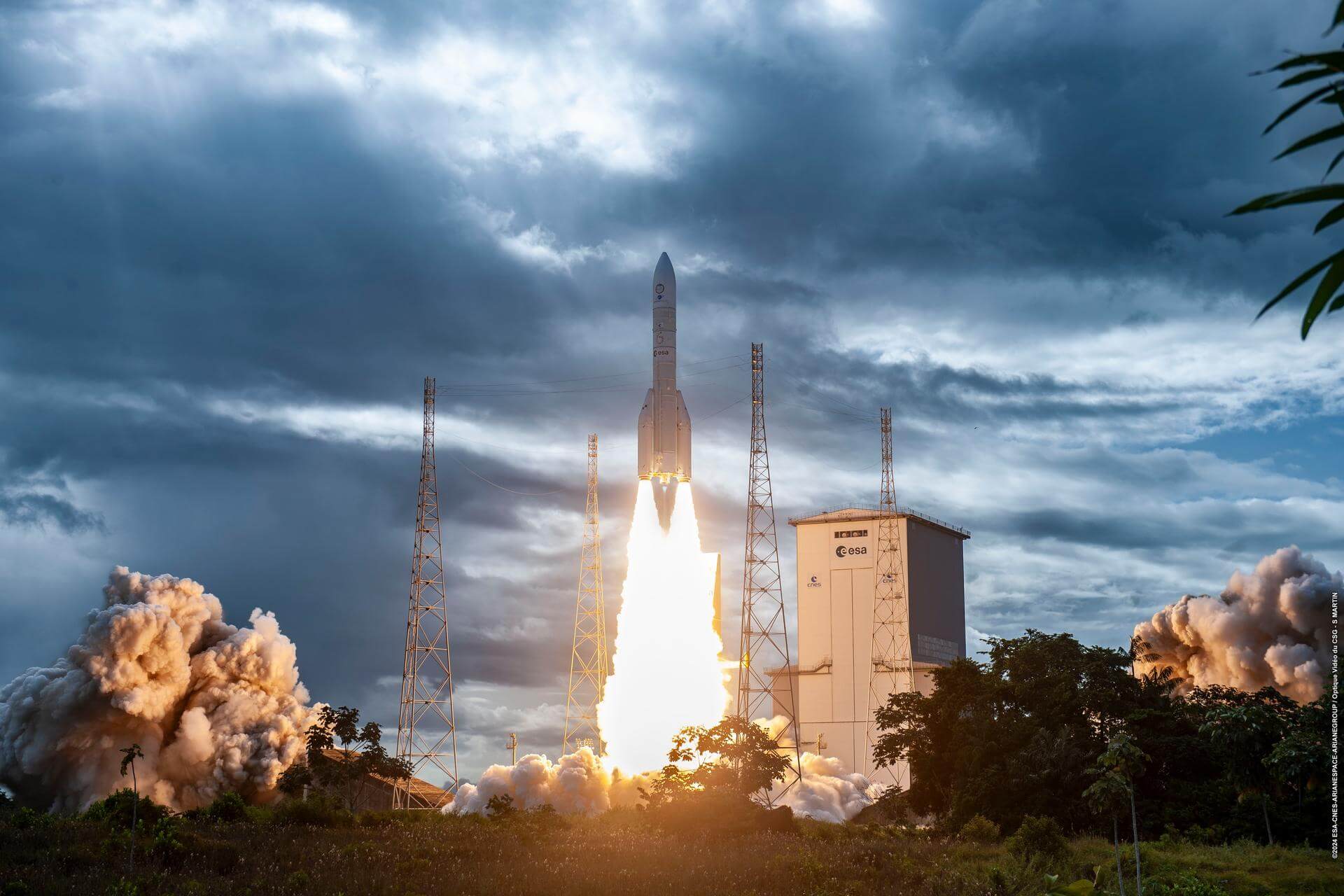
SpaceX launches Starlink satellites from both coasts, while first 3D atmospheric map of an exoplanet reveals extreme weather patterns, and Starlink missions push total count over 8,000 satellites.
In today's brief: high-profile personnel changes in the Space Force, the inclusion of Space Force in historical political events, and strategic shifts in defense highlighted with a focus on satellite applications.
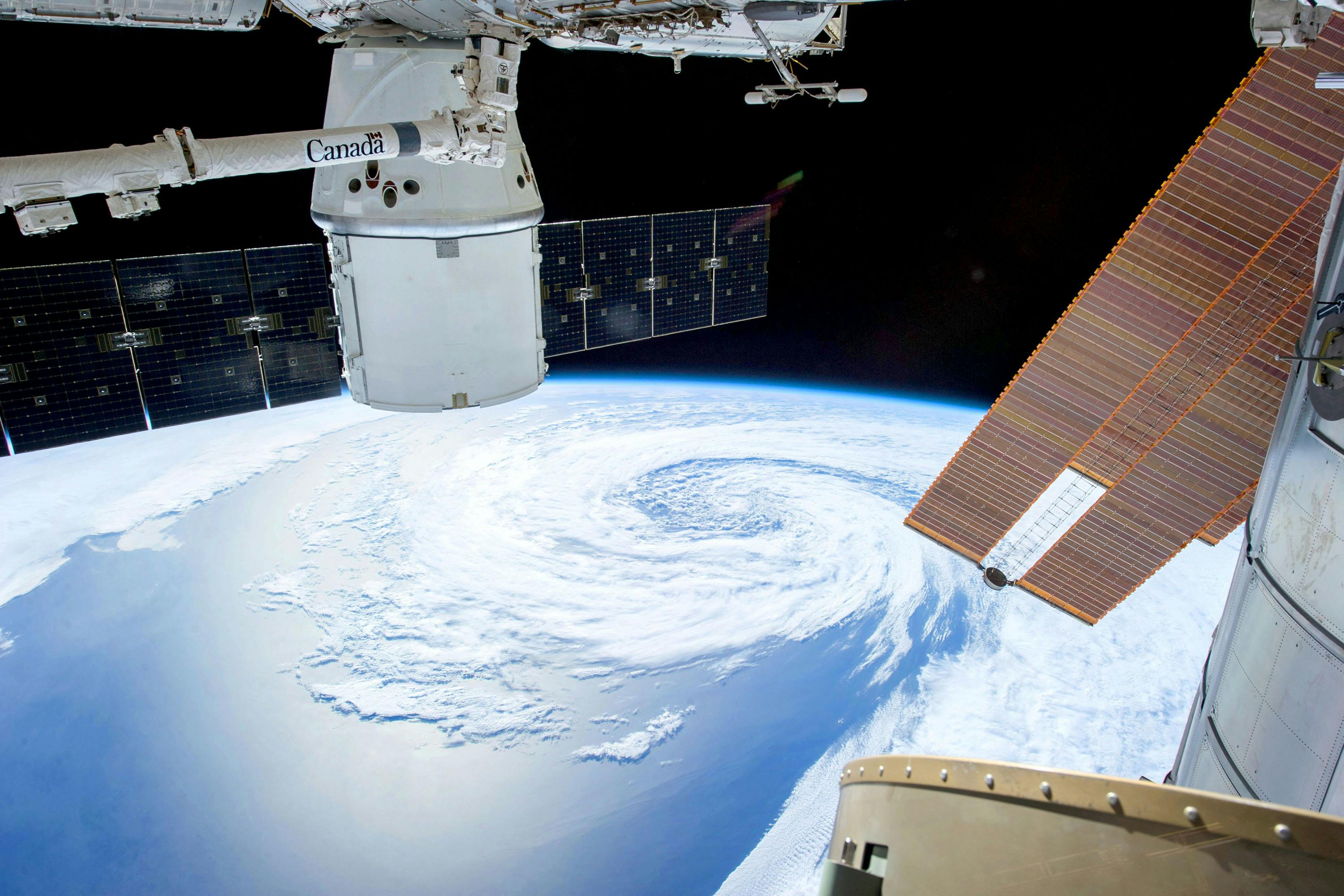
SpaceX continues its robust launch cadence with new Starlink deployments and faces challenges in Starship development following the recent damage to its prototype booster.
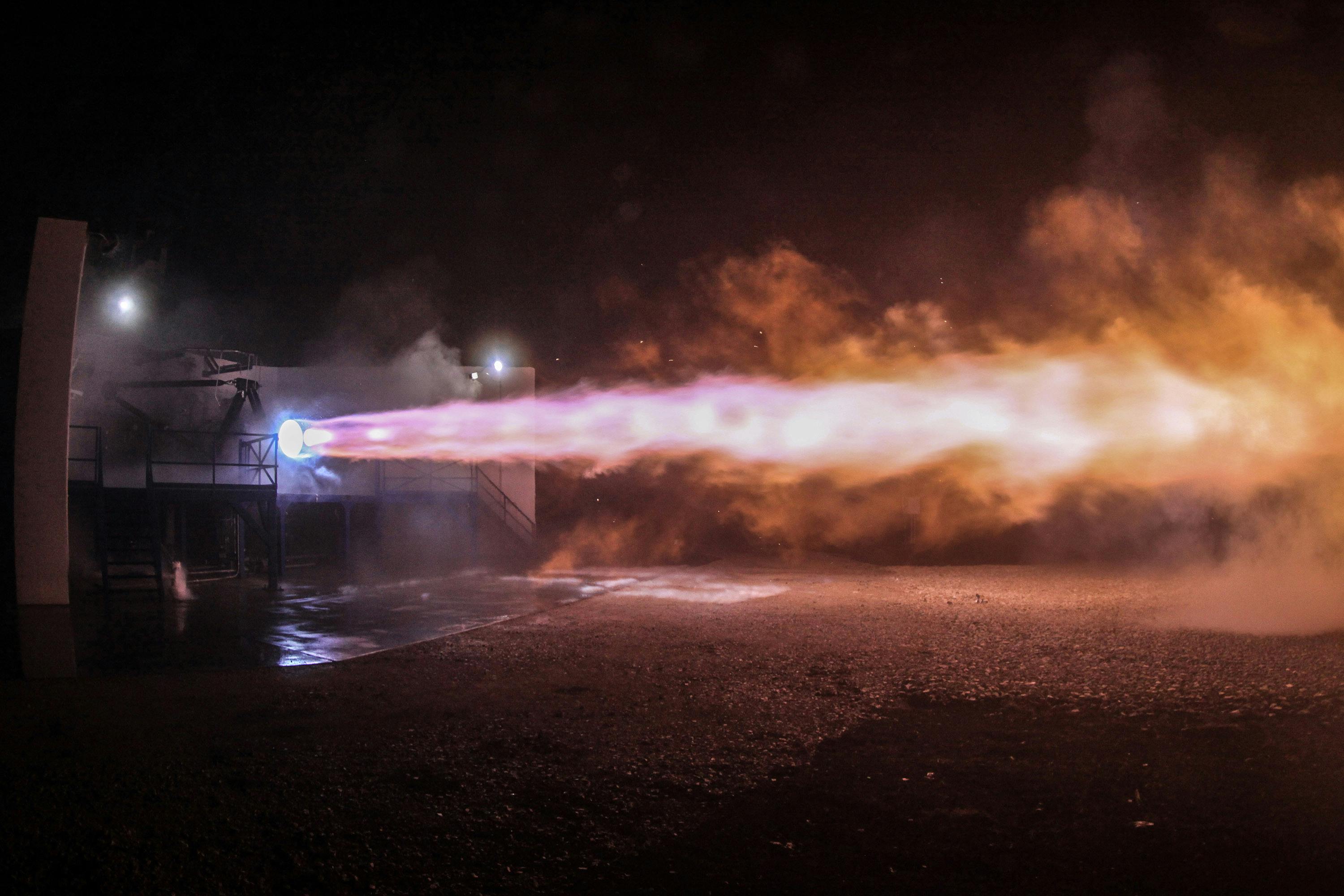
U.S. Space Force's Europe operations amidst Ukraine conflict, Maxar's new partnership, integration of military and commercial tech, and the Pentagon's new AI initiatives shape today's space discourse.

Today's key space events include SpaceX's launch of the secretive X-37B military drone, XTAR's U.S. defense market strategy, and China's space station AI upgrade.