SL-14 R/B (20967)

COSPAR: 1990-104B | Alt Name: Tsiklon-3 No. 28L Stage 3
DECAYED

Image
SL-14 R/B Satellite Image
Additional Sources
Launch Details

Launch Date

November 28, 1990

Launch Site

PLMSC

Launch Pad

LC32/2

Launch Vehicle

Tsiklon-3

Orbital Elements

NORAD ID

20967

International Designator

1990-104B

Decay Date

1/8/2007

Basic Satellite Info

Name

SL-14 R/B

Alternative Name

Tsiklon-3 No. 28L Stage 3

Type

Rocket Body

Status

Space Junk

Owner

UNKS

Country

USSR

Constellation

N/A

Related Satellites

Major Events

N/A

Summary
A rocket body, also commonly referred to as an upper stage or spent rocket stage, is the structural shell left behind after a rocket has delivered its payload to orbit. These large and often heavy pieces of space hardware can remain in orbit for years, posing significant collision hazards as part of the growing space debris problem. If left uncontrolled, rocket bodies have the potential to reenter Earth's atmosphere unpredictably, which can lead to falling debris in populated areas. Additionally, they risk colliding with operational satellites or the International Space Station, creating more debris and putting human life at risk.
Physical Characteristics

Length

2.8

Diameter

2.2

Span

2.8

Dry Mass

1600

Launch Mass

1600

Shape

Cyl

Radar Cross Section

5.8231

Visual Magnitude

Unknown

Color

Unknown

Material Composition

Unknown

Technical Details

Payload

S5M

Purpose

Unknown

Mission

Unknown

Manufacturer

YUZH

Life Expectancy

Unknown

Bus

S5M

Configuration

Unknown

Motor

Unknown

Equipment

Unknown

Power System

Unknown

ADCS

Unknown

Transmitter Frequency

Unknown

Satellite Articles

View All Posts »

Learn more about satellites and other related topics.

The Day Two Satellites Hit Each Other at 26,000 MPH

The Day Two Satellites Hit Each Other at 26,000 MPH

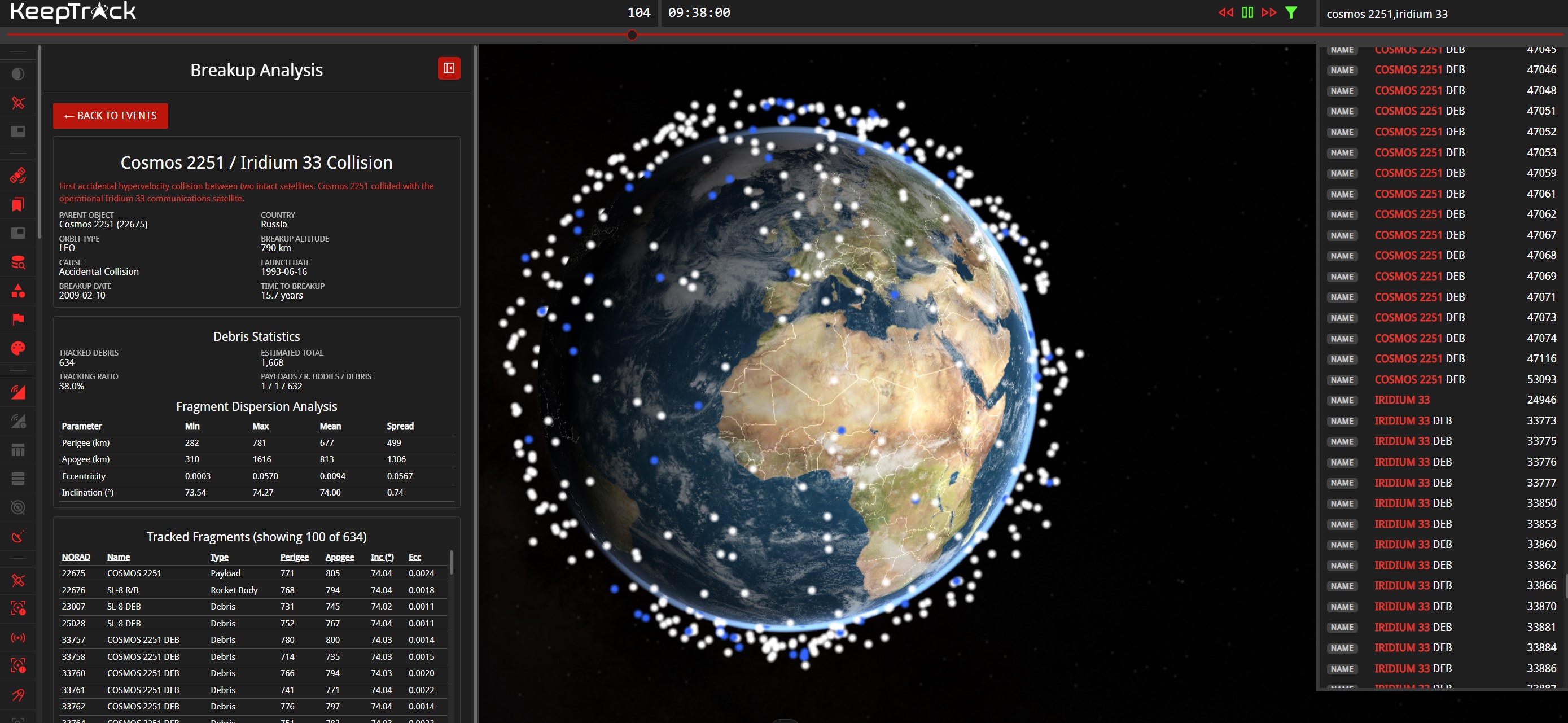
On February 10, 2009, an active Iridium communications satellite and a derelict Soviet military spacecraft slammed into each other 789 kilometers above Siberia. The collision produced more than 2,300 pieces of trackable debris that are still up there. Seventeen years later, the Iridium-Cosmos collision remains the event that made space debris a policy problem the world could no longer ignore.

Atlas 5 Retires After Final 551 Flight to Amazon Kuiper | KeepTrack Space Brief

Atlas 5 Retires After Final 551 Flight to Amazon Kuiper | KeepTrack Space Brief

ULA launches the final Atlas 5 551 configuration—its heaviest variant with 5 solid boosters—carrying Amazon's Project Kuiper satellite to low Earth orbit from Cape Canaveral.

FCC Approves Reflect Orbital Sunlight Satellite | KeepTrack Space Brief

FCC Approves Reflect Orbital Sunlight Satellite | KeepTrack Space Brief

FCC clears Reflect Orbital's first satellite to bounce sunlight into nighttime zones, despite pushback from astronomers concerned about orbital streaking and wildlife impacts.

X Report 6 Nov 2025

X Report 6 Nov 2025

SpaceX successfully launched 29 Starlink satellites, marking the start of a busy month for their satellite deployment efforts. The mission is part of an ongoing expansion of their broadband internet constellation.

SpaceX's Audacious Starship

SpaceX's Audacious Starship

As the largest and most powerful rocket ever built, it's designed for full reusability and rapid launch turnaround. SpaceX claims it could carry over 100 tons to low Earth orbit at a fraction of current costs.

Space Brief 12 Nov 2024

Space Brief 12 Nov 2024

Latest updates include China's Lijian-1 launching 15 satellites, a fiery Starlink reentry, SpaceX's milestone Falcon 9 booster landing, and China's support for its commercial space sector.

Space Brief 5 Dec 2024

Space Brief 5 Dec 2024

Today's brief highlights Umbra Space's contract extension with the NRO, Trump's Space Force ambitions, FibreCoat's new funding targeting defense markets, and key US defense sentiments. Explore notable military and commercial satellite activities.

X Report 6 Dec 2025

X Report 6 Dec 2025

SpaceX secures environmental approval for Starship launches at SLC-37 while Castelion, a company founded by SpaceX veterans, raises $350 million for hypersonic missile production.