


X Report 28 Nov 2025
Today marks a significant milestone as SpaceX successfully launches another batch of Starlink satellites, boosting global connectivity efforts.


Launch Date
November 28, 1990
Launch Site
PLMSC
Launch Pad
LC32/2
Launch Vehicle
Tsiklon-3
NORAD ID
20966
International Designator
1990-104A
Decay Date
4/7/2000
Name
COSMOS 2106
Alternative Name
Kosmos-2106
Type
Status
Owner
PVO
Country
USSR
Constellation
N/A
Related Satellites
Major Events
N/A
Length
3.3
Diameter
1.6
Span
33.9
Dry Mass
1450
Launch Mass
1450
Shape
Cyl + 8 Pan + Ant
Radar Cross Section
10.2314
Visual Magnitude
Unknown
Color
Unknown
Material Composition
Unknown
Payload
Kol'tso No. 3L
Purpose
Radar calibration
Mission
Radar calibration
Manufacturer
YUZH
Life Expectancy
Unknown
Bus
Kol'tso
Configuration
Unknown
Motor
Unknown
Equipment
Unknown
Power System
8 deployable fixed solar arrays, batteries
ADCS
Unknown
Transmitter Frequency
Unknown
Learn more about satellites and other related topics.
Today marks a significant milestone as SpaceX successfully launches another batch of Starlink satellites, boosting global connectivity efforts.
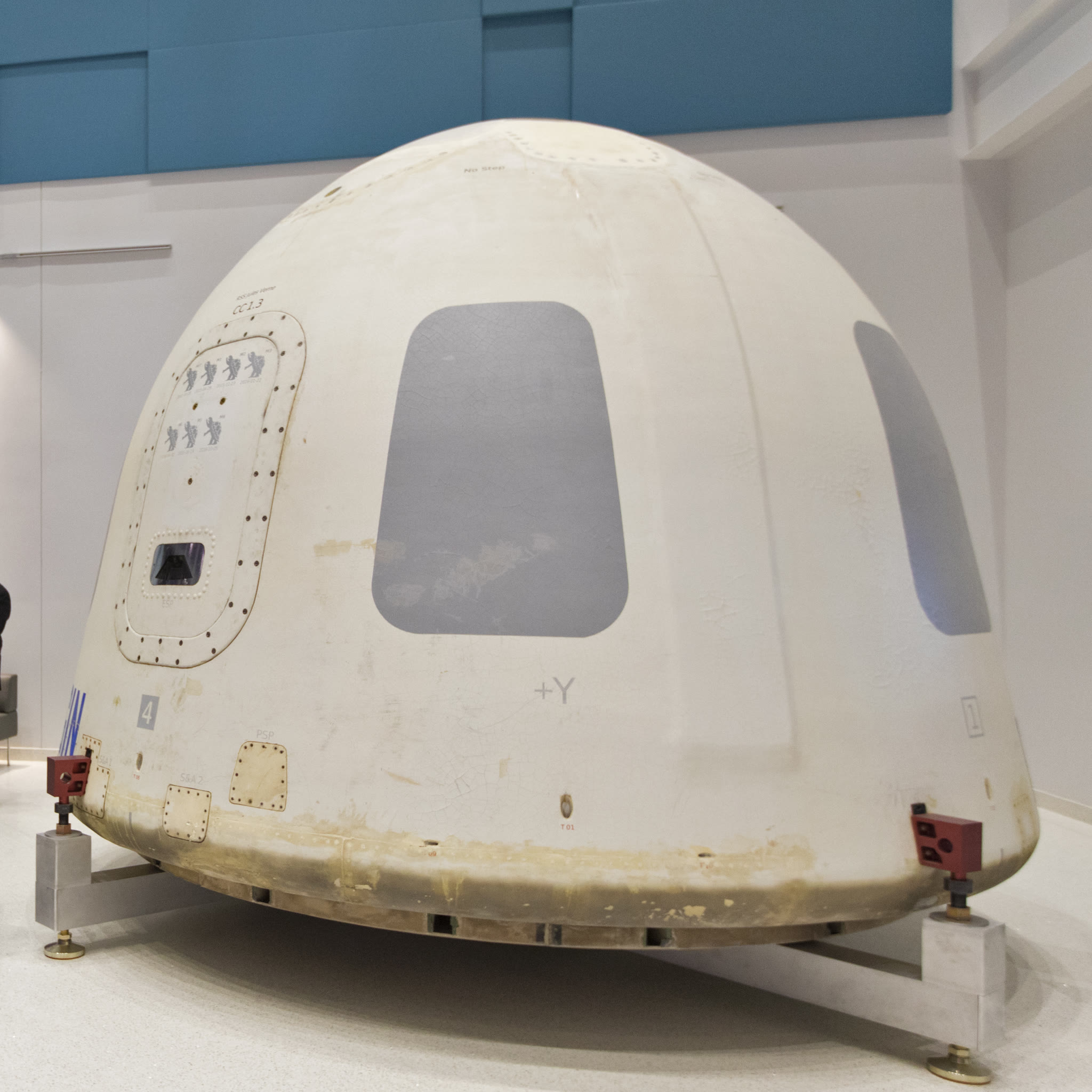
Twenty-two years after SpaceShipOne, the two companies that defined suborbital tourism are both sitting on the ground. Blue Origin parked New Shepard in January, Virgin Galactic has not flown a customer since 2024, and the math behind the whole business is finally getting an honest look.
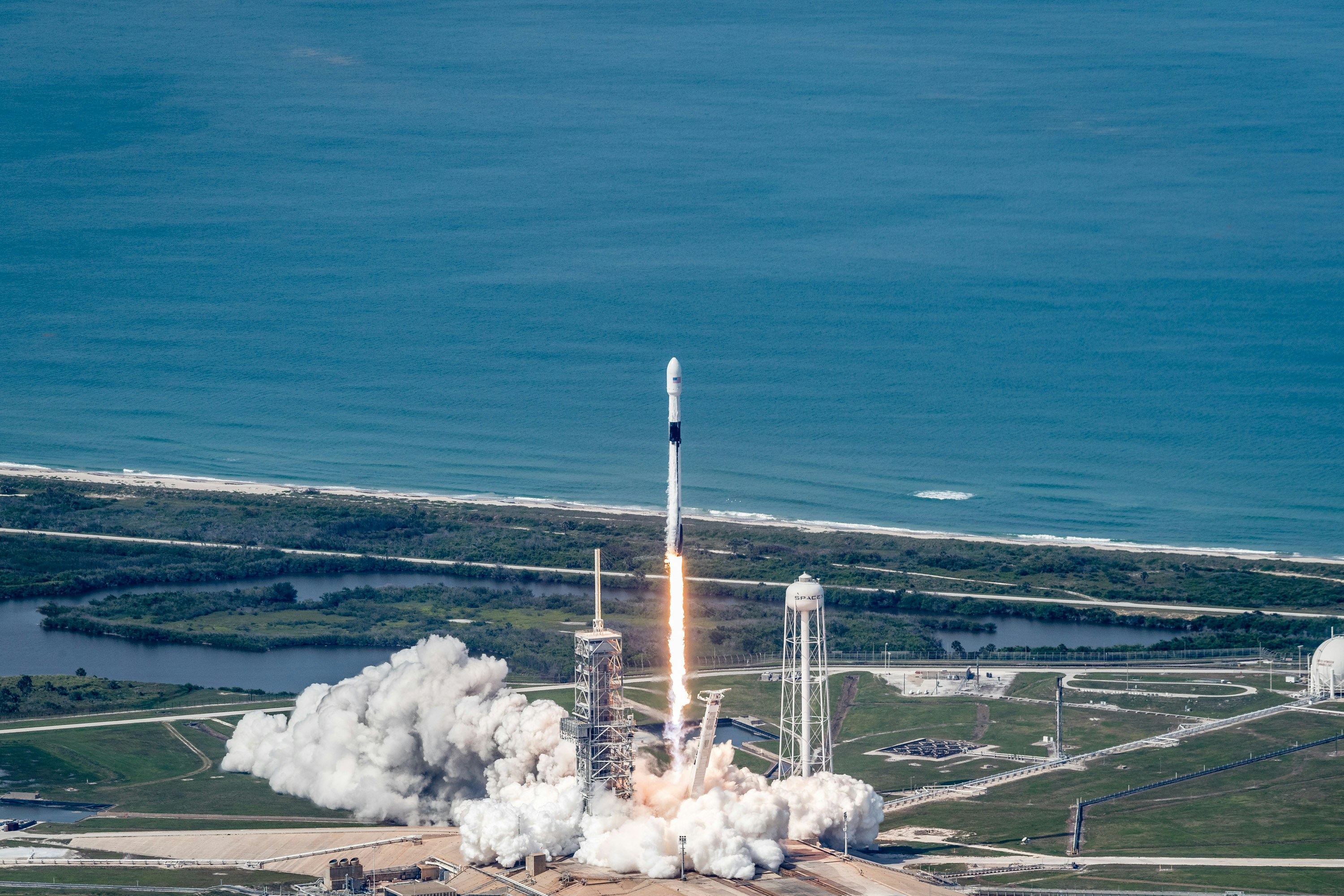
Today's key development highlights SpaceX's upcoming launch of 29 Starlink satellites from Cape Canaveral, marking the start of an active month for the satellite constellation.
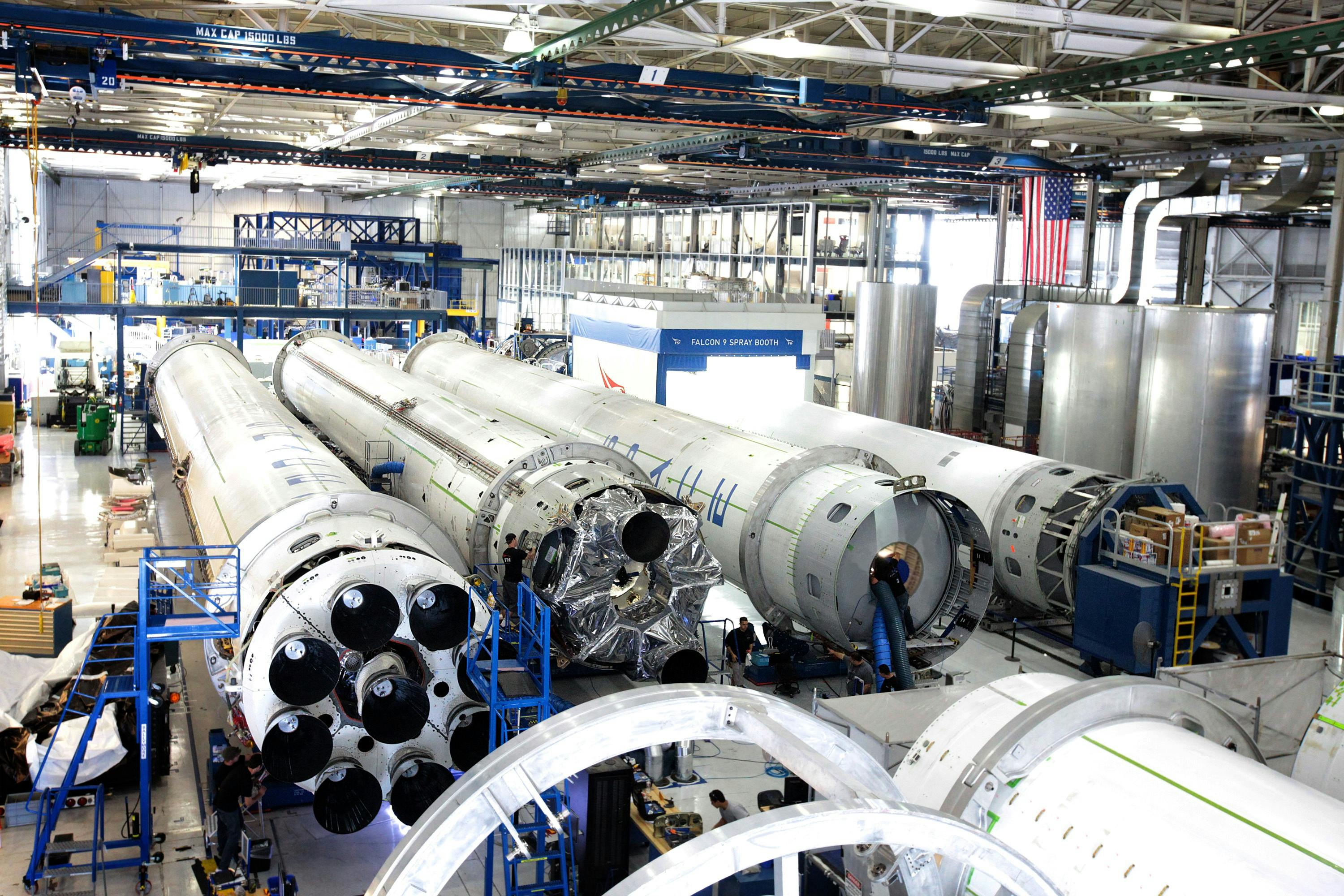
Amid multiple new launches, SpaceX marks its 300th orbital flight milestone at Cape Canaveral while pushing forward with cargo and reentry missions.
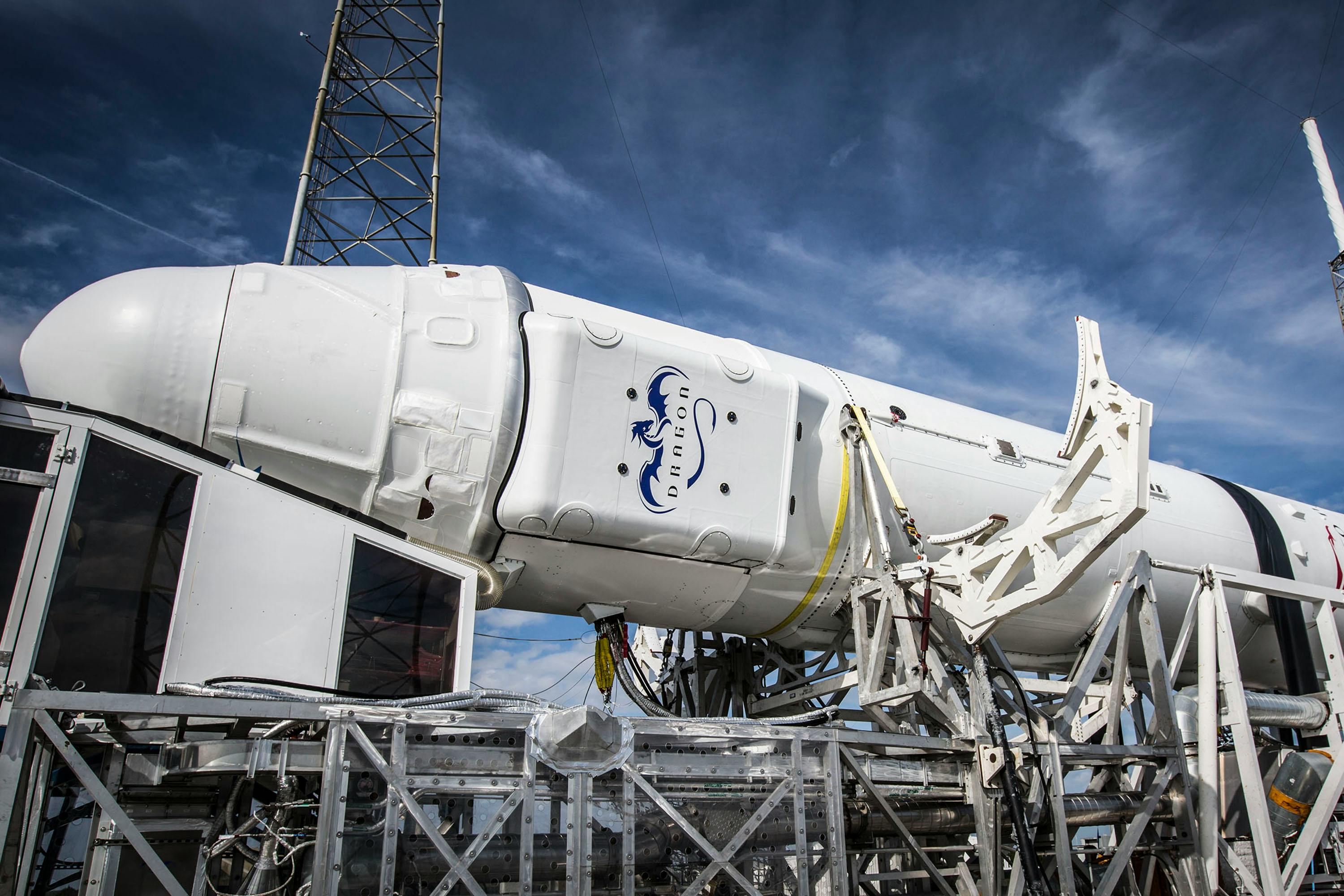
A second Starlink satellite malfunction in just over three months has generated on-orbit debris, raising fresh questions about SpaceX's 10,151-strong working constellation.

Army launches space career field seeking 1,000 new specialists. HASC chair Rogers eyes $1.5T defense budget. Army and Marines share fire mission data via JADC2.

Today's brief highlights significant advancements in satellite launches, new defense contracts, and technological integrations between major firms in the space sector.
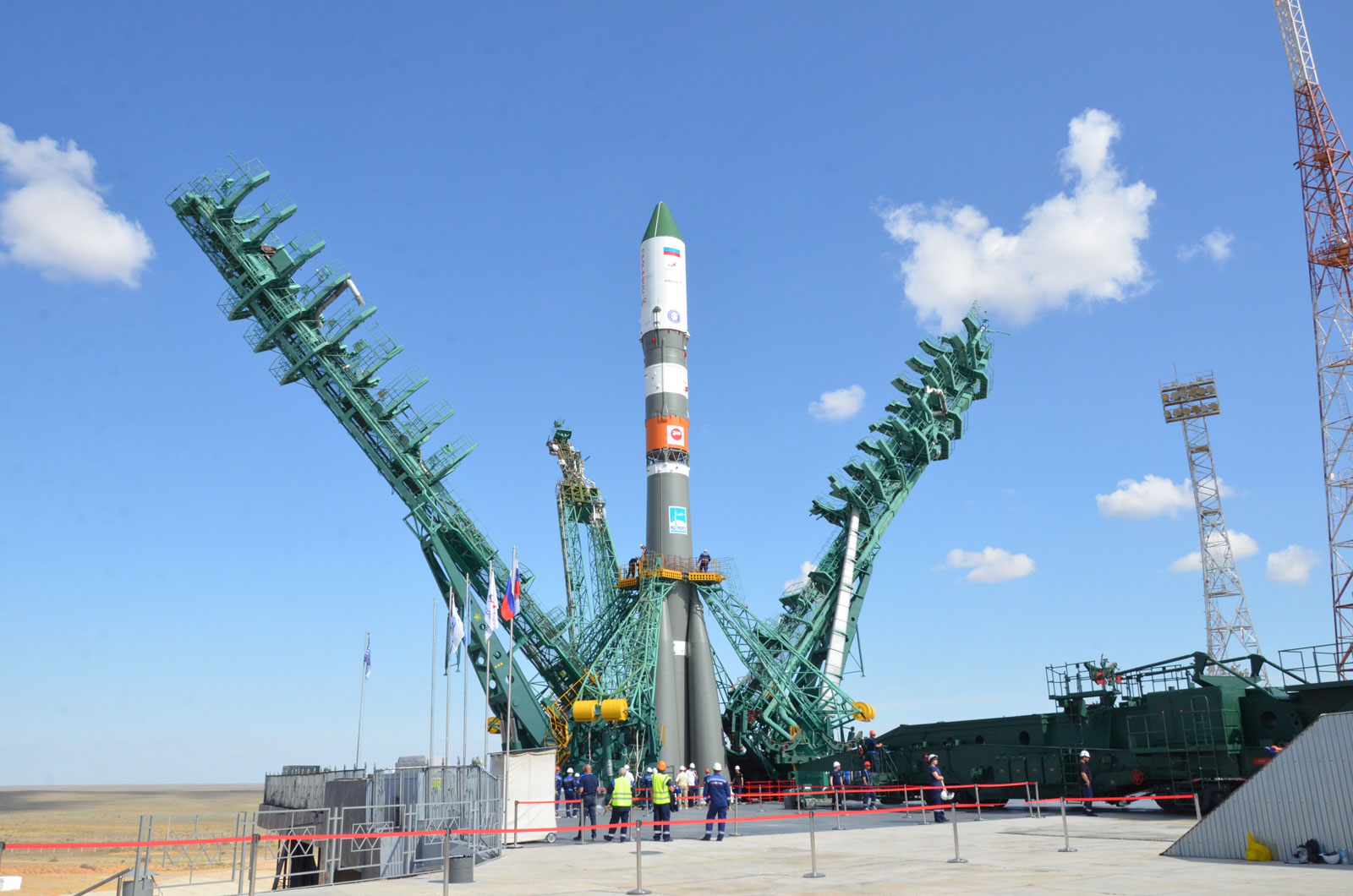
Today's highlights include the debut of a new Chinese rocket, a successful Starlink launch, and concerns about Artemis 3. We also cover DoD developments and a notable SpaceX milestone.