


Space Brief 11 Nov 2025
Record-breaking Chinese launches, SDA funding issues, and a new Starlink milestone highlight today's space news.


Launch Date
November 23, 1990
Launch Site
Launch Pad
LC200/39
Launch Vehicle
Proton-K/DM-2
NORAD ID
20953
International Designator
1990-102A
Epoch
Sat, 04 Jul 2026 05:59:49 GMT
Apogee
Calculating...
Perigee
Calculating...
Inclination
12.71°
Right Ascension
337.12°
Eccentricity
Calculating...
Argument of Perigee
349.33°
Period
1436.31 min
Mean Motion
1.00 rev/day
Latitude
Calculating...
Longitude
Calculating...
Altitude
Calculating...
Velocity
Calculating...
Name
GORIZONT 22
Alternative Name
Gorizont
Type
Status
Owner
MSVYAZ
Country
USSR
Constellation
N/A
Related Satellites
Major Events
N/A
1 20953U 90102A 26185.24988196 -.00000293 00000-0 00000-0 0 9995
2 20953 12.7092 337.1208 0004525 349.3331 185.2931 1.00257058130548
Source: Celestrak
Length
5.5
Diameter
3.3
Span
9.5
Dry Mass
2000
Launch Mass
2120
Shape
Cyl + 2 Pan
Radar Cross Section
3.981
Visual Magnitude
Unknown
Color
Unknown
Material Composition
Unknown
Payload
Gorizont No. 33L
Purpose
Communication
Mission
Communication
Manufacturer
NPOPM
Life Expectancy
3 years
Bus
Gorizont
Configuration
KAUR-3
Motor
Unknown
Equipment
6 C-band transponders, 1 Ku-band transponder
Power System
2 deployable solar arrays, batteries
ADCS
Unknown
Transmitter Frequency
Unknown
Learn more about satellites and other related topics.
Record-breaking Chinese launches, SDA funding issues, and a new Starlink milestone highlight today's space news.

FAA grounds SpaceX Starship V3 after the Flight 12 mishap, freezing the launch schedule. Plus a $2.29B Space Force contract and 10,397 working Starlinks.

Today's brief covers the U.S. Space Force's new international strategy, Northrop Grumman's Golden Dome project, and ULA's Vulcan launches, alongside military budget priorities.

The bustling downtown of space: where most satellites operate, communication networks bloom, and the challenges of atmospheric drag and radiation shape our approach to space operations

SpaceX to launch Koreasat-6A on a record-tying Falcon 9 flight, and 24 Starlink satellites later today.
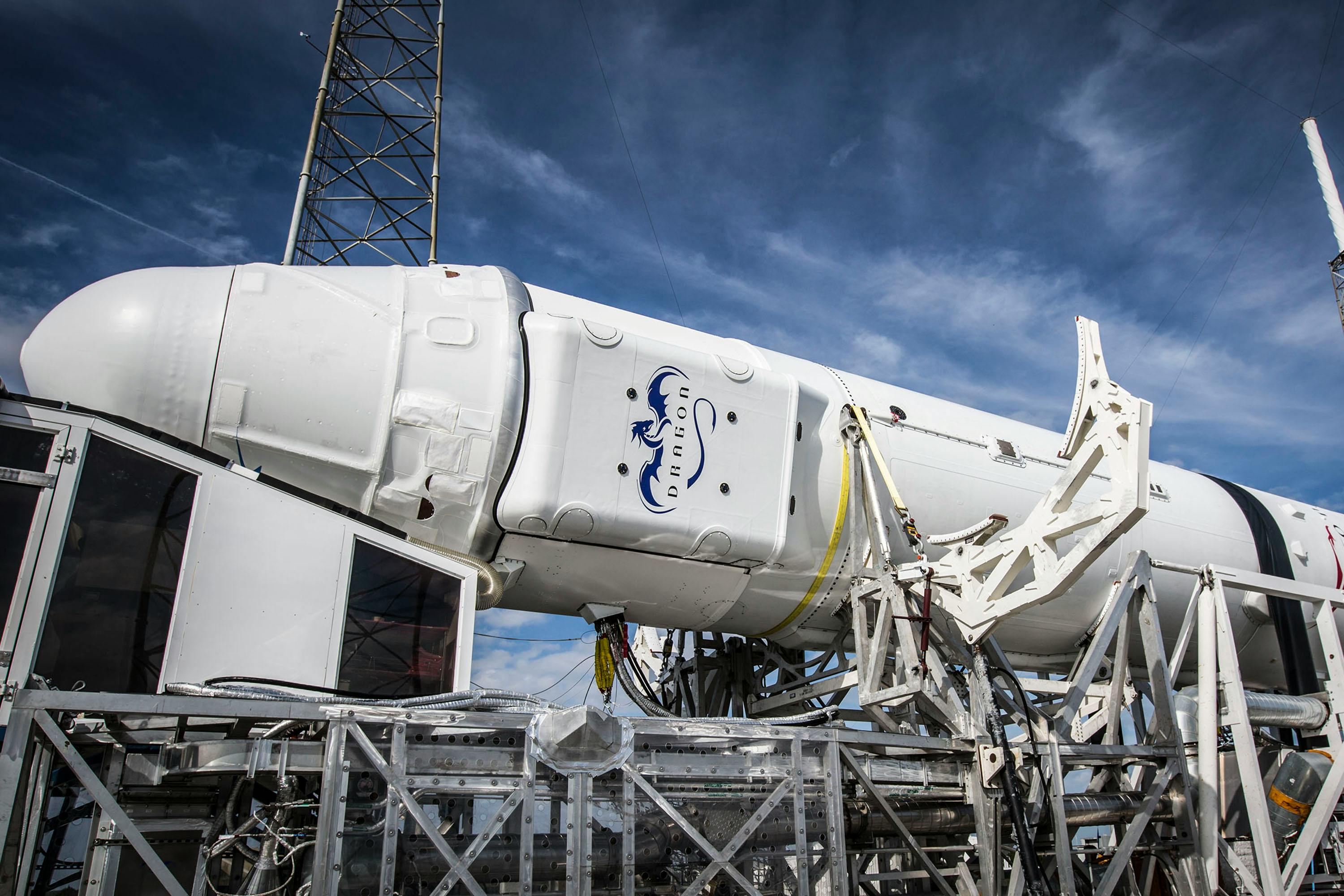
SpaceX successfully launched 27 Starlink satellites, marking another milestone for its broadband internet service. Meanwhile, the latest GPS III satellite was also launched for the U.S. military, showcasing SpaceX's multifaceted capabilities.
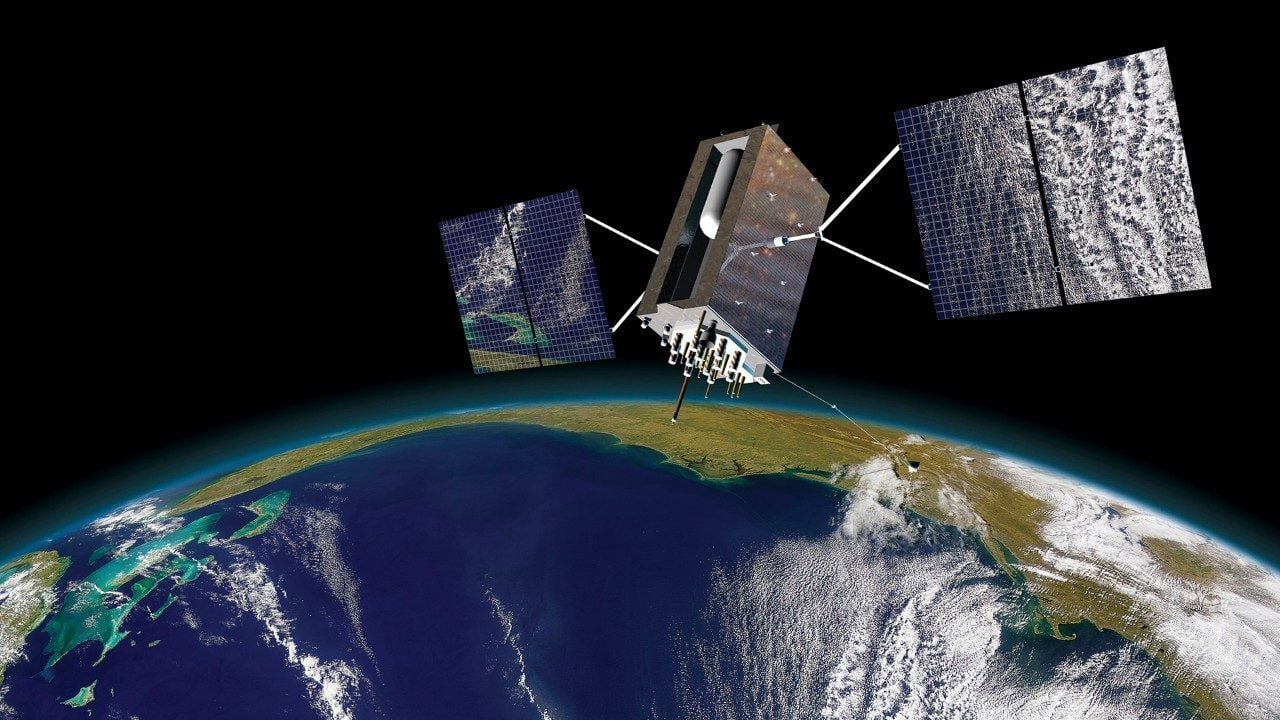
On April 17, 2026, the U.S. Space Force officially cancelled the Next Generation Operational Control System after sixteen years of development, cost overruns, and testing failures. The $8 billion program was supposed to unlock the military's encrypted GPS signal. Instead, the satellites are flying with capabilities the ground can't command.
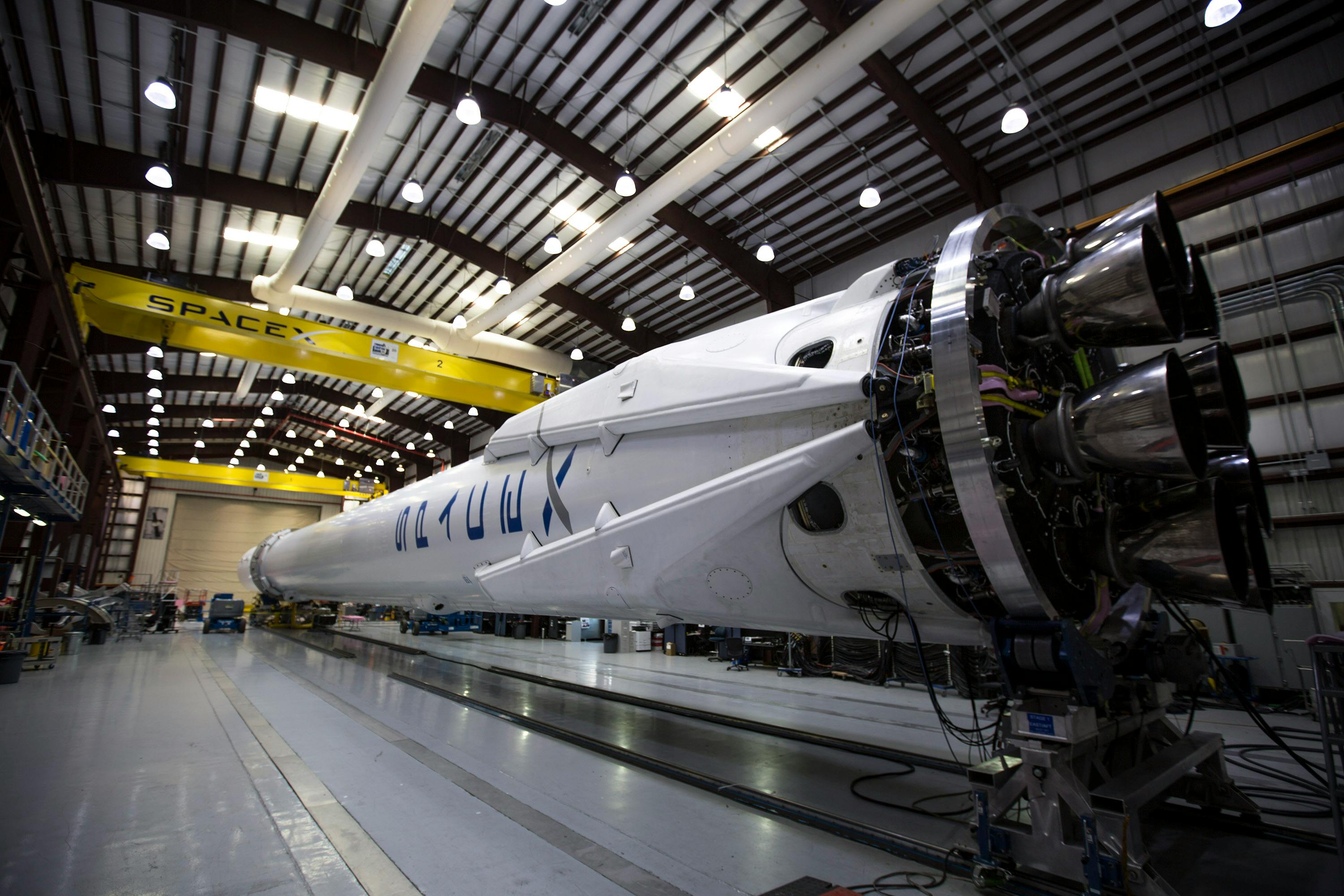
SpaceX advances with Starship readiness, scrubs mysterious RRT-1 launch, and successfully deploys more Starlink satellites.