


X Report 14 Apr 2025
SpaceX sets a new reuse record with Falcon 9's 27th flight, continuing its Starlink deployment while facing challenges with Starship development.


Launch Date
November 23, 1990
Launch Site
PLMSC
Launch Pad
LC43/3
Launch Vehicle
Molniya 8K78M
NORAD ID
20952
International Designator
1990-101D
Decay Date
12/15/2004
Name
SL-6 R/B(2)
Alternative Name
Blok-ML
Type
Status
Owner
RVSN
Country
USSR
Constellation
N/A
Related Satellites
Major Events
N/A
Length
3.3
Diameter
2.3
Span
3.3
Dry Mass
900
Launch Mass
4500
Shape
Cyl
Radar Cross Section
7.6998
Visual Magnitude
Unknown
Color
Unknown
Material Composition
Unknown
Payload
Blok-ML
Purpose
Unknown
Mission
Unknown
Manufacturer
NPOE
Life Expectancy
Unknown
Bus
Blok-L
Configuration
Unknown
Motor
Unknown
Equipment
Unknown
Power System
Unknown
ADCS
Unknown
Transmitter Frequency
Unknown
Learn more about satellites and other related topics.
SpaceX sets a new reuse record with Falcon 9's 27th flight, continuing its Starlink deployment while facing challenges with Starship development.
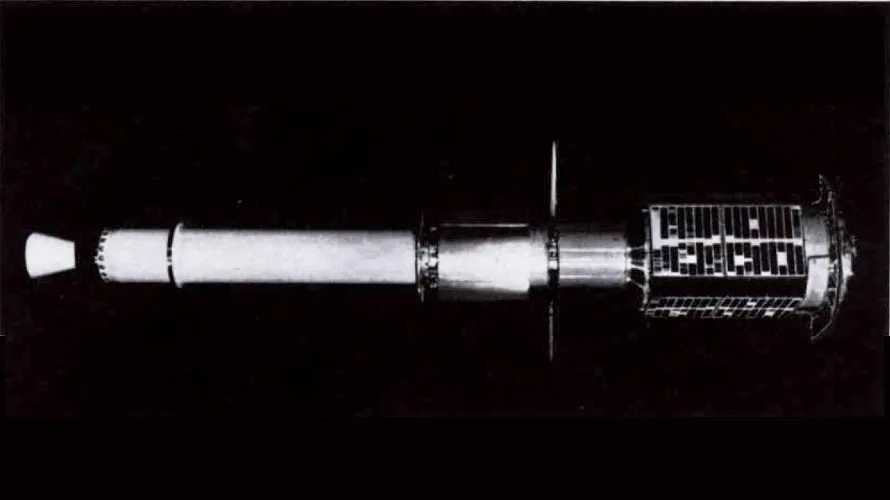
On April 27, 1961, a Scout rocket lifted a 37-kilogram NASA satellite into orbit from Wallops Island carrying the first serious instrument for detecting cosmic gamma rays. Explorer 11 operated for seven months before its tape recorder failed. In that time it registered 22 gamma-ray photons - a pitiful number by modern standards, but enough to launch an entire branch of astronomy.
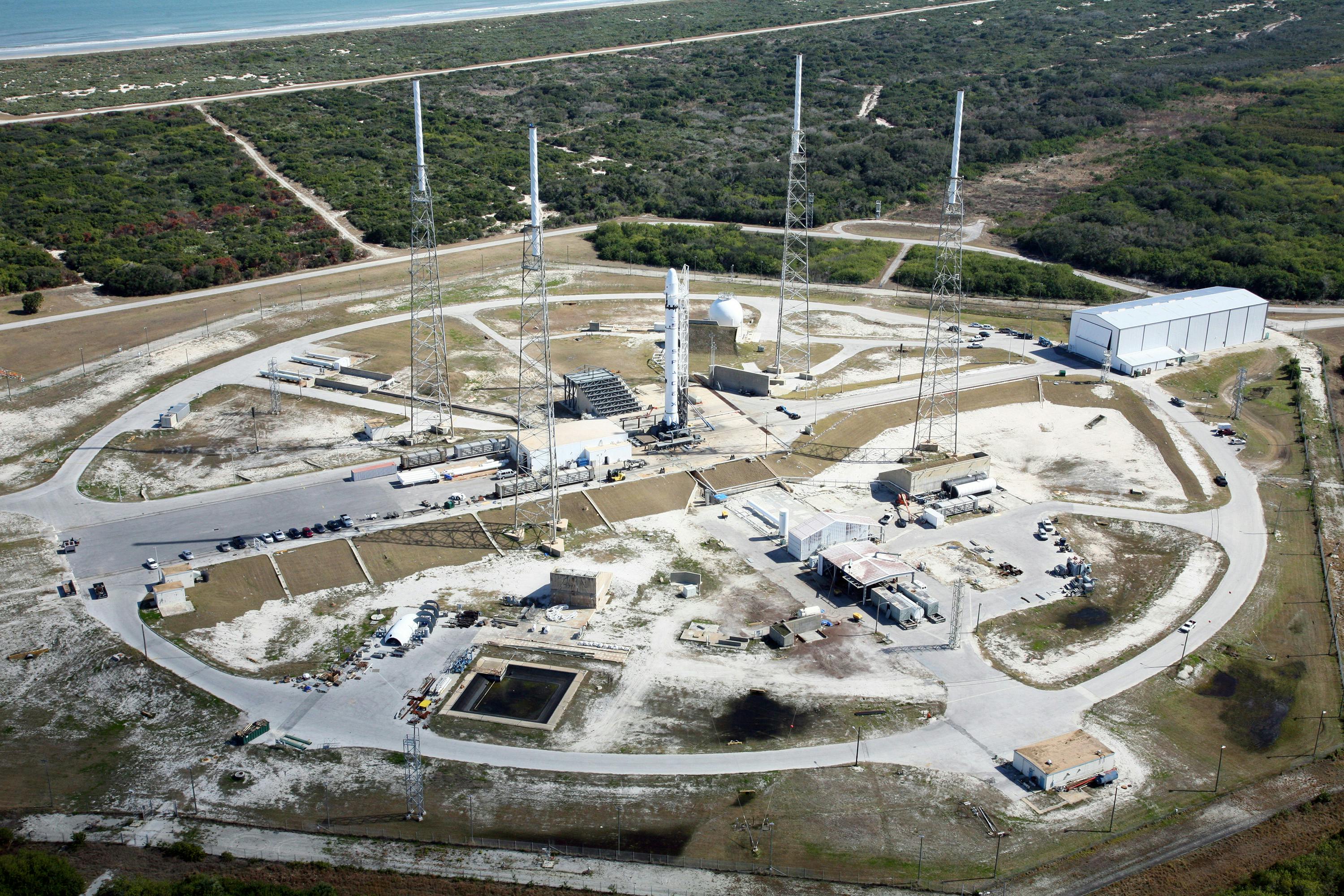
SpaceX makes strides with Starship testing while Starlink faces mounting competition as Viasat eyes Telesat's LEO capacity.

SpaceX successfully launched another batch of Starlink satellites in a night mission, marking a significant return to evening launches post-regulations.
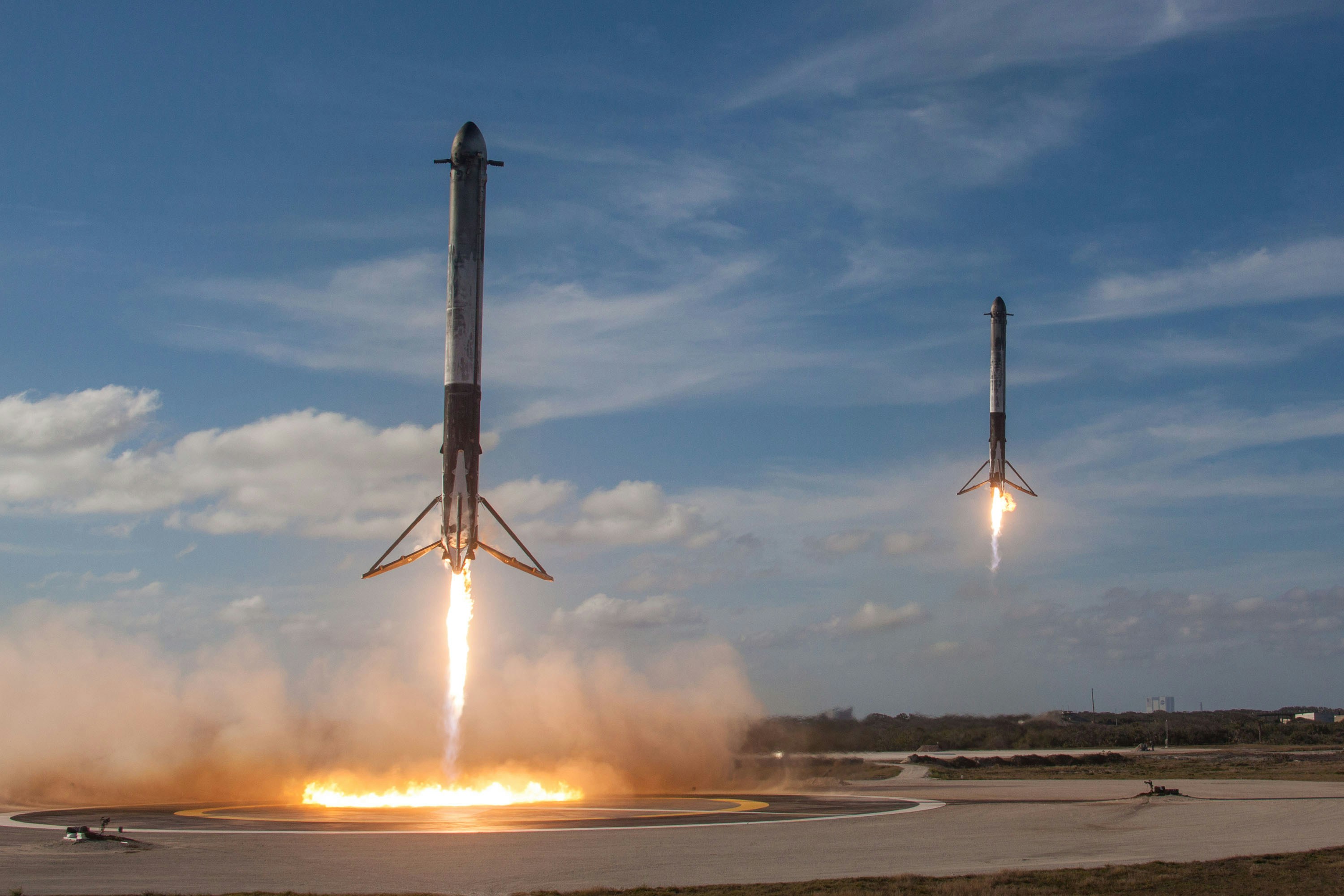
SpaceX is exploring alternative options for static fire tests amid infrastructure setbacks, emphasizing their adaptability in operations.
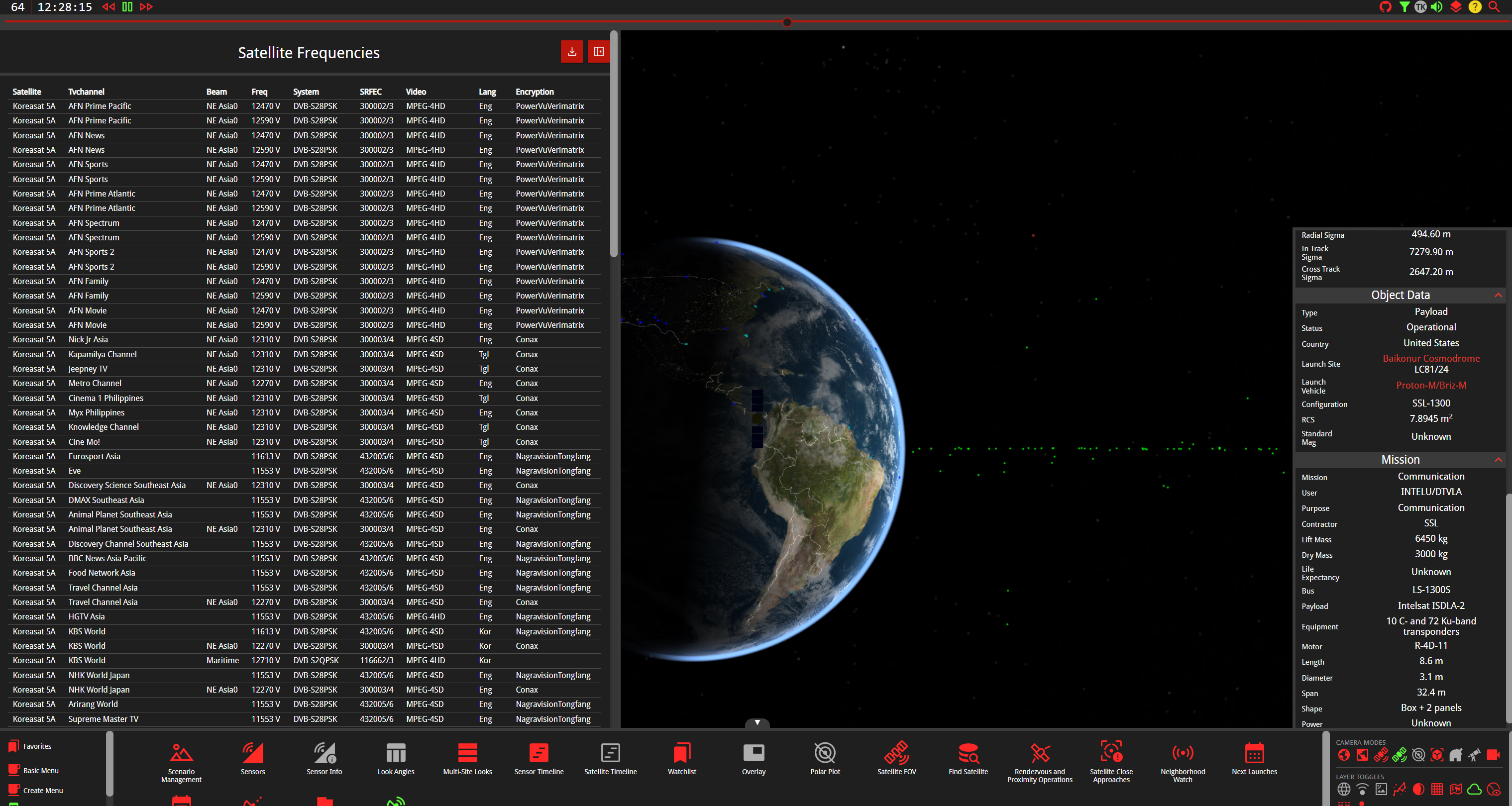
The workhorse frequency band that quietly powers satellite communications, weather radar, and Wi-Fi around the world
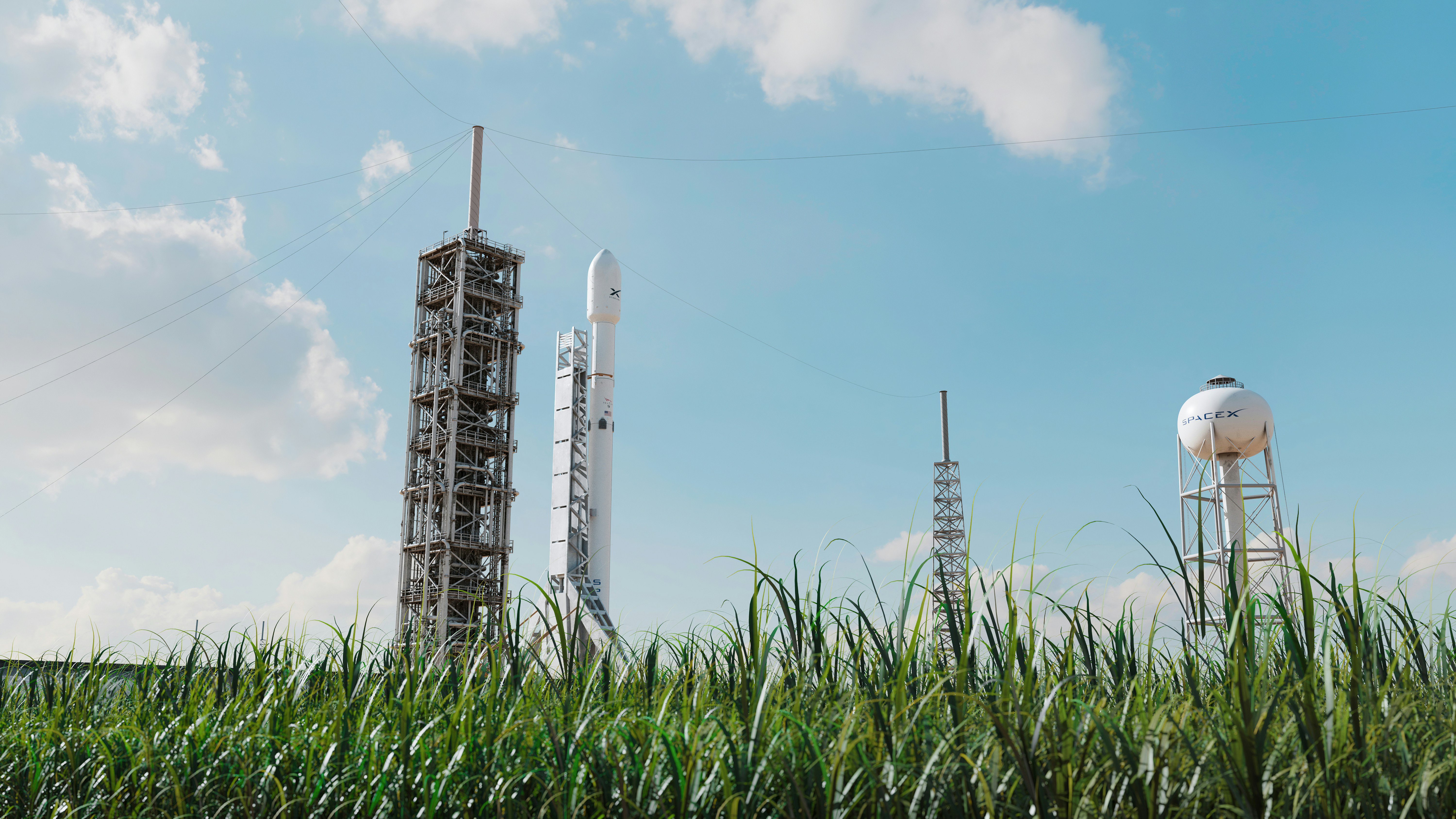
SpaceX wraps up 2024 with successful Starlink and Astranis launches, while reflecting on a monumental year for the Starship program.

SpaceX scrubs Crew-10 launch due to hydraulics issue; successful Falcon 9 launch for NASA missions, and Texas supports SpaceX expansion.