


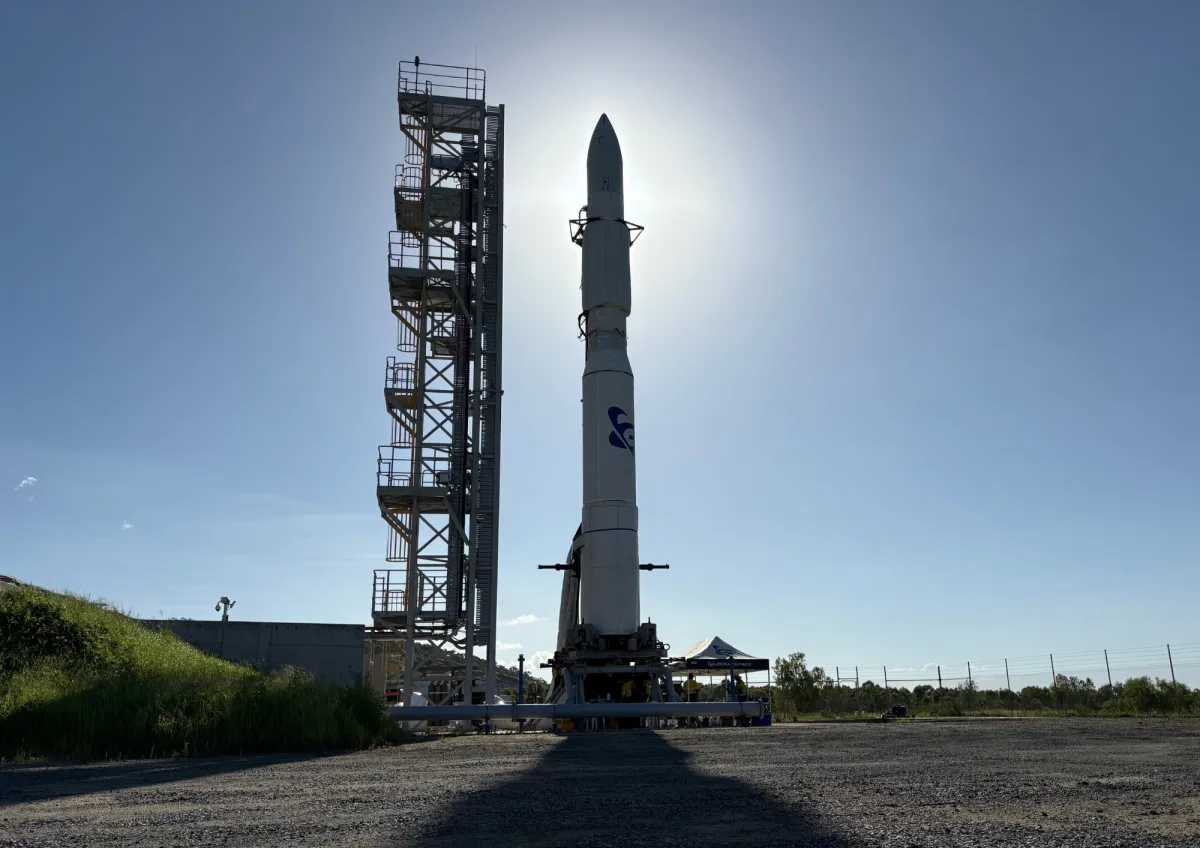
Space Brief 7 Mar 2025
Key insights from the latest SpaceX Starship breakup, the establishment of a new satellite mobile service, and enhancing America's missile shield capabilities through satellites.



Launch Date
September 3, 1990
Launch Site
TAISC
Launch Pad
LC7
Launch Vehicle
Chang Zheng 4
NORAD ID
20853
International Designator
1990-081R
Epoch
Sat, 04 Jul 2026 06:32:05 GMT
Apogee
Calculating...
Perigee
Calculating...
Inclination
98.24°
Right Ascension
195.03°
Eccentricity
Calculating...
Argument of Perigee
213.41°
Period
98.06 min
Mean Motion
14.68 rev/day
Latitude
Calculating...
Longitude
Calculating...
Altitude
Calculating...
Velocity
Calculating...
Name
CZ-4 DEB
Alternative Name
deb CZ-4 Y2 Stage 3
Type
Status
Owner
MAI2
Country
China
Constellation
N/A
Related Satellites
Major Events
N/A
1 20853U 90081R 26185.27228267 .00010839 00000-0 18755-2 0 9993
2 20853 98.2402 195.0330 0013597 213.4083 157.2943 14.68460546860911
Source: Celestrak
Length
0
Diameter
0
Span
0
Dry Mass
0
Launch Mass
0
Shape
N/A
Radar Cross Section
0.564
Visual Magnitude
Unknown
Color
Unknown
Material Composition
Unknown
Payload
Unknown
Purpose
Unknown
Mission
Unknown
Manufacturer
Unknown
Life Expectancy
Unknown
Bus
Unknown
Configuration
Unknown
Motor
Unknown
Equipment
Unknown
Power System
Unknown
ADCS
Unknown
Transmitter Frequency
Unknown
Learn more about satellites and other related topics.
Key insights from the latest SpaceX Starship breakup, the establishment of a new satellite mobile service, and enhancing America's missile shield capabilities through satellites.

SpaceX achieves new milestones with Starlink launches, and Elon Musk's influence is a point of discussion. Telesat makes strides amid Starlink's growing dominance.
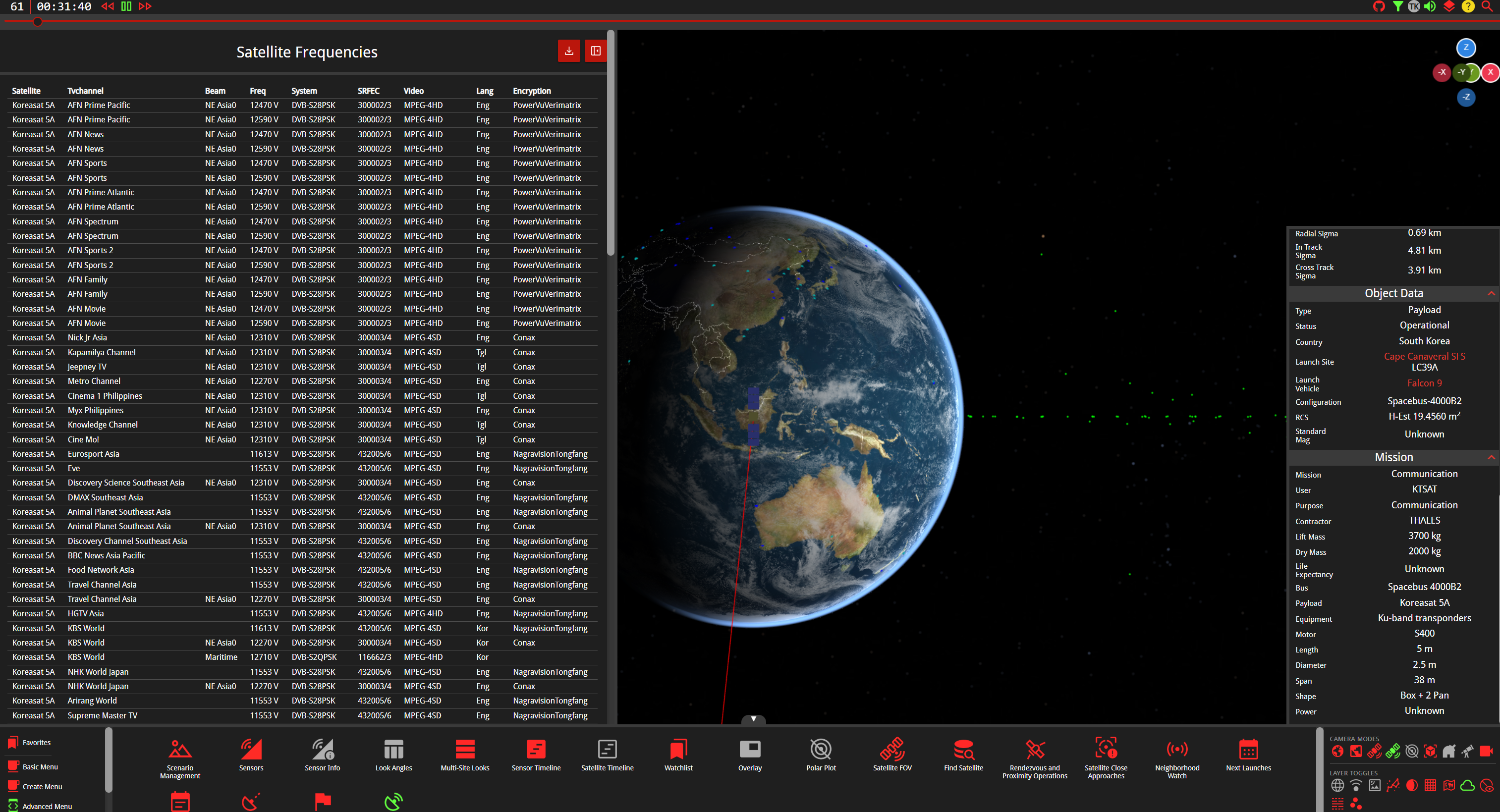
The frequency band that brought satellite TV to small dishes on rooftops and revolutionized direct-to-home broadcasting

SpaceX marks a successful launch of 21 Starlink satellites, follows up after Starship explosion, and influences Qantas flights amid a busy operational schedule.
Starbase Pad 2 passes water-cooled deck test ahead of Booster 19. Starlink restrictions disrupt Russian battlefield communications. California city weighs banning Musk companies.
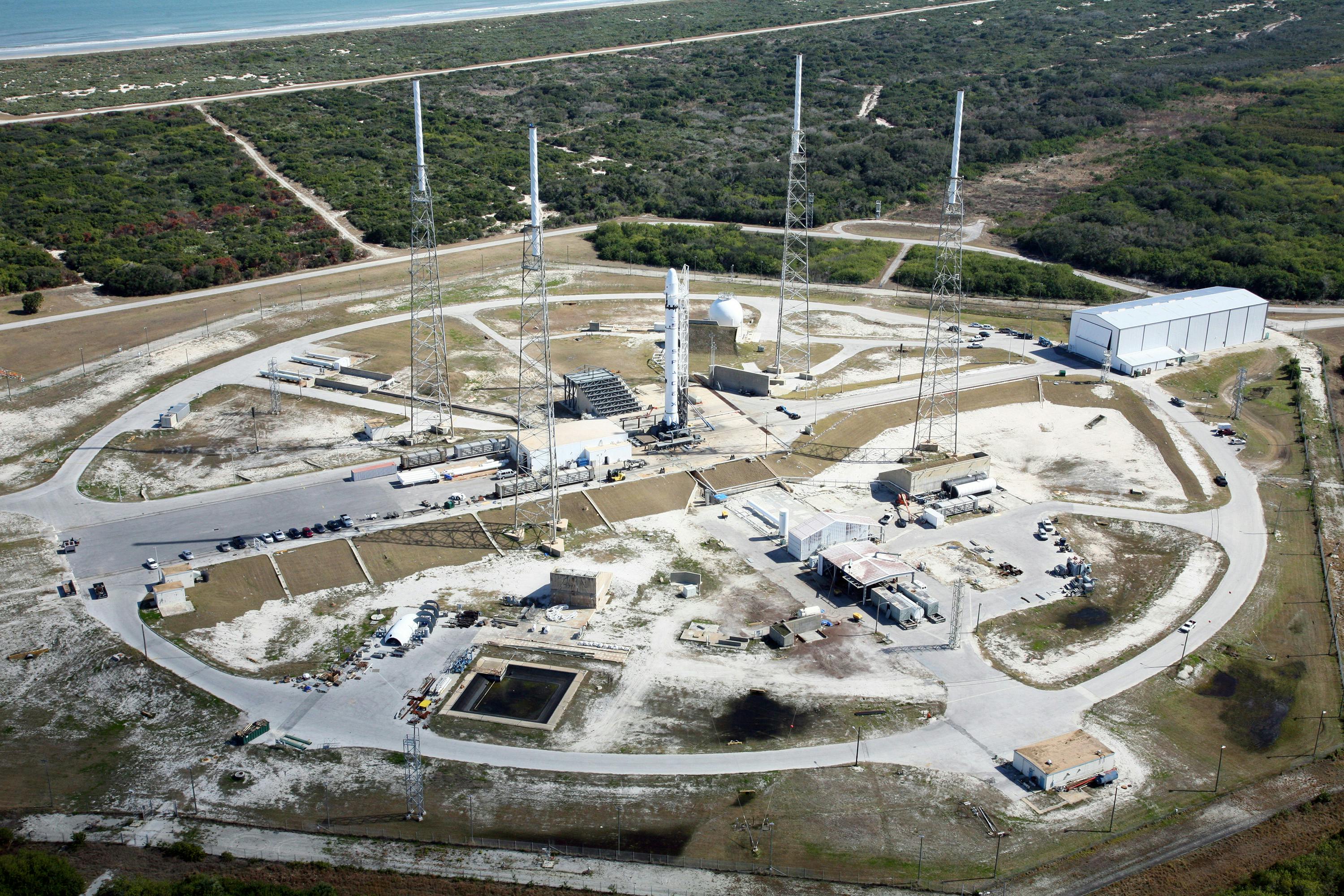
SpaceX's pivotal role in setting a new global launch record and the upcoming launch of the Thuraya 4-NGS satellite are spotlighted today.
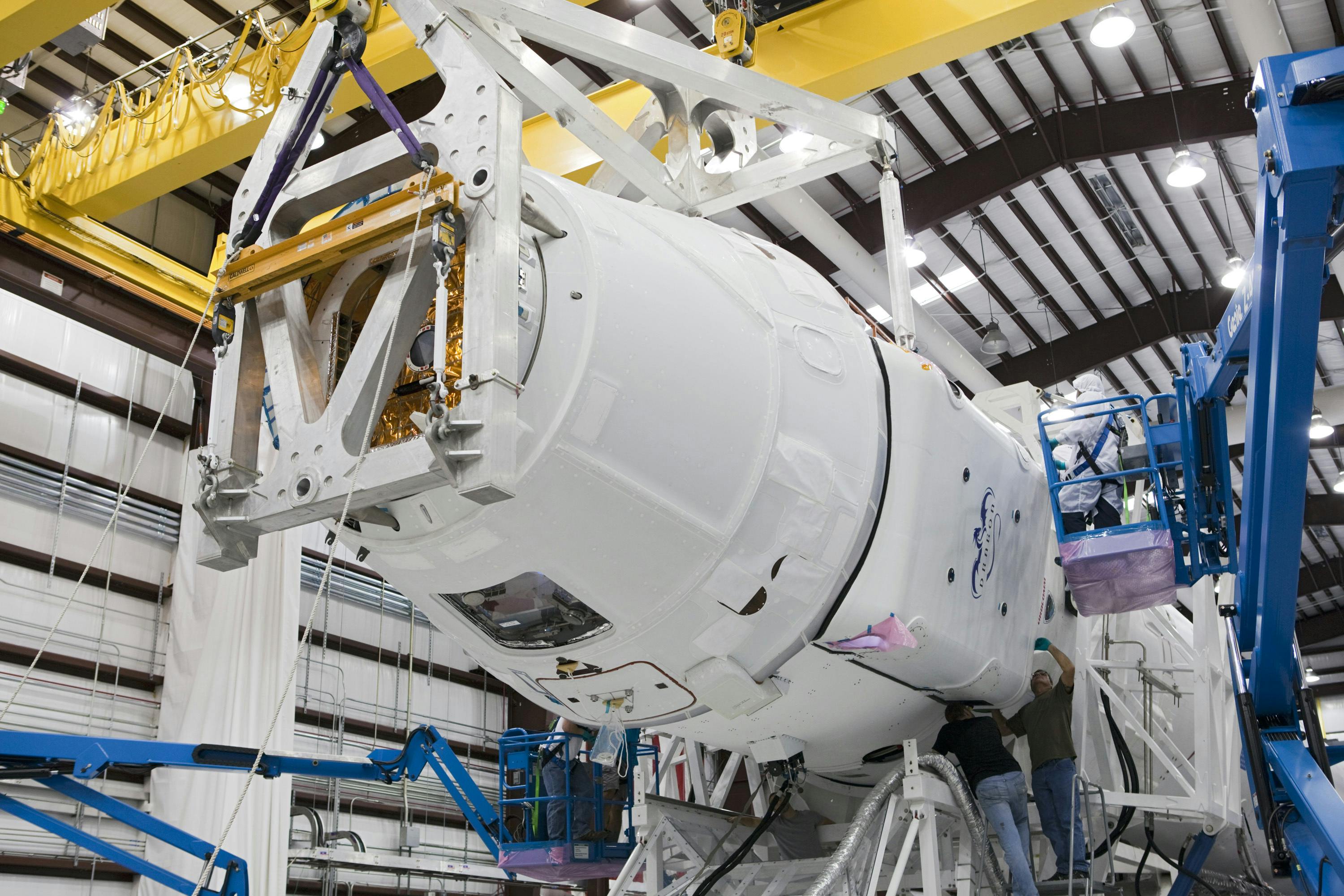
SpaceX has completed the investigation into Starship Flight 7, announcing causes ahead of the next planned launch, while numerous missions are lined up for launch this week.
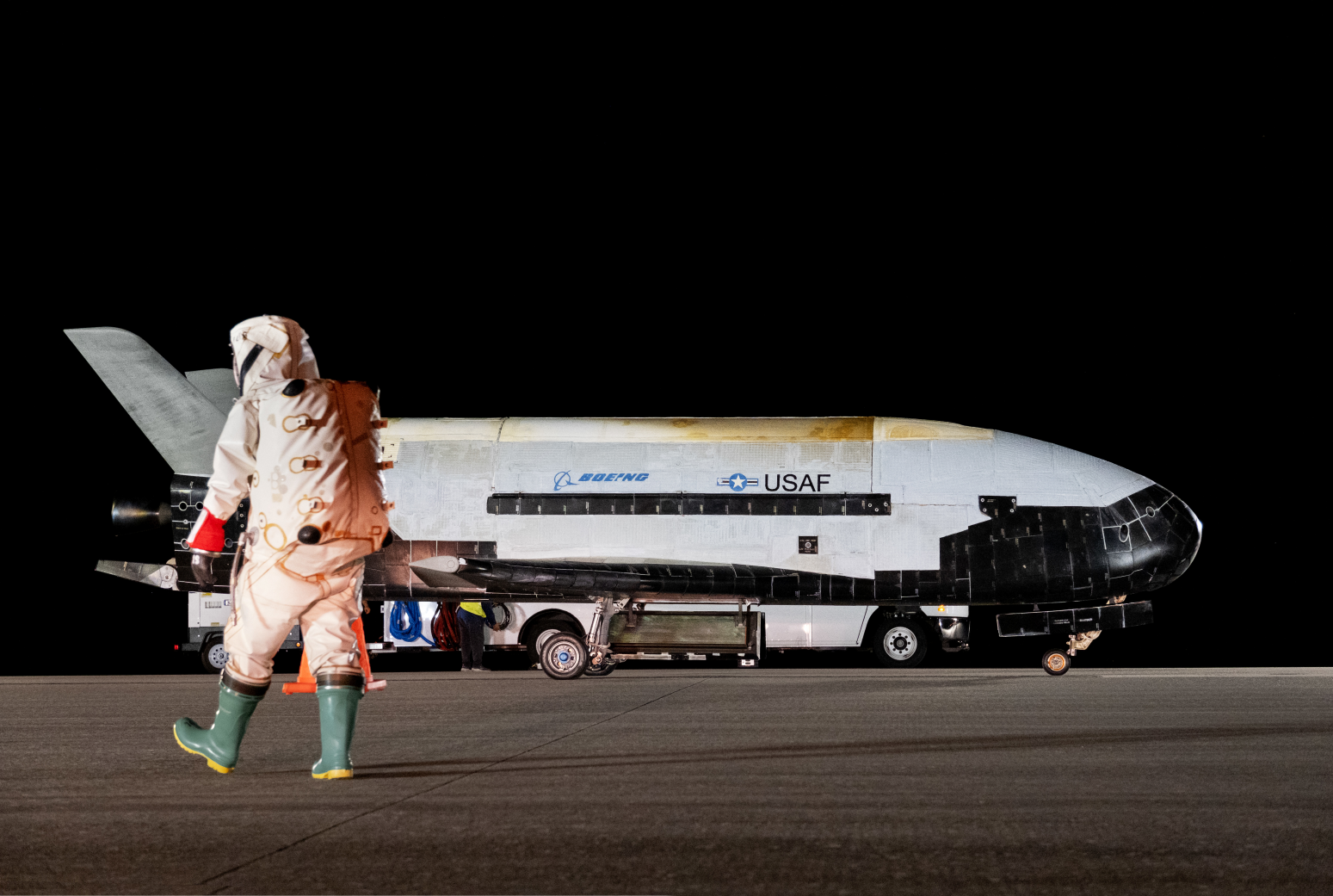
On April 22, 2010, an Atlas V lifted off from Cape Canaveral carrying a reusable robotic spaceplane so secret that the Air Force would not even confirm its mission duration. It came back 224 days later, lighter, quieter, and more operational than anyone outside Washington had expected. Fifteen years later, the X-37B is still flying, and the military still will not say what it does.