


X Report 3 Jul 2025
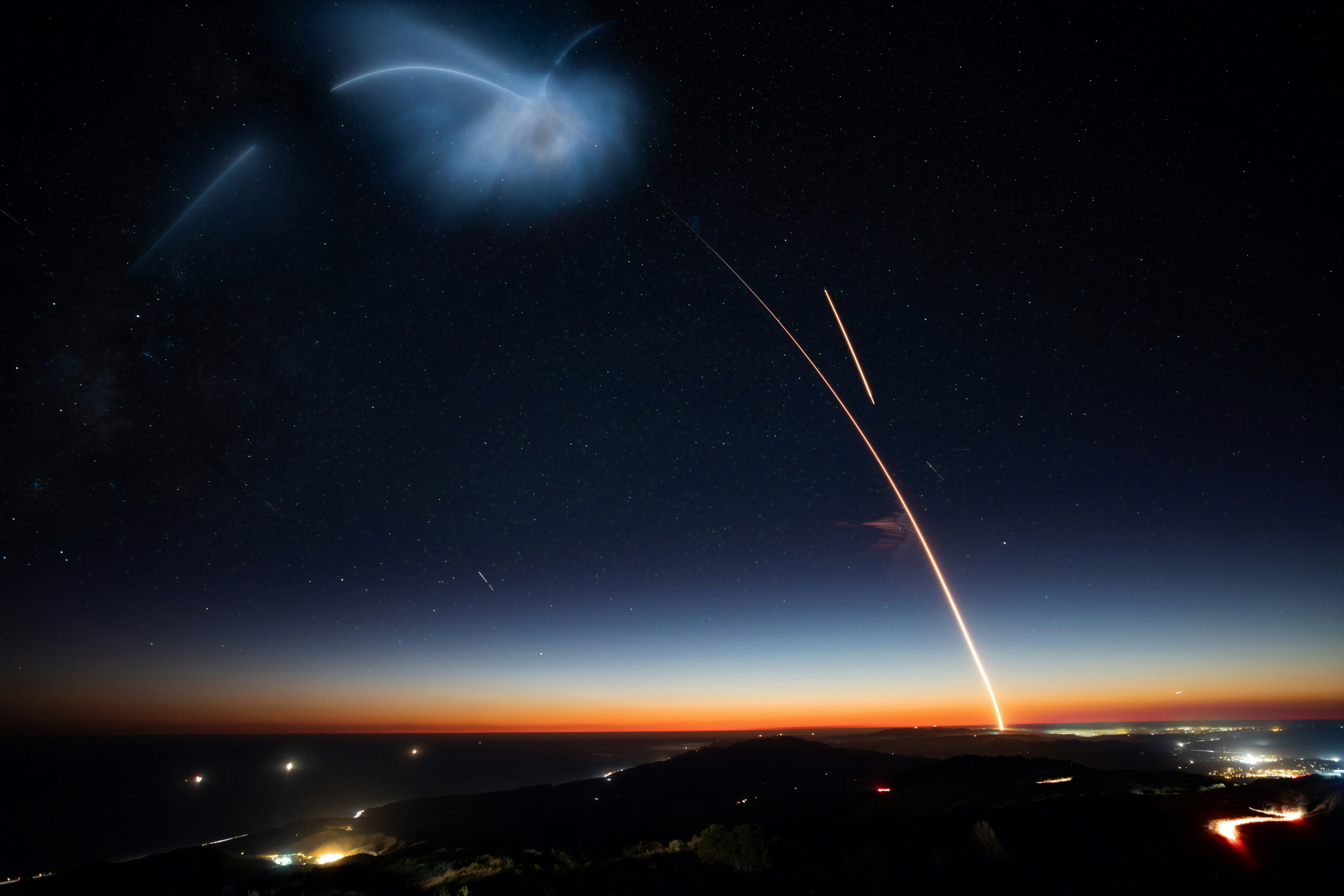
In a landmark achievement, SpaceX celebrated its 500th Falcon 9 launch by deploying 27 Starlink satellites while simultaneously advancing its reuse strategy with record-breaking milestones.


Launch Date
June 16, 1978
Launch Site
Launch Pad
LC17B
Launch Vehicle
Delta 2914
NORAD ID
20801
International Designator
1978-062D
Epoch
Thu, 02 Jul 2026 13:08:00 GMT
Apogee
Calculating...
Perigee
Calculating...
Inclination
6.41°
Right Ascension
284.51°
Eccentricity
Calculating...
Argument of Perigee
93.80°
Period
1447.52 min
Mean Motion
0.99 rev/day
Latitude
Calculating...
Longitude
Calculating...
Altitude
Calculating...
Velocity
Calculating...
Name
GOES 3 AKM
Alternative Name
SVM-5
Type
Status
Owner
GSFC
Country
United States
Constellation
N/A
Related Satellites
Major Events
N/A
1 20801U 78062D 26183.54723291 -.00000044 00000-0 00000+0 0 9995
2 20801 6.4112 284.5126 0104629 93.7997 281.9466 0.99480297 47129
Source: Celestrak
Length
0.9
Diameter
0.8
Span
0.9
Dry Mass
31
Launch Mass
335
Shape
Cyl
Radar Cross Section
0.4472
Visual Magnitude
Unknown
Color
Unknown
Material Composition
Unknown
Payload
SVM-5
Purpose
Unknown
Mission
Unknown
Manufacturer
AJ
Life Expectancy
Unknown
Bus
SVM
Configuration
Unknown
Motor
SVM-5
Equipment
Unknown
Power System
Unknown
ADCS
Unknown
Transmitter Frequency
Unknown
Learn more about satellites and other related topics.
In a landmark achievement, SpaceX celebrated its 500th Falcon 9 launch by deploying 27 Starlink satellites while simultaneously advancing its reuse strategy with record-breaking milestones.
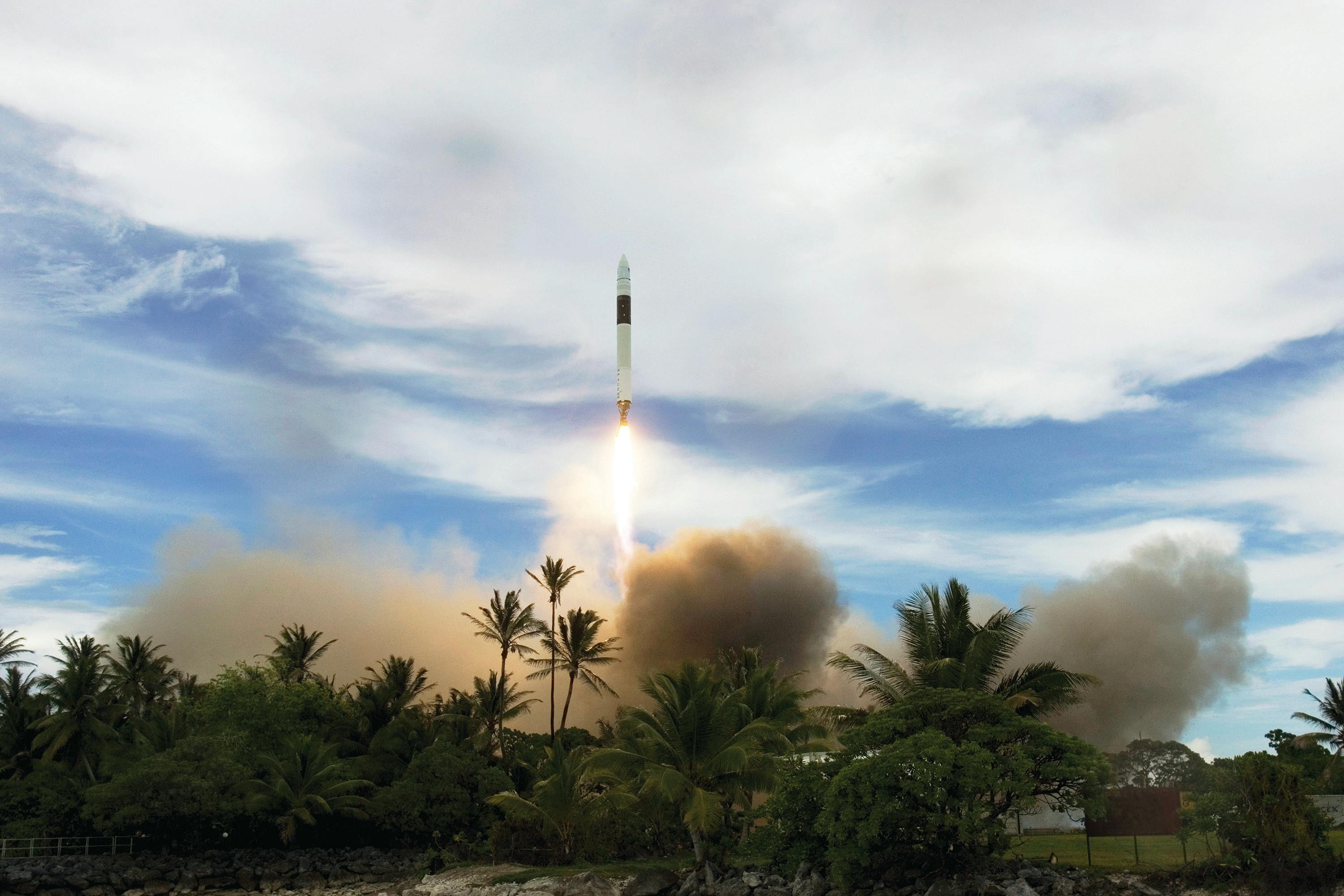
Starlink satellites in orbit May 2026: 10,374, with 10,358 working. Mission 17-29 lifts 24 more from Vandenberg and a satellite films the Starlink train.

Today's briefing covers the U.S. Space Force's substantial investments in commercial satellite services, a strategic military shift, Chinese space station upgrades, and NASA's policy changes.
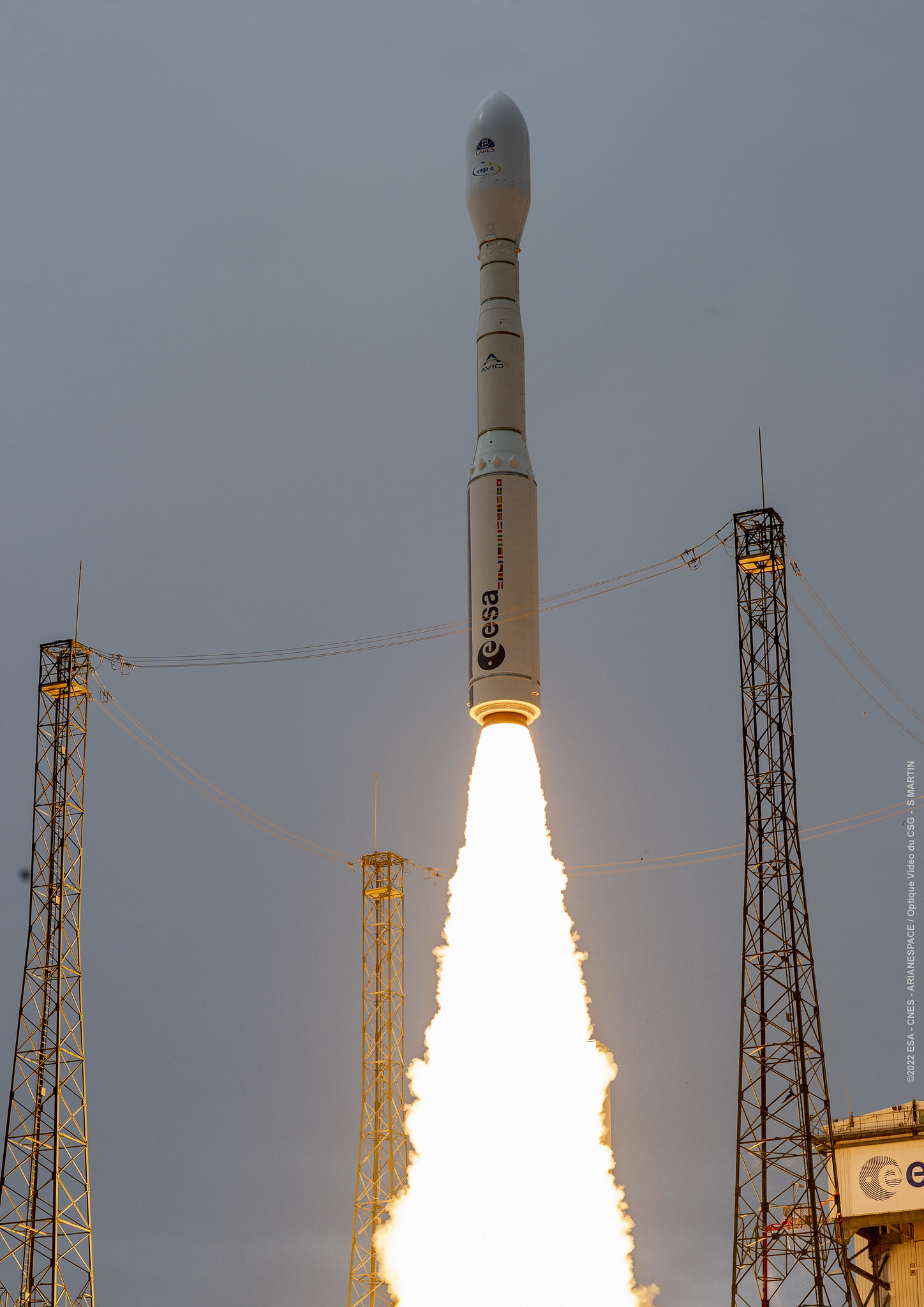
Today's space brief covers SpaceX's new contract with the U.S. Space Force, multiple Starlink launches, Rocket Lab's rapid launch success, and the final mission of Japan's H-IIA rocket.

Today's highlights include Space Force prioritizing military missions, testing new GPS satellite software, and international defense collaborations impacting space assets.
Key topics: SpaceX resumes Falcon 9 launches, mysterious Starliner sounds, and upcoming space policy events. Detailed tracking info for EGYPTSAT A.

On April 22, 2026, the FAA published a final rule implementing per-launch user fees for commercial space transportation — the first time the U.S. government has charged payload-based fees for rocket launches. Starting at 25 cents per pound with a $30,000 cap, the fees are modest today. By 2033, they won't be.

SpaceX successfully launched the Sentinel-6B satellite to monitor global sea levels while resuming daytime rocket launches. Furthermore, delays in the Starship timeline impact NASA's Artemis 3 mission schedule.