


X Report 18 Nov 2025
SpaceX successfully launched the Sentinel-6B satellite to monitor global sea levels while resuming daytime rocket launches. Furthermore, delays in the Starship timeline impact NASA's Artemis 3 mission schedule.


Launch Date
August 28, 1990
Launch Site
TANSC
Launch Pad
N
Launch Vehicle
H-1
NORAD ID
20773
International Designator
1990-077C
Decay Date
3/15/1991
Name
H-1 R/B(2)
Alternative Name
H-I-22F Stage 3
Type
Status
Owner
NASDA
Country
Japan
Constellation
N/A
Related Satellites
Major Events
N/A
Length
2.3
Diameter
1.3
Span
2.3
Dry Mass
168
Launch Mass
2118
Shape
Sphere + Cone
Radar Cross Section
2.986
Visual Magnitude
Unknown
Color
Unknown
Material Composition
Unknown
Payload
UM129A
Purpose
Unknown
Mission
Unknown
Manufacturer
NISS
Life Expectancy
Unknown
Bus
UM-129A
Configuration
Unknown
Motor
Unknown
Equipment
Unknown
Power System
Unknown
ADCS
Unknown
Transmitter Frequency
Unknown
Learn more about satellites and other related topics.
SpaceX successfully launched the Sentinel-6B satellite to monitor global sea levels while resuming daytime rocket launches. Furthermore, delays in the Starship timeline impact NASA's Artemis 3 mission schedule.
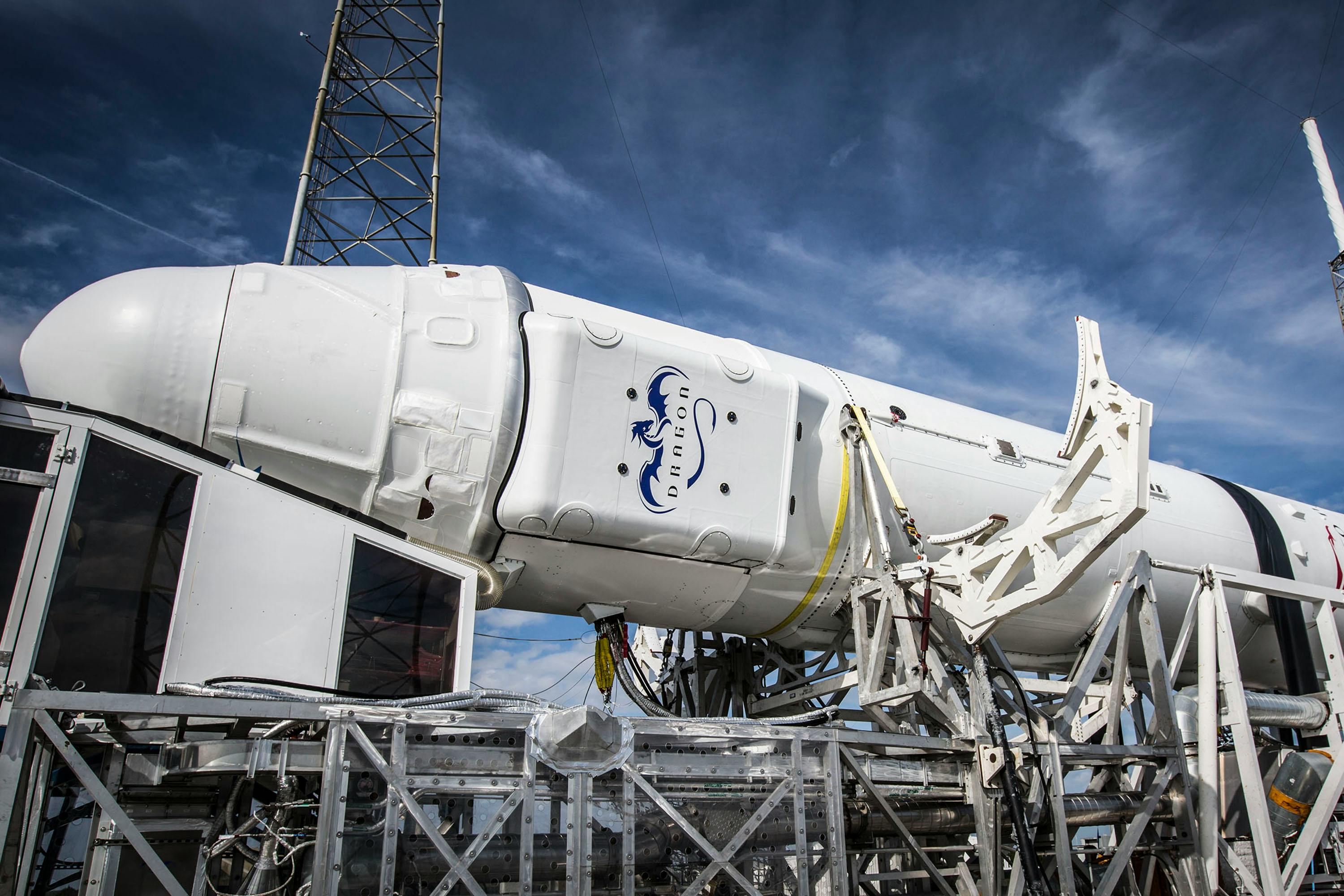
FAA documents expose SpaceX's Starfall reentry vehicle program, targeting in-space manufacturing support as the Starlink constellation holds 10,397 working satellites.

SpaceX achieves new milestones with Starlink launches, and Elon Musk's influence is a point of discussion. Telesat makes strides amid Starlink's growing dominance.

Expansion of national security capabilities with new services, shifts in Pentagon priorities, challenges in zero trust compliance, and more.
Today's Space Brief covers China's latest satellite launch, Russian threats to UK satellites, European defense strategies, and upcoming satellite launches from SatLeo and Quantum Space.

Northrop Grumman's GEM 63XL solid rocket booster passed static fire testing, but ULA's investigation into a February 2026 Vulcan in-flight anomaly remains open. No RTF date set.
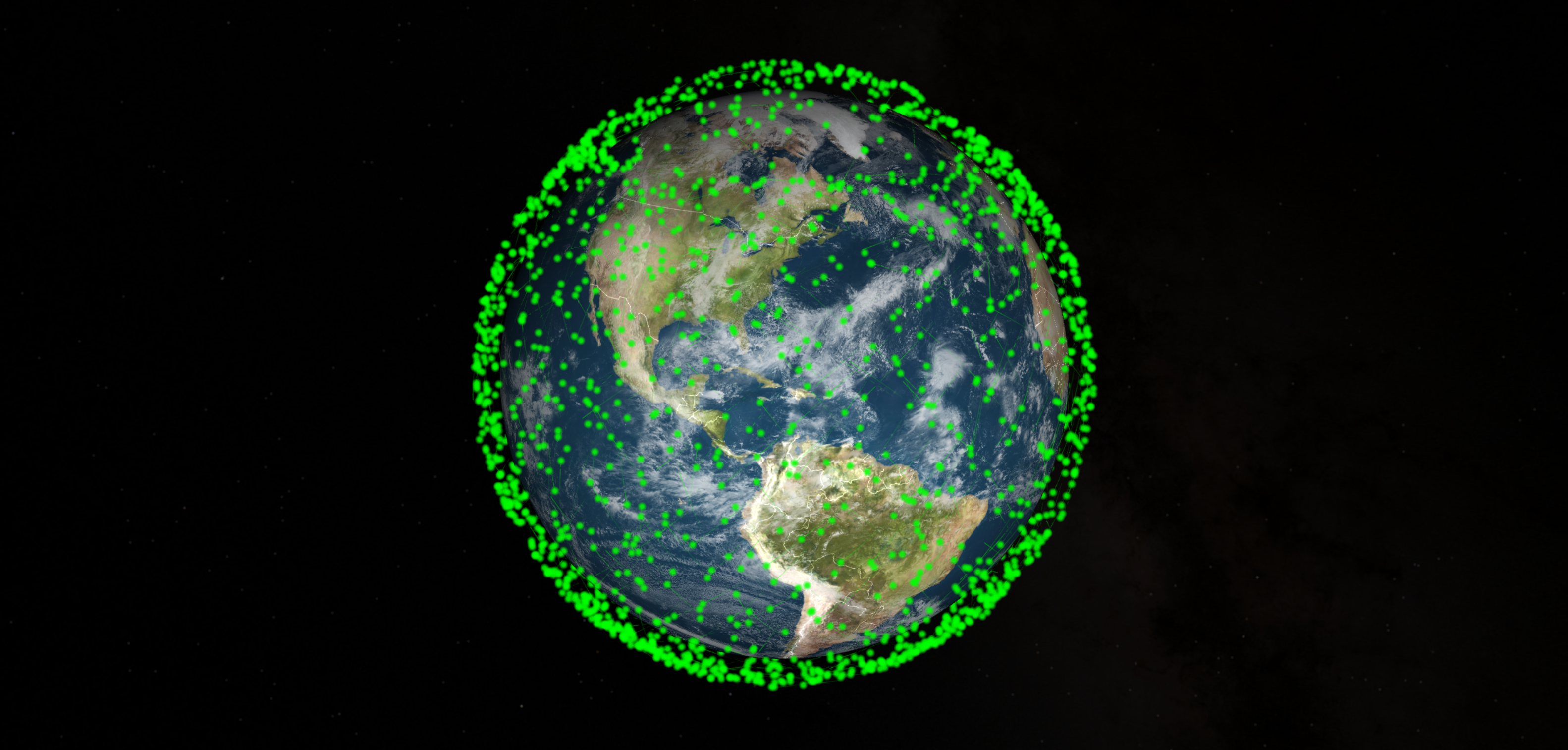
SpaceX quietly built the world's largest 4G network without a single cell tower. Over 650 satellites now connect standard smartphones directly from orbit, and most people carrying compatible phones don't know the service exists.
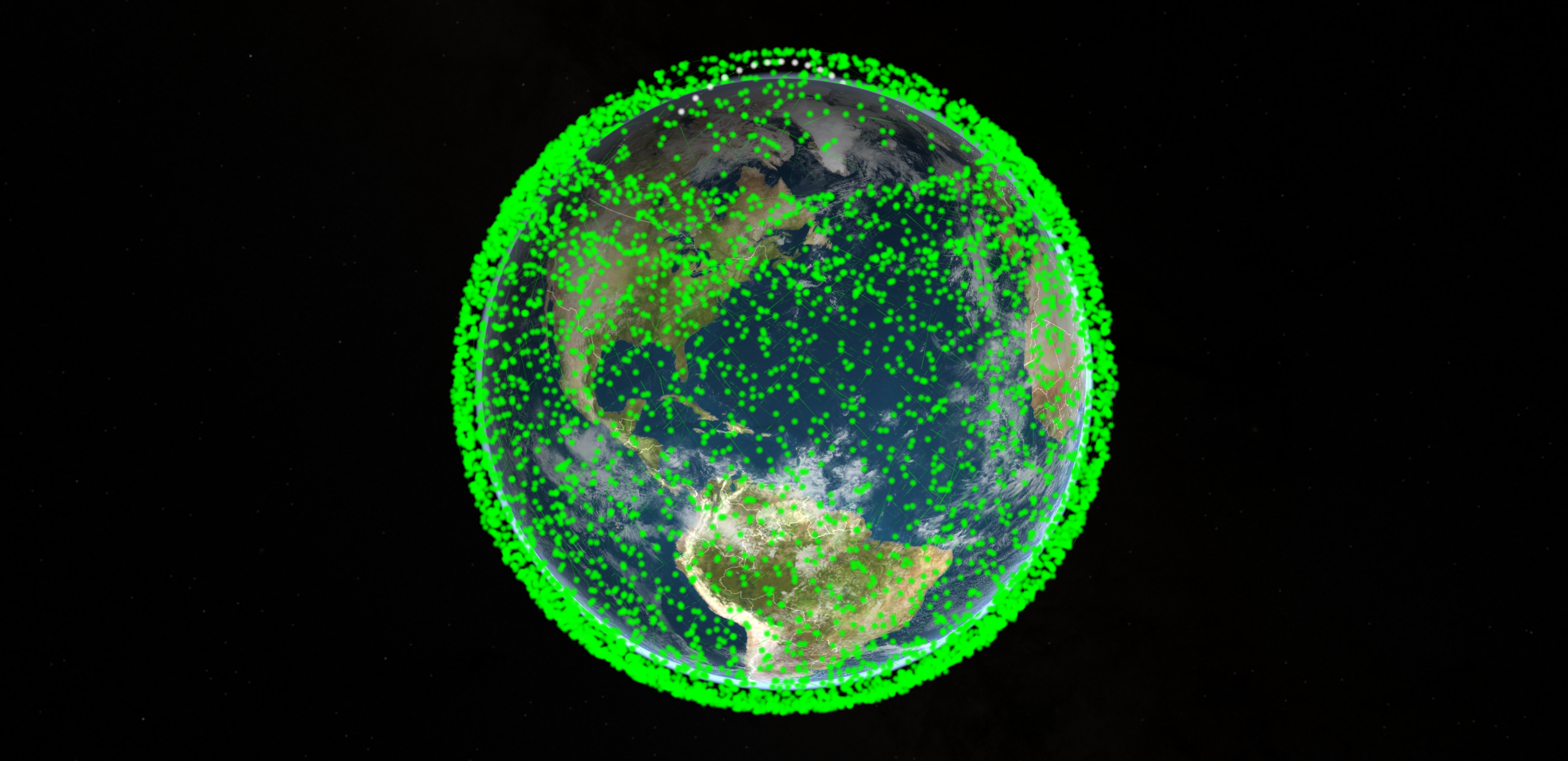
STARLINK-34343 broke apart at 560 kilometers. SpaceX's response - launch more satellites the next morning - tells you everything about the confidence gap between fleet statistics and individual failure modes.