


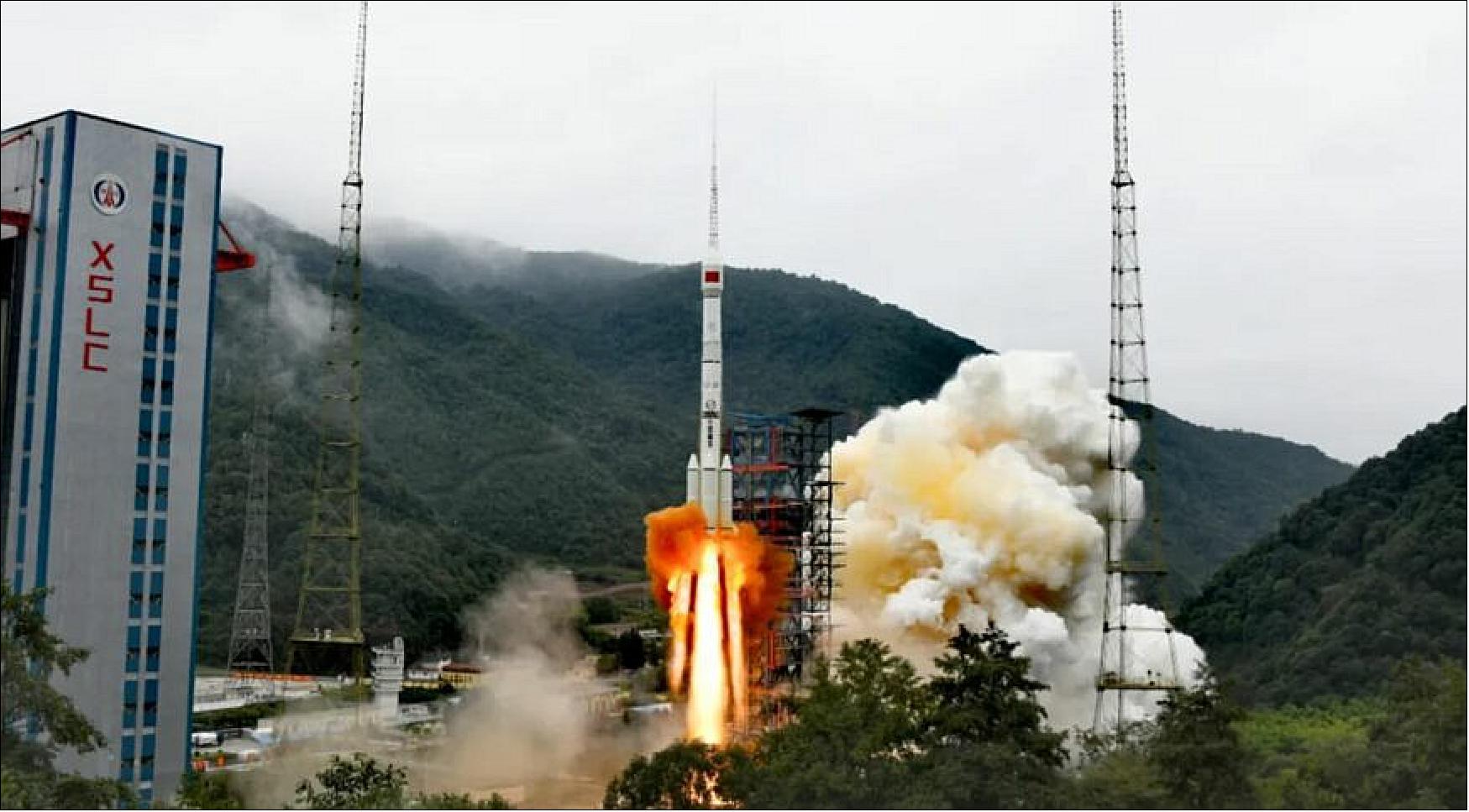
Space Brief 26 Oct 2024
Explore the recent signing of the Artemis Accords by Chile, Boeing's strategic considerations, and captivating space missions including China's satellite endeavors and the James Webb Space Telescope's latest discovery.


Launch Date
August 18, 1990
Launch Site
Launch Pad
LC17B
Launch Vehicle
Delta 6925
NORAD ID
20763
International Designator
1990-074B
Epoch
Sat, 04 Jul 2026 07:07:01 GMT
Apogee
Calculating...
Perigee
Calculating...
Inclination
24.76°
Right Ascension
183.54°
Eccentricity
Calculating...
Argument of Perigee
8.12°
Period
98.36 min
Mean Motion
14.64 rev/day
Latitude
Calculating...
Longitude
Calculating...
Altitude
Calculating...
Velocity
Calculating...
Name
DELTA 2 R/B
Alternative Name
Delta 198
Type
Status
Owner
MDAC
Country
United States
Constellation
N/A
Related Satellites
Major Events
N/A
1 20763U 90074B 26185.29654411 .00006160 00000-0 48672-3 0 9995
2 20763 24.7570 183.5387 0327743 8.1225 352.4436 14.64077280880501
Source: Celestrak
Length
7
Diameter
2.4
Span
7
Dry Mass
919
Launch Mass
6930
Shape
Cyl + Cone
Radar Cross Section
9.9491
Visual Magnitude
Unknown
Color
Unknown
Material Composition
Unknown
Payload
Delta SSPS AJ10-118K
Purpose
Unknown
Mission
Unknown
Manufacturer
MDAC
Life Expectancy
Unknown
Bus
Delta/0020
Configuration
Unknown
Motor
Unknown
Equipment
Unknown
Power System
Unknown
ADCS
Unknown
Transmitter Frequency
Unknown
Learn more about satellites and other related topics.
Explore the recent signing of the Artemis Accords by Chile, Boeing's strategic considerations, and captivating space missions including China's satellite endeavors and the James Webb Space Telescope's latest discovery.
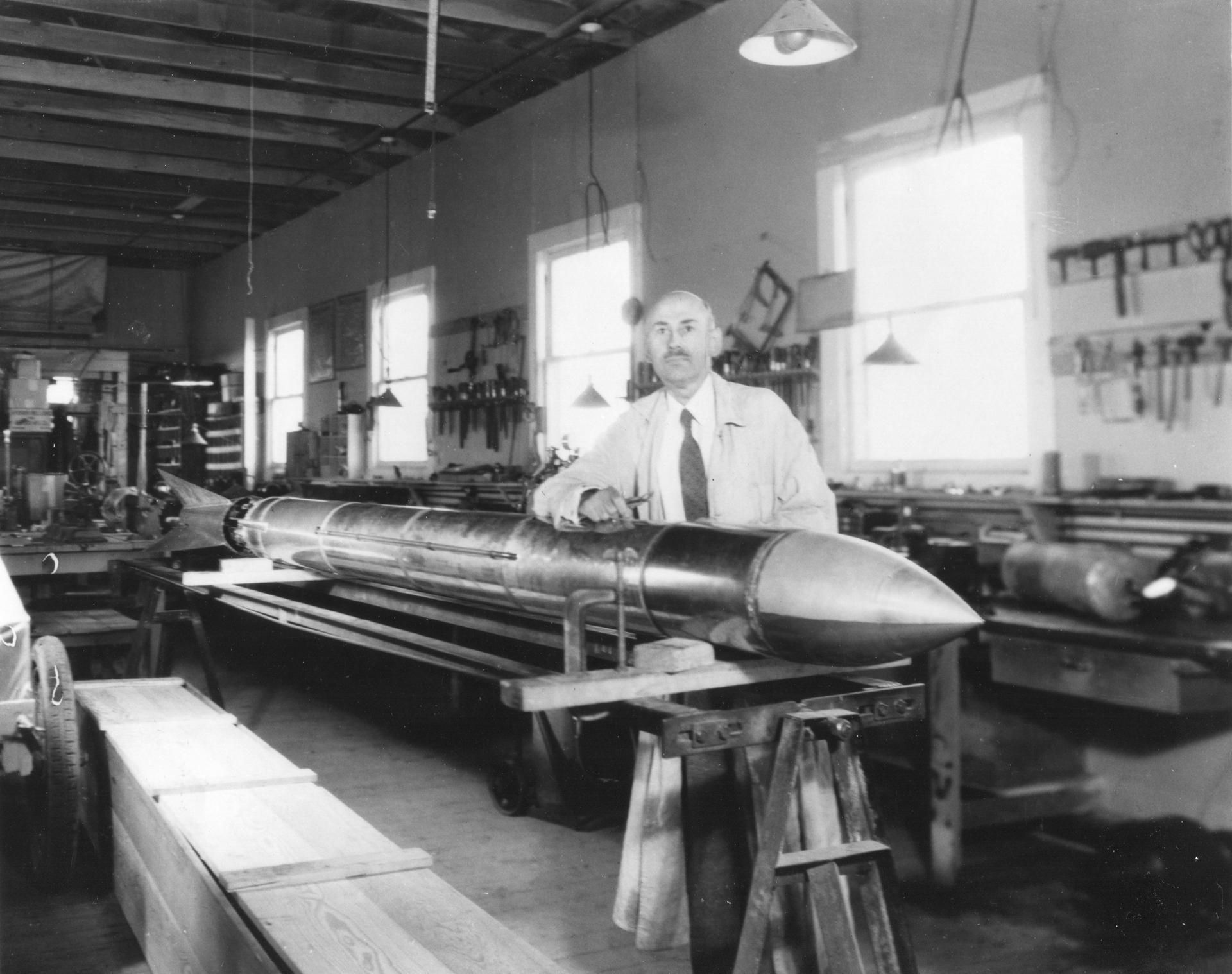
On February 2, 1909, Robert Goddard made a revolutionary breakthrough in his notebook: liquid oxygen and liquid hydrogen could achieve 50% efficiency in converting heat energy to kinetic energy for rocket propulsion
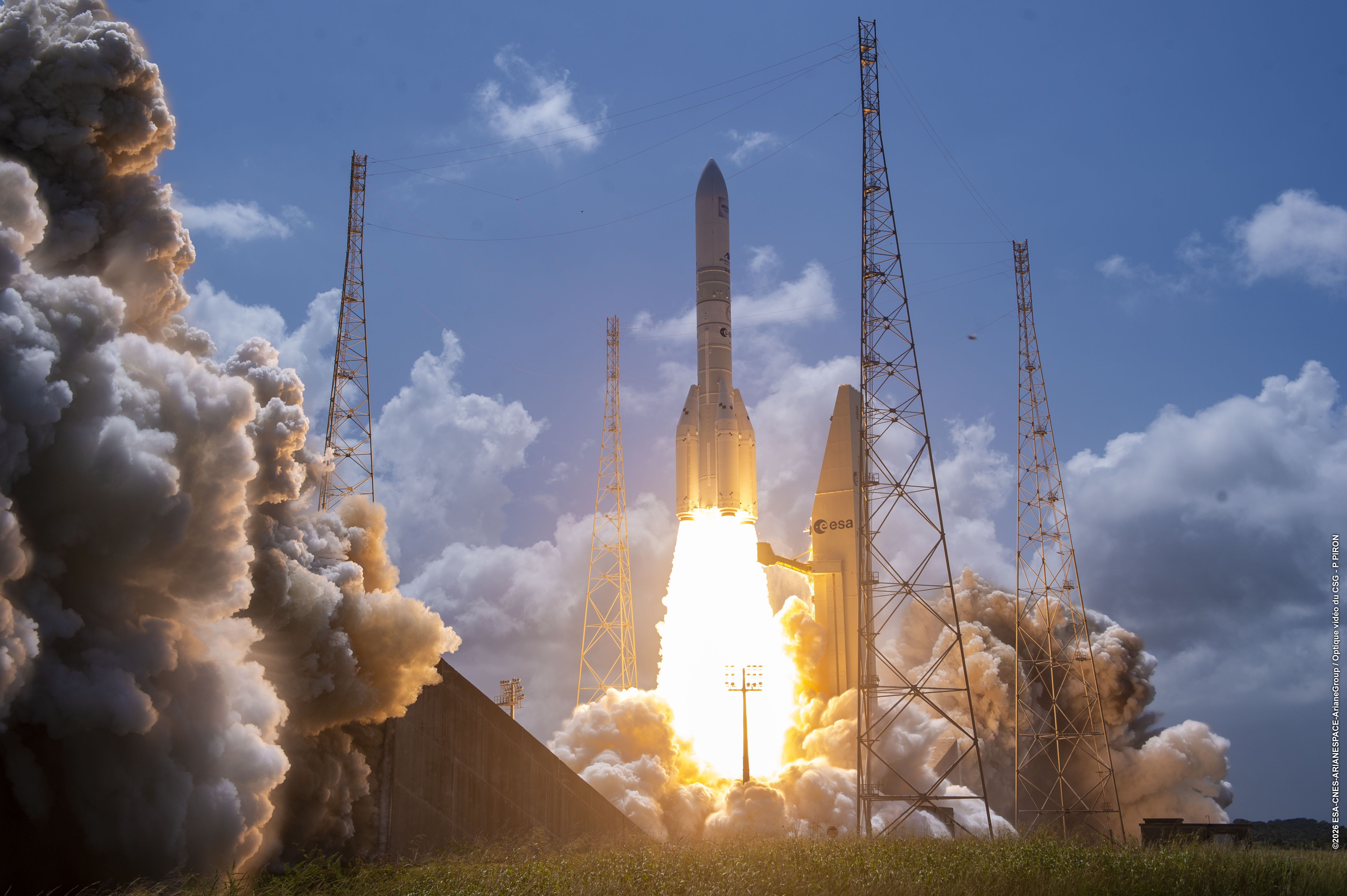
Space Force RCO awarded SBIR contracts for radar-detection payloads to counter adversary surveillance of U.S. satellites. Follow-on miniaturization effort already planned.
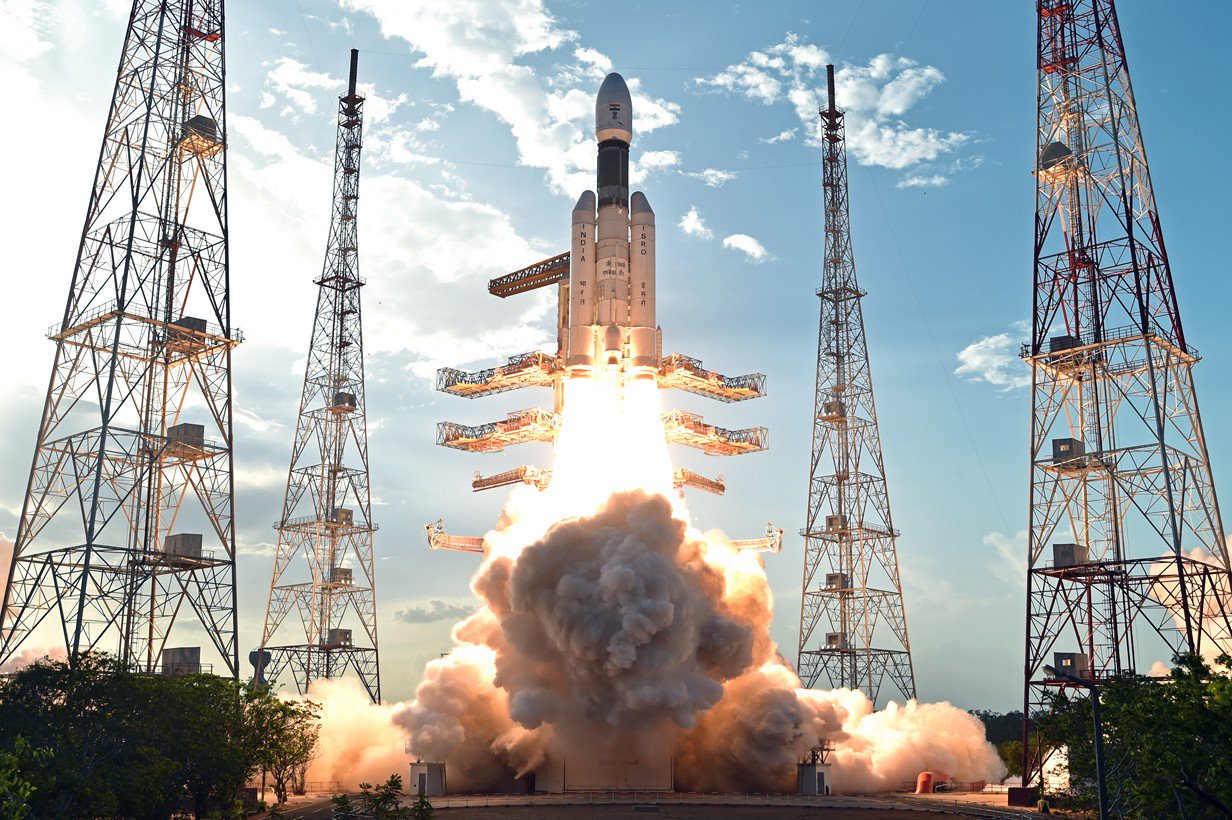
Today's brief covers an increase in Chinese satellite launches, the operational status of the Space Force's ATLAS software, and a significant fundraising event in the defense sector.

Today's focus: Sidus Space's new AI edge computer, Space Force's dynamic operations initiative, and key Pentagon acquisition reforms.

Today's Space Brief covers China's Haiyang-4 satellite launch, Intuitive Machines' Artemis infrastructure proposals, deployment of the GREMLIN sensor suite, and more.
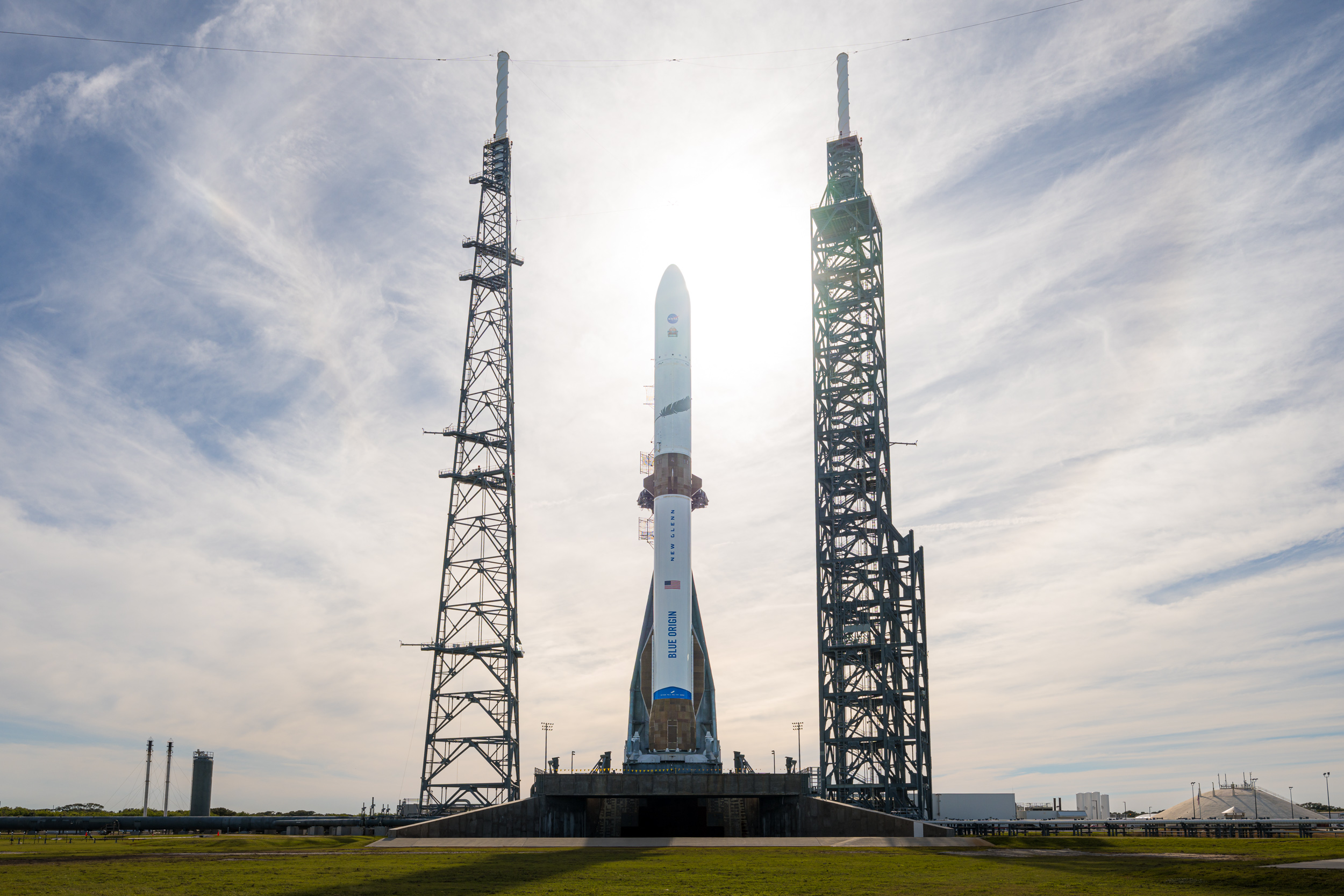
Artemis 2 astronauts completed first crewed lunar flyby since Apollo 17, traveling 690,000 miles aboard Orion. Four crew validated deep-space systems.
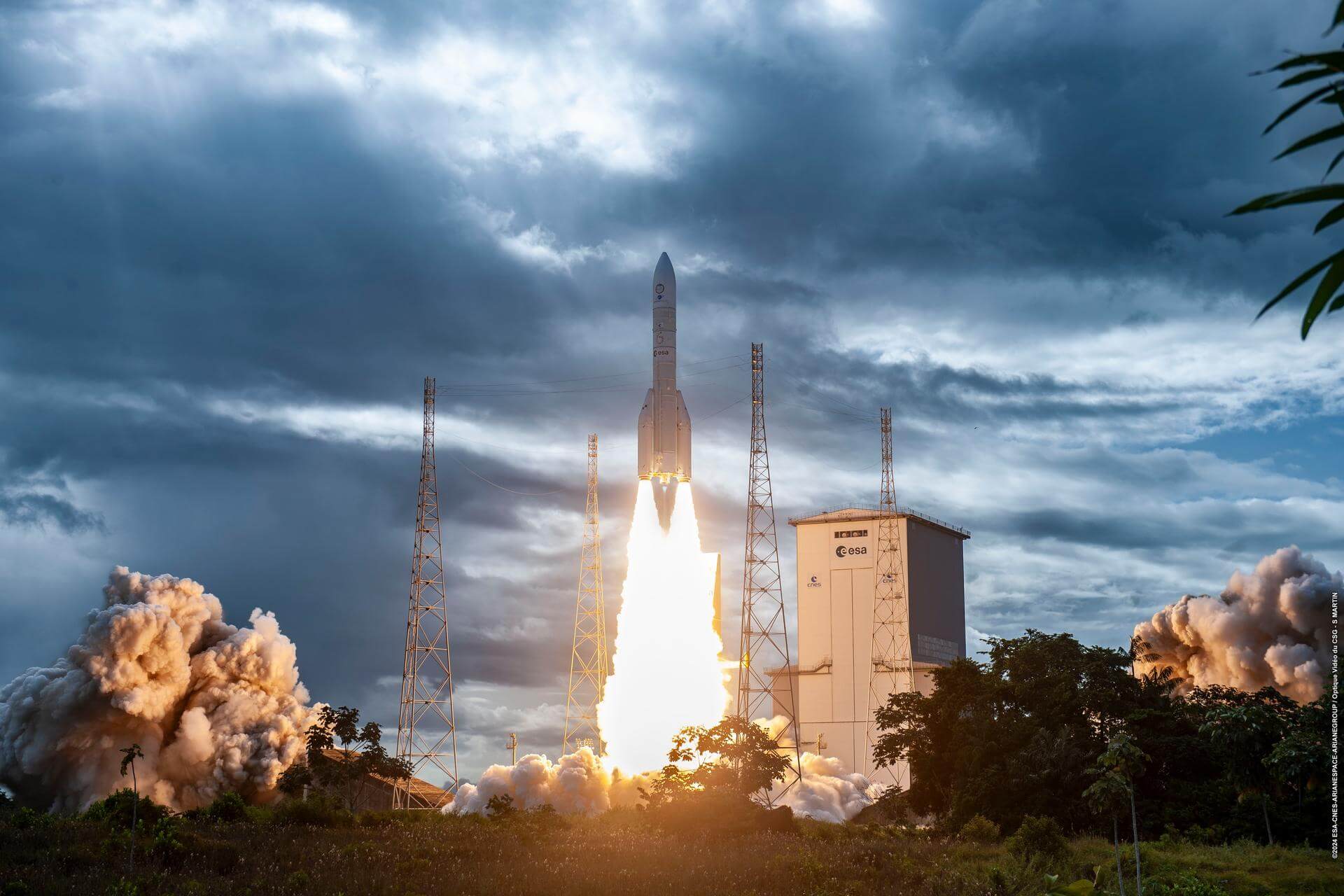
Today's highlights include new satellite launches by SpaceX, technical hiccups for an Indian navigation satellite, and insights into the future of satellite servicing.