

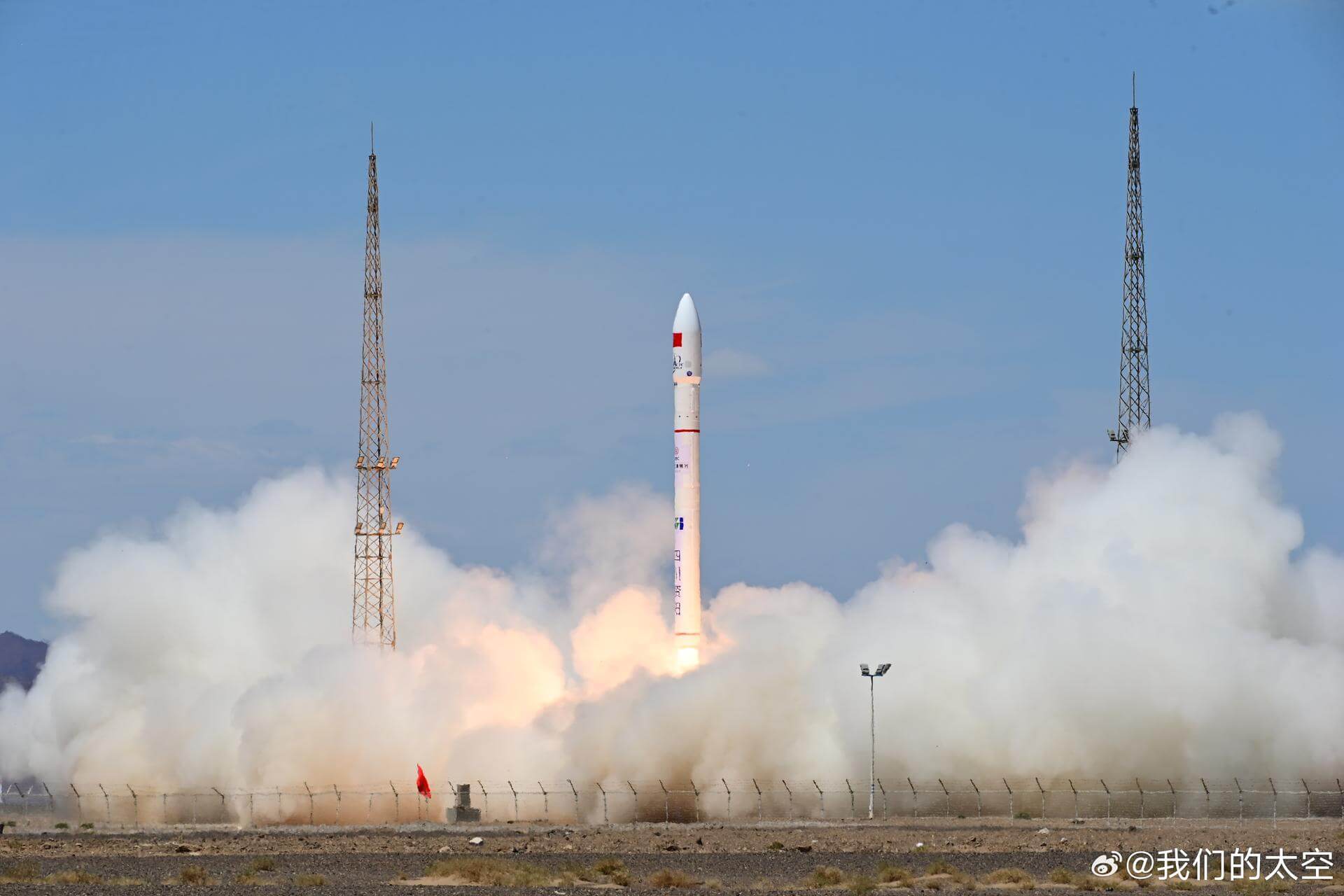
Space Brief 5 Mar 2025
Today's brief covers developments in US military space initiatives, advancements in missile technology, and notable military contractor activities.


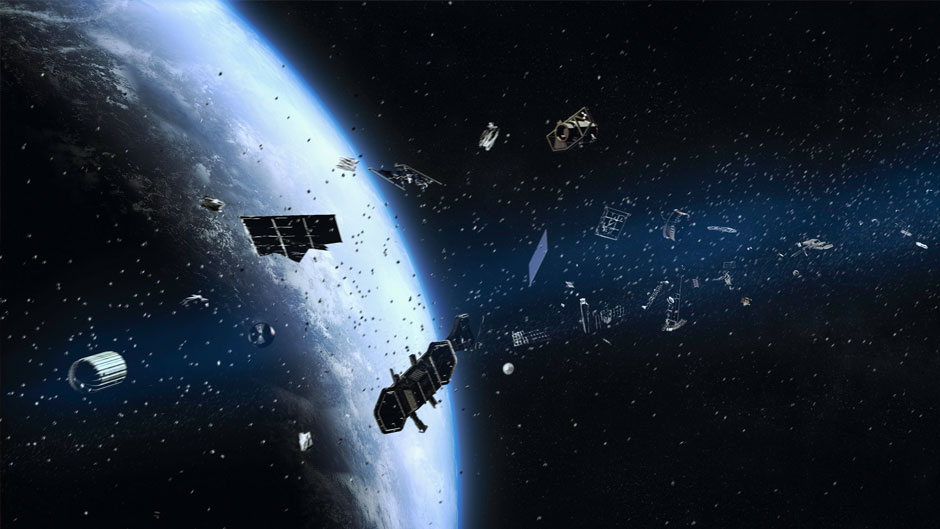
Launch Date
June 19, 1990
Launch Site
PLMSC
Launch Pad
LC16/2
Launch Vehicle
Soyuz-U
NORAD ID
20679
International Designator
1990-053G
Decay Date
8/9/1990
Name
COSMOS 2083 DEB
Alternative Name
PTDU cover
Type
Status
Owner
UNKS
Country
USSR
Constellation
N/A
Related Satellites
Major Events
N/A
Length
0
Diameter
0
Span
0
Dry Mass
0
Launch Mass
0
Shape
N/A
Radar Cross Section
0.62
Visual Magnitude
Unknown
Color
Unknown
Material Composition
Unknown
Payload
KDU part
Purpose
Unknown
Mission
Unknown
Manufacturer
TSSKB
Life Expectancy
Unknown
Bus
Zenit deb
Configuration
Unknown
Motor
Unknown
Equipment
Unknown
Power System
Unknown
ADCS
Unknown
Transmitter Frequency
Unknown
Learn more about satellites and other related topics.
Today's brief covers developments in US military space initiatives, advancements in missile technology, and notable military contractor activities.
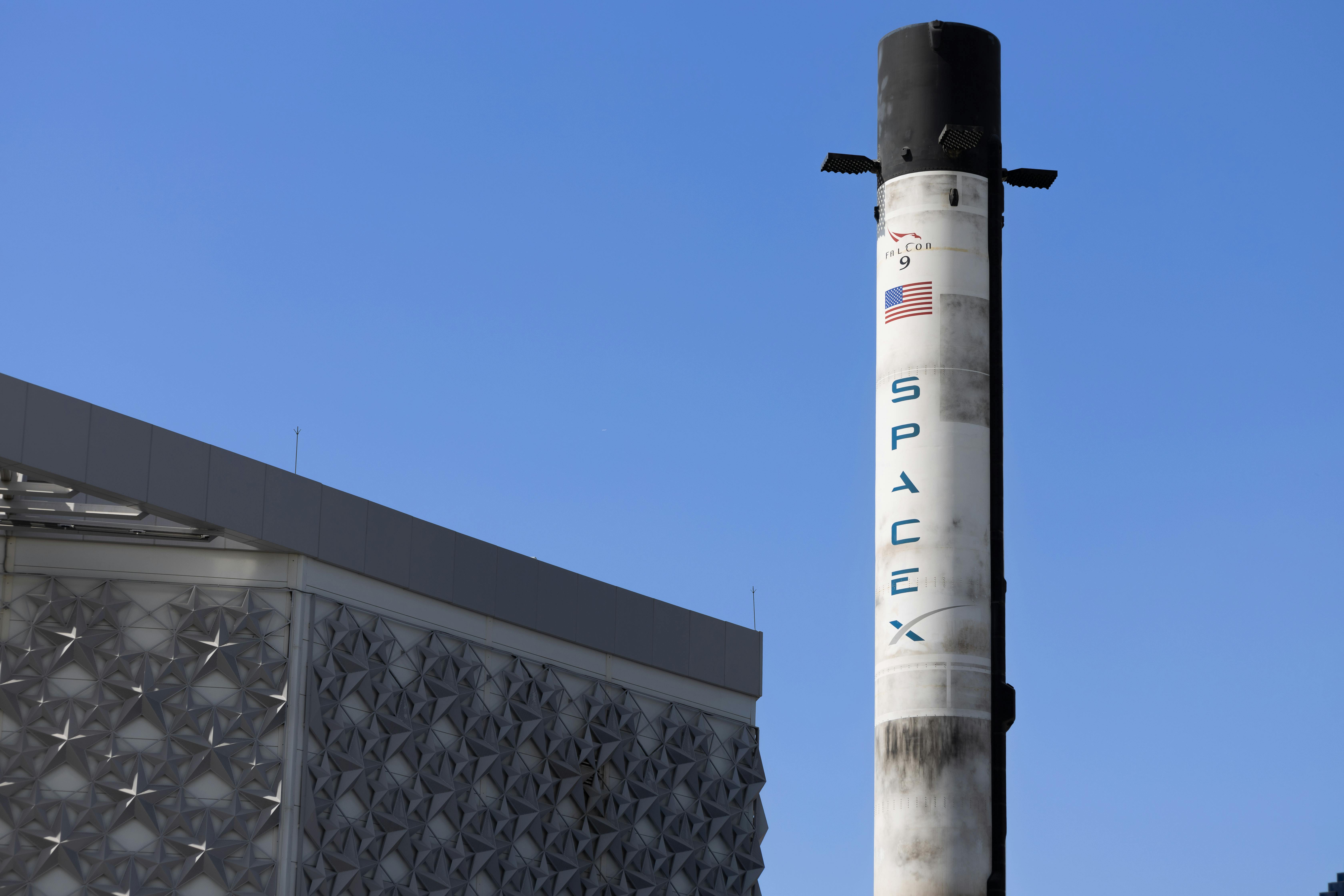
SpaceX successfully launches two rideshare missions to mid-inclination orbits, expanding their satellite deployment capabilities.

SpaceX successfully launched the NROL-48 mission, growing the National Reconnaissance Office's satellite fleet. Additionally, NASA introduced ten new astronaut candidates, increasing female representation in its ranks.
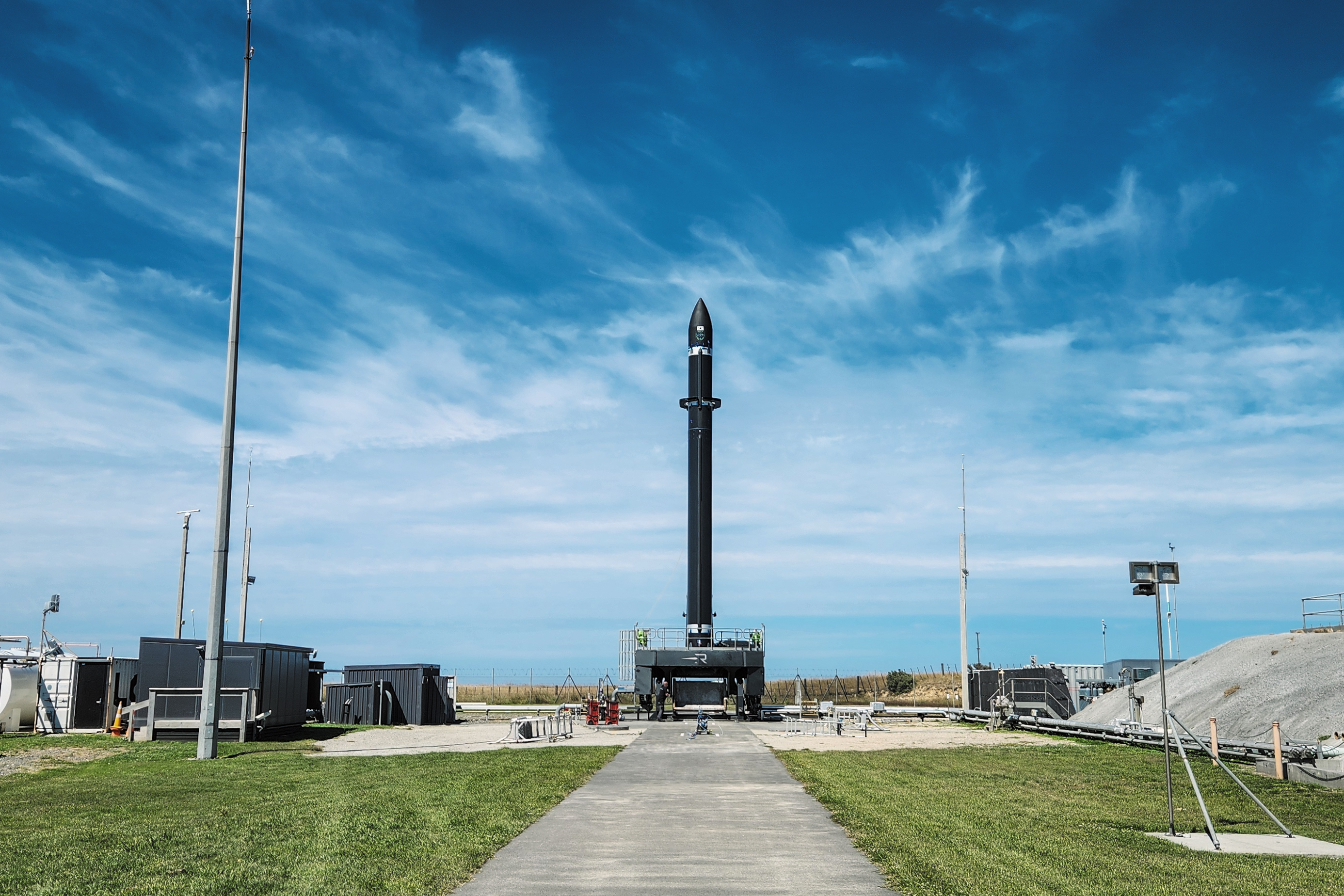
Today's highlights include Japan's new military satellite imagery initiative, NASA's SPHEREx map, and AST BlueBird 6's groundbreaking cellular array in low Earth orbit.
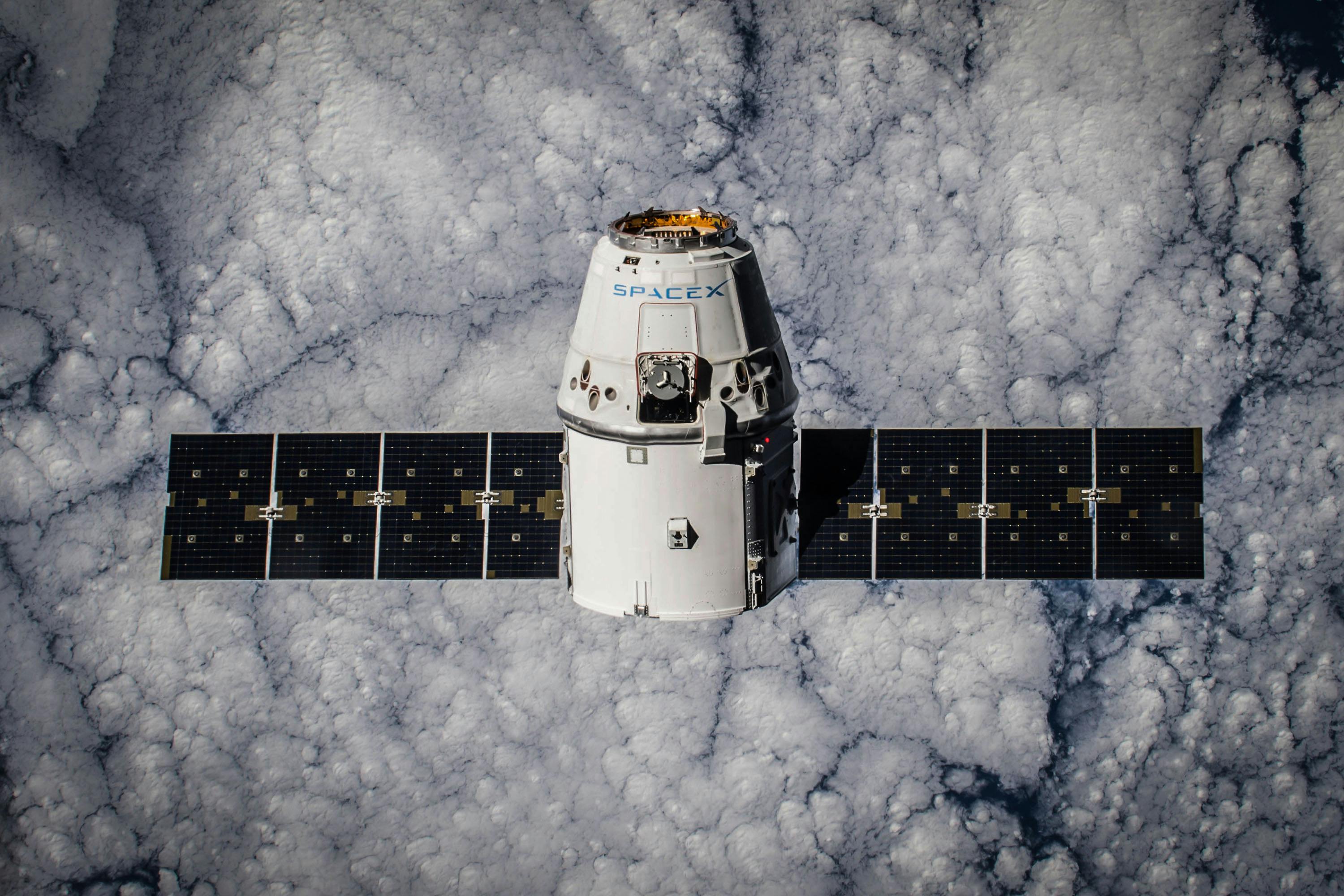
Starlink shifts to monthly hardware rental fees while SpaceX preps Booster 20 for Flight 13 — 10,558 satellites now operational worldwide.
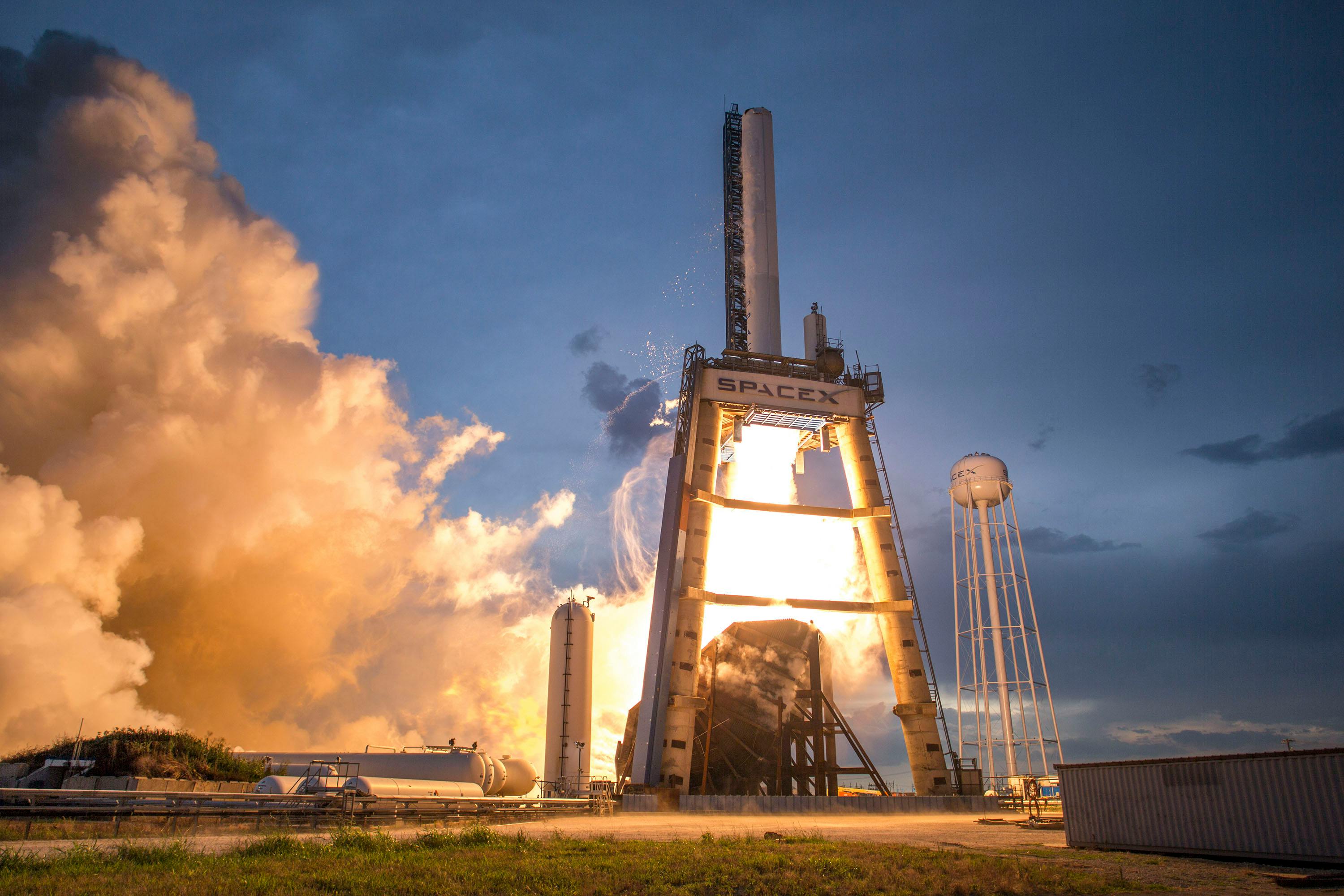
SpaceX to launch GPS III SV09 satellite for Space Force at 11:38 p.m. EST from Cape Canaveral. Musk confirms Starship V3 with Raptor V3 engines targets mid-March first flight.

NASA's Van Allen Probe A (1,300 lbs) reenters today after 14 years studying Earth's radiation belts. Most debris will burn up; ocean impact statistically likely.
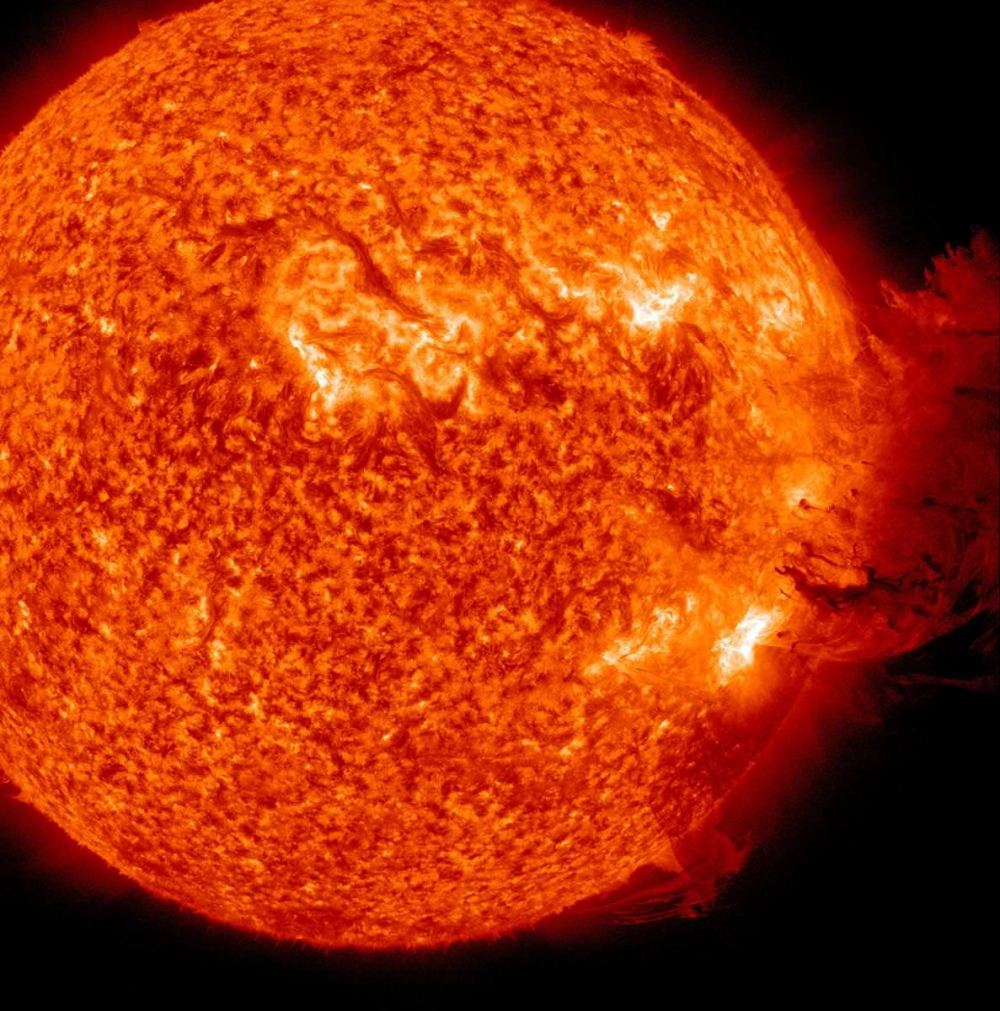
Fifteen years ago, NASA launched its most advanced solar observatory, revolutionizing our understanding of our star and transforming space weather prediction