


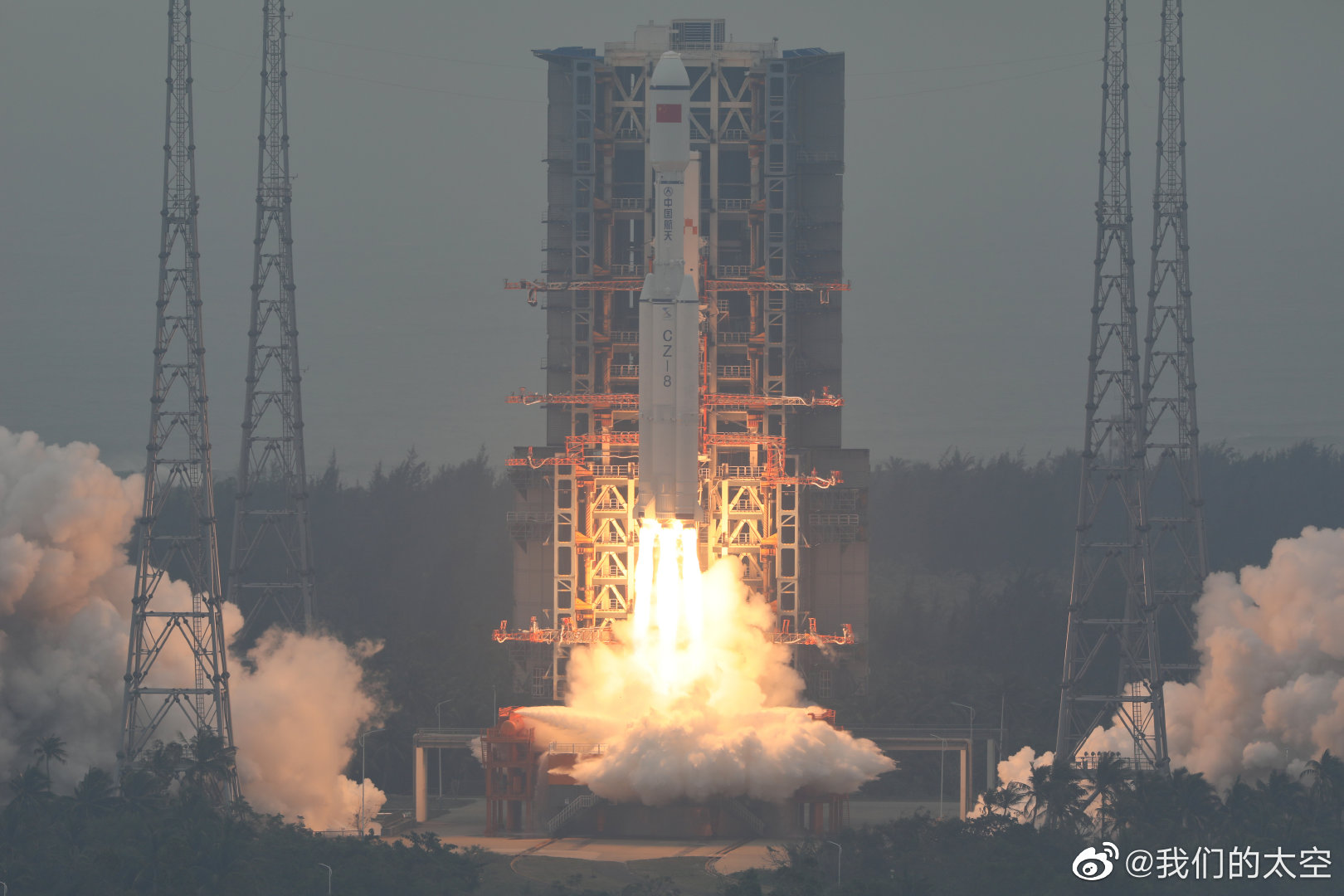
Space Brief 20 Jan 2025
Today's Space Brief highlights SpaceX's return to Starlink launches, a call to address space debris, and changes in NASA leadership under the new Trump administration.


Launch Date
June 20, 1990
Launch Site
Launch Pad
LC200/40
Launch Vehicle
Proton-K/DM
NORAD ID
20659
International Designator
1990-054A
Epoch
Fri, 03 Jul 2026 22:52:17 GMT
Apogee
Calculating...
Perigee
Calculating...
Inclination
12.66°
Right Ascension
335.95°
Eccentricity
Calculating...
Argument of Perigee
245.57°
Period
1435.39 min
Mean Motion
1.00 rev/day
Latitude
Calculating...
Longitude
Calculating...
Altitude
Calculating...
Velocity
Calculating...
Name
GORIZONT 20
Alternative Name
Gorizont
Type
Status
Owner
MSVYAZ
Country
USSR
Constellation
N/A
Related Satellites
Major Events
N/A
1 20659U 90054A 26184.95298106 -.00000161 00000-0 00000-0 0 9990
2 20659 12.6650 335.9538 0006024 245.5715 123.9639 1.00320975131860
Source: Celestrak
Length
5.5
Diameter
3.3
Span
9.5
Dry Mass
2000
Launch Mass
2120
Shape
Cyl + 2 Pan
Radar Cross Section
3.1623
Visual Magnitude
Unknown
Color
Unknown
Material Composition
Unknown
Payload
Gorizont No. 30L
Purpose
Communication
Mission
Communication
Manufacturer
NPOPM
Life Expectancy
3 years
Bus
Gorizont
Configuration
KAUR-3
Motor
Unknown
Equipment
6 C-band transponders, 1 Ku-band transponder
Power System
2 deployable solar arrays, batteries
ADCS
Unknown
Transmitter Frequency
Unknown
Learn more about satellites and other related topics.
Today's Space Brief highlights SpaceX's return to Starlink launches, a call to address space debris, and changes in NASA leadership under the new Trump administration.
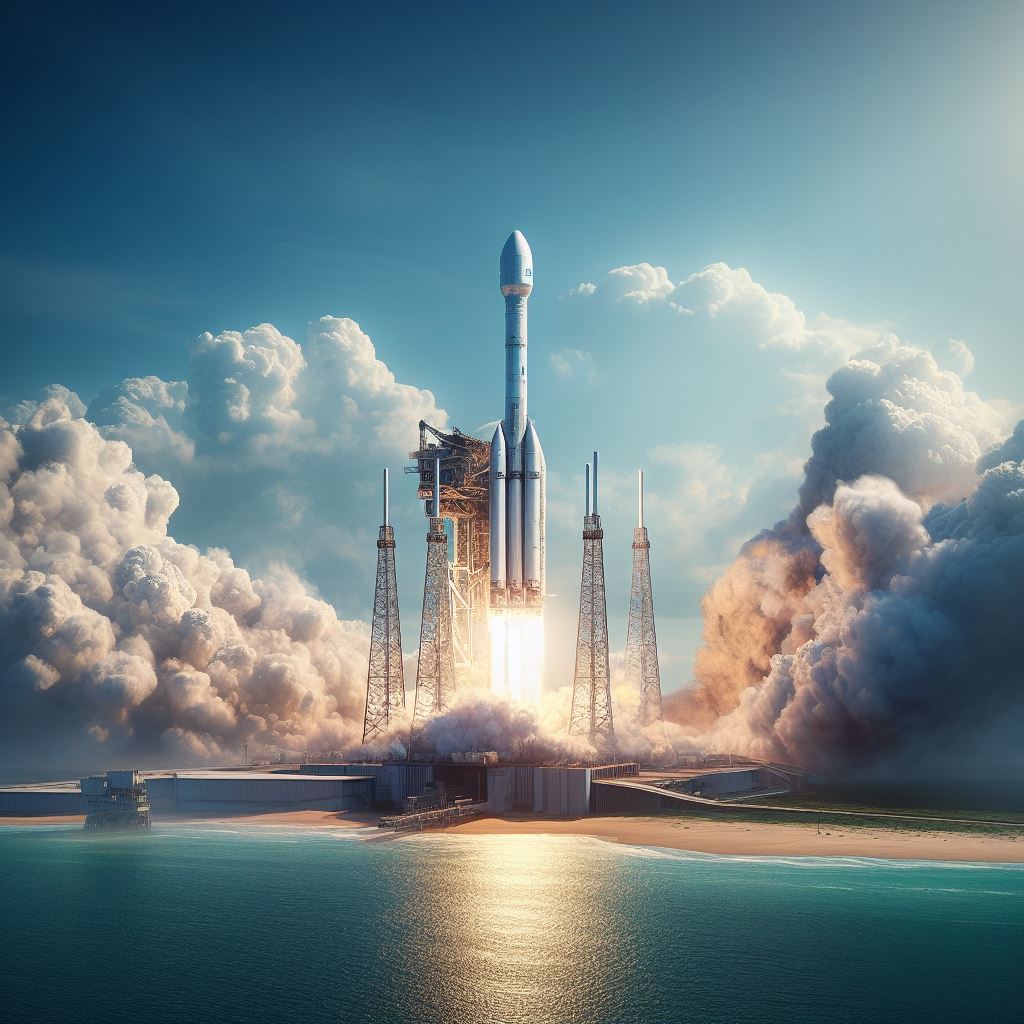
Super heavy-lift rockets are the most powerful launch vehicles ever built. They can send humans and cargo to the Moon, Mars, and beyond. But what are they, and why are they so important?

Explore China's ambitions to expand its Tiangong space station, NASA's next steps for the Europa Clipper mission, and ESA's efforts to support the European space industry. Discover the latest in satellite tracking and consider the fascinating findings on potential life on Mars.

Today's brief covers advances in satellite docking technology, challenges faced by space companies with government navigation, and China's leap in space autonomy through AI developments.

NASA's Artemis II launches 4 astronauts on lunar flyby April 1. Soyuz-5 inaugural flight confirmed for April 3. Space warfare doctrines shift toward agentic AI for faster decision loops.

NRO awards three commercial data contracts and explores vetting satellite firms for airborne target tracking via U.S. Space Force. Strategic expansion of GEOINT capabilities.

SpaceX is preparing for significant infrastructure expansion in Texas and Florida to support Starship, launches its third NRO mission in a week, and faces regulatory scrutiny from the Bahamas.
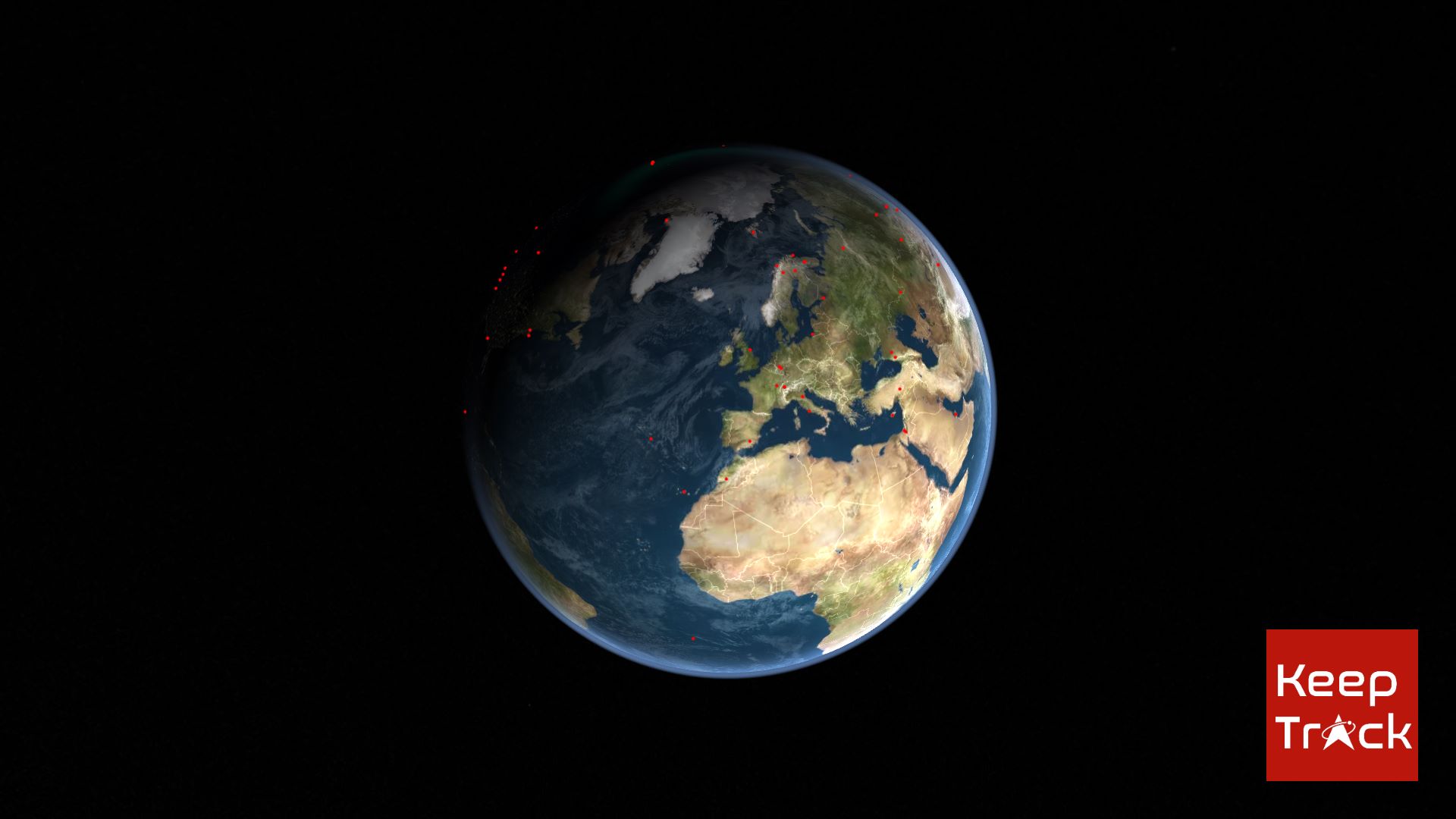
How our ability to track and predict objects in orbit has become the foundation of space safety in an increasingly crowded cosmic neighborhood