

X Report 12 Nov 2024
SpaceX prepares for a monumental sixth Starship test flight while achieving a historic Falcon 9 booster landing. Meanwhile, a Starlink satellite lights up the night sky as it reenters Earth's atmosphere.


Launch Date
June 8, 1990
Launch Site
Launch Pad
LC41
Launch Vehicle
Titan 405A
NORAD ID
20642
International Designator
1990-050E
Decay Date
Unknown
Name
TITAN 4 R/B
Alternative Name
Titan 45K-4 Stage 2
Type
Status
Owner
AFSSD2
Country
United States
Constellation
N/A
Related Satellites
Major Events
N/A
Length
9.9
Diameter
3.1
Span
9.9
Dry Mass
4500
Launch Mass
4500
Shape
Cyl
Radar Cross Section
Unknown
Visual Magnitude
Unknown
Color
Unknown
Material Composition
Unknown
Payload
LR91AJ11A 45K-4
Purpose
Unknown
Mission
Unknown
Manufacturer
MMD
Life Expectancy
Unknown
Bus
Titan 4 Stage 2
Configuration
Unknown
Motor
Unknown
Equipment
Unknown
Power System
Unknown
ADCS
Unknown
Transmitter Frequency
Unknown
Learn more about satellites and other related topics.
SpaceX prepares for a monumental sixth Starship test flight while achieving a historic Falcon 9 booster landing. Meanwhile, a Starlink satellite lights up the night sky as it reenters Earth's atmosphere.
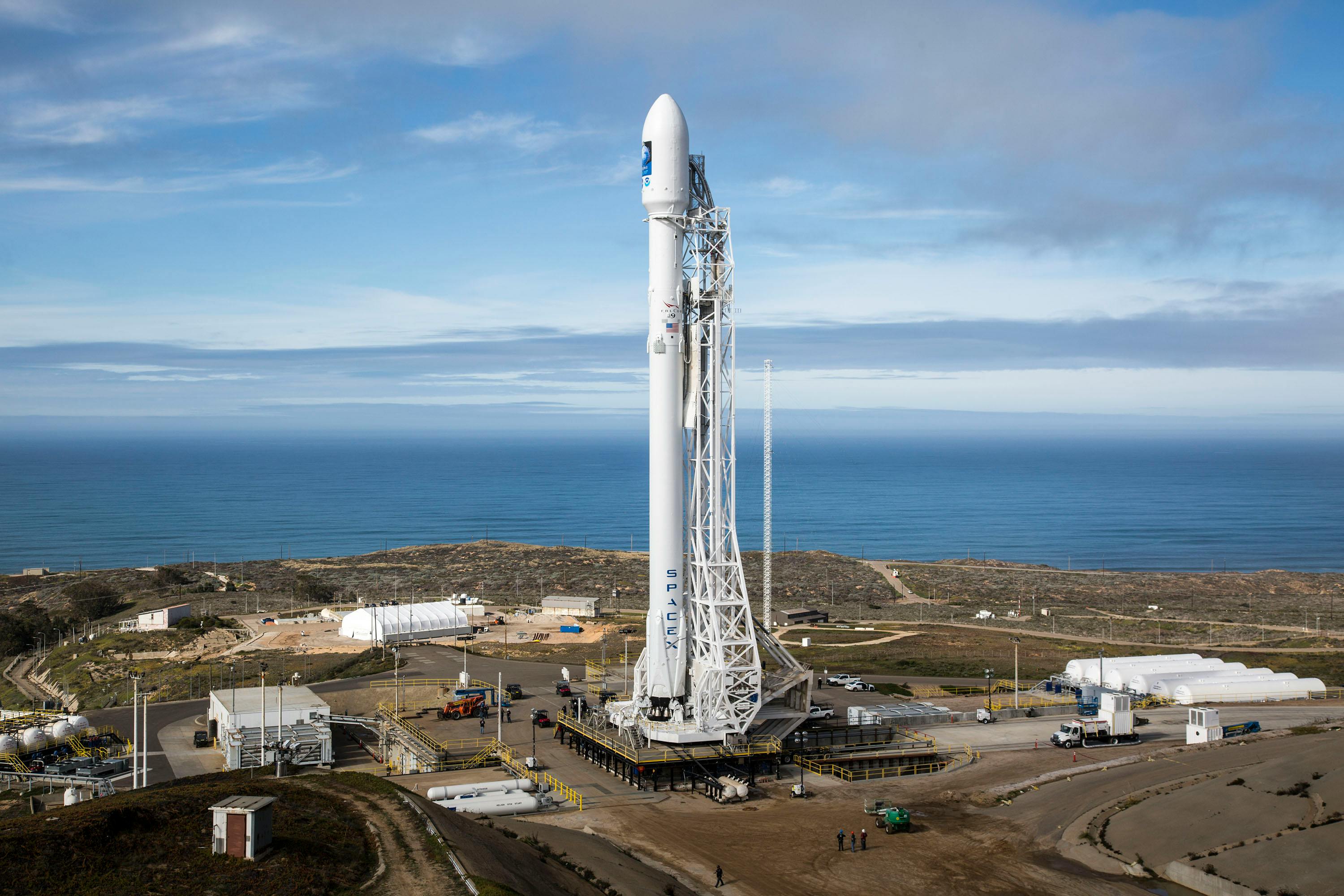
SpaceX secures major U.S. military contracts, Fram2 concludes historic mission, and preparations for another Starlink launch.
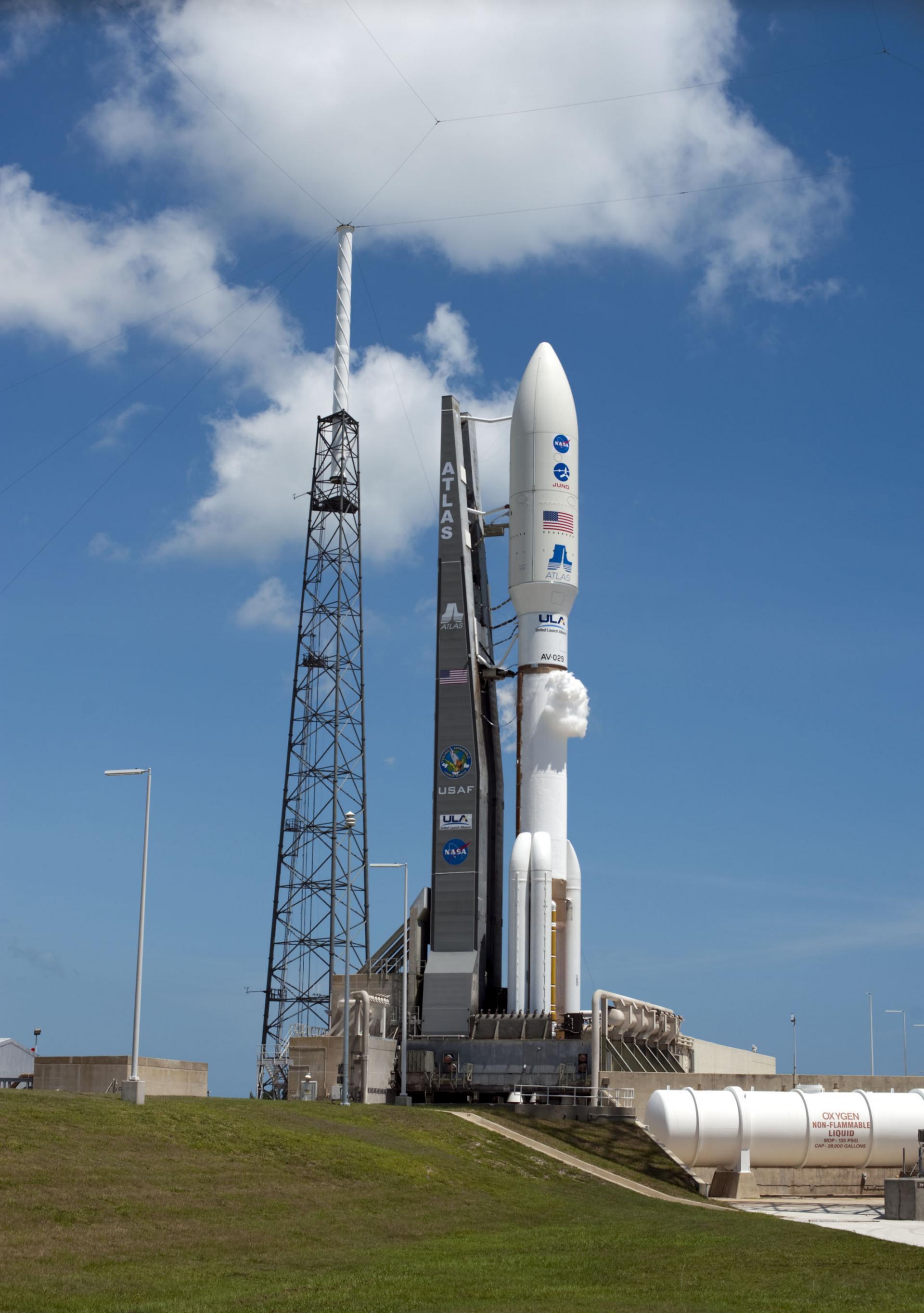
Today's brief covers the redeployment of decommissioned missile technologies to orbital duties, Germany's plans for a sovereign communications network, and fresh developments in hypersonic testing through Rocket Lab.
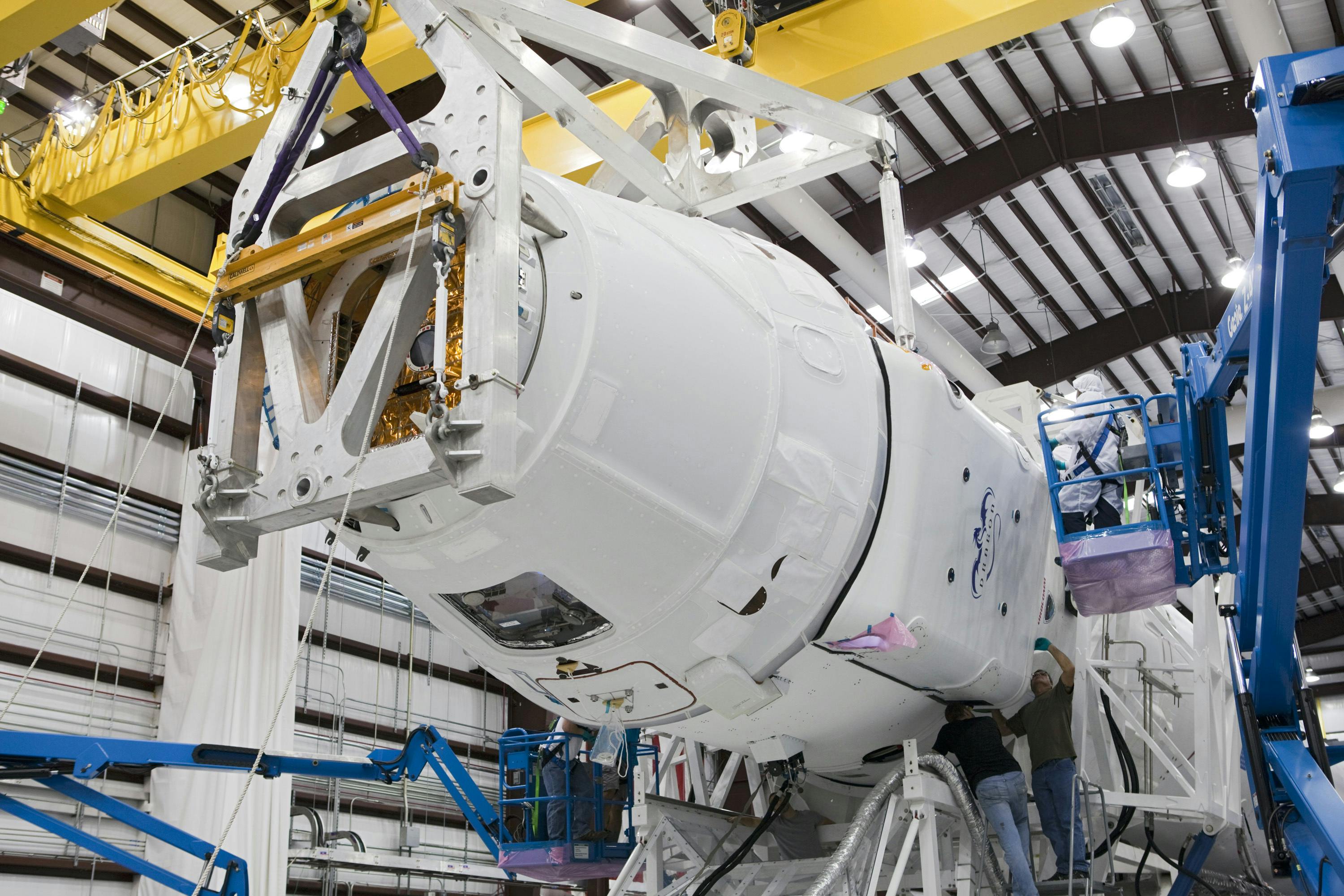
SpaceX completed two launches June 28, orbiting the 15,000-lb SXM-11 satellite and 24 Starlink V2 craft from Vandenberg.
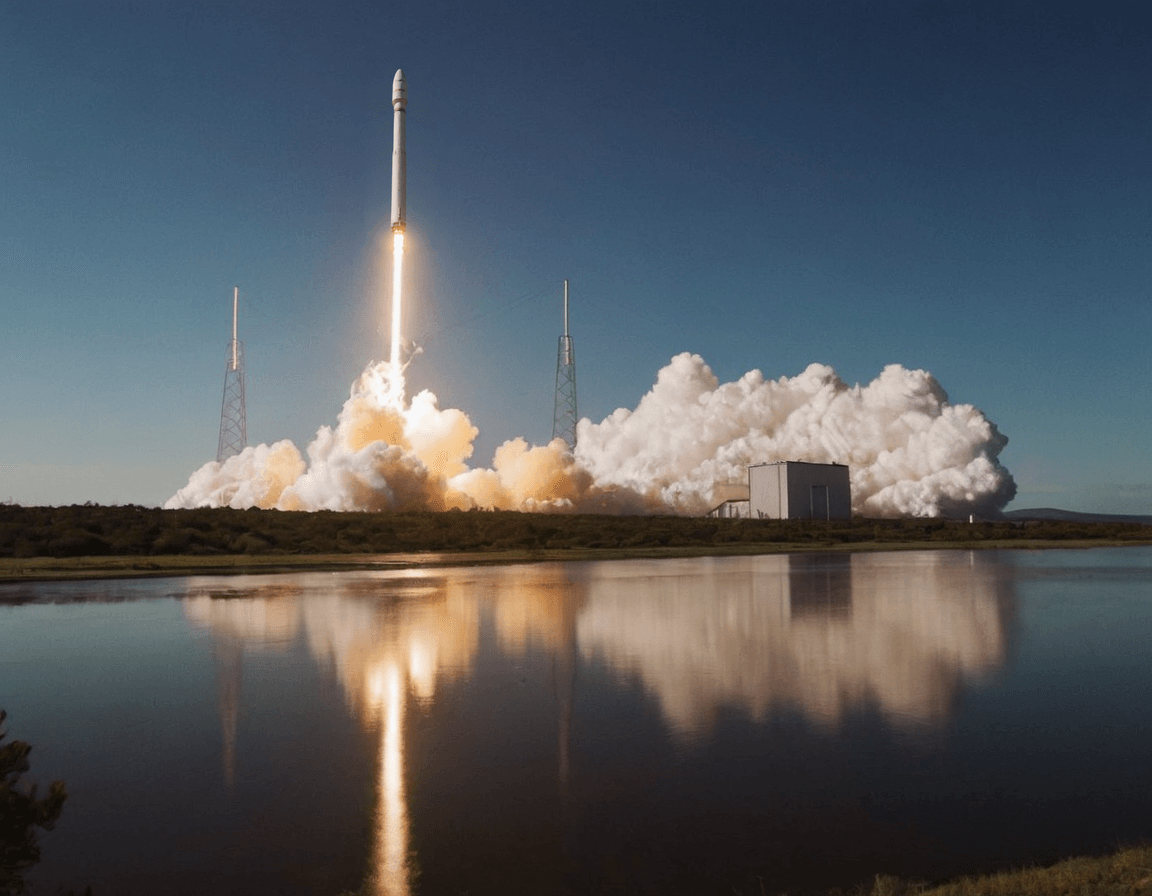
The FAA grounds SpaceX's Falcon 9 rocket after a launch mishap, potentially impacting NASA's crewed missions and disrupting SpaceX's ambitious launch schedule.
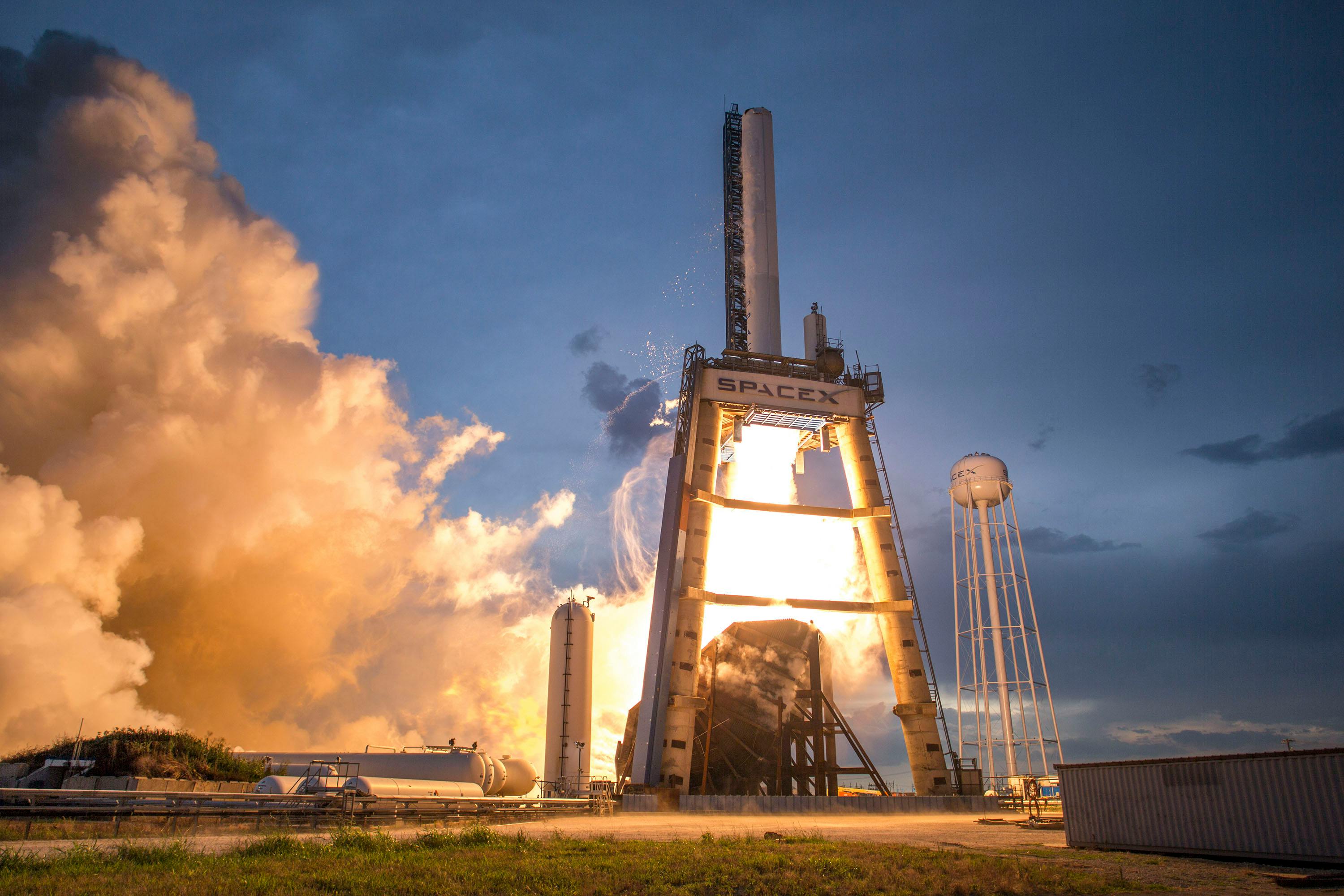
SpaceX wins a $4.16B Pentagon contract for missile-tracking satellites, while hitting its 50th Starlink launch of 2026 in a landmark May.

SpaceX successfully launched 29 Starlink satellites on November 14, marking the first of two rapid-fire Falcon 9 missions from Florida's Space Coast in under four hours.
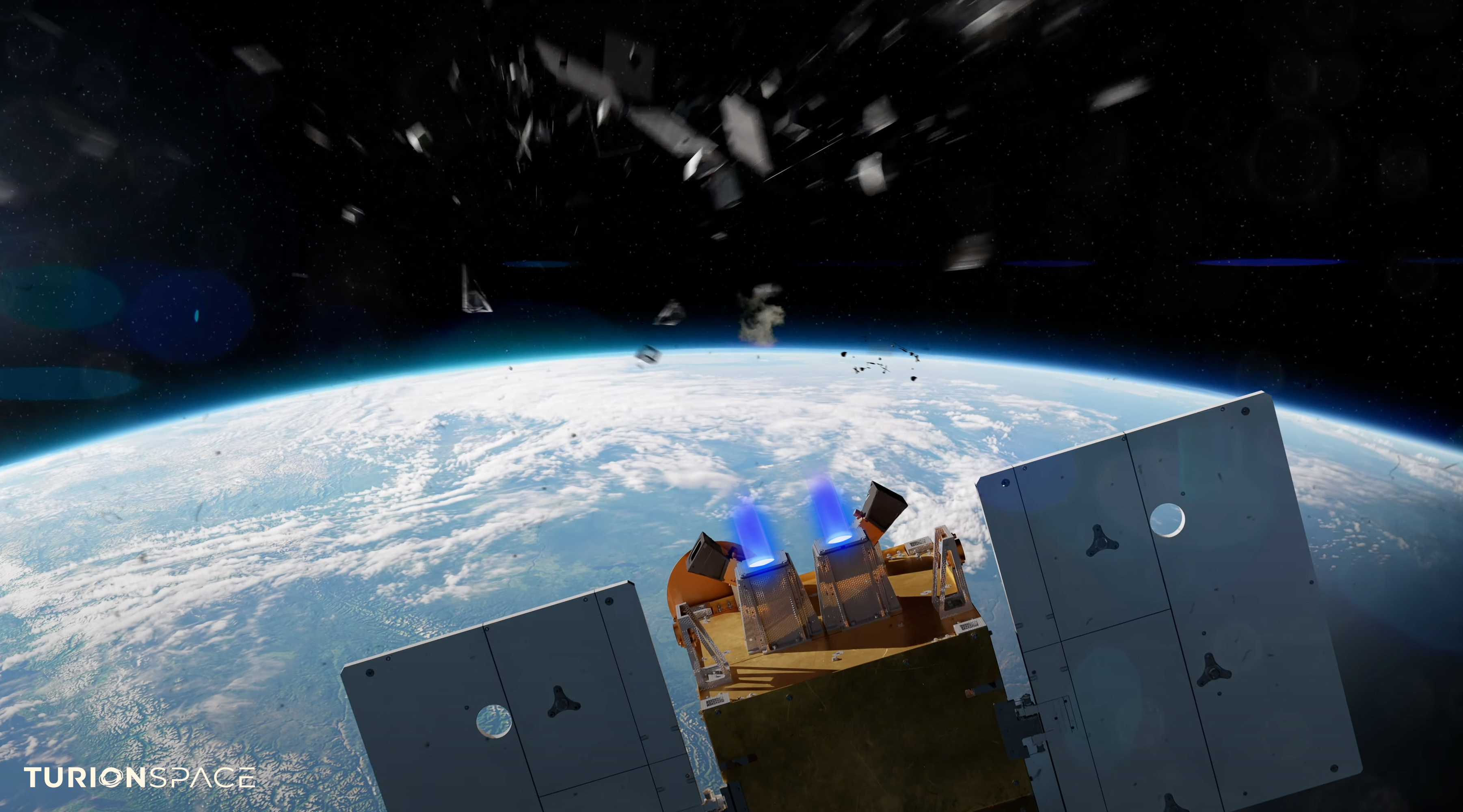
A 90-kilogram spacecraft with iodine thrusters and two Australian-built cameras is quietly building the case that tracking space debris is a business worth billions - and that a four-year-old startup from Irvine can own it.