

Space Brief 18 Apr 2025
Today's highlights include a Minotaur IV launch of U.S. spy satellites, Rocket Lab's new defense contracts, and the unveiling of Space Force's warfighting framework. Plus, the Satellite Spotlight dives into METEOR 3-1.


Launch Date
June 1, 1990
Launch Site
Launch Pad
LC17A
Launch Vehicle
Delta 6920-10
NORAD ID
20638
International Designator
1990-049A
Decay Date
10/23/2011
Name
ROSAT
Alternative Name
ROSAT
Type
Status
Owner
DLR
Country
Germany
Constellation
N/A
Related Satellites
Major Events
N/A
Length
4.5
Diameter
2.2
Span
8.9
Dry Mass
2426
Launch Mass
2426
Shape
Box + 2 Pan
Radar Cross Section
6.7973
Visual Magnitude
Unknown
Color
Unknown
Material Composition
Unknown
Payload
ROSAT
Purpose
Astronomy, X-Ray
Mission
Astronomy, X-Ray
Manufacturer
DASAF
Life Expectancy
5 years (design); 8.4 years reached
Bus
ROSAT
Configuration
Unknown
Motor
Unknown
Equipment
X-Ray telescope, PSPC, HRI, WFC
Power System
Deployable fixed solar array, batteries
ADCS
Unknown
Transmitter Frequency
Unknown
Learn more about satellites and other related topics.
Today's highlights include a Minotaur IV launch of U.S. spy satellites, Rocket Lab's new defense contracts, and the unveiling of Space Force's warfighting framework. Plus, the Satellite Spotlight dives into METEOR 3-1.
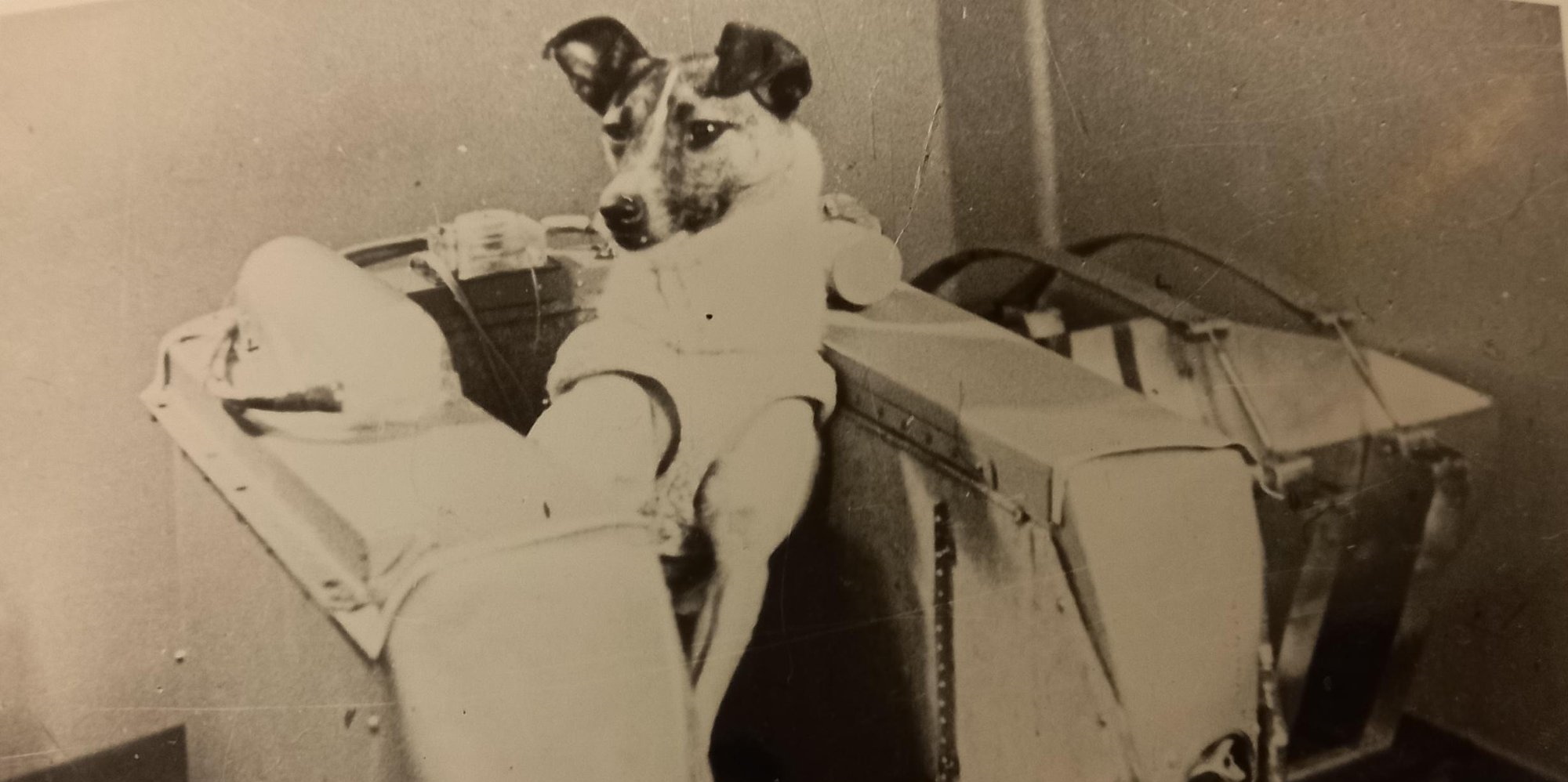
On April 14, 1958, Sputnik 2 burned up over the North Atlantic, carrying the remains of a stray dog from Moscow who had been dead for five months. The Soviet Union told the world she survived for days. It took forty-five years for the truth to come out.

SpaceX celebrates a record-breaking Falcon 9 launch while Starship demonstrates strong performance in its recent test flight, fueling excitement for upcoming projects.
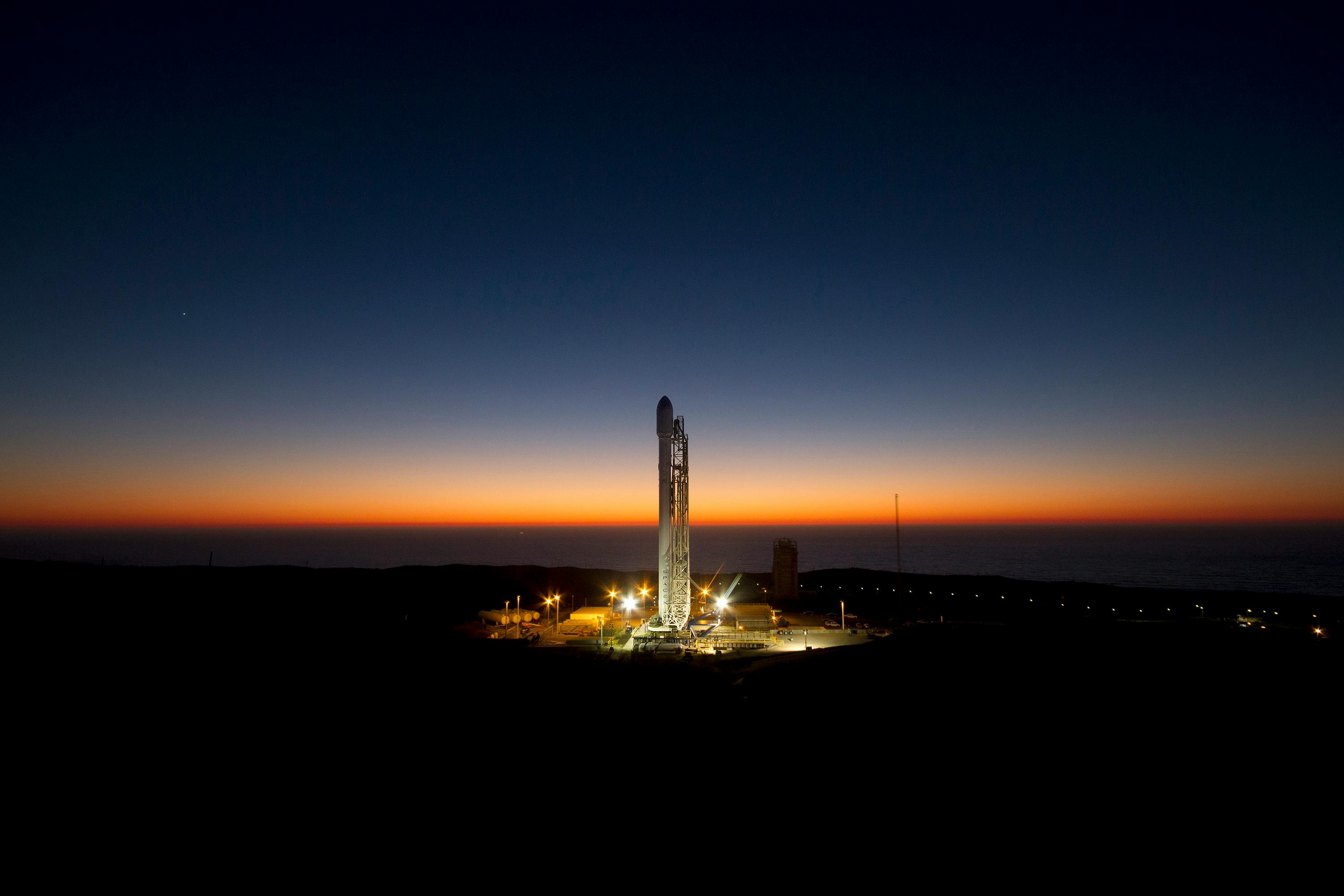
This week's SpaceX developments include notable upcoming missions, with a Starlink launch on the horizon and Crew Dragon's readiness for the next astronaut mission.
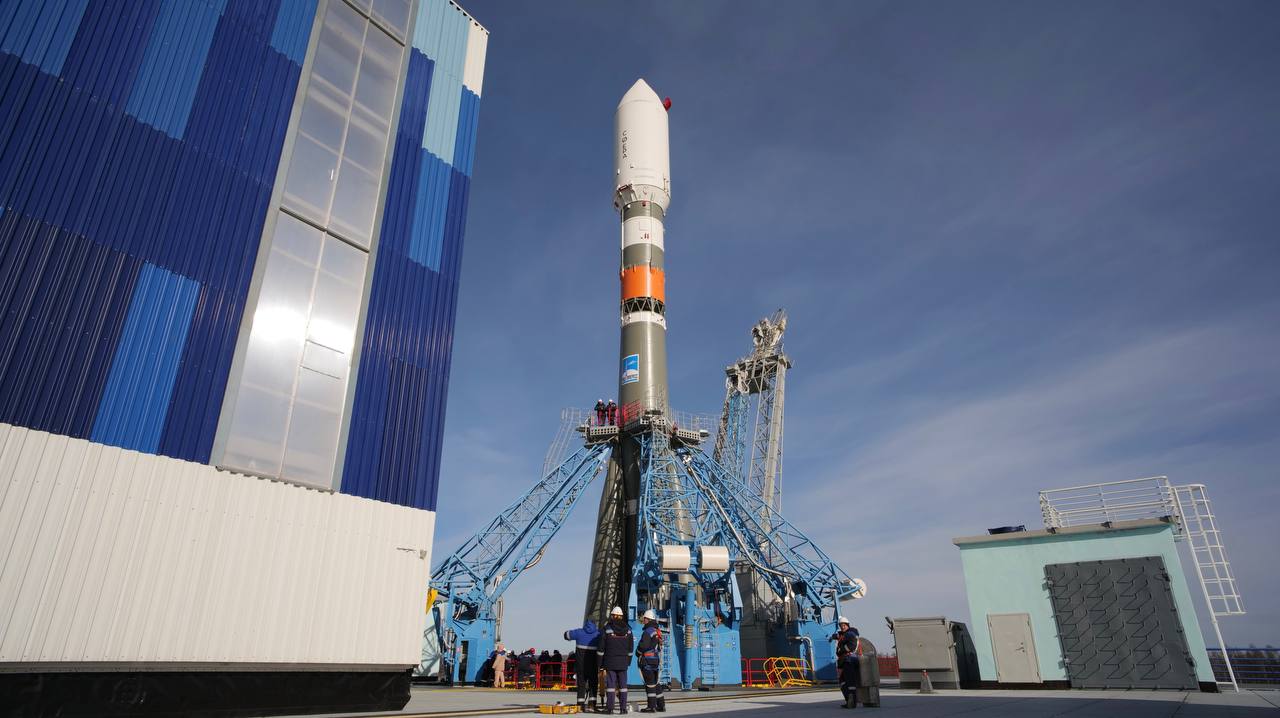
Today's brief covers influential space events including Space Force's interest in Starship, U.S. military constellation advancements, and technological developments in counter-drone capabilities.

Explore a comprehensive breakdown of satellite counts by country, detailing the USA, Russia, China, and others.

SpaceX awarded $178.5M Space Force contract for missile tracking satellite launches beginning 2027. Pentagon also extends GPS modernization support with $45M Raytheon order.
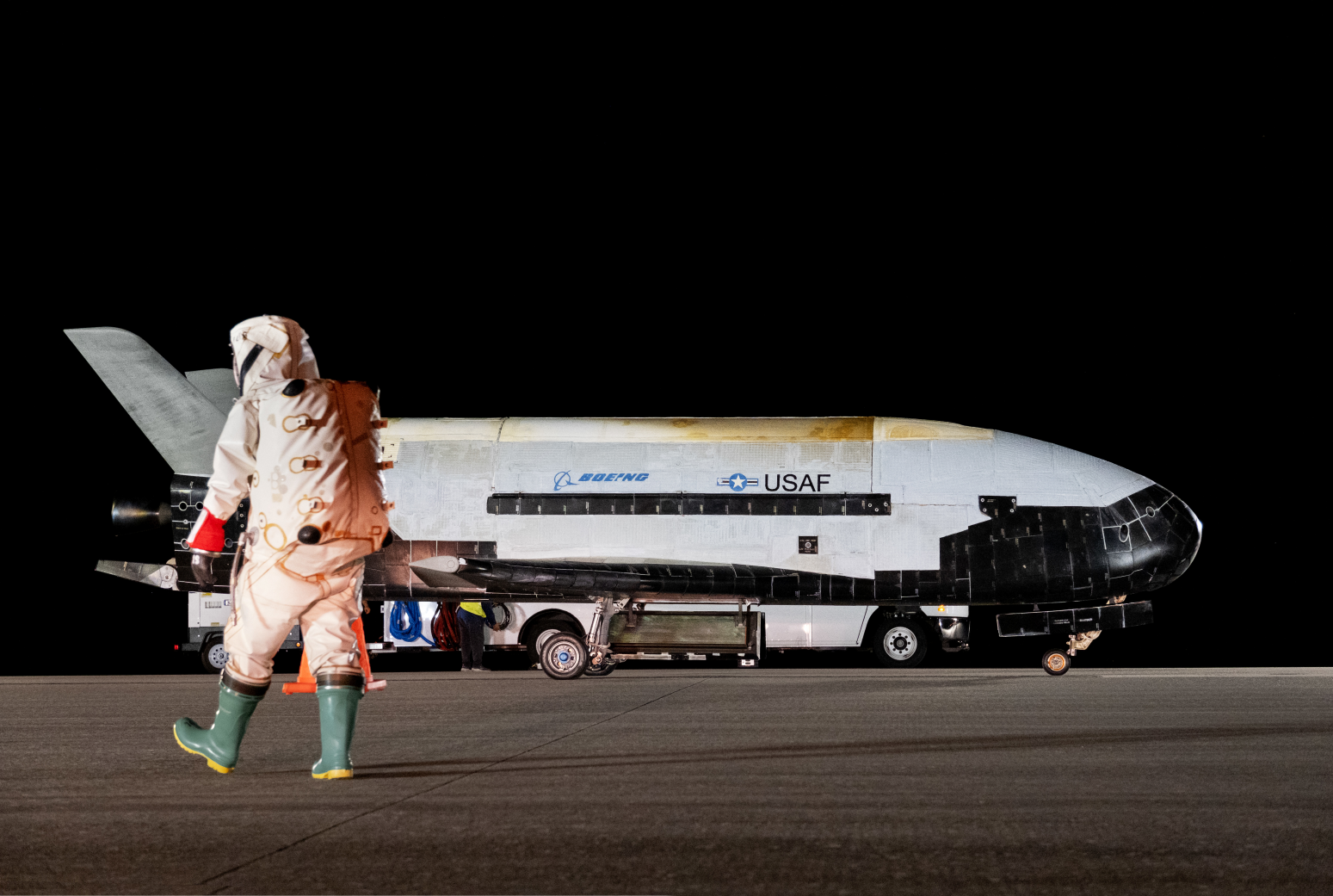
On April 22, 2010, an Atlas V lifted off from Cape Canaveral carrying a reusable robotic spaceplane so secret that the Air Force would not even confirm its mission duration. It came back 224 days later, lighter, quieter, and more operational than anyone outside Washington had expected. Fifteen years later, the X-37B is still flying, and the military still will not say what it does.