


Gunter's Space Page
Why this unassuming website has become the backbone of space research for enthusiasts and professionals alike


Launch Date
May 15, 1990
Launch Site
Launch Pad
LC1
Launch Vehicle
Soyuz-U
NORAD ID
20615
International Designator
1990-044A
Decay Date
6/28/1990
Name
COSMOS 2078
Alternative Name
Kosmos-2078
Type
Status
Owner
VTS
Country
USSR
Constellation
N/A
Related Satellites
Major Events
N/A
Length
6.5
Diameter
2.4
Span
6.5
Dry Mass
2720
Launch Mass
2720
Shape
Sphere + DCone
Radar Cross Section
31.39
Visual Magnitude
Unknown
Color
Unknown
Material Composition
Unknown
Payload
Kometa No. 12L
Purpose
Area Reconnaissance, photo (film return type)
Mission
Area Reconnaissance, photo (film return type)
Manufacturer
TSSKB
Life Expectancy
Unknown
Bus
Yantar'-1KFT
Configuration
Yantar Bus, Zenit reentry module
Motor
Unknown
Equipment
Unknown
Power System
2 deployable solar arrays, batteries
ADCS
Unknown
Transmitter Frequency
Unknown
Learn more about satellites and other related topics.
Why this unassuming website has become the backbone of space research for enthusiasts and professionals alike
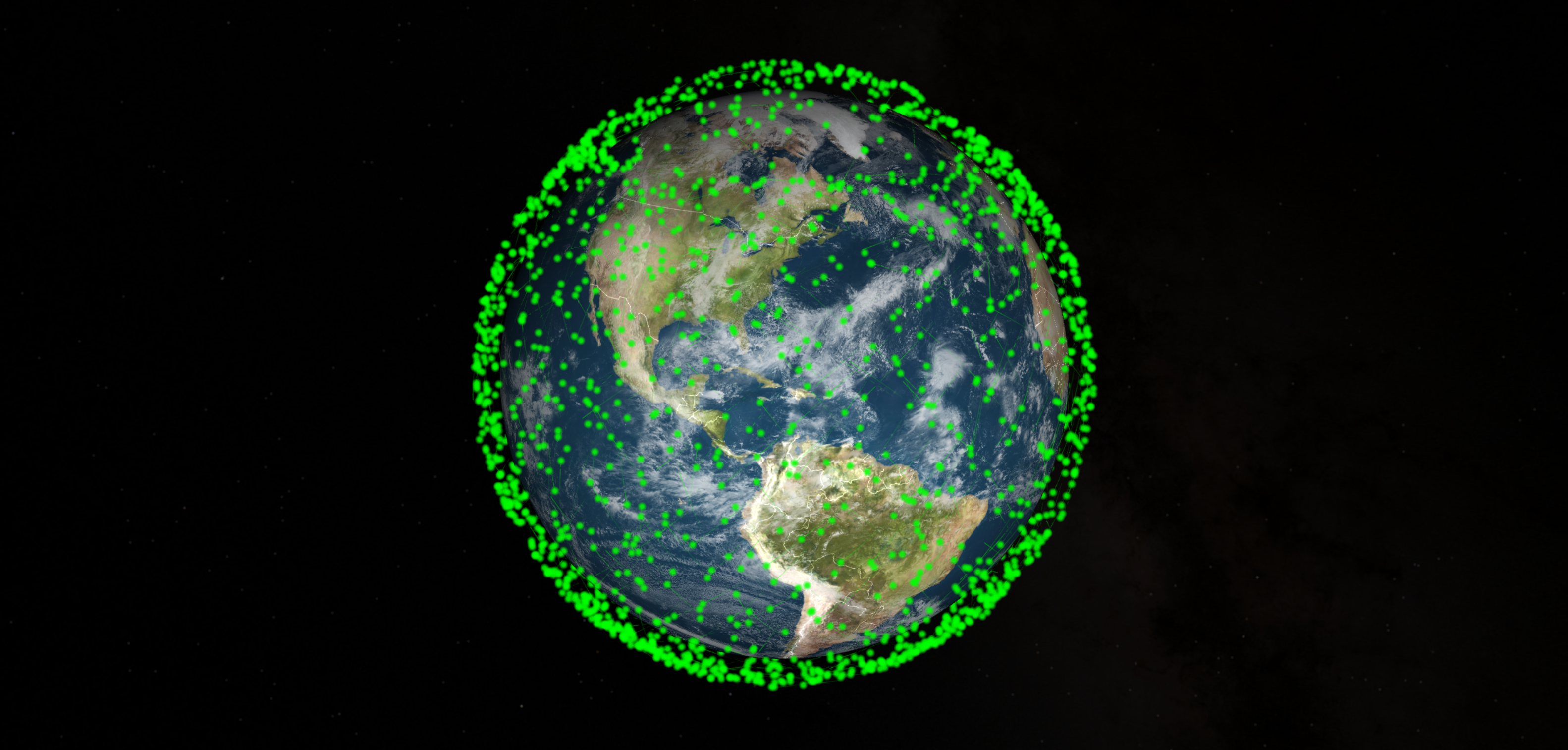
SpaceX quietly built the world's largest 4G network without a single cell tower. Over 650 satellites now connect standard smartphones directly from orbit, and most people carrying compatible phones don't know the service exists.

Starship testing progresses at the Cape; Lynk Global secures funding amidst rising satellite competition.
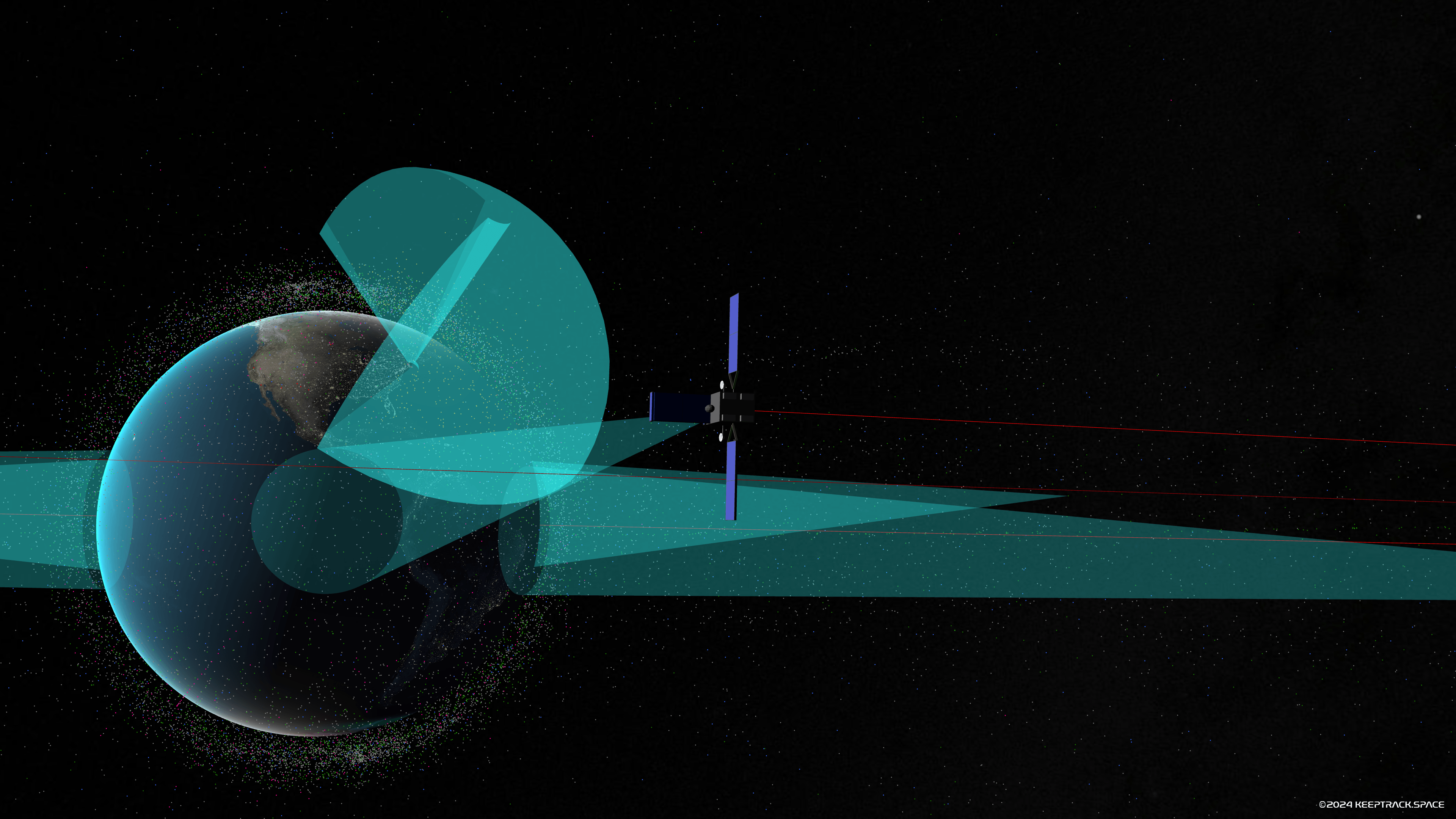
The latest update introduces 3D satellite FOV cones, advanced sensor capabilities, and enhanced timelines, improving the way users interact with satellite data.
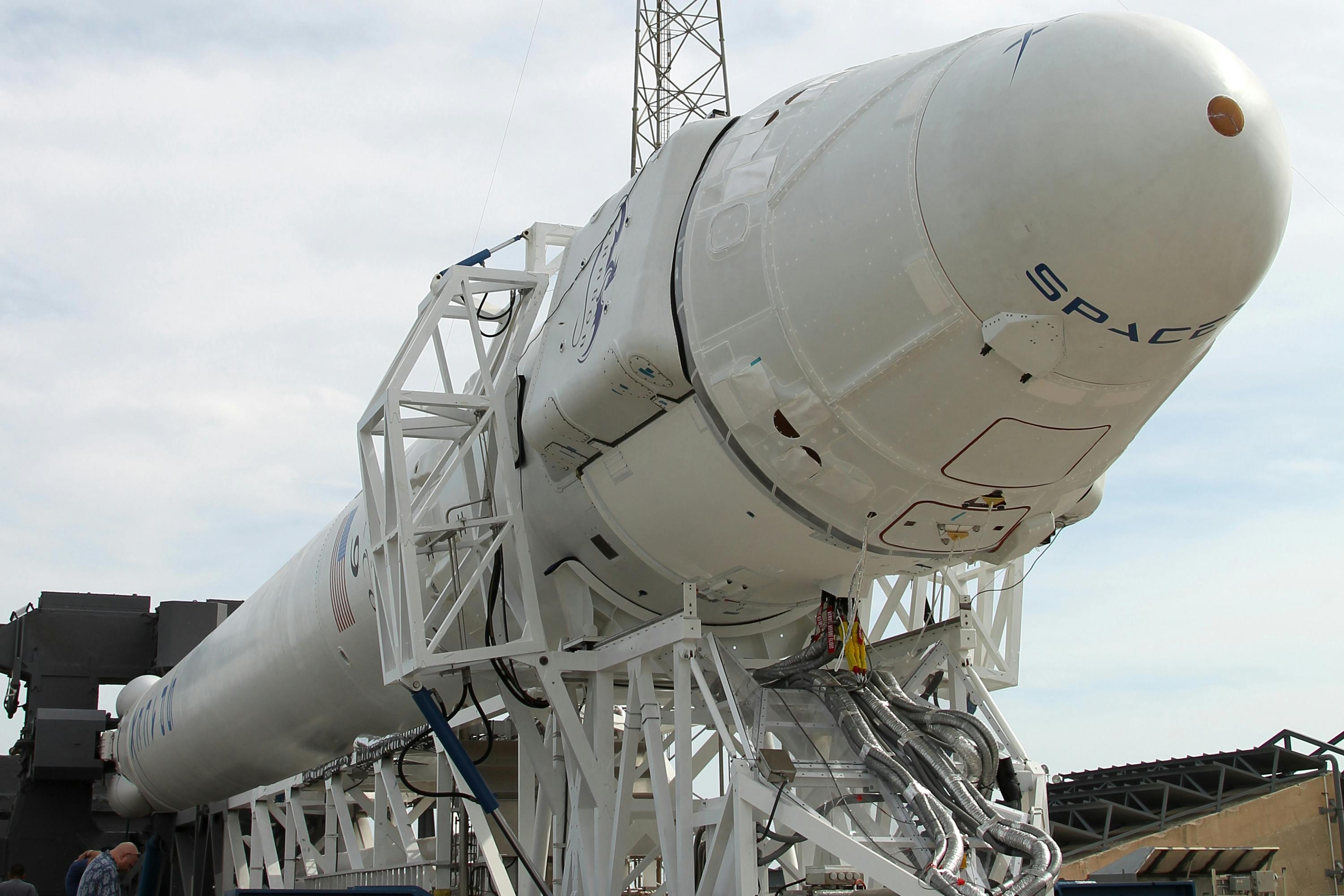
A week of highs and lows for SpaceX, including weather-related delays and a return to Falcon launches.
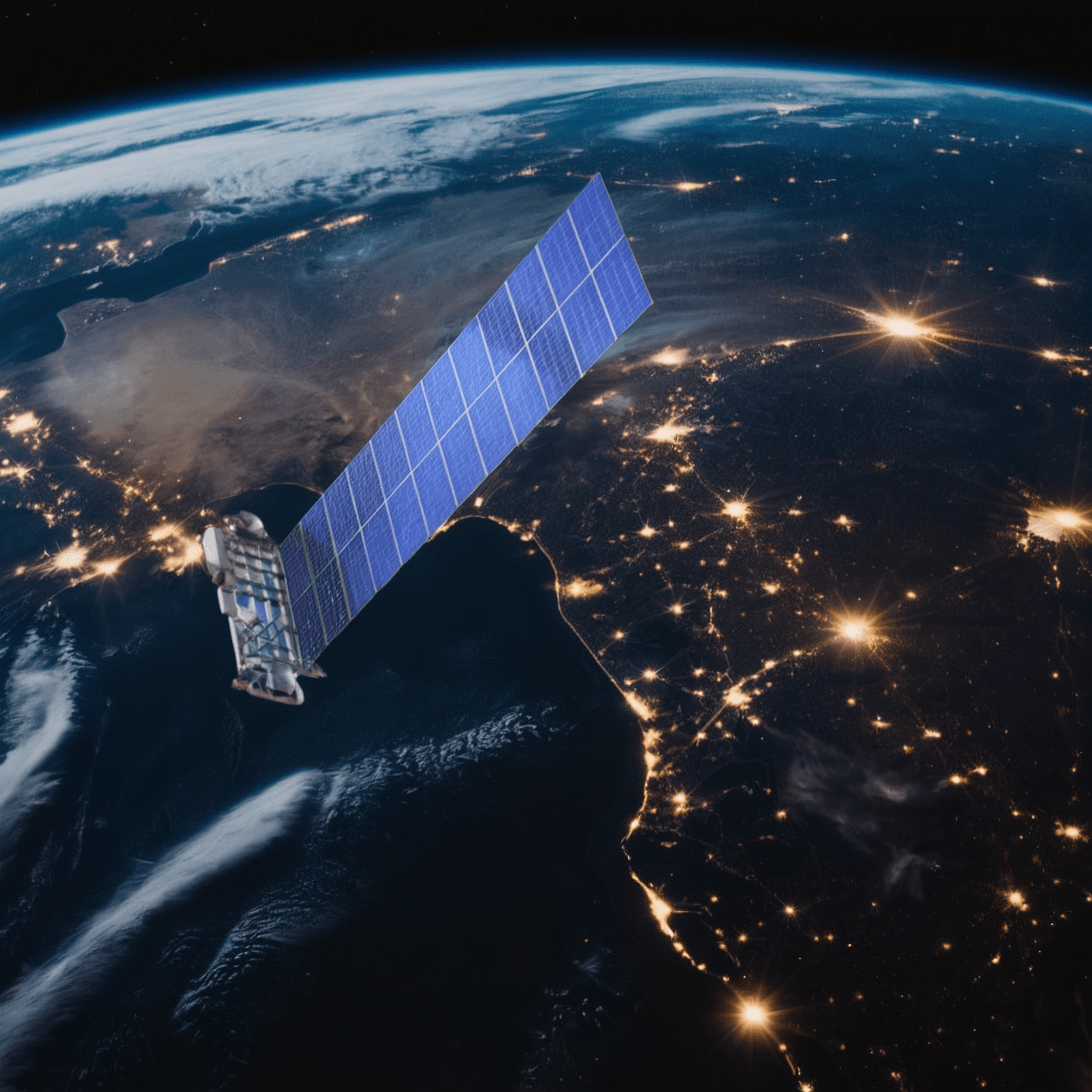
SpaceX and Amazon Are Playing for Keeps to Control Satellite Broadband and Connect the World. But Is There Room for Both in the Orbit?
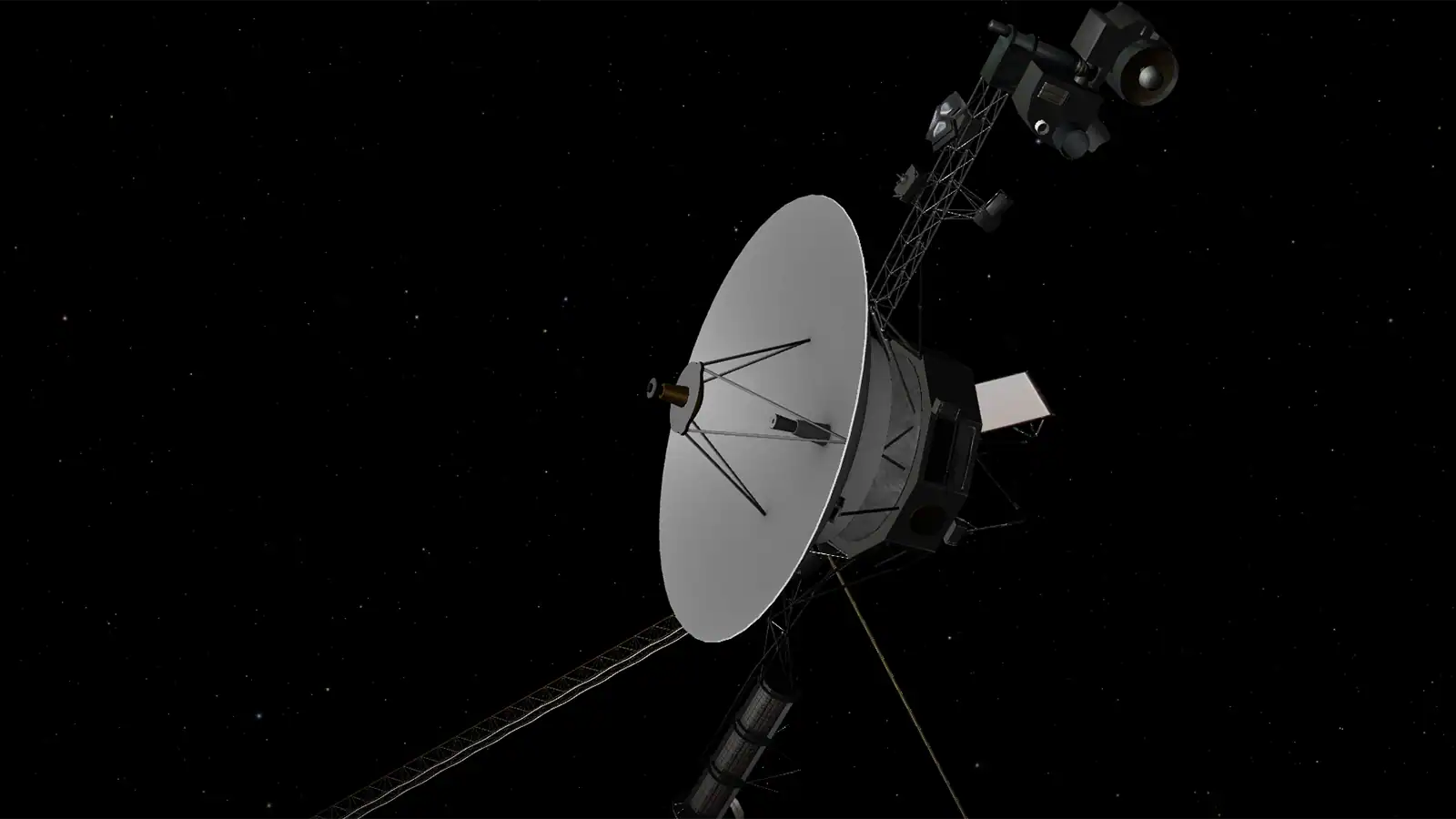
In November 2023, Earth's most distant spacecraft started speaking gibberish. Five months, one dead memory chip, and 30 billion miles of round-trip troubleshooting later, engineers got it talking again - using code written before most of them were born.
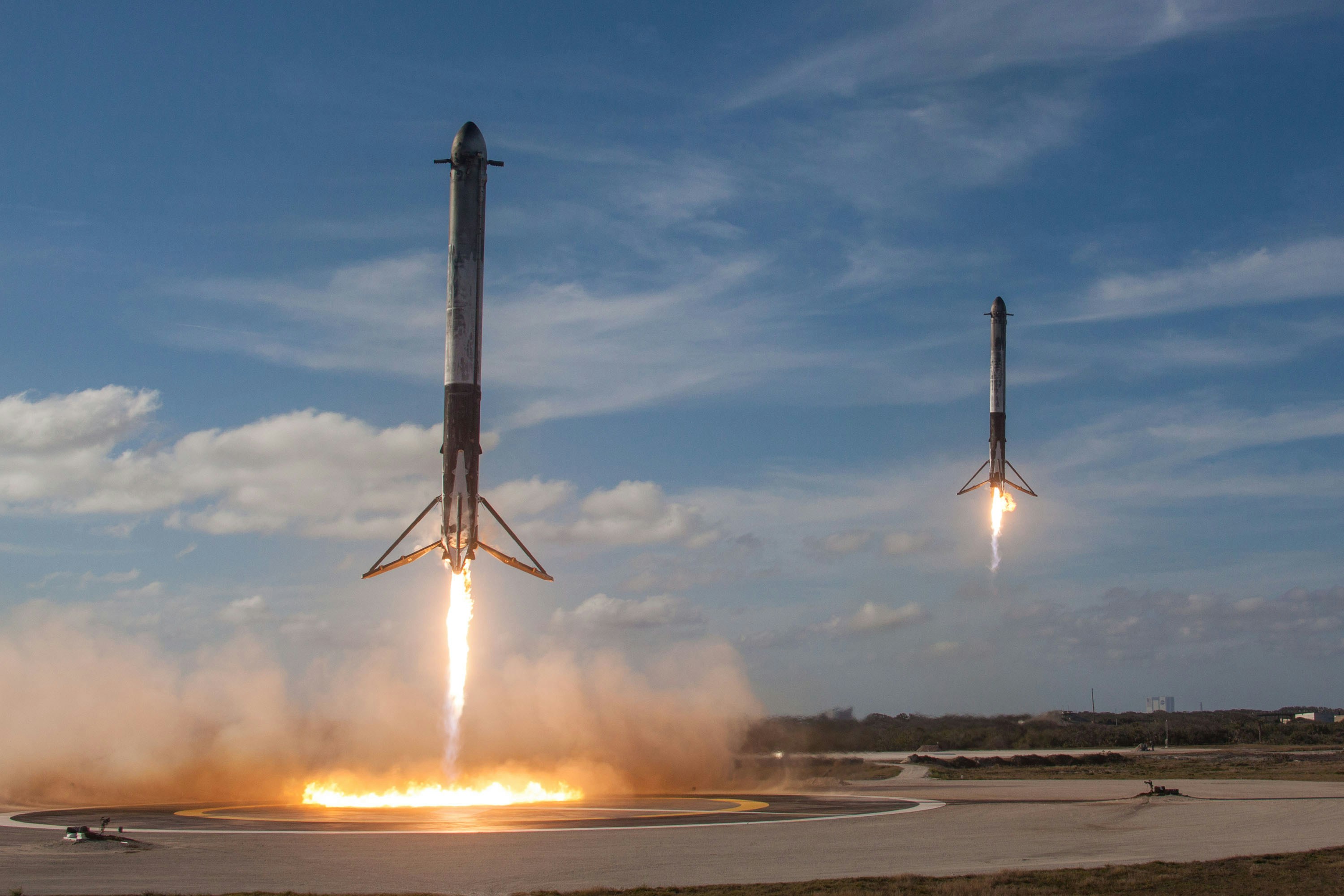
SpaceX is exploring alternative options for static fire tests amid infrastructure setbacks, emphasizing their adaptability in operations.