


PrSM Used in Combat for First Time & Space Force Demands More Troops | KeepTrack Space Brief
CENTCOM confirms first-ever combat use of PrSM against Iranian targets. Space Force VP calls for aggressive end strength growth. Artemis II boosters on pad.



Launch Date
May 9, 1990
Launch Site
AFWTR
Launch Pad
SLC5
Launch Vehicle
Scout G-1
NORAD ID
20610
International Designator
1990-043D
Decay Date
12/8/2001
Name
SCOUT G-1 DEB
Alternative Name
MACSAT despin weight
Type
Status
Owner
AFSSD2
Country
United States
Constellation
N/A
Related Satellites
Major Events
N/A
Length
0
Diameter
0
Span
0
Dry Mass
0
Launch Mass
0
Shape
N/A
Radar Cross Section
0.0627
Visual Magnitude
Unknown
Color
Unknown
Material Composition
Unknown
Payload
Unknown
Purpose
Unknown
Mission
Unknown
Manufacturer
Unknown
Life Expectancy
Unknown
Bus
Unknown
Configuration
Unknown
Motor
Unknown
Equipment
Unknown
Power System
Unknown
ADCS
Unknown
Transmitter Frequency
Unknown
Learn more about satellites and other related topics.
CENTCOM confirms first-ever combat use of PrSM against Iranian targets. Space Force VP calls for aggressive end strength growth. Artemis II boosters on pad.
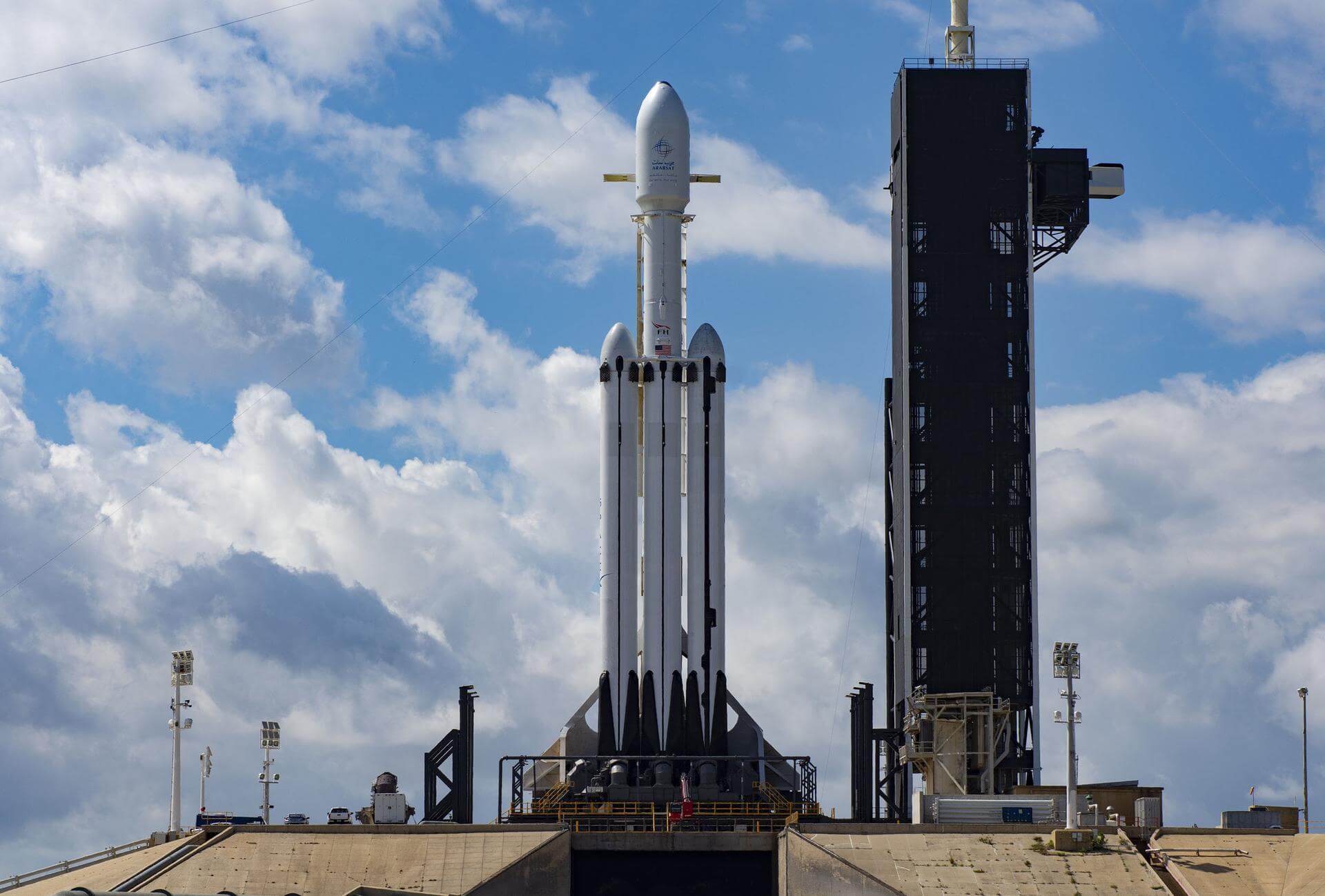
Pentagon requests $8 billion for space-based moving target tracking constellation in FY2027 budget. New NORAD IDs expected as Space Force expands orbital ISR capabilities.
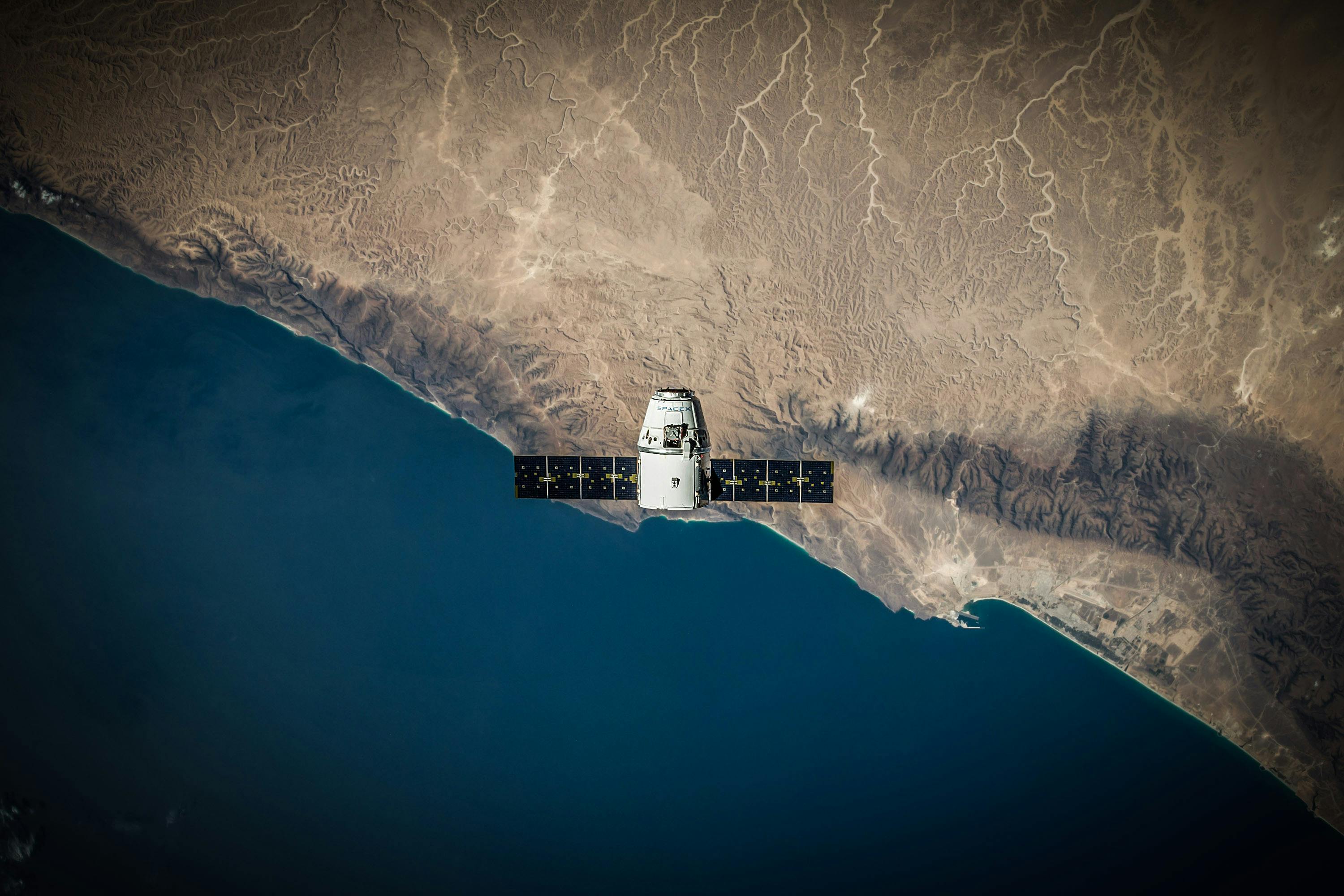
SpaceX ramps up Raptor 3 testing and the launch landscape heats up with Vulcan and Ariane set to lift off before Starlink missions.

SpaceX disables Starlink terminals used by Russian troops after Ukrainian coordination. Crew-12 delayed to Feb 13 by weather. 24 Starlink satellites launched from Vandenberg.
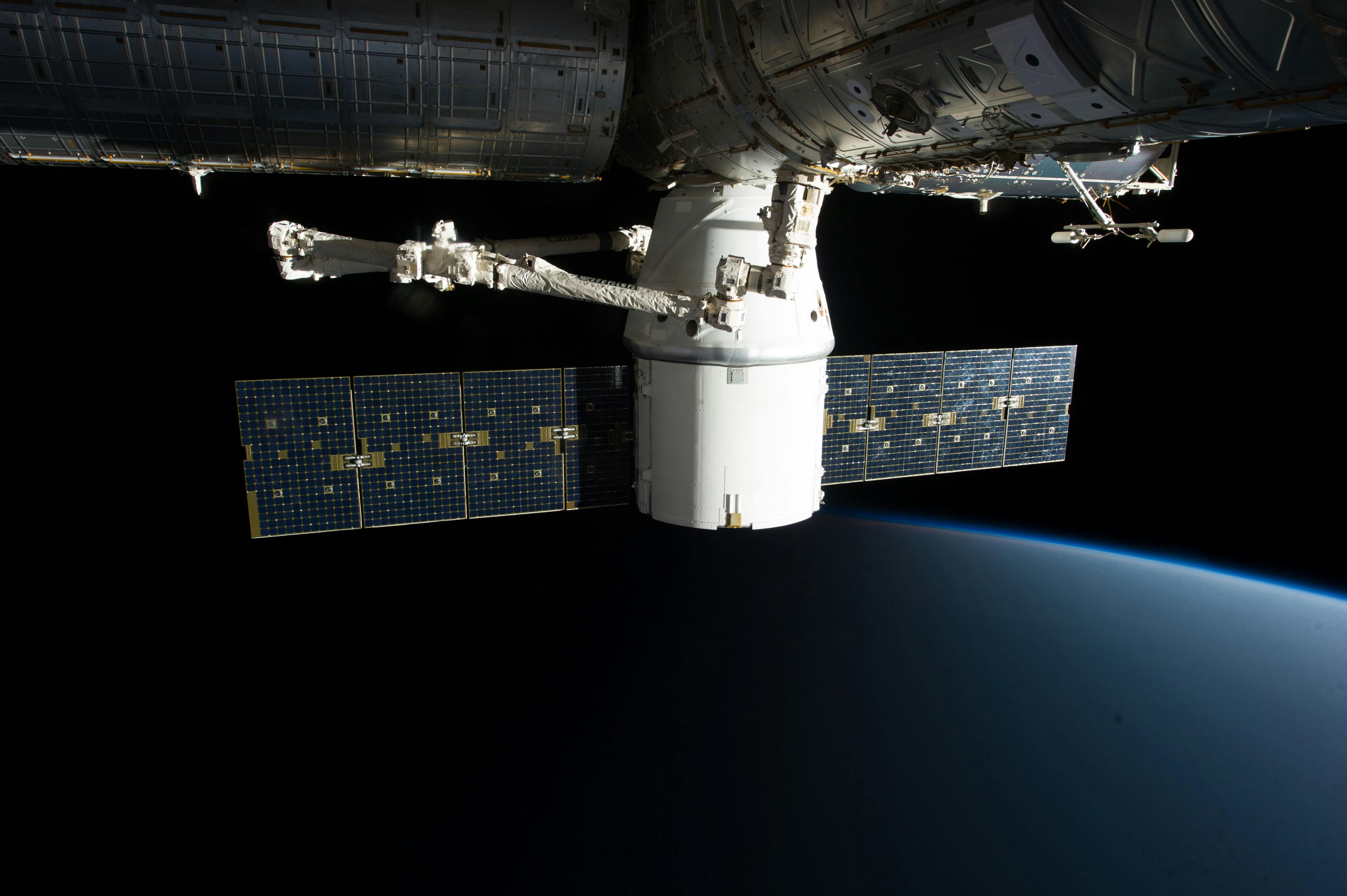
SpaceX Crew-12 mission set to launch astronauts to ISS on Feb 13. Starlink gains another airline partner for in-flight internet. Musk tops Forbes' 250 Greatest Innovators list.
Today's brief covers developments in US military space initiatives, advancements in missile technology, and notable military contractor activities.

On April 22, 2026, the FAA published a final rule implementing per-launch user fees for commercial space transportation — the first time the U.S. government has charged payload-based fees for rocket launches. Starting at 25 cents per pound with a $30,000 cap, the fees are modest today. By 2033, they won't be.
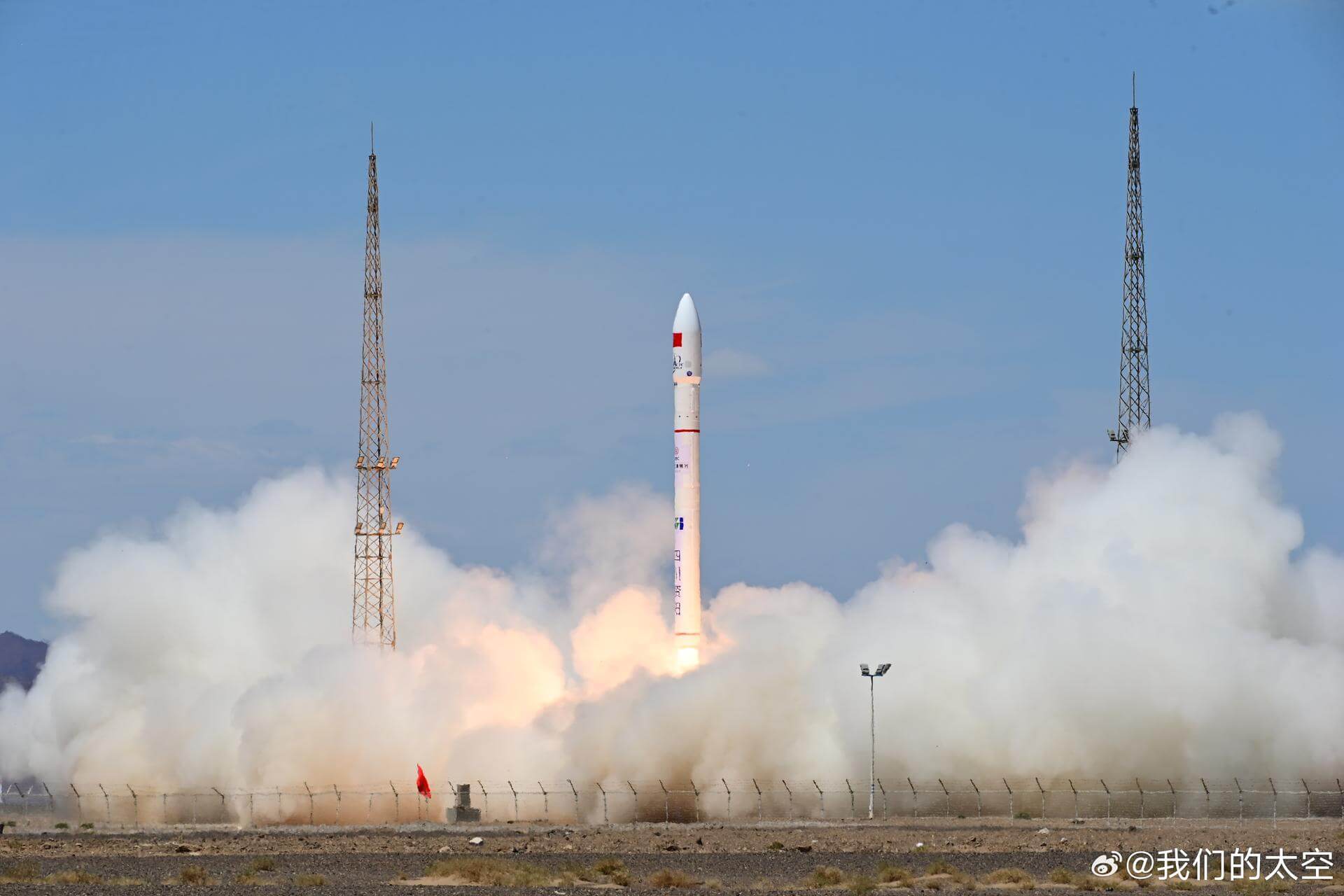
China successfully recovered a Long March 10C first stage booster, positioning the methalox rocket as its primary commercial launcher. Reusable boosters reshape Beijing's LEO constellation strategy.