


Space Brief 7 Feb 2025
Today's highlights include significant legal disputes in military satellite contracts, strategic investments in the defense space sector, and updates on major military budget developments impacting space capabilities.


Launch Date
April 13, 1990
Launch Site
Launch Pad
LC1
Launch Vehicle
Soyuz-U
NORAD ID
20568
International Designator
1990-033A
Decay Date
11/22/1990
Name
COSMOS 2072
Alternative Name
Kosmos-2072
Type
Status
Owner
UNKS
Country
USSR
Constellation
N/A
Related Satellites
Major Events
N/A
Length
7.5
Diameter
2.7
Span
8.5
Dry Mass
3390
Launch Mass
3390
Shape
Cyl + 2 Pan
Radar Cross Section
17.2867
Visual Magnitude
Unknown
Color
Unknown
Material Composition
Unknown
Payload
Yantar'-4KS1M No. 4L
Purpose
Reconnaissance, photo (data transmitting)
Mission
Reconnaissance, photo (data transmitting)
Manufacturer
TSSKB
Life Expectancy
Unknown
Bus
Yantar'-4KS1
Configuration
Yantar Bus
Motor
Unknown
Equipment
Unknown
Power System
2 deployable solar arrays, batteries
ADCS
Unknown
Transmitter Frequency
Unknown
Learn more about satellites and other related topics.
Today's highlights include significant legal disputes in military satellite contracts, strategic investments in the defense space sector, and updates on major military budget developments impacting space capabilities.
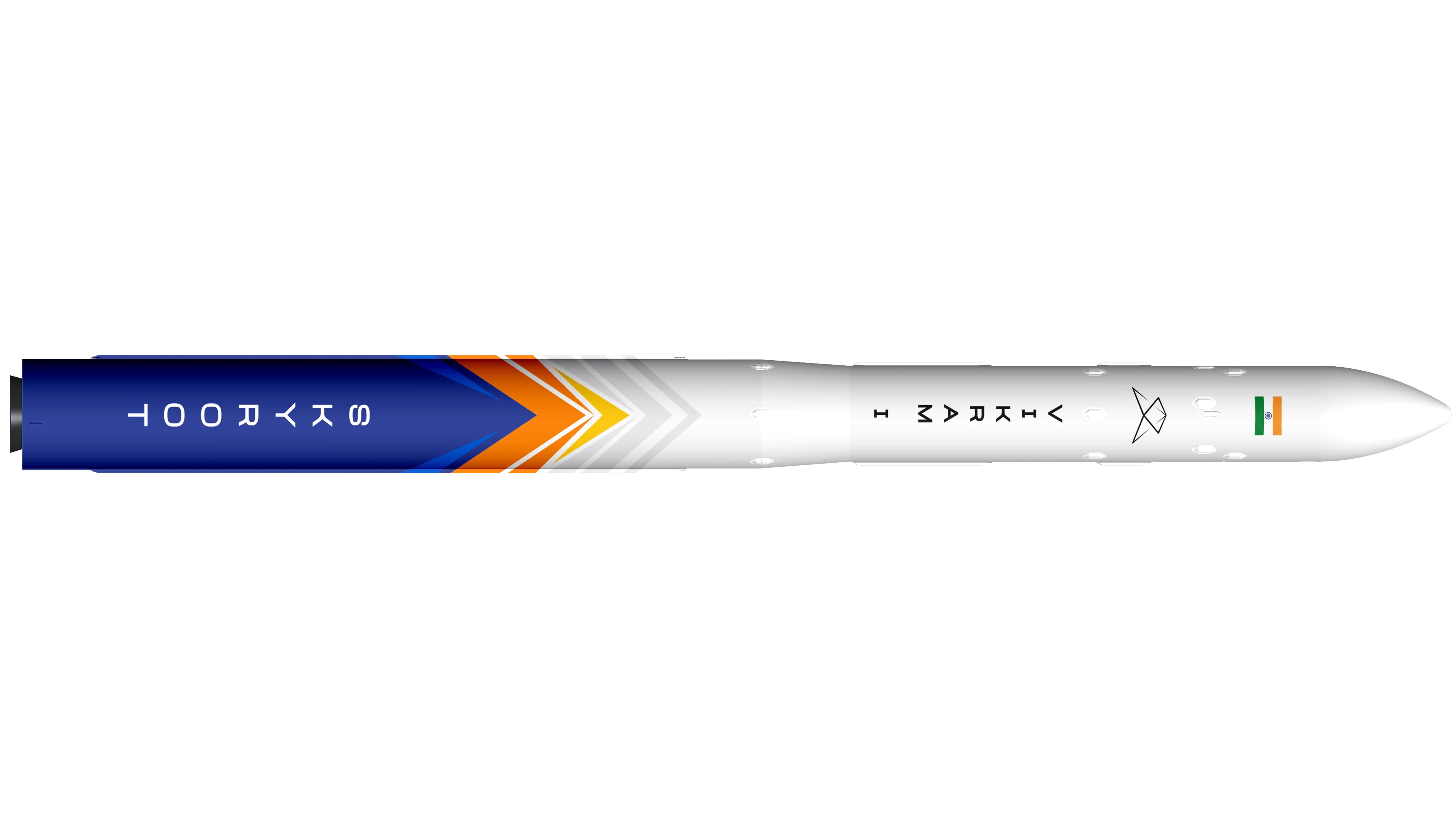
Hypersonica completes Mach 6+ hypersonic missile flight test in Norway covering 300+ km. Pentagon seeks commercial GEO spy satellites. Gilat wins $9M Israeli defense satcom deal.

Today's space brief covers significant advancements in military counter-drone capabilities, workforce challenges in the Navy related to DOGE budget cuts, and highlights Germany's rise in defense spending. We also shine a spotlight on the communications satellite INTELSAT 901.

Space Force stands up 2 cyber defense squadrons at Cape Canaveral and Vandenberg to protect launch operations against adversary interference targeting pad networks and telemetry systems.
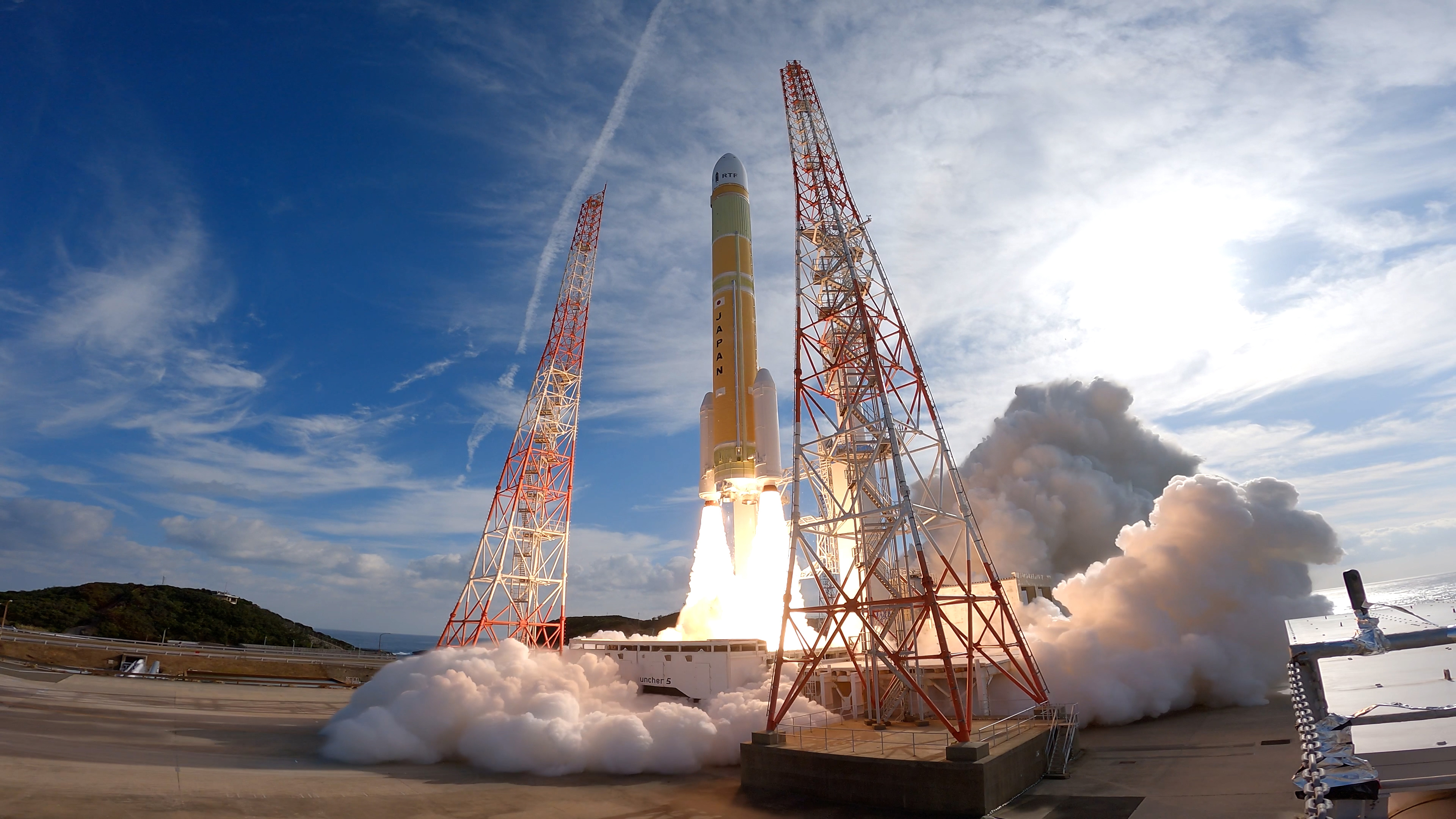
Today's highlights include new space-based interceptor developments, a UK space tracking partnership, a strategic satellite imagery alliance, and more.
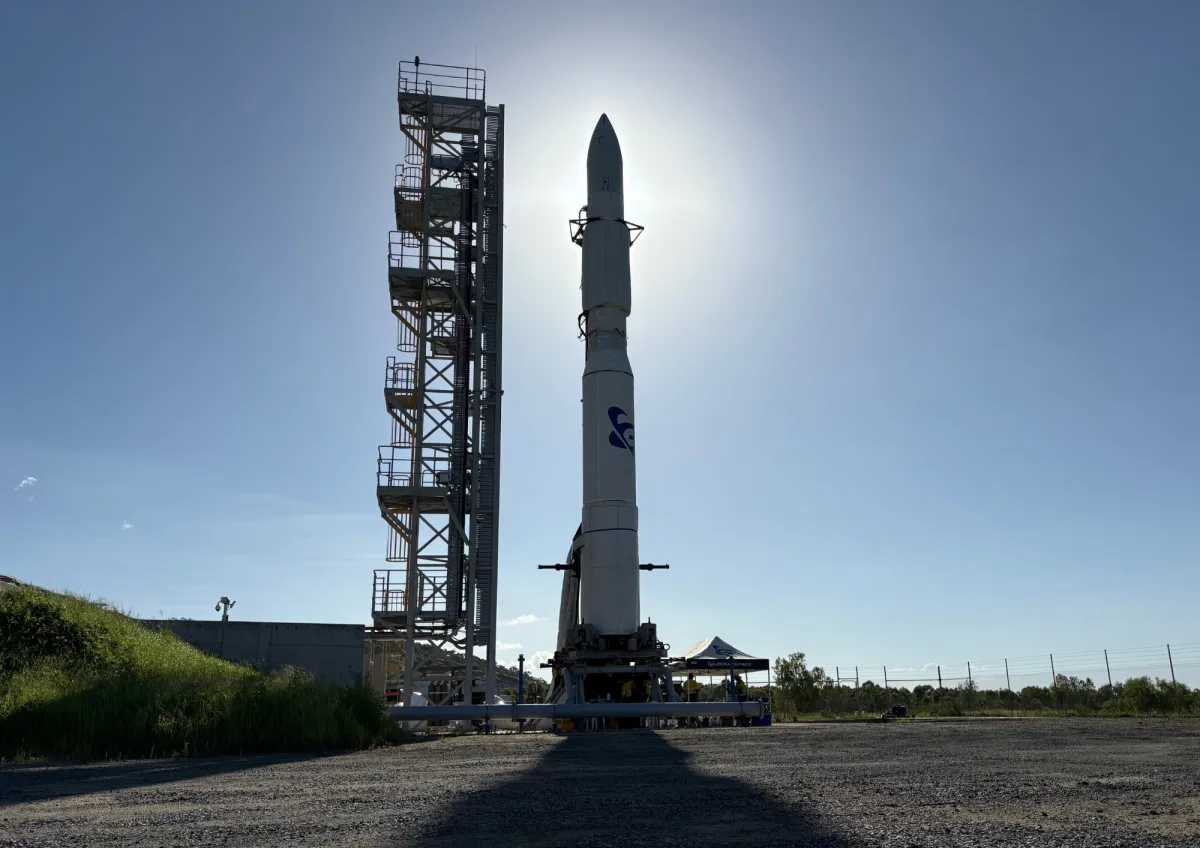
Today's brief covers the historic lunar touchdown by Firefly Aerospace's Blue Ghost lander, highlights in military space activity, and a reflection on Pearl Young's pioneering legacy at NASA.
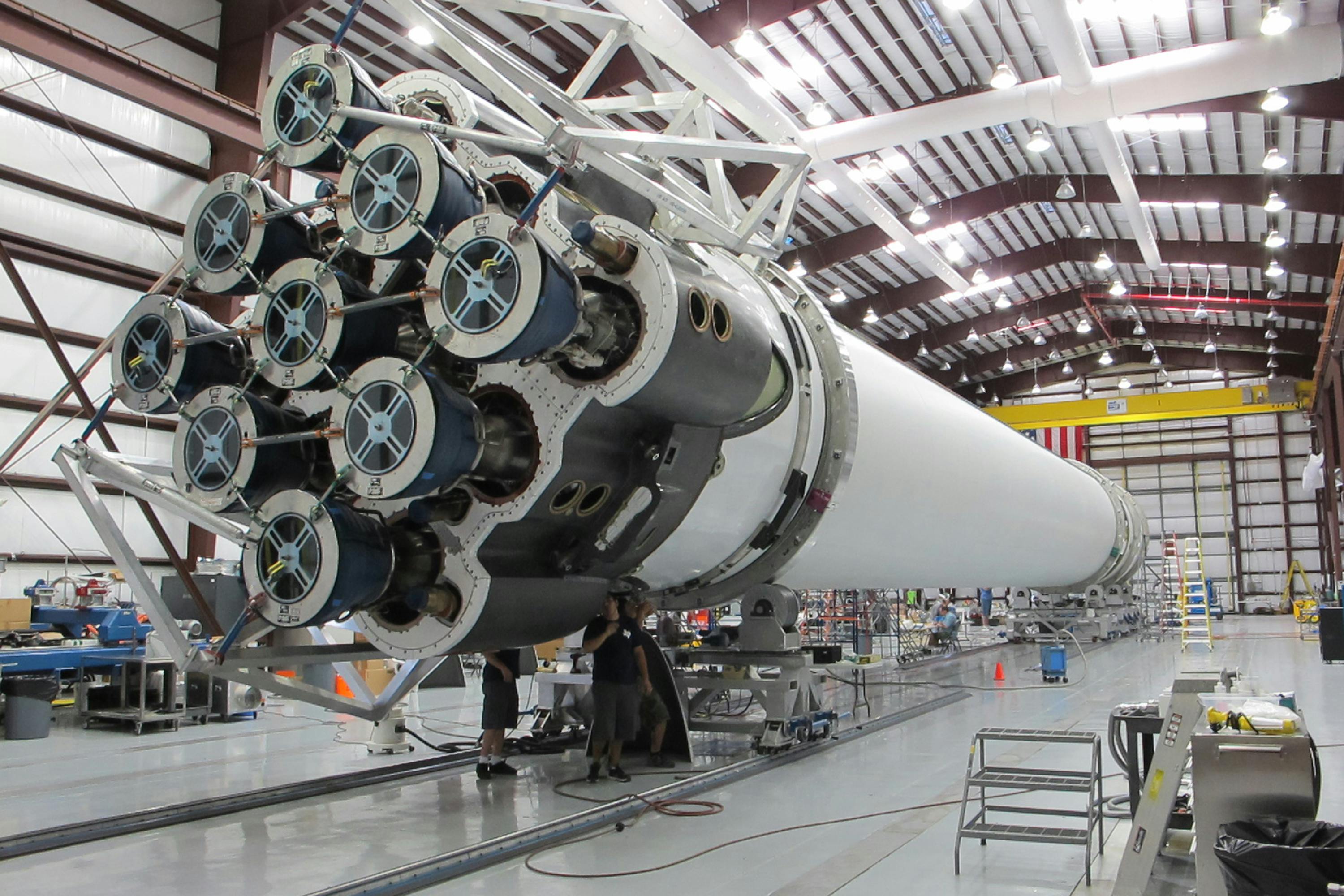
SpaceX makes strides with United States national security satellites, securing substantial spectrum for Starlink's direct-to-cell services, and preparing for future Starship developments.
Highlights include China's recent satellite launch, advancements in nuclear propulsion, non-kinetic tech developments for maritime defense, SpaceX's direct-to-device spectrum tests, and maneuvering satellites for Space Force missions.