


X Report 27 Apr 2025
SpaceX gears up for two major Starlink launches, while regulatory challenges slow progress in India.


Launch Date
March 14, 1990
Launch Site
Launch Pad
LC40
Launch Vehicle
Commercial Titan 3
NORAD ID
20524
International Designator
1990-021B
Decay Date
3/28/1990
Name
TITAN 3 R/B
Alternative Name
Orbus 21S
Type
Status
Owner
INTEL
Country
INTELSAT
Constellation
N/A
Related Satellites
Major Events
N/A
Length
3.2
Diameter
2.3
Span
13.1
Dry Mass
727
Launch Mass
8574
Shape
Cyl
Radar Cross Section
90.9
Visual Magnitude
Unknown
Color
Unknown
Material Composition
Unknown
Payload
Orbus 21S
Purpose
Unknown
Mission
Unknown
Manufacturer
CSD
Life Expectancy
Unknown
Bus
Orbus 21
Configuration
Unknown
Motor
Unknown
Equipment
Unknown
Power System
Unknown
ADCS
Unknown
Transmitter Frequency
Unknown
Learn more about satellites and other related topics.
SpaceX gears up for two major Starlink launches, while regulatory challenges slow progress in India.
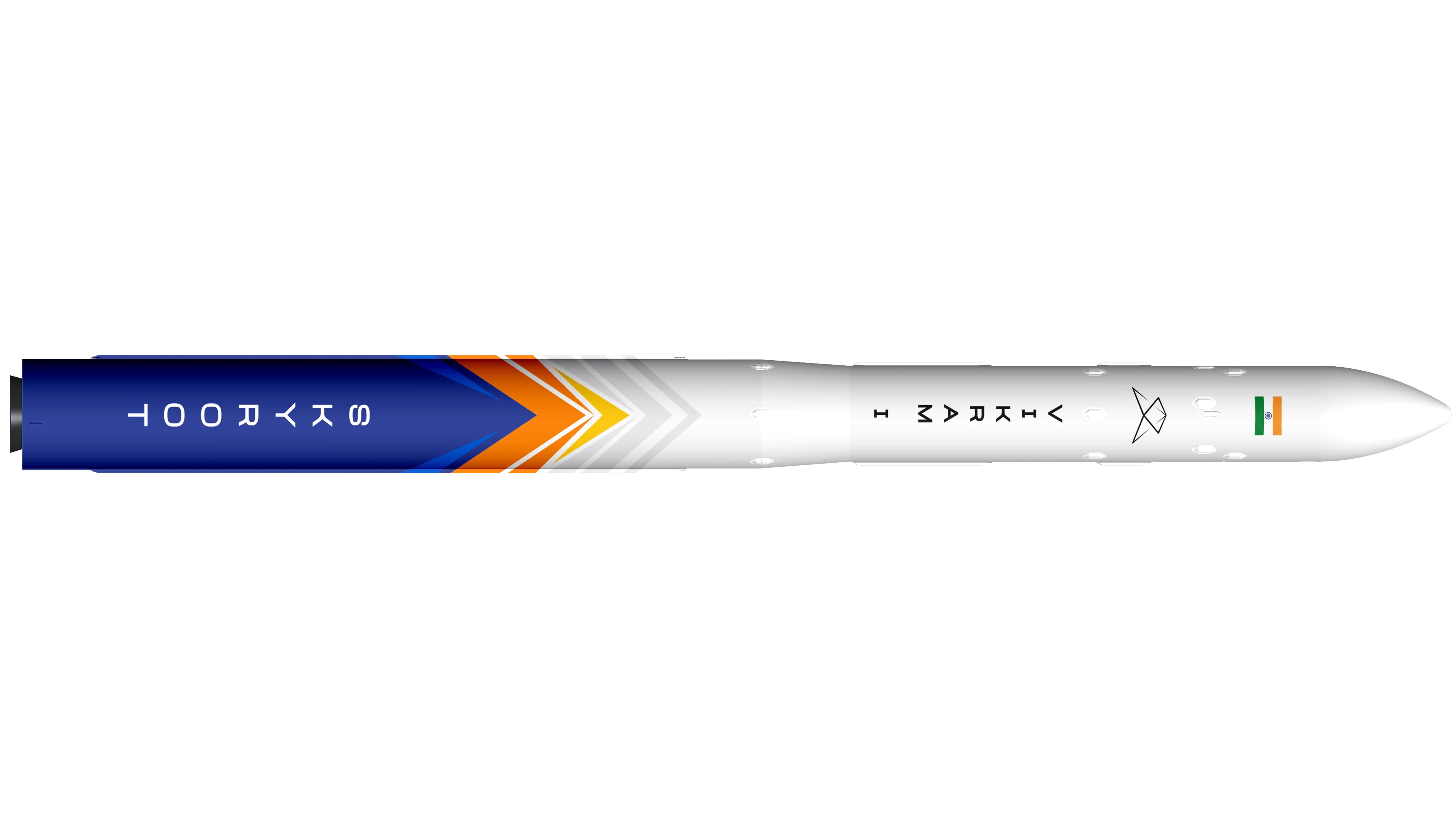
Hypersonica completes Mach 6+ hypersonic missile flight test in Norway covering 300+ km. Pentagon seeks commercial GEO spy satellites. Gilat wins $9M Israeli defense satcom deal.

SpaceX's X-37B spaceplane launch, featuring advanced tech, highlights today’s space events. The launch of the first reprogrammable navigation satellite by the US Space Force is another significant milestone.
Space Force allocated $26B in 2026 defense appropriations backing Golden Dome initiative. FY26 defense bill adds $8B but sidelines $28B munitions request. First Qatari-Emirati joint defense venture formed.
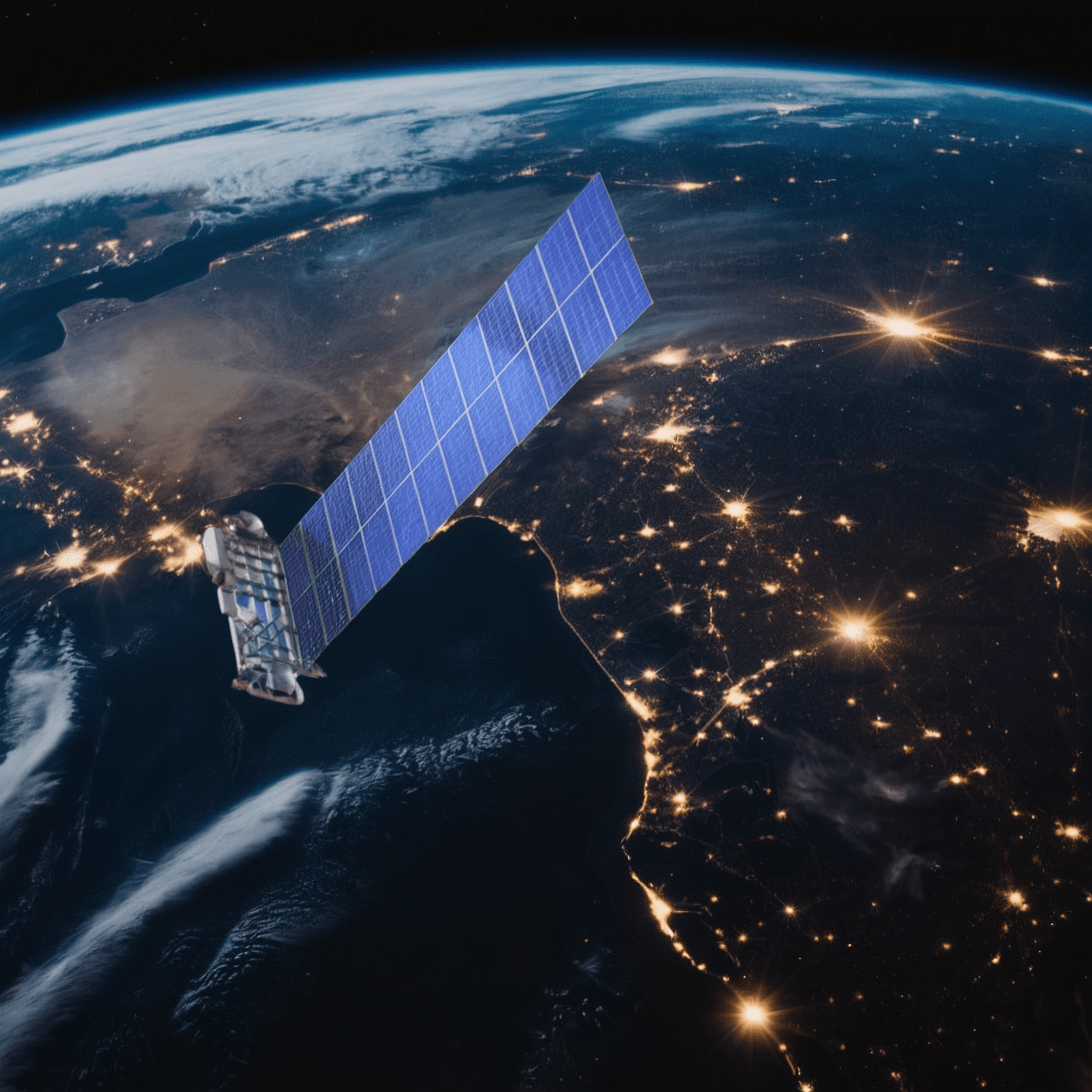
SpaceX and Amazon Are Playing for Keeps to Control Satellite Broadband and Connect the World. But Is There Room for Both in the Orbit?

Key updates include a potential delay for the Starship lunar lander, successful static fire tests for Ship 38, and the latest Starlink satellite launch plans.
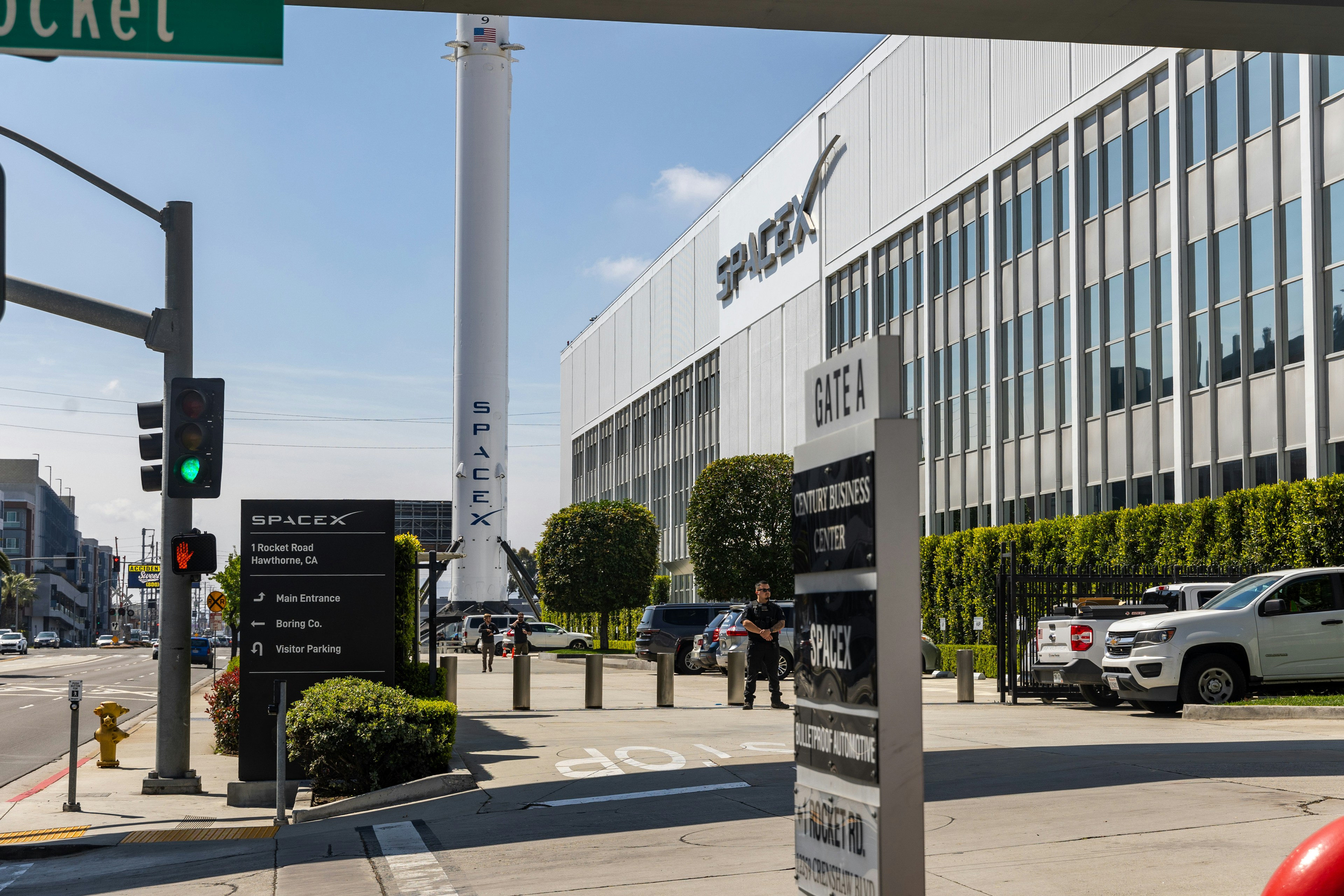
SpaceX successfully launched 24 Starlink satellites from California while investigations begin on a possible Starship salvage operation near Mexico.
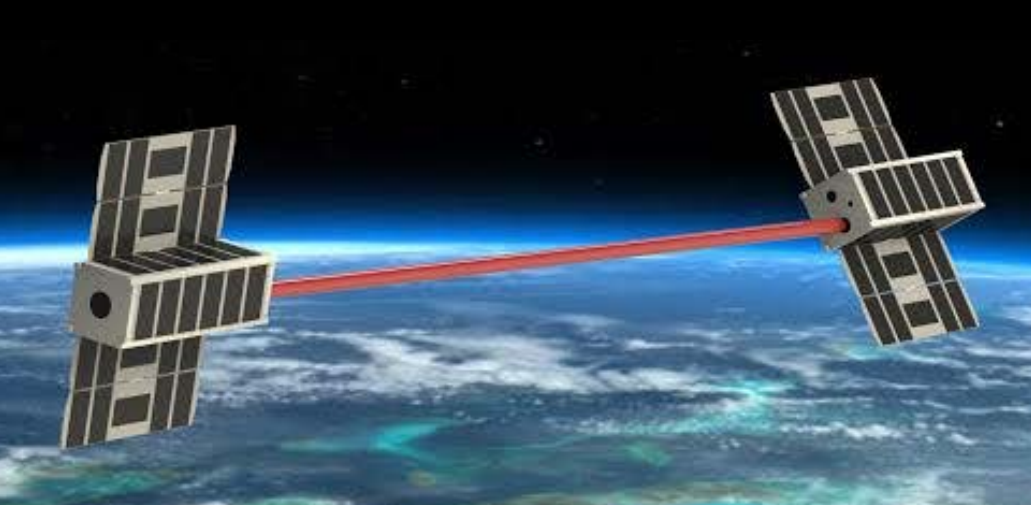
The satellite industry's biggest operators are betting on multi-orbit architectures that combine LEO, MEO, and GEO into unified networks. A San Francisco startup called Contrivian thinks they've overcomplicated the problem, and the physics might be on its side.