

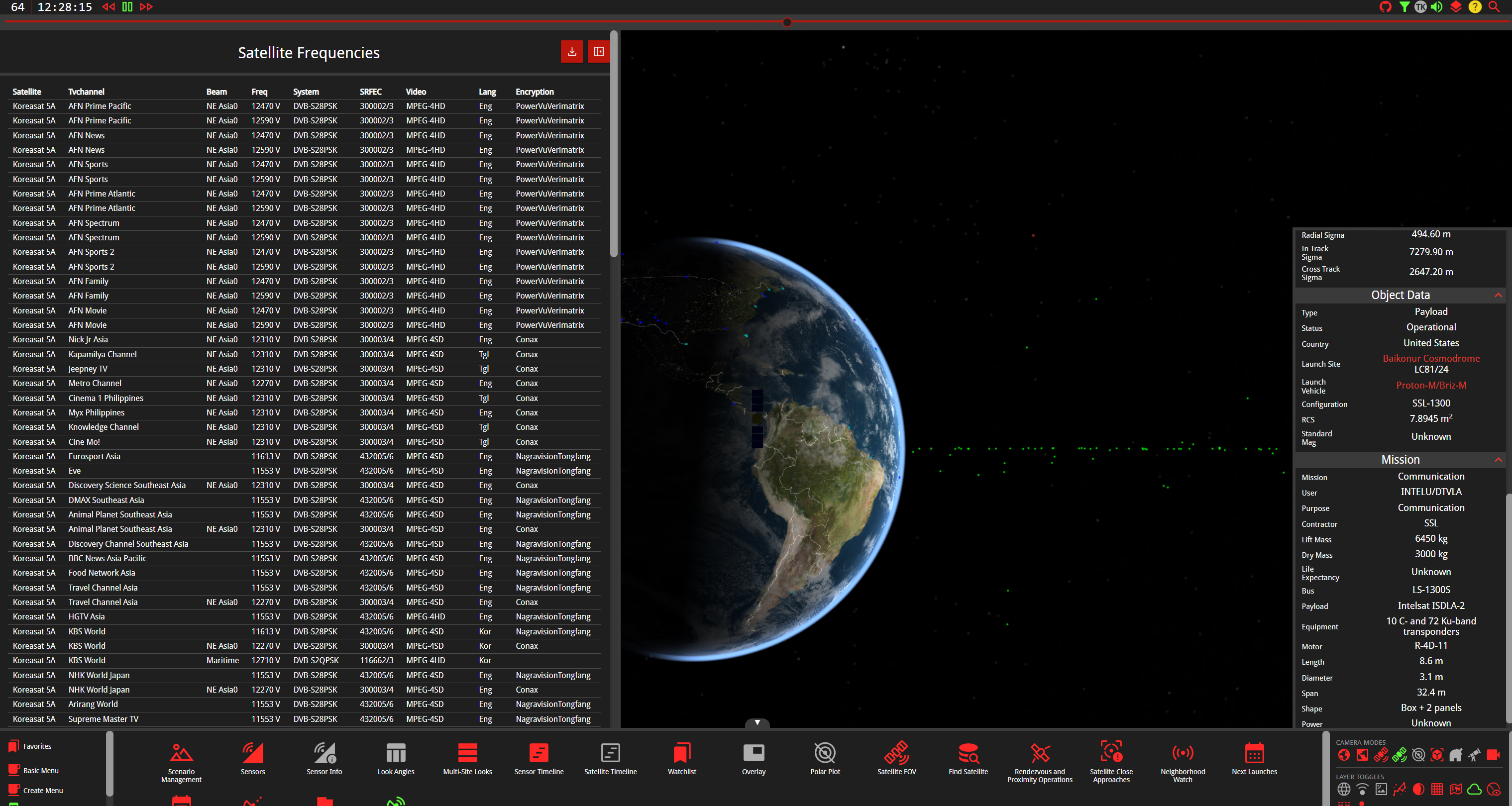
C-Band
The workhorse frequency band that quietly powers satellite communications, weather radar, and Wi-Fi around the world


Launch Date
February 28, 1990
Launch Site
Launch Pad
LC39A
Launch Vehicle
Space Shuttle
NORAD ID
20512
International Designator
1990-019A
Decay Date
3/4/1990
Name
STS 36
Alternative Name
Atlantis (STS-36)
Type
Status
Owner
JSC
Country
United States
Constellation
N/A
Related Satellites
Major Events
N/A
Length
37.3
Diameter
23.8
Span
37.3
Dry Mass
84571
Launch Mass
92359
Shape
Box + 2 Wing + Fin
Radar Cross Section
Unknown
Visual Magnitude
Unknown
Color
Unknown
Material Composition
Unknown
Payload
OV-104
Purpose
Crewed Spacecraft
Mission
Crewed Spacecraft
Manufacturer
RWI
Life Expectancy
Unknown
Bus
STS OV
Configuration
Winged orbiter
Motor
2 x OME (AJ10-190)
Equipment
Unknown
Power System
Fuel cells, batteries
ADCS
Unknown
Transmitter Frequency
Unknown
Learn more about satellites and other related topics.
The workhorse frequency band that quietly powers satellite communications, weather radar, and Wi-Fi around the world
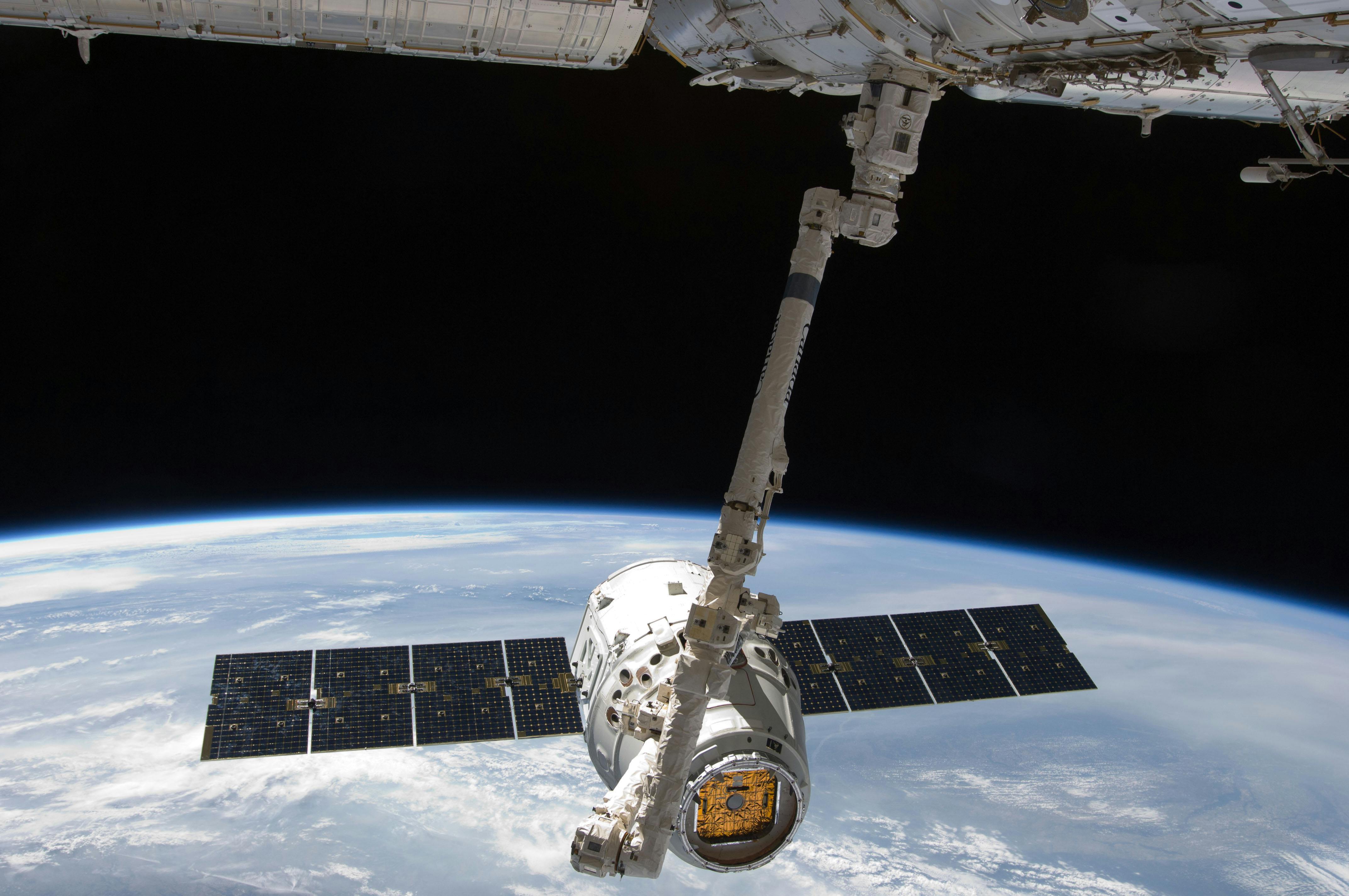
Elon Musk shifts SpaceX's priority to lunar settlement before Mars colonization. Crew-12 launch delayed by weather to Feb 12. SpaceX partners with Hexagon Purus for manufacturing.

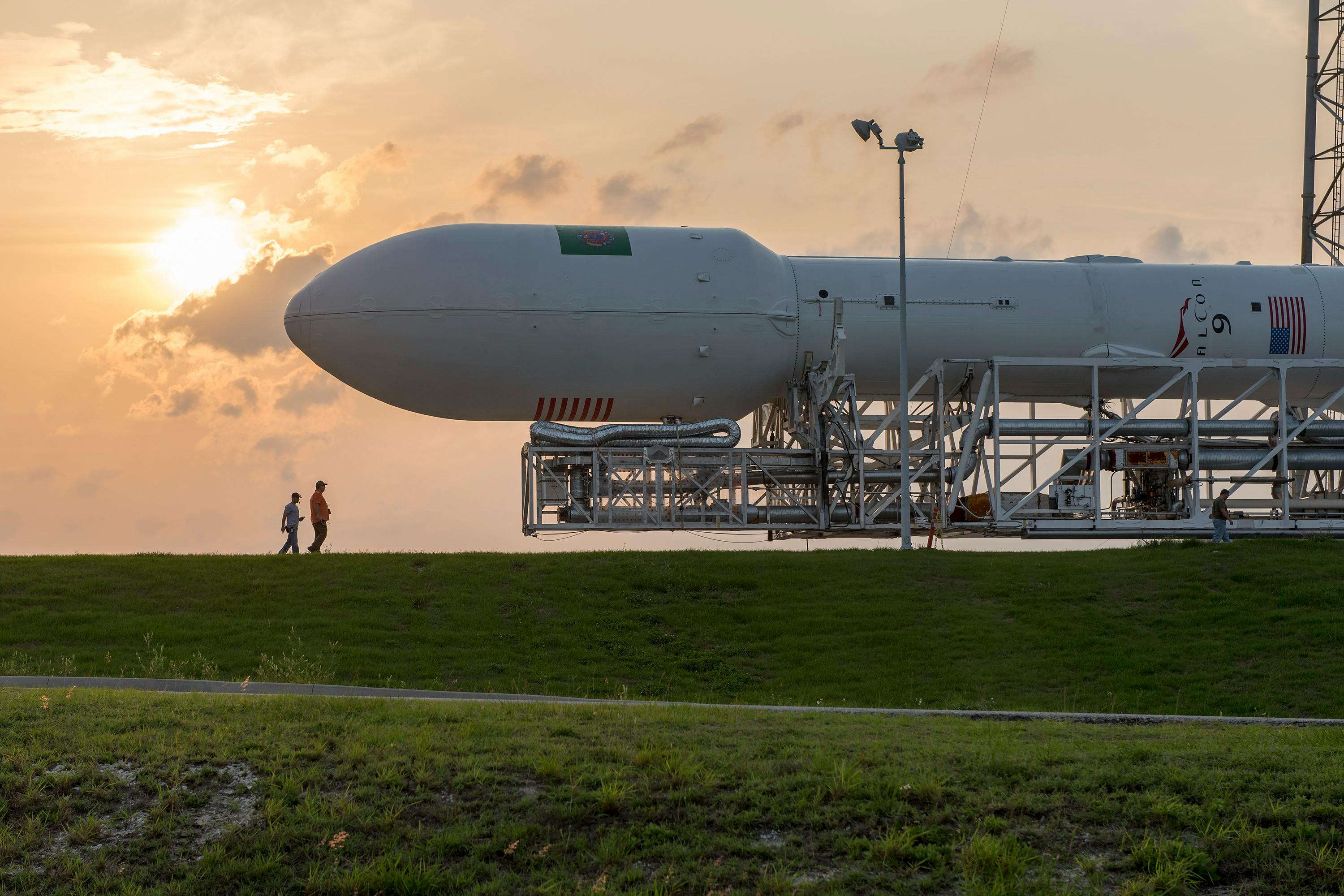
SpaceX wraps up the year with significant launches, including a record-setting Astranis deployment and Starlink missions signaling the year's end.
SpaceX's Falcon 9 delivered Northrop Grumman's second Cygnus XL — carrying over 5 tons of cargo — to the ISS on April 11, 2026.
Seventeen years ago, a Navy cruiser in the Pacific fired a missile at a tumbling reconnaissance satellite that had failed within hours of reaching orbit - officially to prevent toxic fuel from reaching the ground, unofficially to prove something far more significant to China and the world

Today's highlights include SpaceX's dual Starlink launches, NASA's progress on the Dragonfly mission to Titan, and delays in Starlink's Indian market entry.
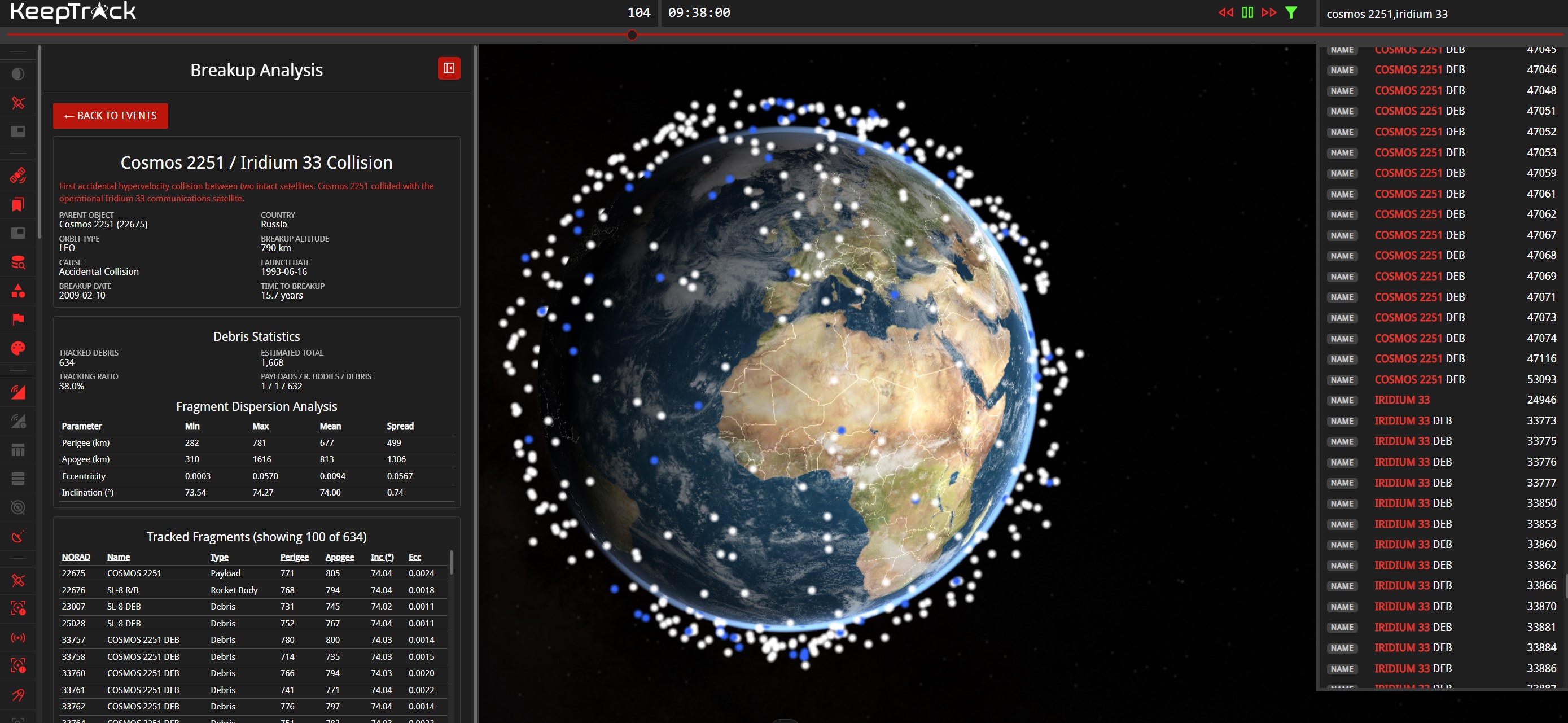
On February 10, 2009, an active Iridium communications satellite and a derelict Soviet military spacecraft slammed into each other 789 kilometers above Siberia. The collision produced more than 2,300 pieces of trackable debris that are still up there. Seventeen years later, the Iridium-Cosmos collision remains the event that made space debris a policy problem the world could no longer ignore.

Rocket Lab secures $190M Pentagon deal for 20 hypersonic test flights over 4 years using Electron. Five missions annually trackable via Space-Track.