
TRAAC (00205)

COSPAR: 1961-031B | Alt Name: Transit Research and Attitude Control

Image
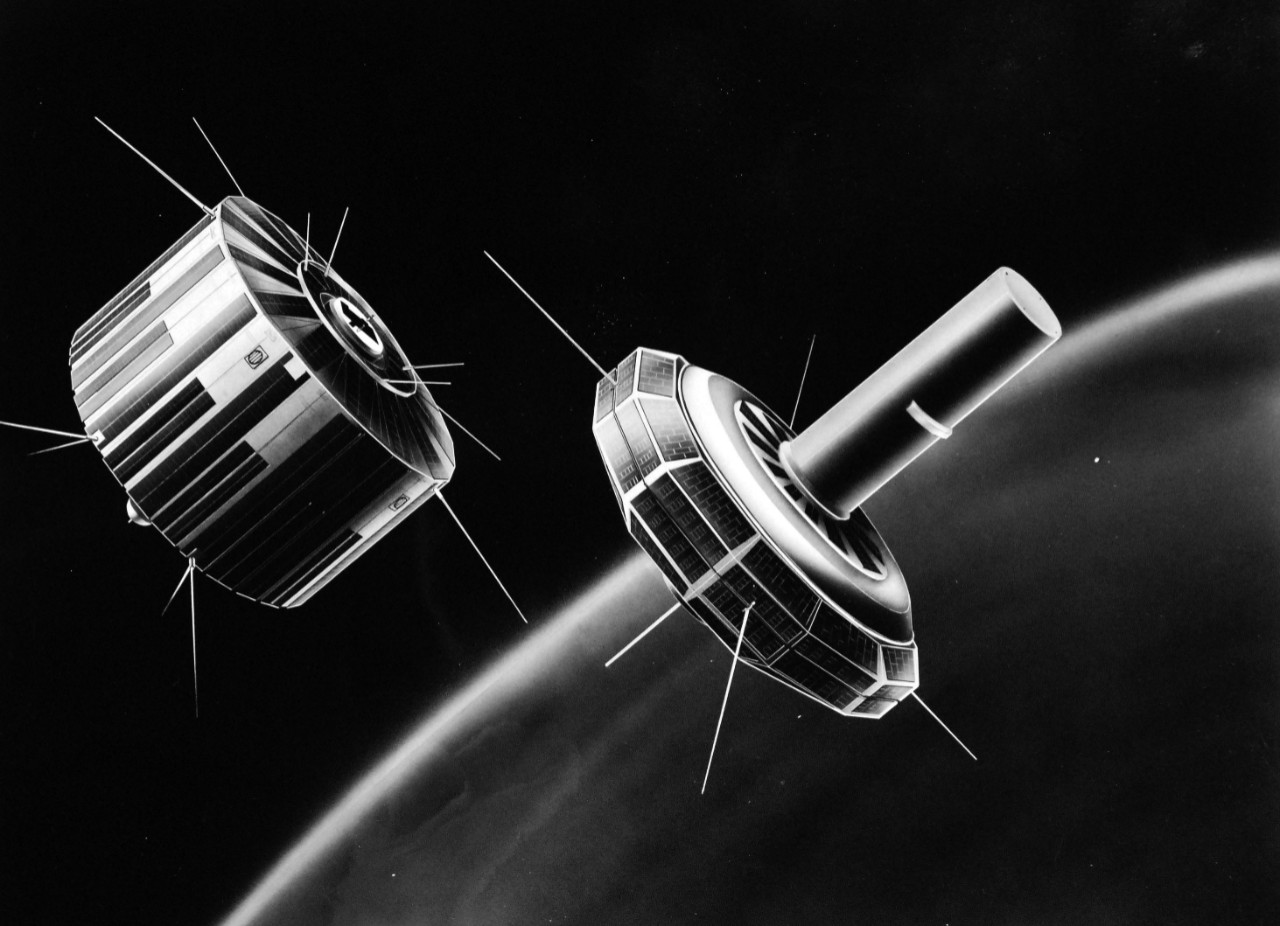
TRAAC Satellite Image
Launch Details

Launch Date

November 15, 1961

Launch Site

Cape Canaveral LC-17B

Launch Pad

LC-17B

Launch Vehicle

Thor DM-21 Ablestar

Orbital Elements

NORAD ID

00205

International Designator

1961-031B

Epoch

Sat, 04 Jul 2026 01:52:34 GMT

Apogee

Calculating...

Perigee

Calculating...

Inclination

32.44°

Right Ascension

73.84°

Eccentricity

Calculating...

Argument of Perigee

100.79°

Period

105.68 min

Mean Motion

13.63 rev/day

Latitude

Calculating...

Longitude

Calculating...

Altitude

Calculating...

Velocity

Calculating...

Polar Plot
3D Visualization
Basic Satellite Info

Name

TRAAC

Alternative Name

Transit Research and Attitude Control

Type

Payload

Status

Unknown

Owner

Bureau of Naval Weapons (BUWEPS)

Country

United States

Constellation

N/A

Related Satellites

Major Events

Launched on November 15, 1961, alongside Transit 4B. Ceased operation after approximately 270 days due to radiation damage from the Starfish Prime nuclear test.

Latest TLEs
1 00205U 61031B   26185.07817590  .00000053  00000-0  38927-4 0  9998
2 00205  32.4408  73.8407 0101619 100.7895 260.4183 13.62574898221379

Source: Celestrak

Summary
The Transit Research and Attitude Control (TRAAC) satellite was a US-made spacecraft launched on November 15, 1961, from Cape Canaveral LC-17B. It measured approximately 1.0 meters in length and 1.1 meters in diameter, with a mass of 109 kg. The TRAAC was equipped with particle detectors, solar attitude detectors, magnetometers, and a Doppler system. The satellite's primary mission was to test the feasibility of using gravity-gradient stabilization in Transit navigational satellites and to study the effects of space radiation. It used solar cells to charge nickel-cadmium batteries, generating approximately 16 watts of power. The TRAAC operated for around 270 days before ceasing operation due to damage from a nuclear test. The satellite's configuration was a cylindrical shape with an extended boom, and it was stabilized using gravity-gradient stabilization. The manufacturer was the Applied Physics Laboratory (APL), and the mission was owned by the Bureau of Naval Weapons (BUWEPS).
Physical Characteristics

Length

1

Diameter

1.1

Span

10

Dry Mass

109

Launch Mass

109

Shape

Cylindrical with extended boom

Radar Cross Section

0.5519

Visual Magnitude

5.5

Color

Silver

Material Composition

Aluminum, beryllium copper

Technical Details

Payload

TRAAC

Purpose

Unknown

Mission

To test the feasibility of using gravity-gradient stabilization in Transit navigational satellites and to study the effects of space radiation.

Manufacturer

Applied Physics Laboratory (APL)

Life Expectancy

Operated for approximately 270 days, providing valuable data on gravity-gradient stabilization and space radiation effects.

Bus

Transit 4

Configuration

Gravity-gradient stabilized satellite

Motor

Unknown

Equipment

Particle detectors, solar attitude detectors, magnetometers, Doppler system

Power System

Solar cells charging nickel-cadmium batteries, generating approximately 16 watts.

ADCS

Gravity-gradient stabilization

Transmitter Frequency

54 MHz, 324 MHz

Map
This tool will help you track the satellite's position and predict its upcoming passes over your location. Simply input the coordinates or click the geolocation button to get started.
Next Pass
Azimuth Elevation Time (Local)
Start Azimuth
Max Elevation
Stop Azimuth
Time Until
Pass Duration

Satellite Articles

View All Posts »

Learn more about satellites and other related topics.

Space Brief 25 Dec 2025

Space Brief 25 Dec 2025

Today's highlights include the Pentagon's report on China's military buildup, Innospace's upcoming launch plans, Starlink's rapid growth, China's significant space strides in 2025, and India's successful deployment of BlueBird 6.
X Report 26 Nov 2024

X Report 26 Nov 2024

SpaceX sets launch milestones with quick turnarounds and new Starlink deployments, while eyeing rapid Starship expansions next year.

Vandenberg Set to Overtake All Sites as SpaceX Pivots from Falcon 9 | KeepTrack X Report

Vandenberg Set to Overtake All Sites as SpaceX Pivots from Falcon 9 | KeepTrack X Report

SpaceX shifts launch priorities to Vandenberg as Falcon 9 era winds down, while Anthropic signs orbital data center deal with the company.

Space Brief 3 Jul 2025

Space Brief 3 Jul 2025

Today's coverage includes the cancellation of DARPA's DRACO nuclear propulsion project, global shifts in Earth observation strategy, and new developments in satellite technology and military collaborations.

108 Minutes That Changed Everything - and the 20-Year Echo That Followed

108 Minutes That Changed Everything - and the 20-Year Echo That Followed

On April 12, 1961, a 27-year-old Soviet pilot rode a modified ICBM into orbit and came back alive after 108 minutes. Exactly twenty years later, two Americans climbed aboard an untested spacecraft covered in 31,000 ceramic tiles and bet their lives that the math was right.

X Report 27 Nov 2024

X Report 27 Nov 2024

SpaceX secures FCC nod for Starlink's direct-to-phone connectivity, lands NASA's Dragonfly mission, and sees new competition with the ZhuQue-2E launch.

Crew-11 Returns to Earth After Historic ISS Medical Evacuation | KeepTrack X Report

Crew-11 Returns to Earth After Historic ISS Medical Evacuation | KeepTrack X Report

SpaceX Crew-11 mission returns safely to Earth after first-ever medical evacuation from ISS. Crew Dragon splashes down in Pacific Ocean off California coast. Mission ended early due to health concern.

NASA Ends MAVEN After 6-Month Contact Loss; Falcon 9 Sets 35th Reuse Record | KeepTrack Space Brief

NASA Ends MAVEN After 6-Month Contact Loss; Falcon 9 Sets 35th Reuse Record | KeepTrack Space Brief

NASA concludes MAVEN mission after six months attempting to restore contact with Mars probe. Meanwhile, Falcon 9 booster flies record 35th flight on Starlink 10-35 mission.