


GPS III SV-10 Moves to Falcon 9 After Vulcan Grounded | KeepTrack X Report
SpaceX claims a 2nd GPS III launch as ULA's Vulcan investigation stalls, while ESA charters a Crew Dragon ISS mission and Starlink hits 30 launches in 2026.


Launch Date
January 22, 1990
Launch Site
FRGUI
Launch Pad
ELA2
Launch Vehicle
Ariane 40
NORAD ID
20439
International Designator
1990-005D
Epoch
Sat, 04 Jul 2026 01:17:22 GMT
Apogee
Calculating...
Perigee
Calculating...
Inclination
98.85°
Right Ascension
221.13°
Eccentricity
Calculating...
Argument of Perigee
176.25°
Period
100.42 min
Mean Motion
14.34 rev/day
Latitude
Calculating...
Longitude
Calculating...
Altitude
Calculating...
Velocity
Calculating...
Name
PACSAT (AO-16)
Alternative Name
AMSAT-OSCAR-16
Type
Status
Owner
AMNA
Country
United States
Constellation
N/A
Related Satellites
Major Events
N/A
1 20439U 90005D 26185.05373723 .00000148 00000-0 69656-4 0 9993
2 20439 98.8514 221.1283 0010643 176.2549 213.7179 14.33942139904352
Source: Celestrak
Length
0.2
Diameter
0.2
Span
0.2
Dry Mass
10
Launch Mass
10
Shape
Box
Radar Cross Section
0.1147
Visual Magnitude
Unknown
Color
Unknown
Material Composition
Unknown
Payload
Pacsat
Purpose
Amateur radio communication
Mission
Amateur radio communication
Manufacturer
AMNA
Life Expectancy
Unknown
Bus
Microsat
Configuration
AMSAT-NA Microsat
Motor
Unknown
Equipment
Unknown
Power System
Solar cells, batteries
ADCS
Unknown
Transmitter Frequency
Unknown
Learn more about satellites and other related topics.
SpaceX claims a 2nd GPS III launch as ULA's Vulcan investigation stalls, while ESA charters a Crew Dragon ISS mission and Starlink hits 30 launches in 2026.

As Ukraine explores alternatives to SpaceX's Starlink, the potential adoption of Eutelsat OneWeb's satellite network raises critical questions about connectivity, resilience, and strategic autonomy.
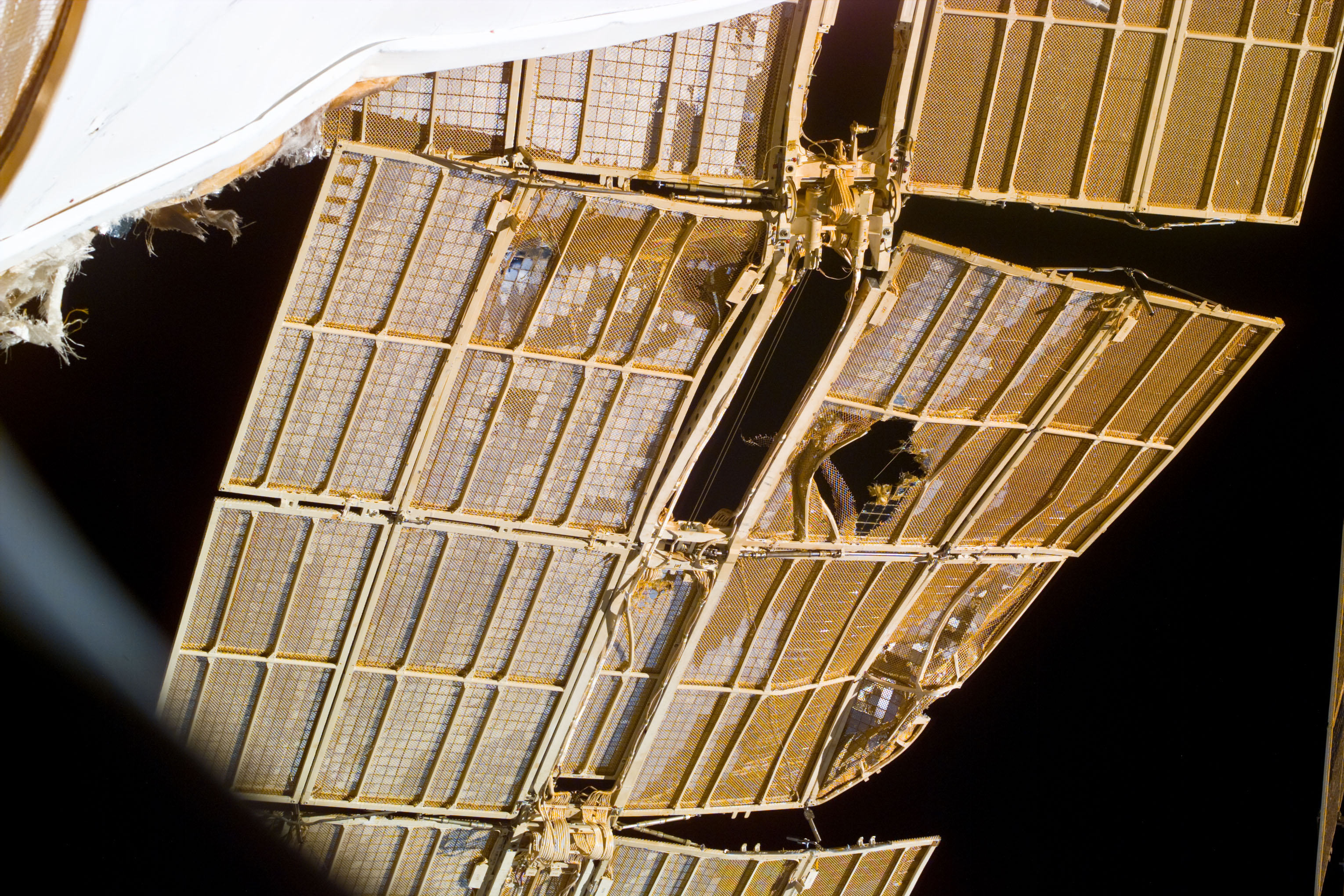
On 25 June 1997, a seven-ton cargo ship under hand control drifted into Mir's Spektr module, breached the hull, and left three crew members listening to their air hiss into space. It remains the worst collision in the history of human spaceflight.

SpaceX gears up for new Starlink shell deployment and secures updated licensing for Starship, amidst ongoing preparations for Falcon 9 launches.
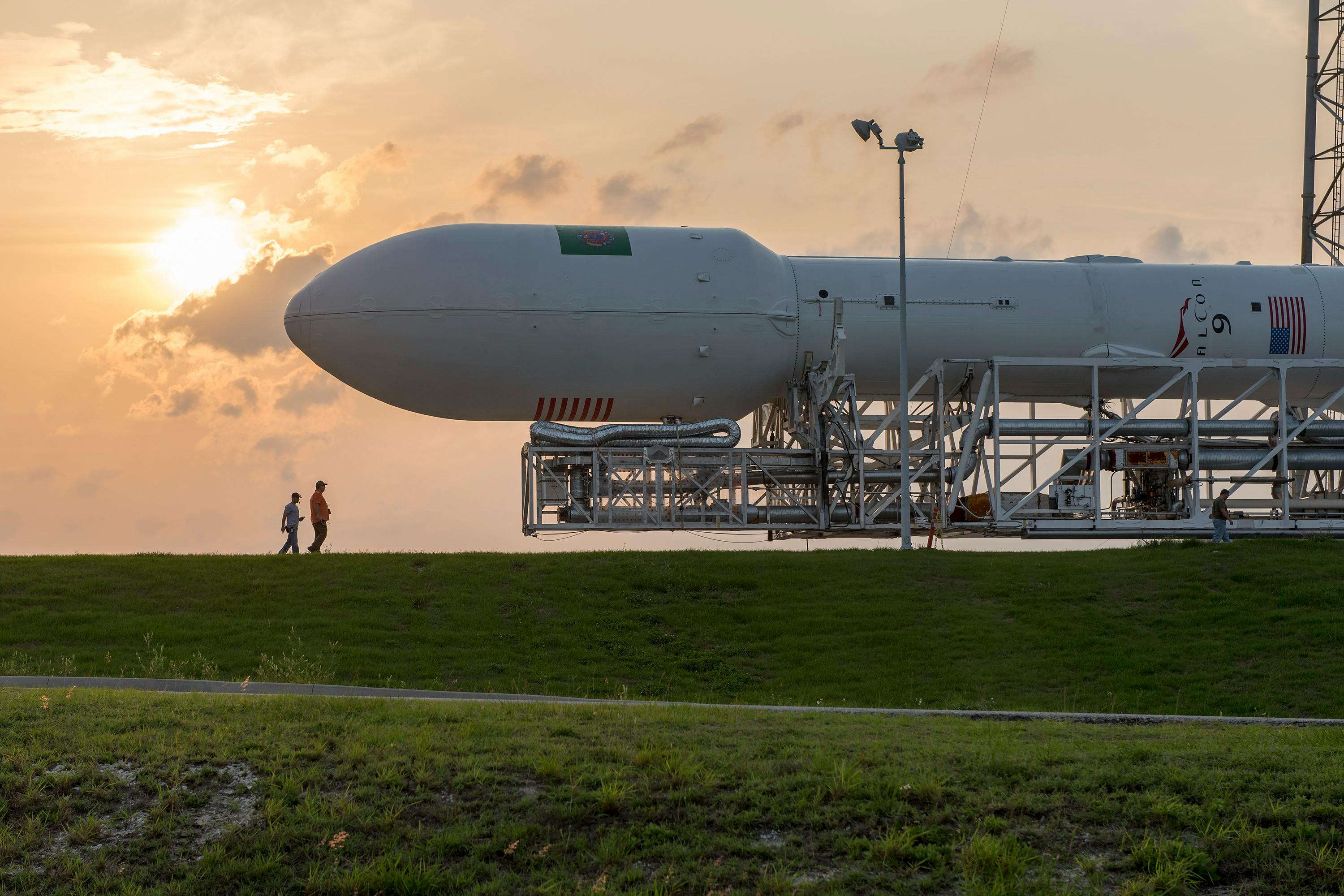
SpaceX's Falcon 9 delivered Northrop Grumman's second Cygnus XL — carrying over 5 tons of cargo — to the ISS on April 11, 2026.

Today's Space Brief covers China's Haiyang-4 satellite launch, Intuitive Machines' Artemis infrastructure proposals, deployment of the GREMLIN sensor suite, and more.

Three Chinese rocket bodies have exploded over four years, creating debris clouds that will linger for decades to centuries, according to LeoLabs analysis. Fragmentation events threaten commercial and military operators.

Rocket Lab Neutron launch schedule holds at Q4 2026 for the first flight as a five-launch contract lands; barge recovery starts on flight two.