UOSAT 3 (UO-14) (20437)

COSPAR: 1990-005B | Alt Name: UoSAT-OSCAR-14

Image
UOSAT 3 (UO-14) Satellite Image
Additional Sources
Launch Details

Launch Date

January 22, 1990

Launch Site

FRGUI

Launch Pad

ELA2

Launch Vehicle

Ariane 40

Orbital Elements

NORAD ID

20437

International Designator

1990-005B

Epoch

Sat, 04 Jul 2026 02:15:11 GMT

Apogee

Calculating...

Perigee

Calculating...

Inclination

98.80°

Right Ascension

234.64°

Eccentricity

Calculating...

Argument of Perigee

208.86°

Period

100.47 min

Mean Motion

14.33 rev/day

Latitude

Calculating...

Longitude

Calculating...

Altitude

Calculating...

Velocity

Calculating...

Polar Plot
3D Visualization
Basic Satellite Info

Name

UOSAT 3 (UO-14)

Alternative Name

UoSAT-OSCAR-14

Type

Payload

Status

Non-operational

Owner

SSTL

Country

United Kingdom

Constellation

N/A

Related Satellites

Major Events

N/A

Latest TLEs
1 20437U 90005B   26185.09387870  .00000112  00000-0  57284-4 0  9998
2 20437  98.8019 234.6398 0009827 208.8597 180.8856 14.33272187904011

Source: Celestrak

Summary
UOSAT 3 (UO-14), also known as UoSAT-OSCAR-14, is a microsatellite launched by SSTL on January 22, 1990, from the ELA2 launch pad at Guiana Space Centre using an Ariane 40 launch vehicle. The satellite measures 0.7 meters in length with a diameter of 0.4 meters and spans 6.5 meters when its components are fully extended. It has a dry mass of 46 kilograms, the same as its launch mass. Equipped with solar cells and batteries for power supply, UOSAT 3 serves multiple purposes including radio amateur communication, earth observation, and technology demonstration. Its shape is described as box plus antenna (Box + Ant). The satellite was manufactured by SSTL and is used primarily for scientific research and educational projects.
Physical Characteristics

Length

0.7

Diameter

0.4

Span

6.5

Dry Mass

46

Launch Mass

46

Shape

Box + Ant

Radar Cross Section

0.327

Visual Magnitude

Unknown

Color

Unknown

Material Composition

Unknown

Technical Details

Payload

UoSAT 3

Purpose

Radio amateur communication, earth observation, technology

Mission

Radio amateur communication, earth observation, technology

Manufacturer

SSTL

Life Expectancy

Unknown

Bus

UoSAT

Configuration

Microsat-70

Motor

None

Equipment

Unknown

Power System

Solar cells, batteries

ADCS

Unknown

Transmitter Frequency

Unknown

Map
This tool will help you track the satellite's position and predict its upcoming passes over your location. Simply input the coordinates or click the geolocation button to get started.
Next Pass
Azimuth Elevation Time (Local)
Start Azimuth
Max Elevation
Stop Azimuth
Time Until
Pass Duration

Satellite Articles

View All Posts »

Learn more about satellites and other related topics.

The Day Humanity First Used a Planet to Navigate the Solar System

The Day Humanity First Used a Planet to Navigate the Solar System

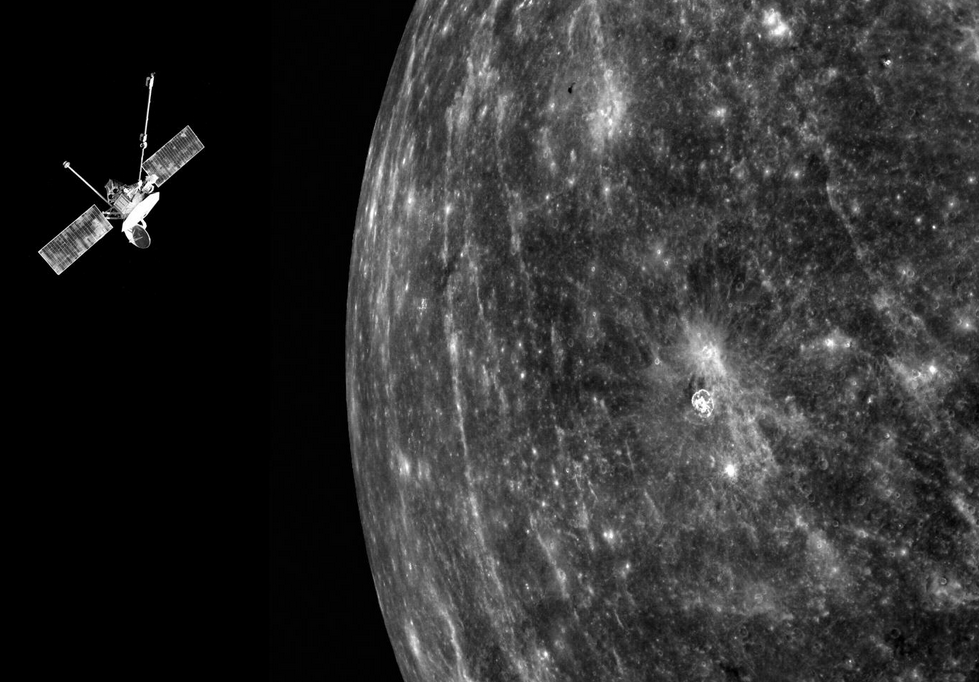
Fifty-one years ago, Mariner 10 revolutionized space exploration by executing the first-ever planetary gravity assist at Venus, pioneering a technique that would transform how we explore the solar system
The Day Space Station Crews Gained Their Window on the World

The Day Space Station Crews Gained Their Window on the World

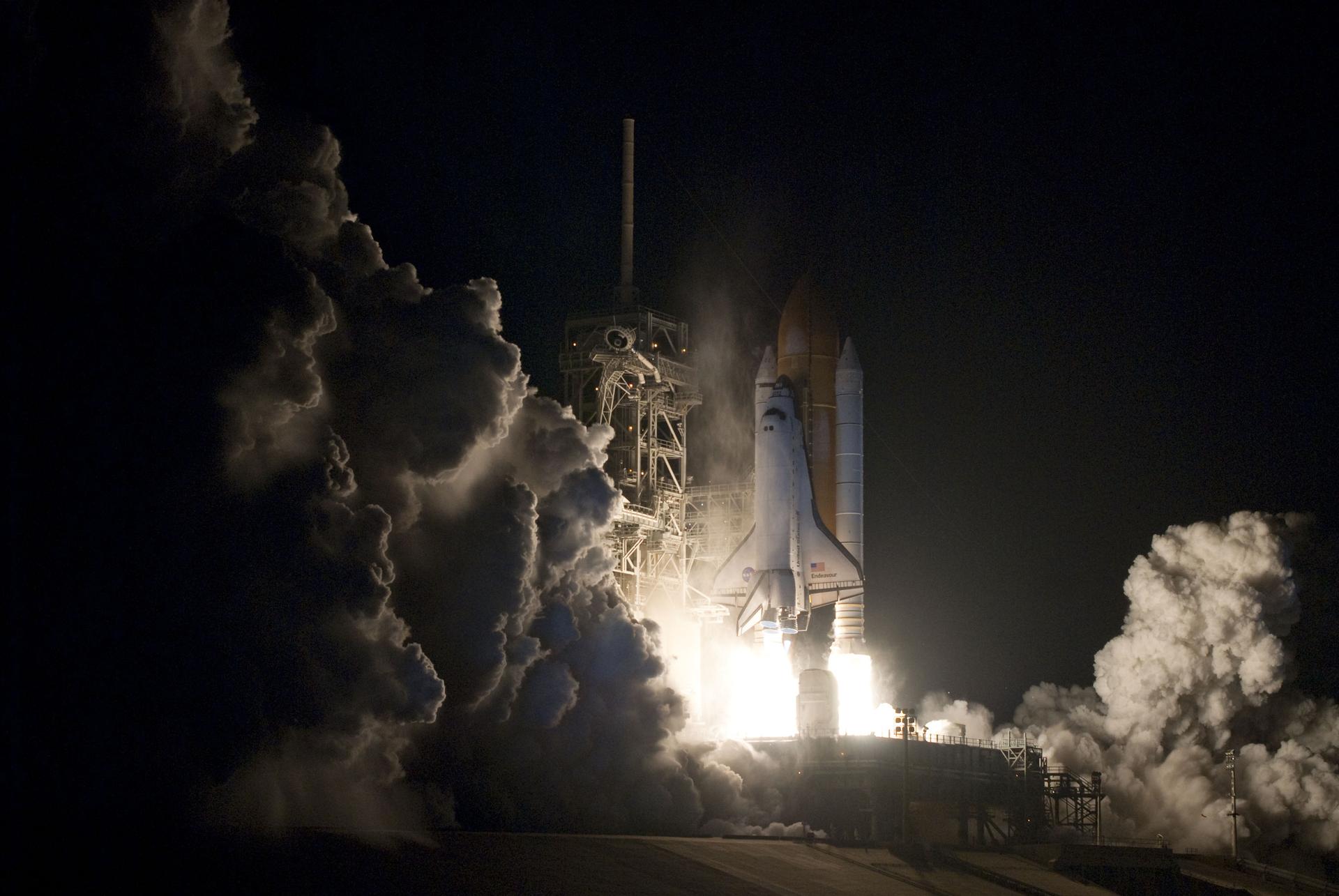
Fifteen years ago, Space Shuttle Endeavour launched on a mission that would give International Space Station astronauts their most spectacular view of Earth through the innovative Cupola observatory

X Report 15 Sep 2025

X Report 15 Sep 2025

SpaceX successfully launched Northrop Grumman's new Cygnus XL cargo spacecraft to the ISS, marking a significant advancement in cargo delivery capabilities.

Space Brief 21 Jan 2025

Space Brief 21 Jan 2025

Today's Space Brief highlights a SpaceX launch of Starlink satellites, international efforts to tackle space debris, and innovative lunar power solutions from China.

Space Brief 13 Feb 2025

Space Brief 13 Feb 2025

Today's brief covers significant advancements in space satellite launches, military spending impacts on space, and notable developments from the Space Force and SpaceX.

Sally Ride and the Twenty Years It Took America to Catch Up

Sally Ride and the Twenty Years It Took America to Catch Up

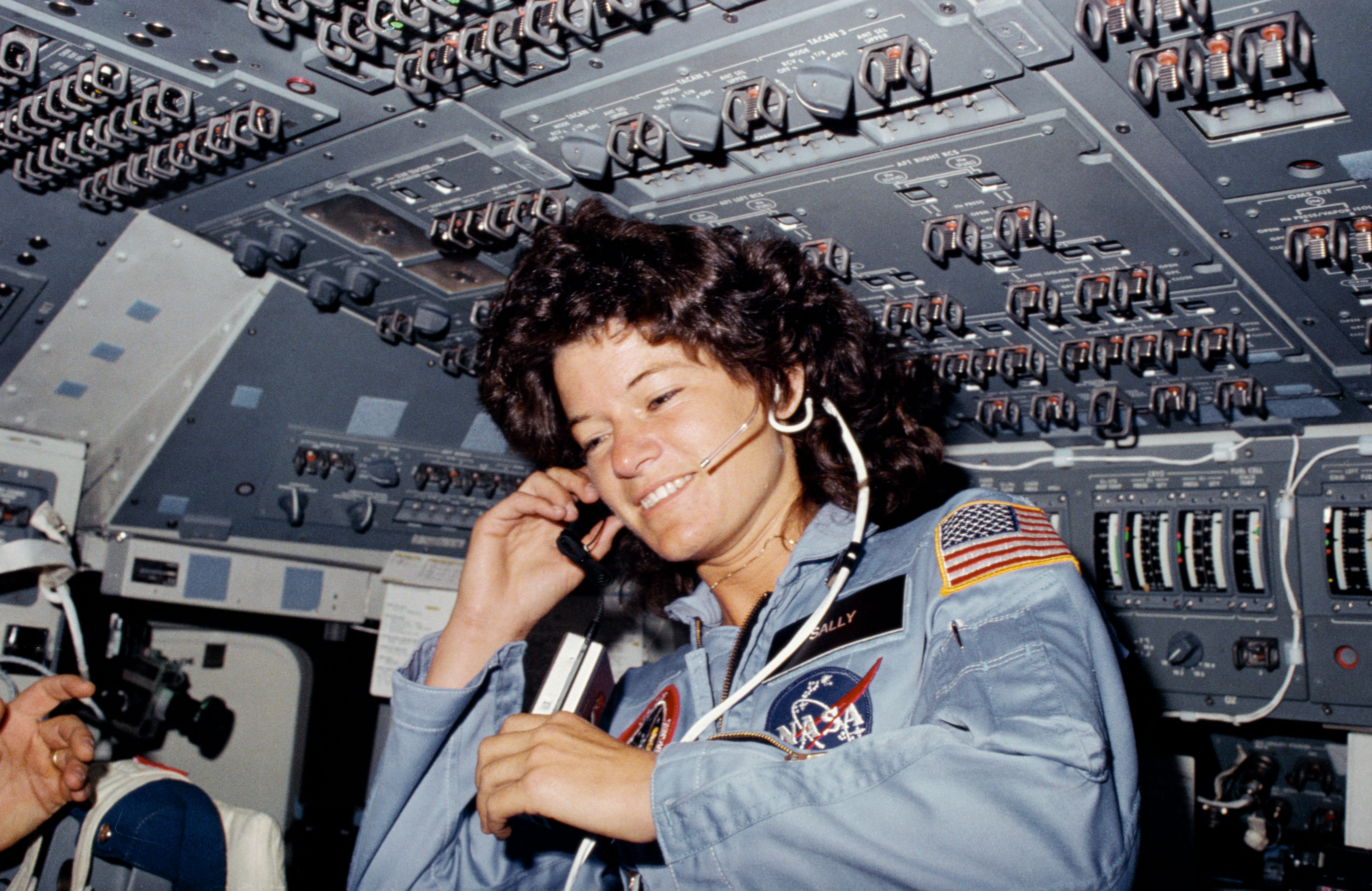
At 7:33 on the morning of 18 June 1983, a 32-year-old astrophysicist named Sally Ride rode Challenger off Pad 39A and became the first American woman in space. She got there two decades after the Soviets, and only after months of being asked whether spaceflight would damage her reproductive organs and whether she planned to cry.

China's Shenlong Spaceplane Releases Mystery Object | KeepTrack Space Brief

China's Shenlong Spaceplane Releases Mystery Object | KeepTrack Space Brief

China's Shenlong spaceplane released an unidentified object in orbit, drawing scrutiny amid U.S. Space Force Victus Haze RPO demonstrations. Tracking data critical.

Starship Flight 12 Debuts Ship V3 as SDA Reorganizes York Space | KeepTrack Space Brief

Starship Flight 12 Debuts Ship V3 as SDA Reorganizes York Space | KeepTrack Space Brief

SpaceX's Starship Flight 12 debuts Ship 39 and Booster 19 on May 19, while York Space faces investor confusion as Space Force reorganizes the Space Development Agency.