


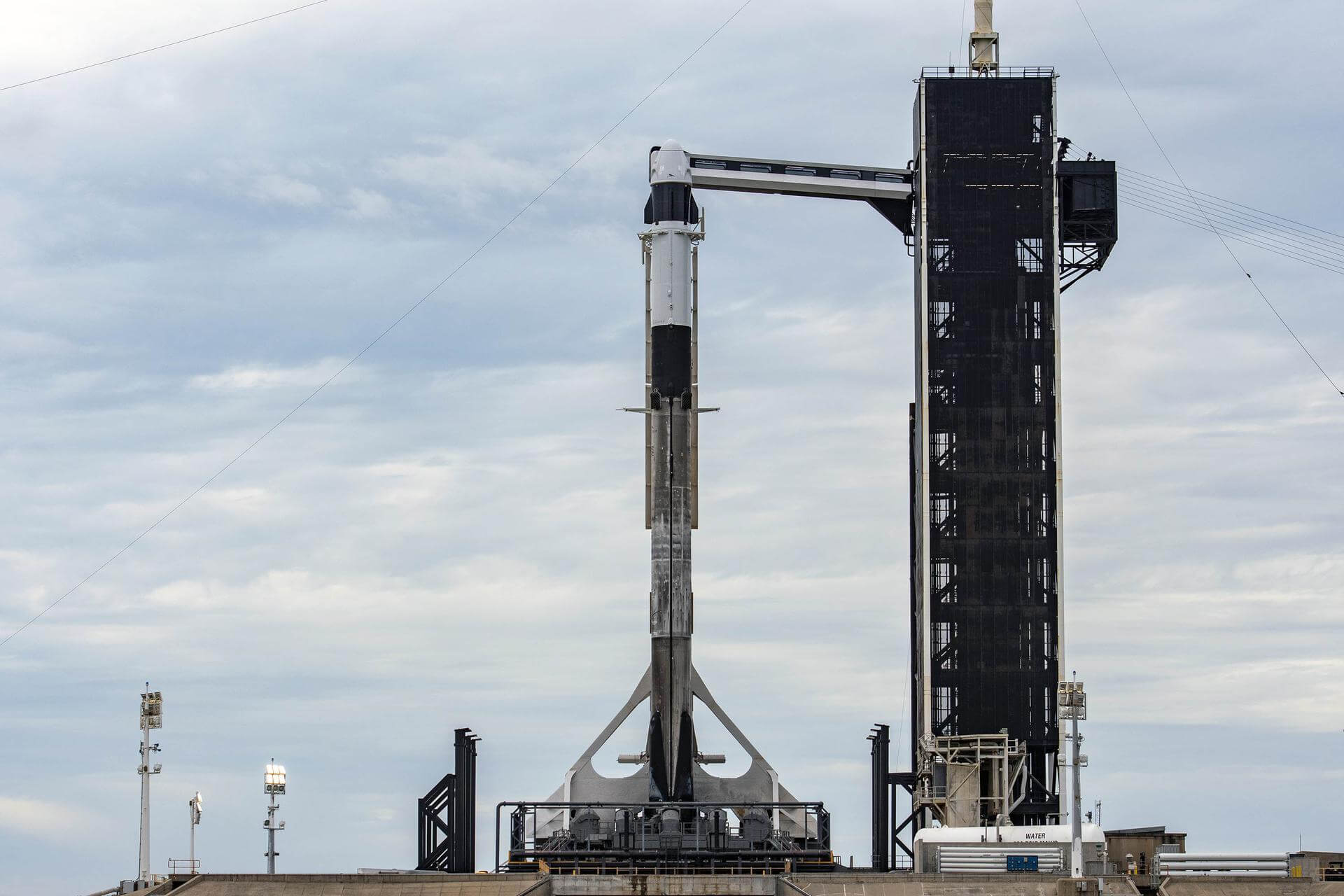
Space Brief 27 Mar 2025
Today's highlights include the certification of ULA's Vulcan rocket for national security missions, developments in nuclear timekeeping for GPS systems, and updates on the Space Force's new warfighting framework.


Launch Date
January 18, 1990
Launch Site
PLMSC
Launch Pad
LC133/3
Launch Vehicle
Kosmos 11K65M
NORAD ID
20432
International Designator
1990-004A
Epoch
Sat, 04 Jul 2026 05:31:32 GMT
Apogee
Calculating...
Perigee
Calculating...
Inclination
74.03°
Right Ascension
135.14°
Eccentricity
Calculating...
Argument of Perigee
191.14°
Period
100.40 min
Mean Motion
14.34 rev/day
Latitude
Calculating...
Longitude
Calculating...
Altitude
Calculating...
Velocity
Calculating...
Name
COSMOS 2056
Alternative Name
Kosmos-2056
Type
Status
Owner
UNKS
Country
USSR
Constellation
N/A
Related Satellites
Major Events
N/A
1 20432U 90004A 26185.23023622 .00000151 00000-0 62854-4 0 9992
2 20432 74.0313 135.1421 0022414 191.1362 168.9297 14.34280684906179
Source: Celestrak
Length
3
Diameter
2
Span
3
Dry Mass
800
Launch Mass
800
Shape
Cyl
Radar Cross Section
1.9961
Visual Magnitude
Unknown
Color
Unknown
Material Composition
Unknown
Payload
Strela-2M No. 57L
Purpose
Military Communication, store dump
Mission
Military Communication, store dump
Manufacturer
NPOPM
Life Expectancy
6 months
Bus
Strela-2M
Configuration
Unknown
Motor
Unknown
Equipment
Unknown
Power System
Solar cells, batteries
ADCS
Unknown
Transmitter Frequency
Unknown
Learn more about satellites and other related topics.
Today's highlights include the certification of ULA's Vulcan rocket for national security missions, developments in nuclear timekeeping for GPS systems, and updates on the Space Force's new warfighting framework.
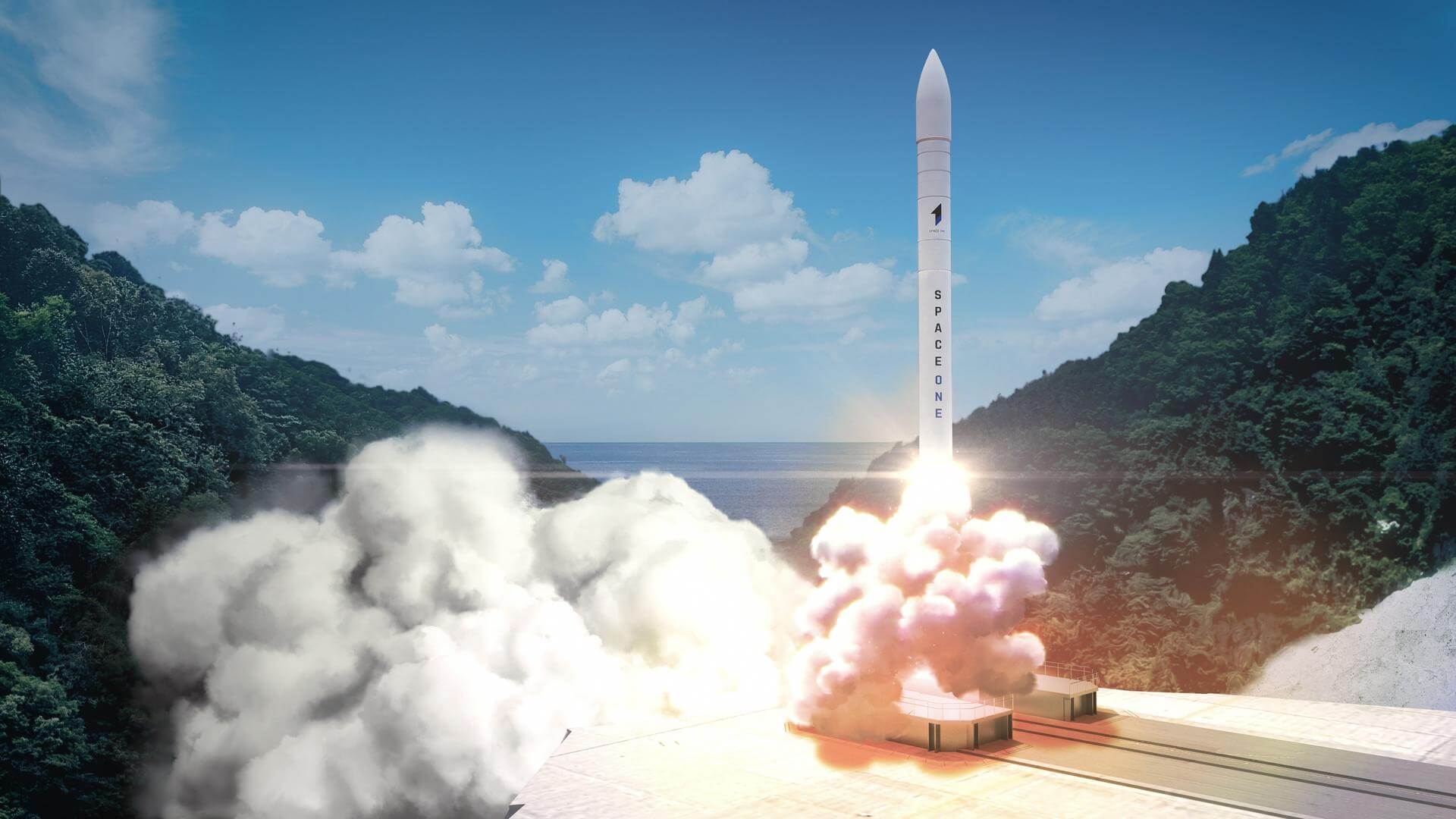
SpaceX reaches 600th Falcon 9 launch with Starlink 17-13 from Vandenberg. NASA SLS hydrogen leak repairs only partially successful. New book explores forces shaping space.

Today marks a significant milestone as SpaceX successfully launches another batch of Starlink satellites, boosting global connectivity efforts.

Today’s brief covers the delayed launch of Australia's first orbital rocket, China's reusability programs, and the snow-enforced shutdown of a Chilean radio telescope.

Today's brief covers developments in space traffic management, the X-37B spaceplane's upcoming mission, and satellite interference with radio telescopes.

SpaceX successfully launches 23 Starlink satellites, NASA selects SpaceX for astrophysics mission, and Starship Flight 8 advances with Booster 15 static fire.
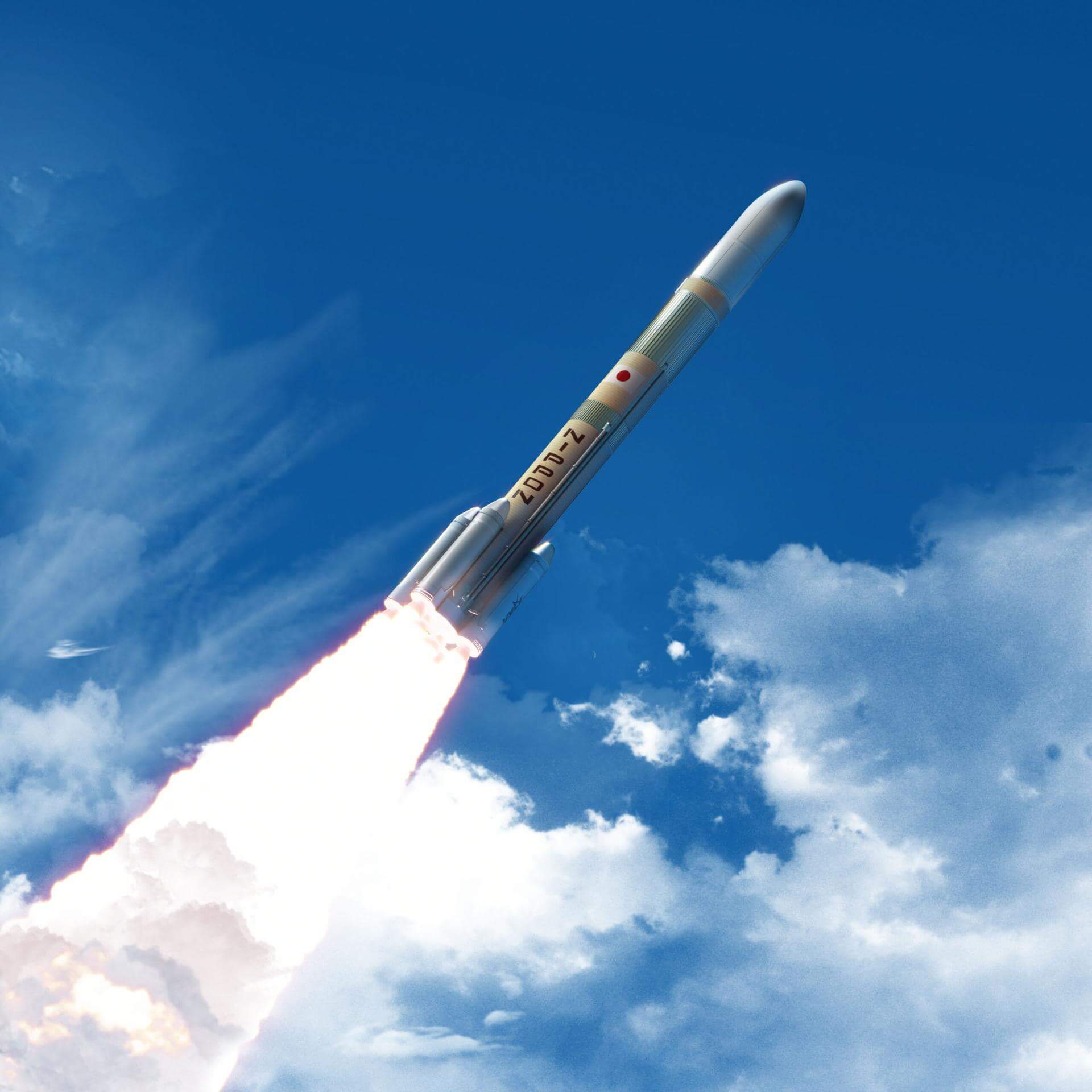
Today's Space Brief discusses significant military satellite launches, groundbreaking agreements for lunar nuclear power, and Italy's satellite strategy dilemma. Additionally, we cover the Dream Chaser's upcoming demonstration flight and new Pentagon contracts for rocket motor production.
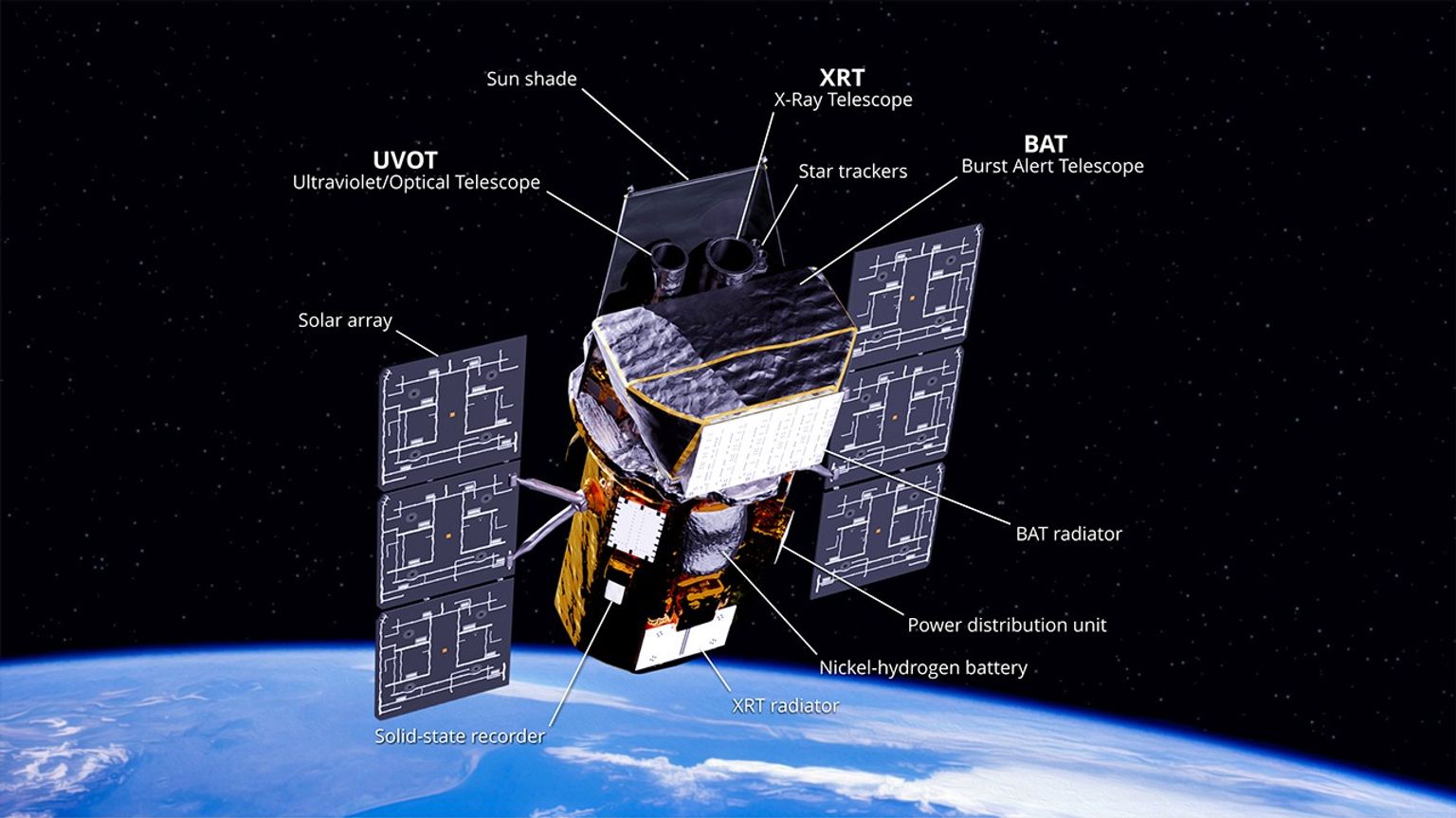
Designed for a two-year mission to catch gamma-ray bursts in the act, Swift is now 21 years old, slowly falling out of the sky, and the subject of an unprecedented private rescue mission. Nobody planned for it to be this hard to let go.