


Space Brief 3 Mar 2025
Historic moon landing by Firefly Aerospace, Spanish Air and Space Force advances with new simulator, and spotlight on OneWeb's communication satellite.


Launch Date
October 24, 1989
Launch Site
PLMSC
Launch Pad
LC32/1
Launch Vehicle
Tsiklon-3
NORAD ID
20305
International Designator
1989-086A
Epoch
Sat, 04 Jul 2026 03:42:29 GMT
Apogee
Calculating...
Perigee
Calculating...
Inclination
82.55°
Right Ascension
95.26°
Eccentricity
Calculating...
Argument of Perigee
117.67°
Period
110.37 min
Mean Motion
13.05 rev/day
Latitude
Calculating...
Longitude
Calculating...
Altitude
Calculating...
Velocity
Calculating...
Name
METEOR 3-3
Alternative Name
Meteor-3
Type
Status
Owner
GMS
Country
USSR
Constellation
N/A
Related Satellites
Major Events
N/A
1 20305U 89086A 26185.15450542 .00000887 00000-0 27217-2 0 9993
2 20305 82.5490 95.2585 0007944 117.6718 46.4041 13.04689599748821
Source: Celestrak
Length
6.5
Diameter
2.4
Span
12.7
Dry Mass
2250
Launch Mass
2250
Shape
Cyl + 2 Pan
Radar Cross Section
6.1716
Visual Magnitude
Unknown
Color
Unknown
Material Composition
Unknown
Payload
Meteor-3 No. 4
Purpose
Meteorology
Mission
Meteorology
Manufacturer
VNIEM
Life Expectancy
2 years
Bus
Meteor-3
Configuration
SP-2 bus
Motor
Unknown
Equipment
Unknown
Power System
2 deployable solar arrays, batteries
ADCS
Unknown
Transmitter Frequency
Unknown
Learn more about satellites and other related topics.
Historic moon landing by Firefly Aerospace, Spanish Air and Space Force advances with new simulator, and spotlight on OneWeb's communication satellite.

Over 27,000 high-speed pieces of space junk now threaten vital satellites, requiring sophisticated tracking and urgent innovation of orbital debris removal methods like harpoons and nets.
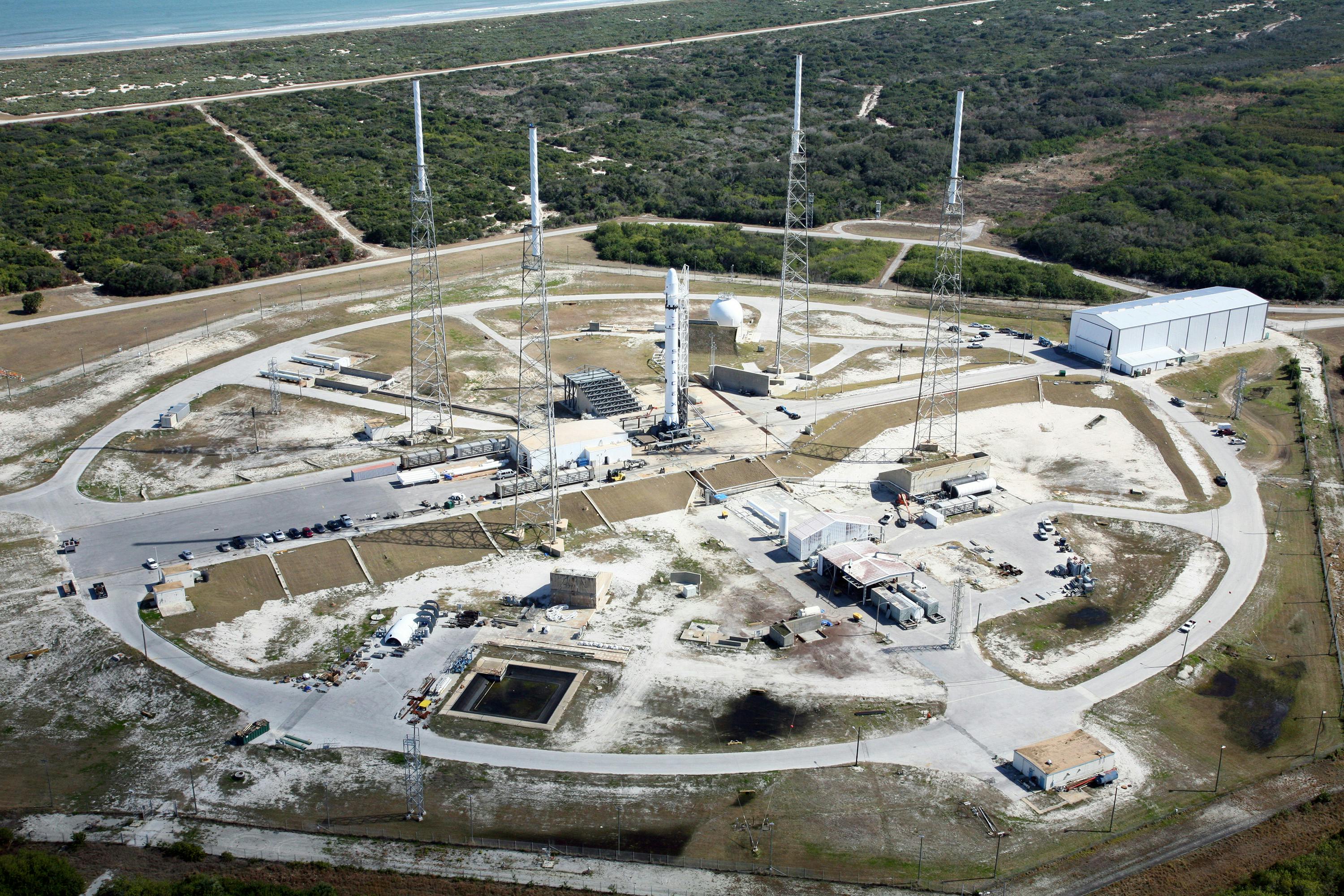
SpaceX makes strides with Starship testing while Starlink faces mounting competition as Viasat eyes Telesat's LEO capacity.
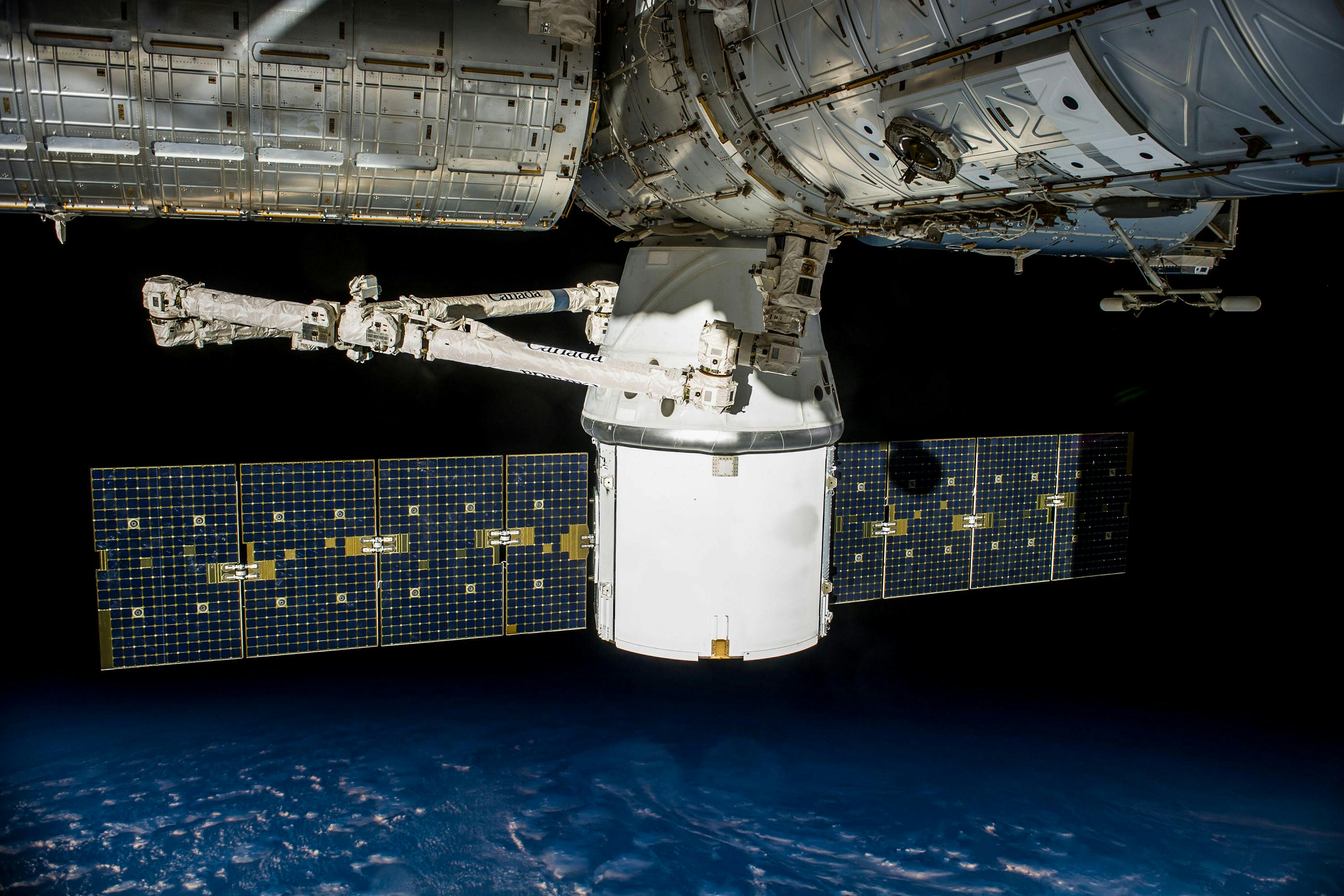
Cape Canaveral launch site activities intensify; SpaceX explores new subscription model for Trump's Golden Dome.
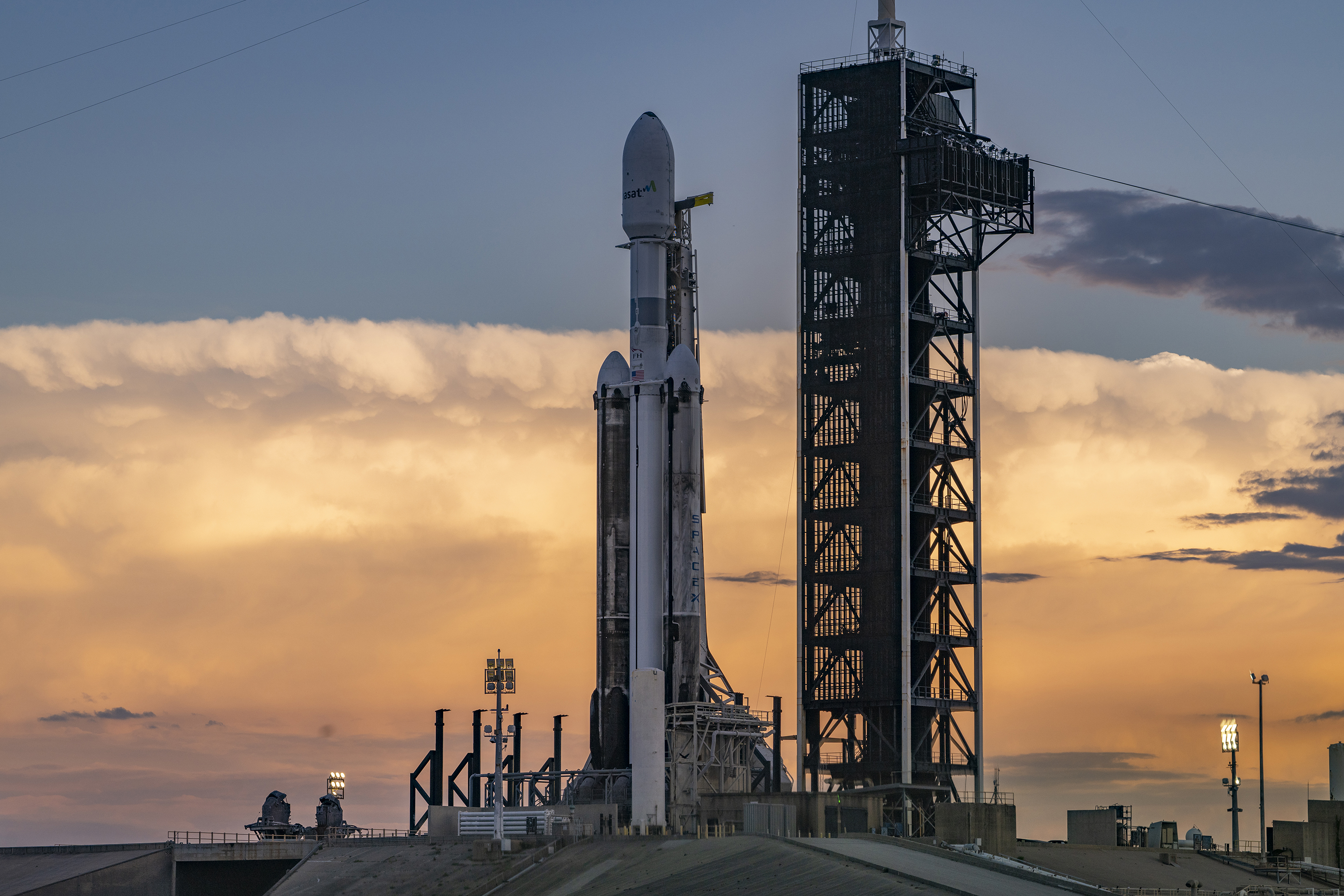
ULA's Atlas V deployed 29 Amazon Kuiper LEO satellites on April 27. Falcon Heavy returns this week with ViaSat-3 F3. Six orbital launches scheduled across three continents.

SpaceX scrubs a launch due to ground system issues while continuing its ambitious deployment of Starlink satellites.
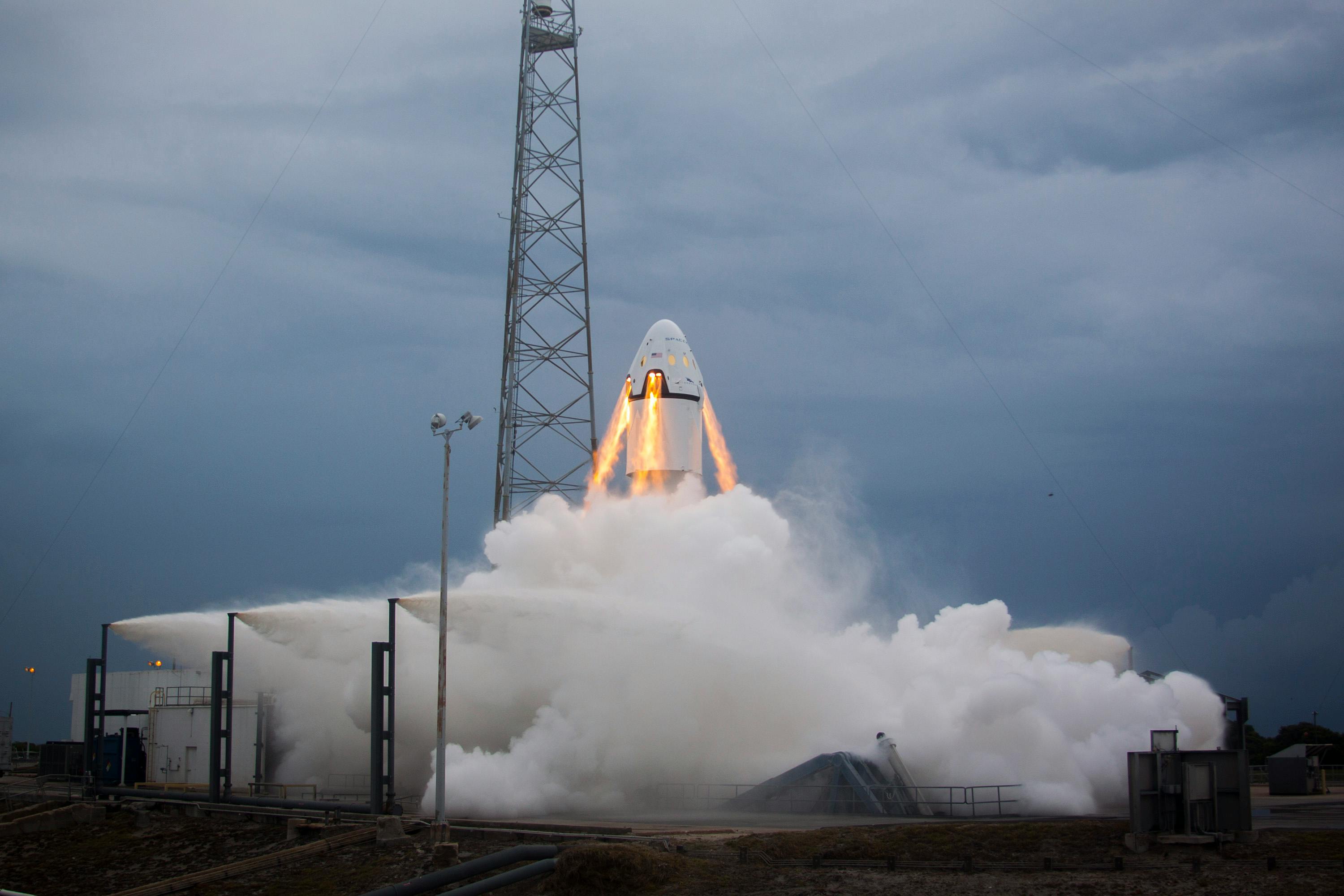
SpaceX achieves a milestone with its 350th successful mission, including a significant Starlink launch, while Starship advances in testing. Meanwhile, SpaceX boosts SiriusXM's satellite fleet and industry competitors make strides.

The Kessler Syndrome threatens humanity's future in space as cascading satellite collisions create exponential debris growth. With 36,000+ tracked objects and recent incidents accelerating risks, we face a critical juncture: implement solutions now or potentially lose access to low Earth orbit forever.