


X Report 30 Jan 2025
SpaceX's Falcon 9 launches SpainSat NG-1 satellite as Starlink compatibility causes market ripples.



Launch Date
August 15, 1989
Launch Site
PLMSC
Launch Pad
LC43/4
Launch Vehicle
Soyuz-U
NORAD ID
20231
International Designator
1989-063C
Decay Date
9/15/1989
Name
RESURS F-4 DEB
Alternative Name
Blenda
Type
Status
Owner
UNKS
Country
USSR
Constellation
N/A
Related Satellites
Major Events
N/A
Length
1
Diameter
0.4
Span
1
Dry Mass
20
Launch Mass
20
Shape
Box
Radar Cross Section
Unknown
Visual Magnitude
Unknown
Color
Unknown
Material Composition
Unknown
Payload
Sunshade
Purpose
Unknown
Mission
Unknown
Manufacturer
TSSKB
Life Expectancy
Unknown
Bus
Zenit BZA
Configuration
Unknown
Motor
Unknown
Equipment
Unknown
Power System
Unknown
ADCS
Unknown
Transmitter Frequency
Unknown
Learn more about satellites and other related topics.
SpaceX's Falcon 9 launches SpainSat NG-1 satellite as Starlink compatibility causes market ripples.

SpaceX carried out a double-header Starlink launch from both coasts while milestones from Max Space and Lux Aeterna signal growth in the commercial space sector.
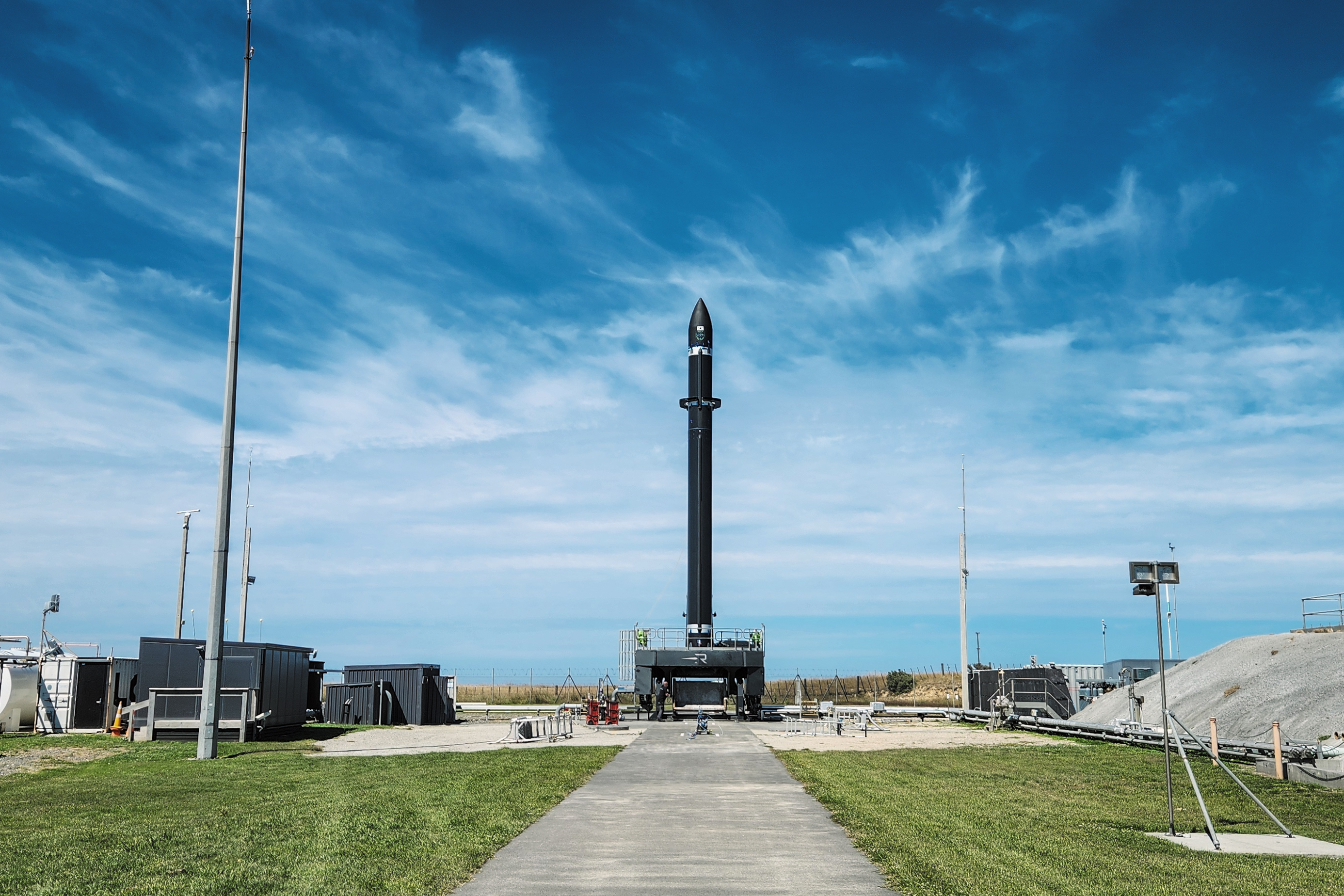
Today's highlights include Japan's new military satellite imagery initiative, NASA's SPHEREx map, and AST BlueBird 6's groundbreaking cellular array in low Earth orbit.

CSIS analysis identifies 75 unusual orbital maneuvers by Chinese GEO satellites over 10 years, consistent with military reconnaissance. Track GEO objects via KeepTrack.
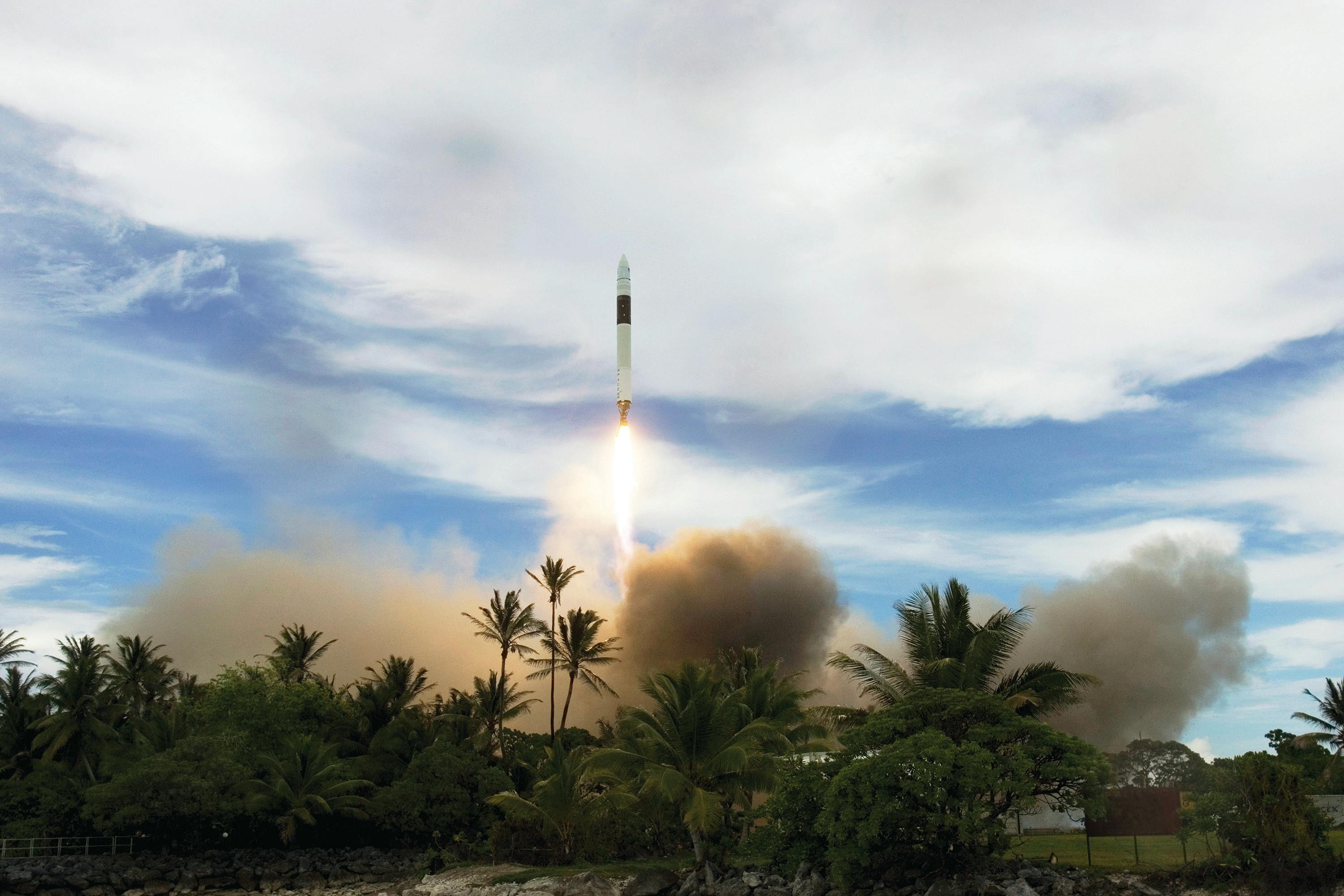
SpaceX prepares for its 560th Falcon 9 launch, aiming to deploy 29 Starlink satellites from Kennedy Space Center, while the Bandwagon-4 mission continues to showcase successful rocket landings.
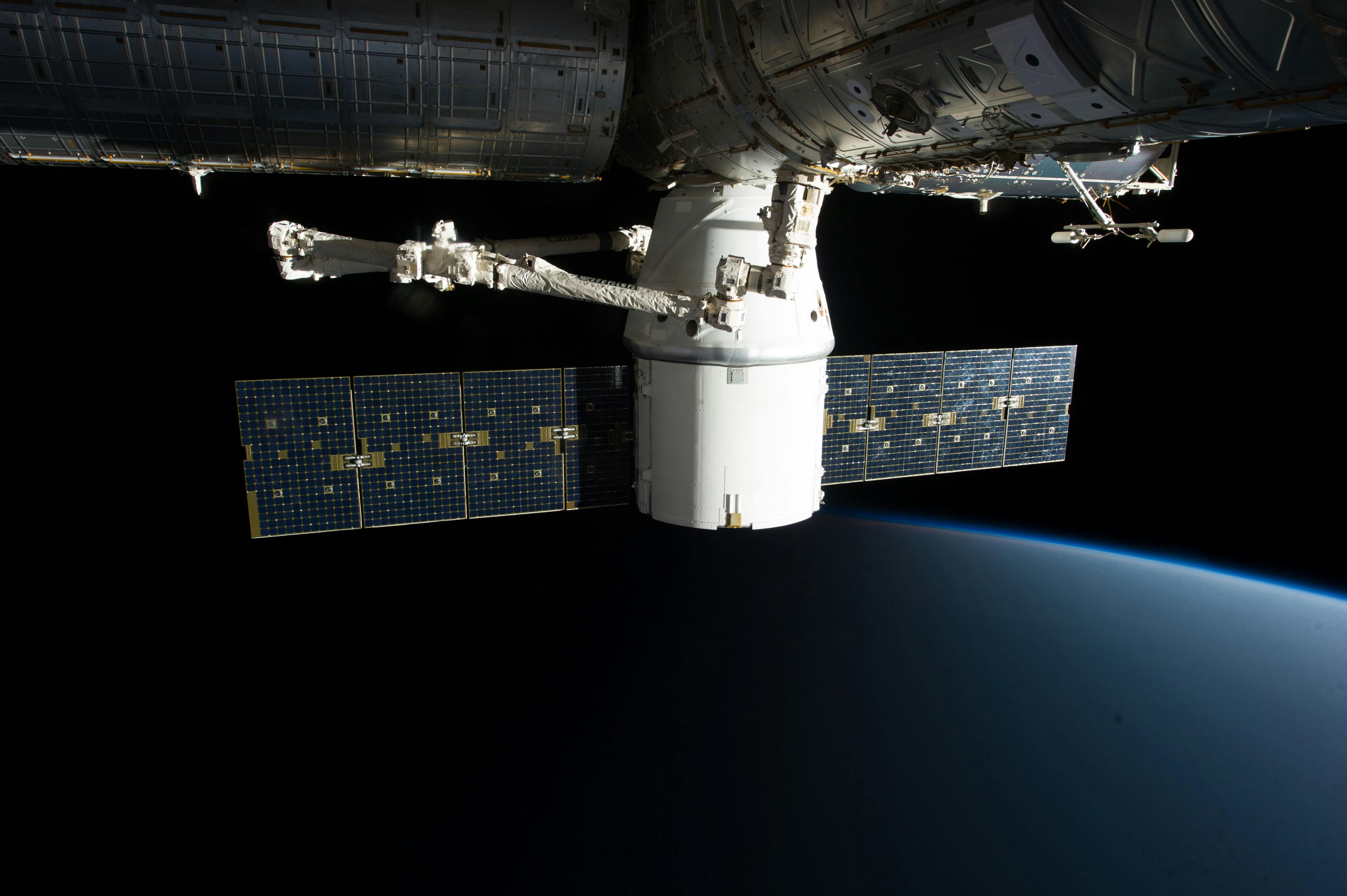
SpaceX gears up for another busy week with a Falcon 9 launch to the ISS while Vast Space expands its Haven-1 payload roster.
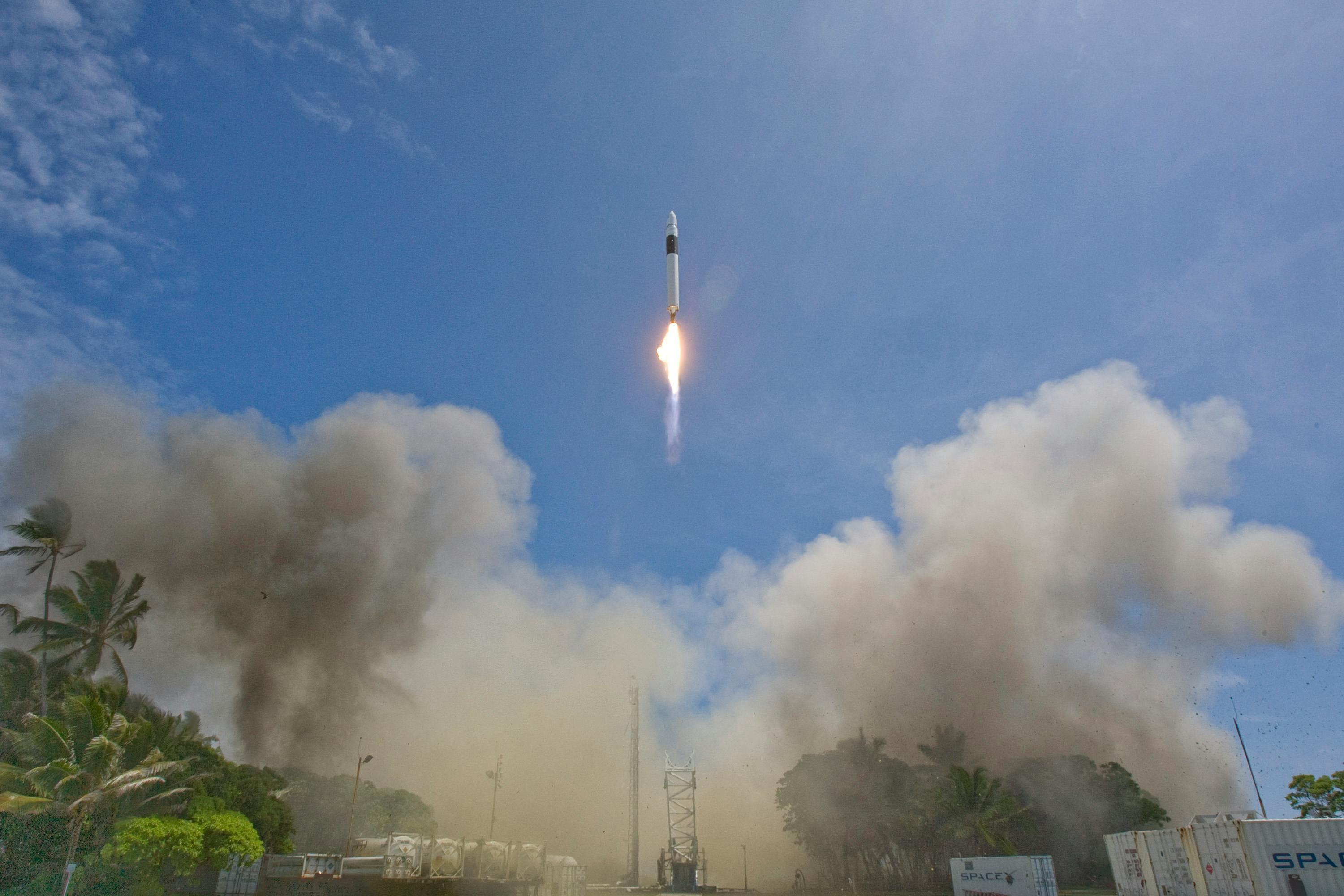
SpaceX's third rideshare mission of 2026 delivered South Korea's CAS500-2 imager and 45 secondary payloads to Sun-synchronous orbit on Falcon 9.
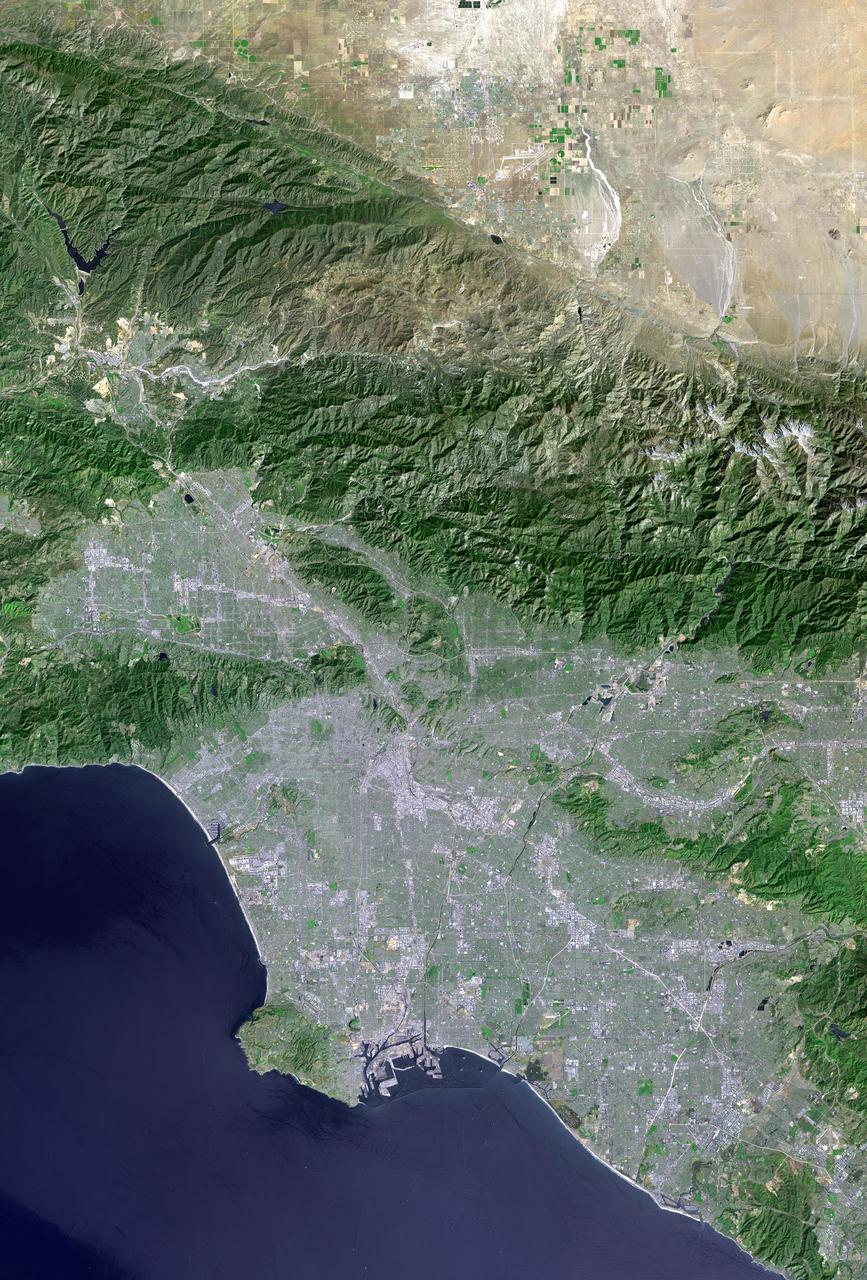
Landsat 7 launched on April 15, 1999, designed to last five years. It operated for twenty-five, survived a failure that destroyed a fifth of every image it took, and became part of the longest continuous record of Earth's surface ever assembled. Then they made the data free.