


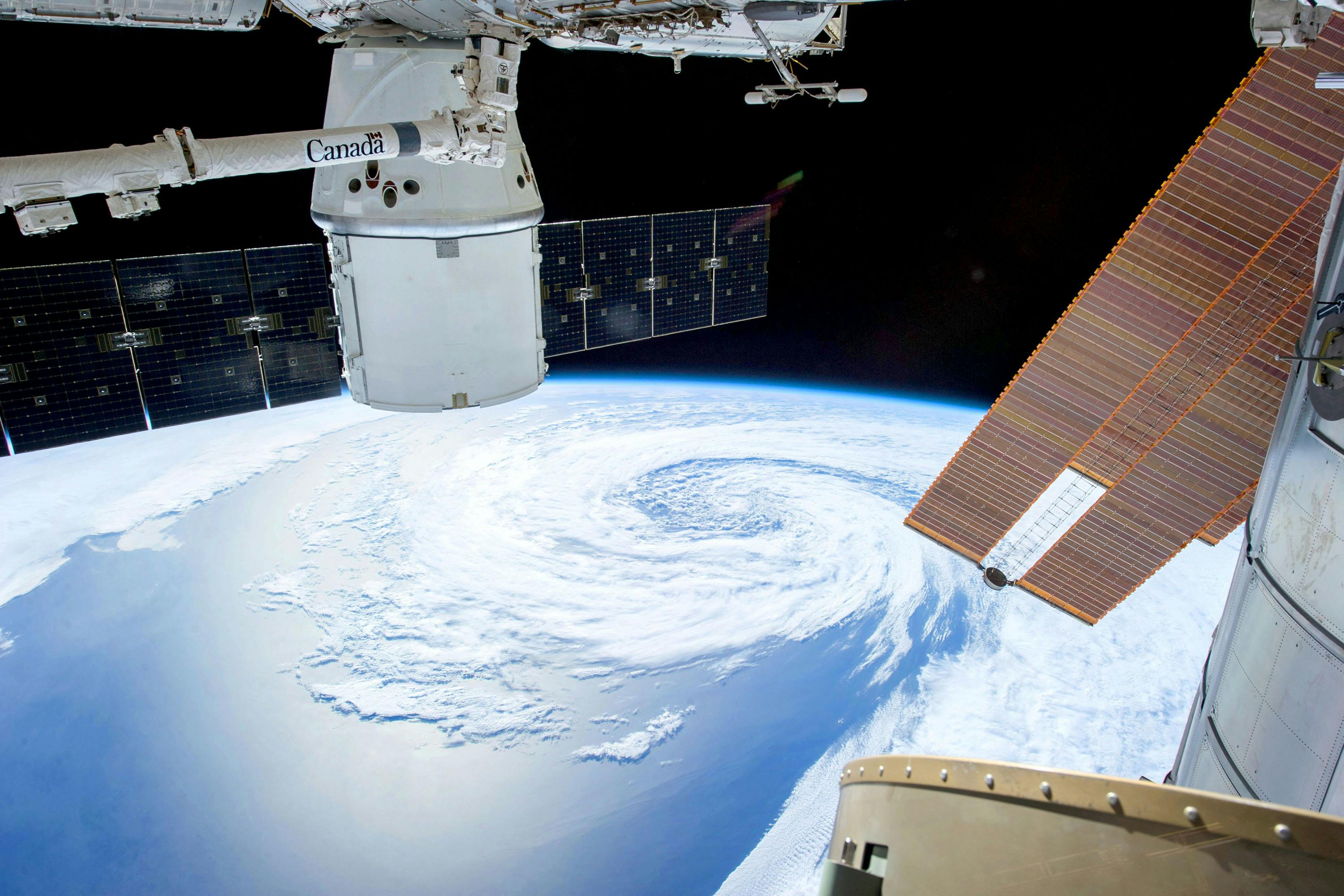
X Report 23 Nov 2025
SpaceX continues its robust launch cadence with new Starlink deployments and faces challenges in Starship development following the recent damage to its prototype booster.


Launch Date
September 4, 1989
Launch Site
Launch Pad
LC40
Launch Vehicle
Titan 34D/Transtage
NORAD ID
20203
International Designator
1989-069B
Epoch
Fri, 03 Jul 2026 23:48:04 GMT
Apogee
Calculating...
Perigee
Calculating...
Inclination
14.72°
Right Ascension
3.94°
Eccentricity
Calculating...
Argument of Perigee
24.37°
Period
1452.82 min
Mean Motion
0.99 rev/day
Latitude
Calculating...
Longitude
Calculating...
Altitude
Calculating...
Velocity
Calculating...
Name
USA 44
Alternative Name
DSCS III A-2
Type
Status
Owner
AFSSD2/DCA
Country
United States
Constellation
N/A
Related Satellites
Major Events
N/A
1 20203U 89069B 26184.99172124 -.00000085 00000-0 00000-0 0 9999
2 20203 14.7246 3.9427 0010663 24.3717 167.5890 0.99117751 25157
Source: Celestrak
Length
2.1
Diameter
1.9
Span
9.5
Dry Mass
876
Launch Mass
1148
Shape
Box + 2 Pan
Radar Cross Section
Unknown
Visual Magnitude
Unknown
Color
Unknown
Material Composition
Unknown
Payload
DSCS III A-2
Purpose
Communication
Mission
Communication
Manufacturer
GEVF
Life Expectancy
10 years
Bus
DSCS III
Configuration
DSCS-3 Bus, 3-Axis stabilization
Motor
AOCS
Equipment
6 SHF transponders, 1 special purpose transponder (SHF and UHF)
Power System
2 deployable solar arrays, batteries
ADCS
Unknown
Transmitter Frequency
Unknown
Learn more about satellites and other related topics.
SpaceX continues its robust launch cadence with new Starlink deployments and faces challenges in Starship development following the recent damage to its prototype booster.

Today's highlights include SpaceX's 300th Starlink launch, NASA re-establishing contact with a TRACERS satellite, and budget concerns impacting the commercial remote sensing industry.
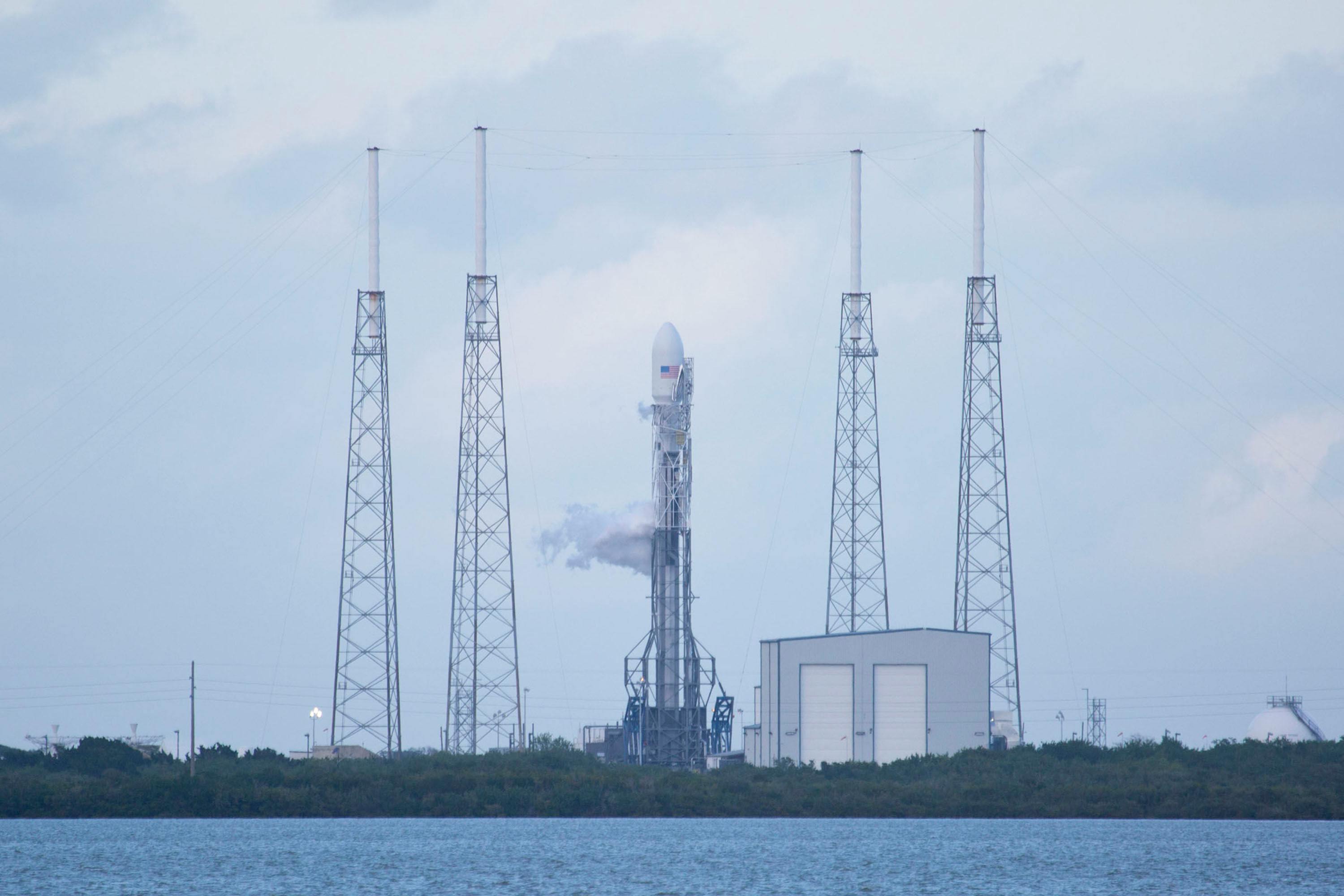
In today's report, we explore the latest updates from SpaceX's ongoing launch initiatives, Starship progress, and emerging competition in satellite internet, highlighting a new contender that could challenge Starlink's dominance.
Today’s Space Brief covers significant developments such as SpaceX’s latest Starlink launch, the US Space Force testing modular satellite technology, and key long-range missile tests by the Pentagon.
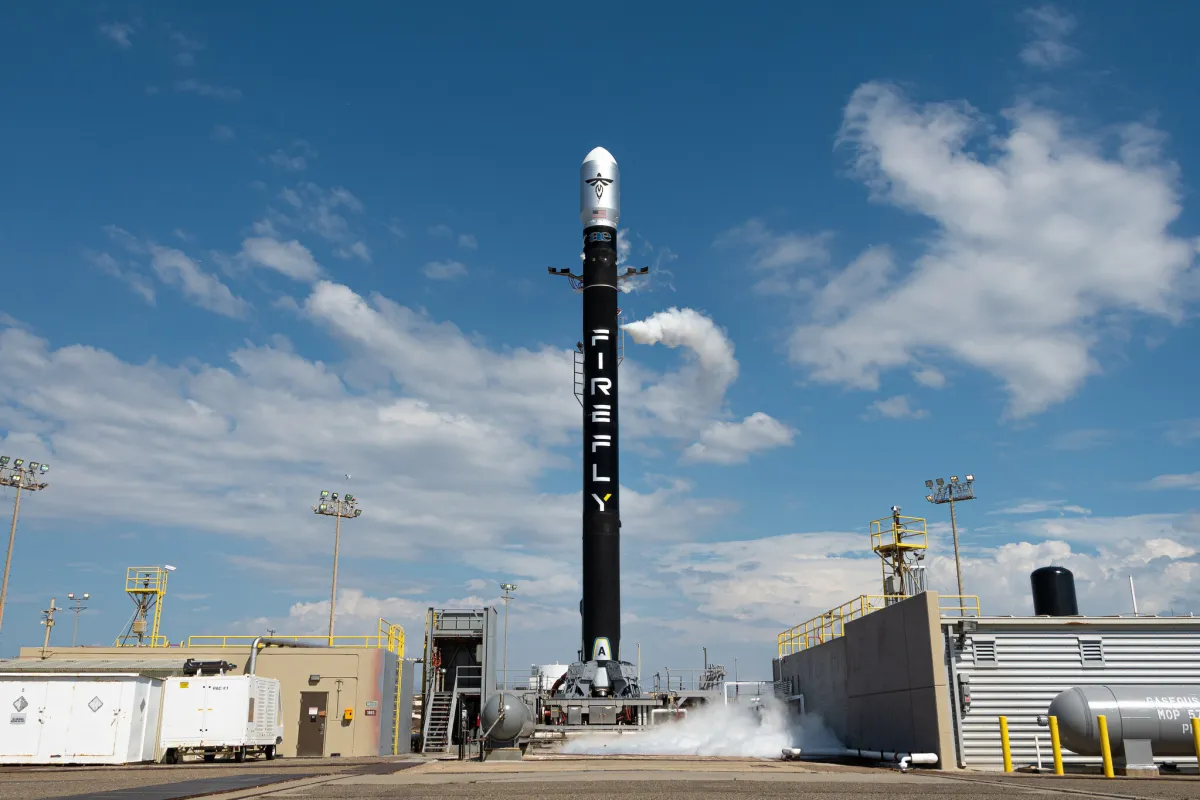
Explore exciting updates on satellite reentries impacting Earth's atmosphere, China's ambitious space exploration plans, and the latest advancements in the search for extraterrestrial life.
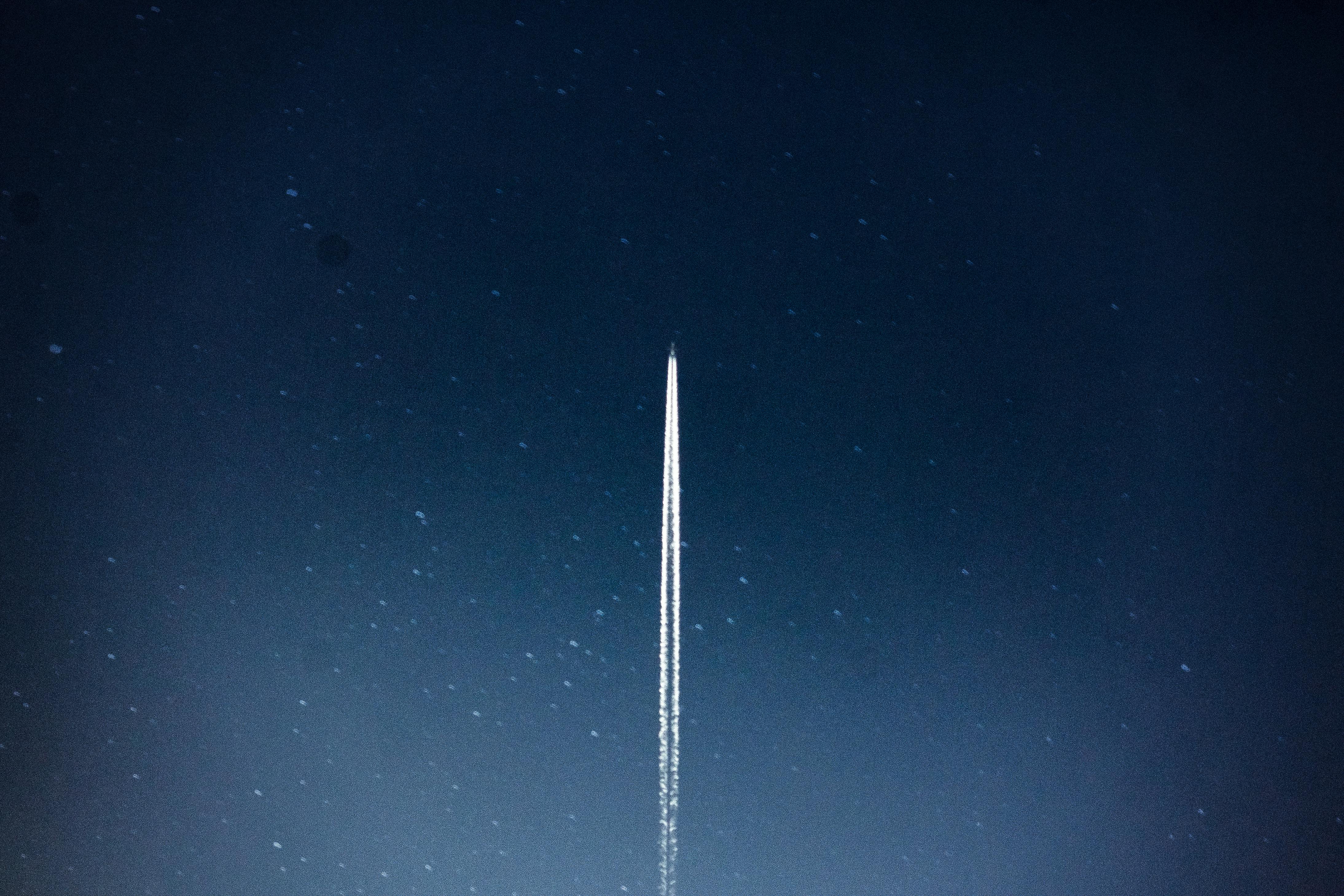
SpaceX advances with Bandwagon-2 mission, gains approval for Starship Flight 7, and continues Starlink expansion.

Space debris poses a mounting threat to both satellites and space missions. As we send more objects into orbit, the likelihood of collisions and subsequent breakups producing dangerous space debris increases. Recognizing the major events that have generated this dangerous space junk is pivotal in ensuring the safety of future space missions.

FCC approves 7,500 additional Starlink Gen2 satellites. Space Force awards SpaceX $739M for nine national security launches. NASA plans Crew-11 medical evacuation from ISS on January 14.