


X Report 21 Jul 2025
SpaceX successfully launched 24 Starlink satellites into polar orbit, enhancing global coverage. Meanwhile, NASA's Crew-11 is now in quarantine ahead of their upcoming ISS mission.


Launch Date
July 24, 1989
Launch Site
Launch Pad
LC90
Launch Vehicle
Tsiklon-2
NORAD ID
20147
International Designator
1989-058A
Decay Date
1/6/1991
Name
COSMOS 2033
Alternative Name
Kosmos-2033
Type
Status
Owner
VMF
Country
USSR
Constellation
N/A
Related Satellites
Major Events
N/A
Length
10
Diameter
1.3
Span
17
Dry Mass
3000
Launch Mass
3300
Shape
Cyl + 2 Pan
Radar Cross Section
28.89
Visual Magnitude
Unknown
Color
Unknown
Material Composition
Unknown
Payload
US-PM No. 14L
Purpose
Ocean surveillance, passive
Mission
Ocean surveillance, passive
Manufacturer
ARSL/KOMET
Life Expectancy
Unknown
Bus
US-P
Configuration
US-Bus
Motor
Unknown
Equipment
Unknown
Power System
2 deployable fixed solar arrays, batteries
ADCS
Unknown
Transmitter Frequency
Unknown
Learn more about satellites and other related topics.
SpaceX successfully launched 24 Starlink satellites into polar orbit, enhancing global coverage. Meanwhile, NASA's Crew-11 is now in quarantine ahead of their upcoming ISS mission.
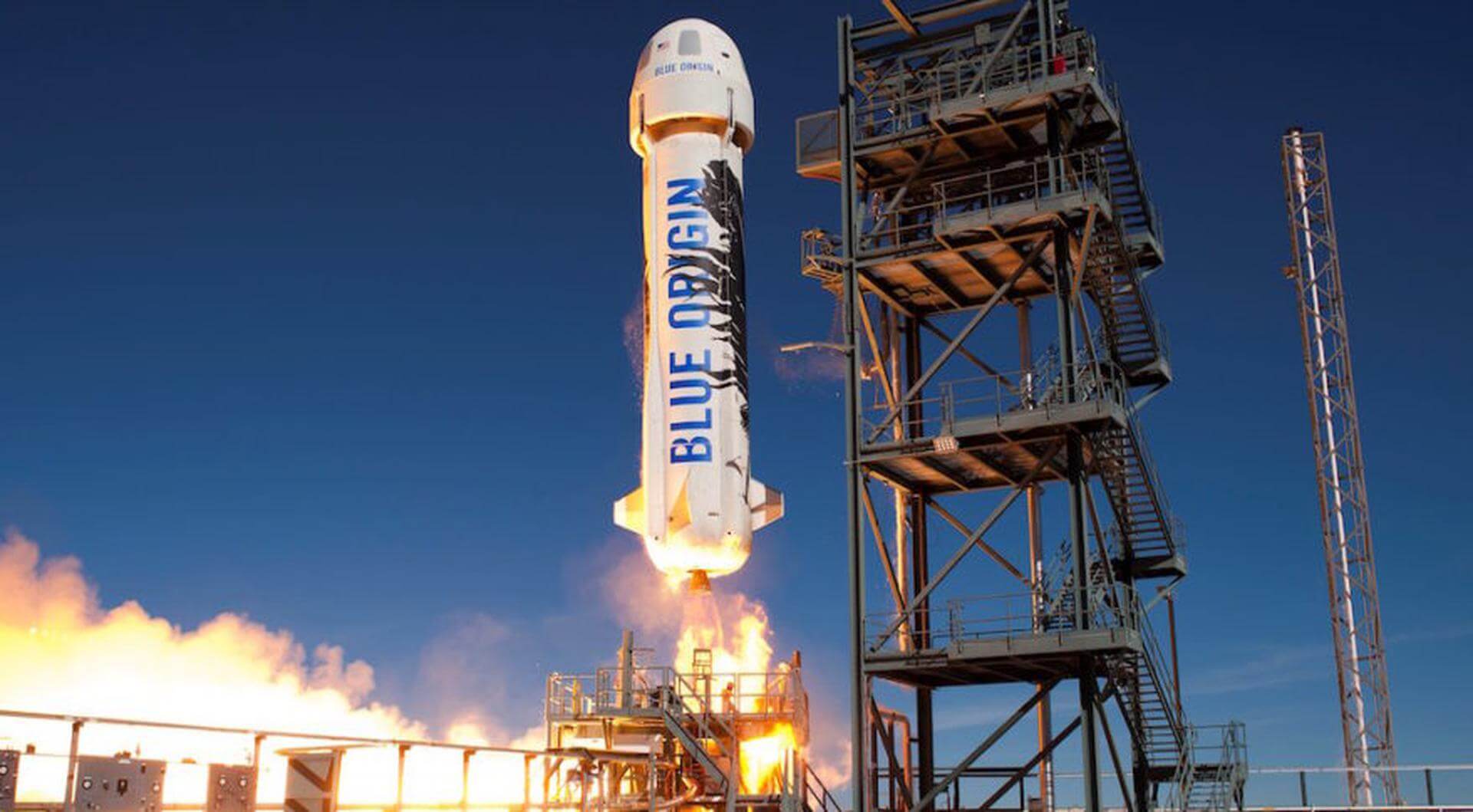
Today's brief covers significant space events, including milestone national security certifications for ULA Vulcan and Rocket Lab, SpaceX's groundbreaking polar orbit mission, and a failed launch attempt by Isar Aerospace.

SpaceX conducted significant test firings and further expanded its satellite fleet, while the EU scrutinizes Starlink's market impact amid ongoing space industry negotiations.

SpaceX secured a $60B option to acquire Cursor AI while launching its 40th Falcon 9 mission of 2026, deploying 24 more Starlink satellites from Vandenberg.
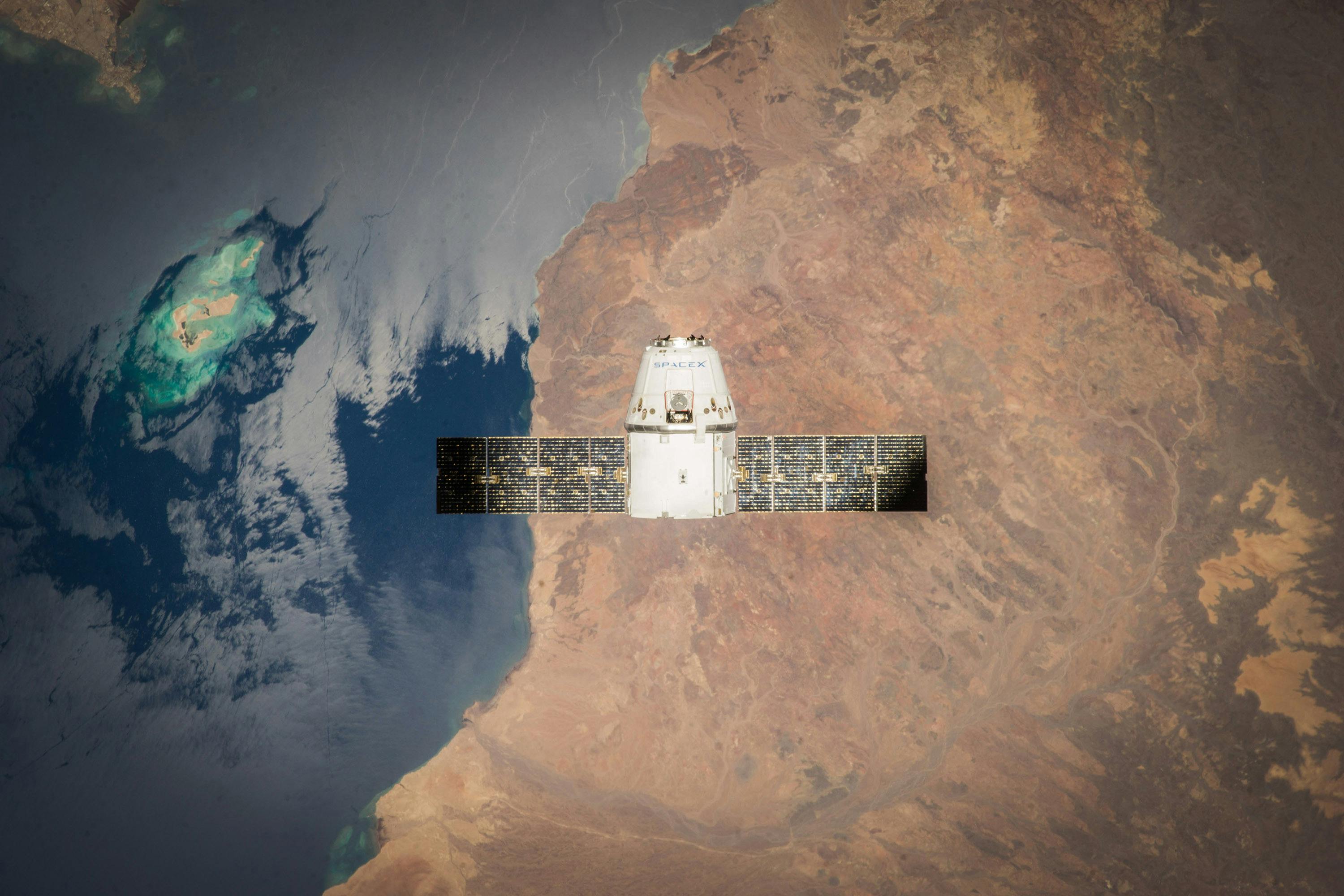
SpaceX continues to push boundaries with the successful launch of 28 Starlink satellites and significant testing preparations for upcoming Crew-11 and Starship missions.

Today's brief covers the latest in satellite launches, military implications in space funding, and notable reentry delays.

Northrop Grumman's GEM 63XL solid rocket booster passed static fire testing, but ULA's investigation into a February 2026 Vulcan in-flight anomaly remains open. No RTF date set.

SpaceX continues to make strides in both its Starship program and Starlink satellite deployments, with a successful launch of 24 Starlink satellites and preparations for upcoming missions.