


Iran Struck U.S. Aircraft Despite 'Maxed Out' Defense | KeepTrack Space Brief
Iran successfully struck U.S. aircraft in Saudi Arabia despite maxed-out defensive posture. Space Force ISR and missile warning gaps exposed. Tracking impacts.


Launch Date
July 18, 1989
Launch Site
PLMSC
Launch Pad
LC16/2
Launch Vehicle
Soyuz-U
NORAD ID
20134
International Designator
1989-055A
Decay Date
8/8/1989
Name
RESURS F-3
Alternative Name
Resurs-F
Type
Status
Owner
PRIR
Country
USSR
Constellation
N/A
Related Satellites
Major Events
N/A
Length
6.5
Diameter
2.4
Span
6.5
Dry Mass
2555
Launch Mass
2555
Shape
Sphere + DCone
Radar Cross Section
29.3
Visual Magnitude
Unknown
Color
Unknown
Material Composition
Unknown
Payload
Resurs-F1-14F43 No. 7L
Purpose
Earth Observation (film return)
Mission
Earth Observation (film return)
Manufacturer
TSSKB
Life Expectancy
Unknown
Bus
Resurs-F1
Configuration
Vostok / Zenit Capsule
Motor
11D82M; S5.120 (maneuver module)
Equipment
Priroda-4 imaging system (2 x KFA-1000, 3 x KATE-200)
Power System
Batteries
ADCS
Unknown
Transmitter Frequency
Unknown
Learn more about satellites and other related topics.
Iran successfully struck U.S. aircraft in Saudi Arabia despite maxed-out defensive posture. Space Force ISR and missile warning gaps exposed. Tracking impacts.
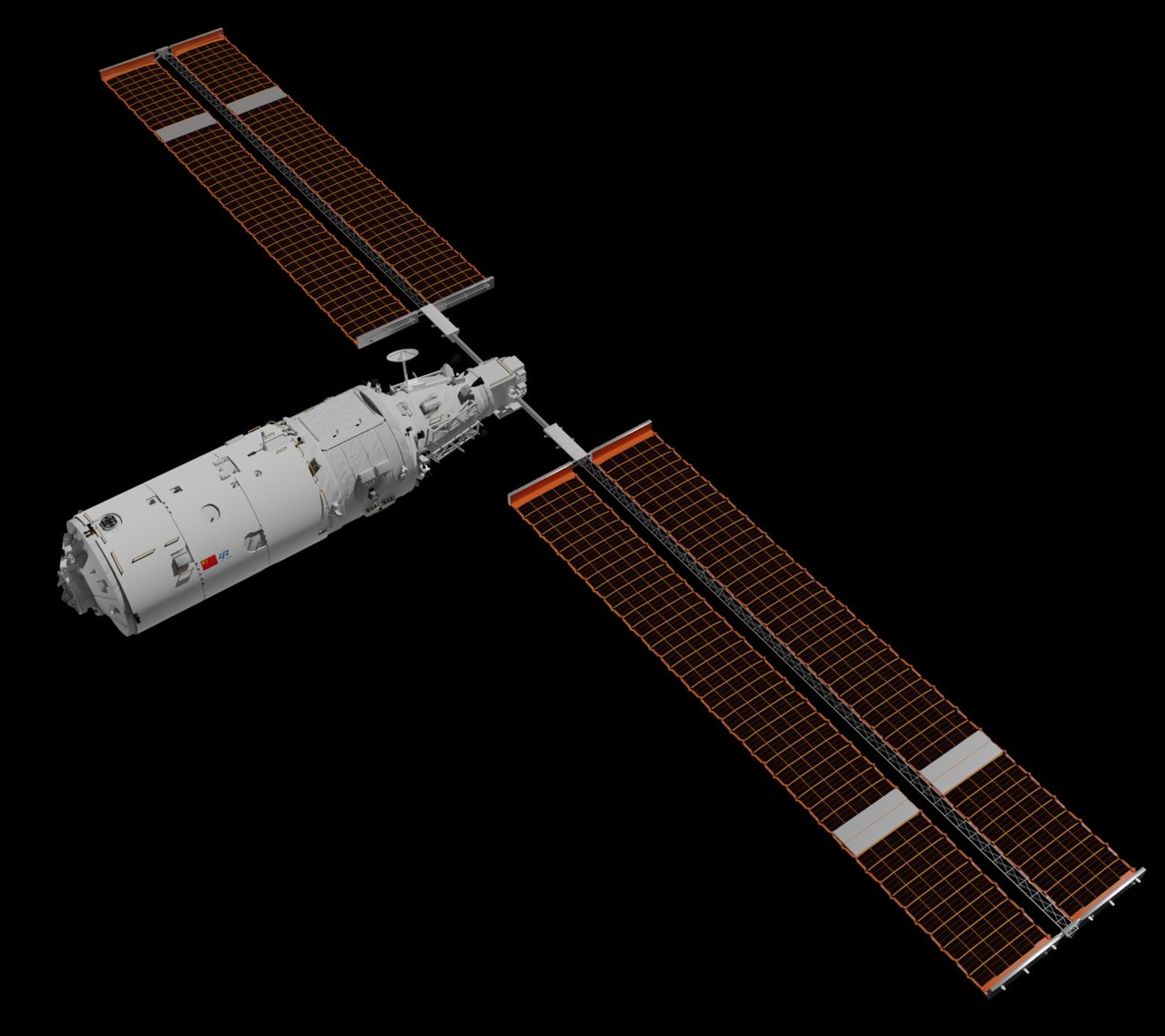
Highlights of the day include the Polaris Dawn mission's splashdown, advances in space traffic management, and intriguing astronomy insights from the cloud's edge.
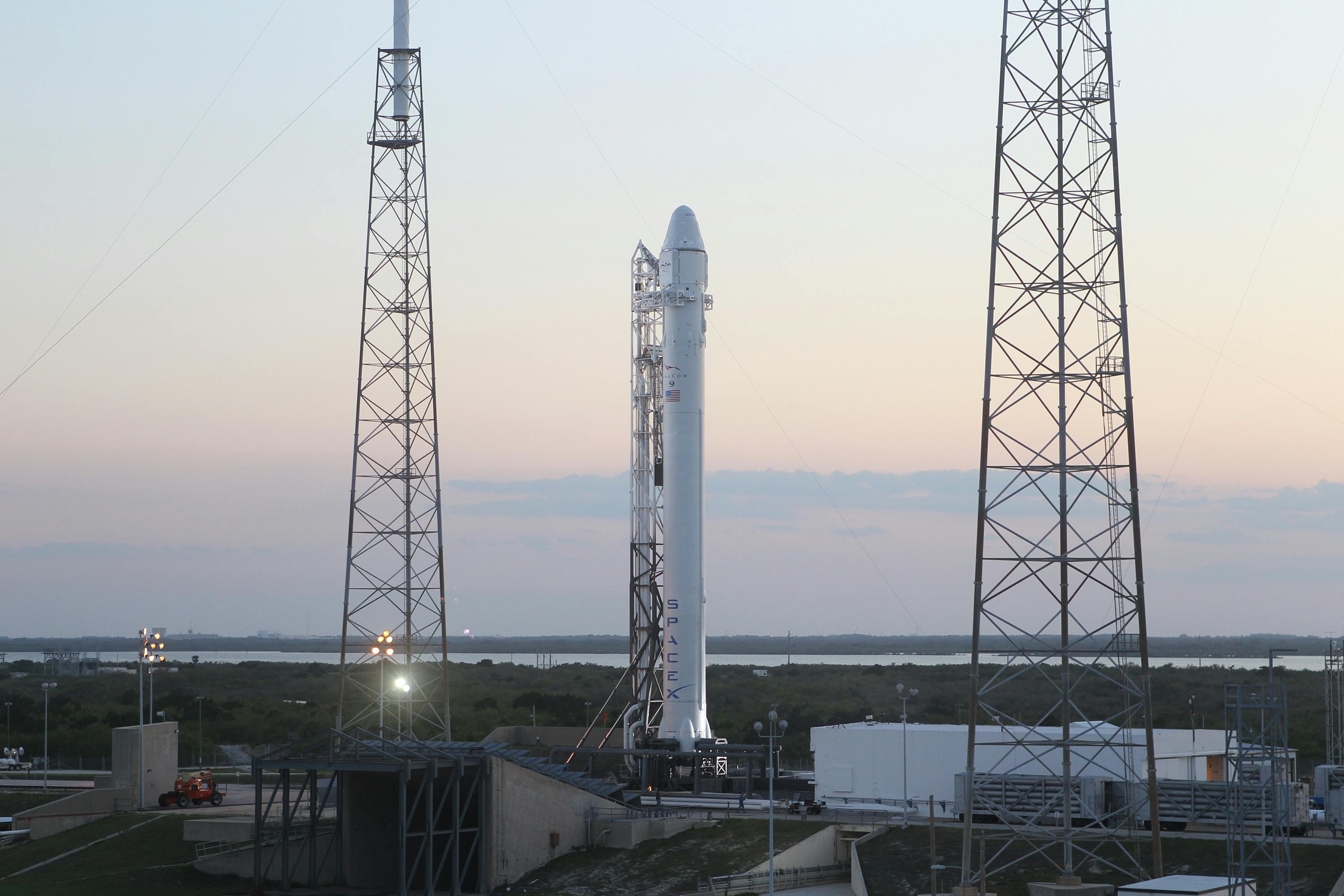
SpaceX successfully launched its 300th Starlink mission, deploying 24 new satellites to further expand its internet service coverage worldwide.
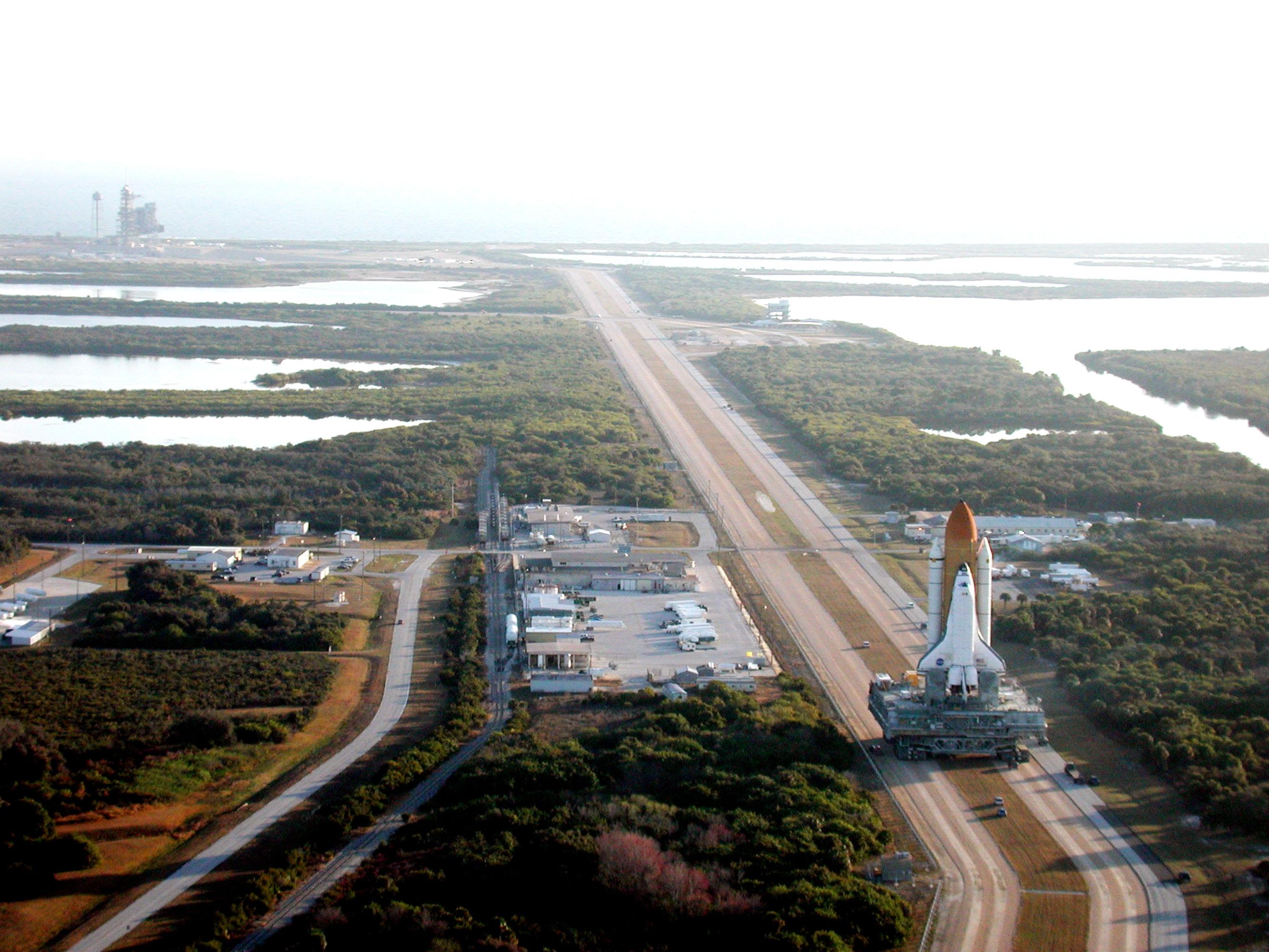
Twenty-four years ago, two spacewalking astronauts battled an ammonia leak while installing the U.S. Laboratory module Destiny, transforming the International Space Station from a construction site to a world-class research facility
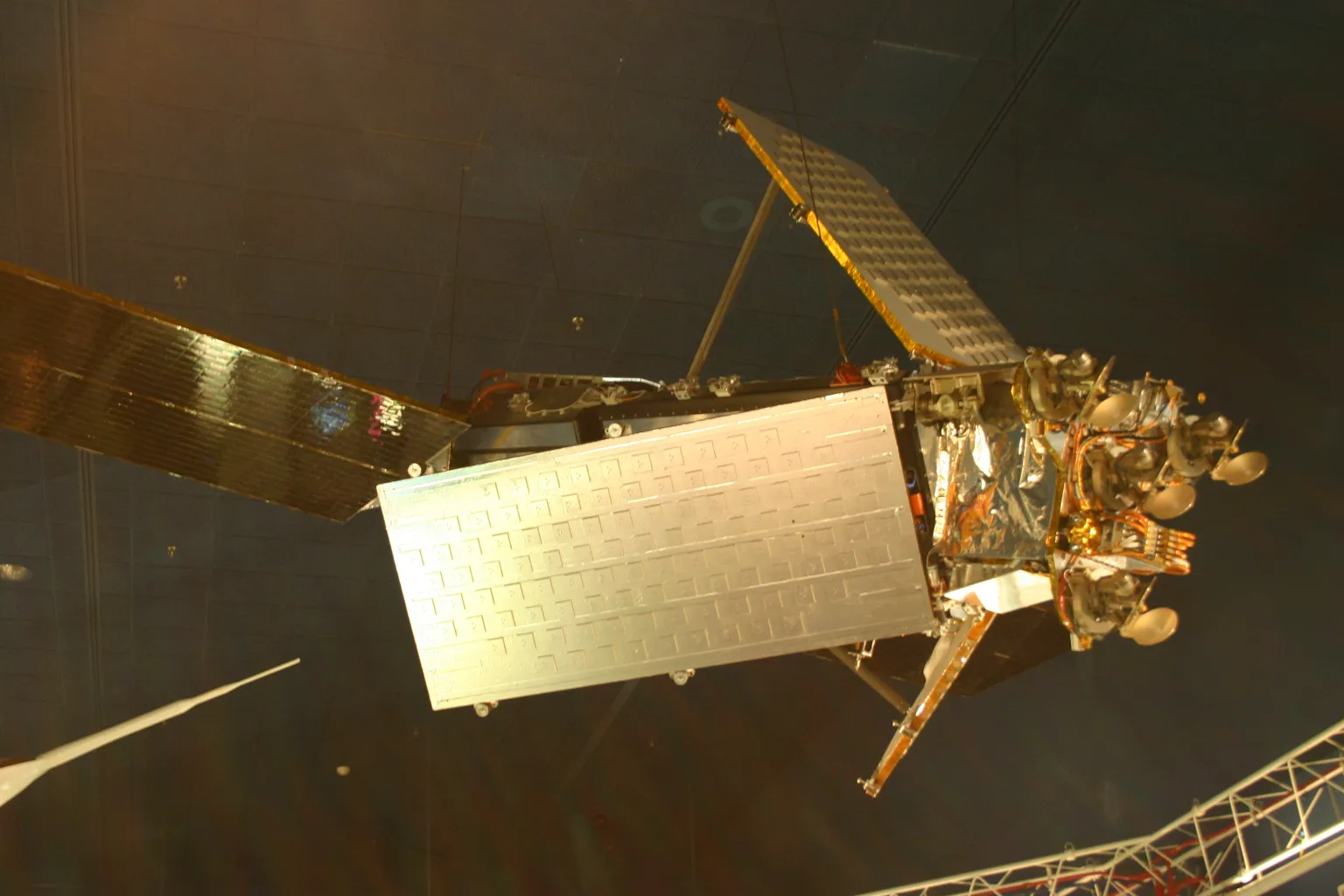
Seventeen years ago today, an operational American communications satellite and a dead Russian military relay crossed paths over Siberia. What happened next created more than 2,000 pieces of trackable debris - and fundamentally changed how the world thinks about space traffic.

SpaceX gears up for new Starlink shell deployment and secures updated licensing for Starship, amidst ongoing preparations for Falcon 9 launches.

Booster B1067 sets new Falcon 9 reuse record with 35th successful flight, deploying 29 Starlink satellites. Quantum Space pursues public markets via SPAC.

From Apollo's darkest days to humanity's first transmission from Venus, we spent 2025 remembering the missions that made modern spaceflight possible. Here's what we covered - and why we're committed to keeping this series going.