COSMOS 1985 DEB (20099)

COSPAR: 1988-113T | Alt Name: Kosmos-1985 SS 16
DECAYED

Image
COSMOS 1985 DEB Satellite Image
Additional Sources
Launch Details

Launch Date

December 23, 1988

Launch Site

PLMSC

Launch Pad

LC32/1

Launch Vehicle

Tsiklon-3

Orbital Elements

NORAD ID

20099

International Designator

1988-113T

Decay Date

8/28/1989

Basic Satellite Info

Name

COSMOS 1985 DEB

Alternative Name

Kosmos-1985 SS 16

Type

Debris

Status

Space Junk

Owner

PVO

Country

USSR

Constellation

N/A

Related Satellites

Major Events

N/A

Summary
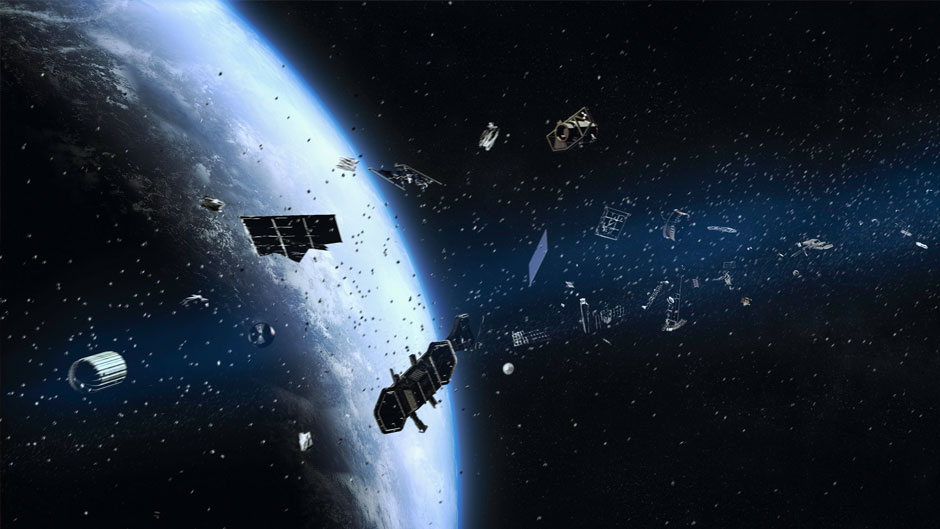
Space debris, also known as space junk, encompasses all non-functional objects orbiting Earth such as defunct satellites, spent rocket stages, and fragments from collisions or disintegrations. Over time, this debris can accumulate and create an increasingly hazardous environment in orbit. Even tiny fragments, traveling at extremely high velocities, can inflict significant damage on operational satellites and spacecraft. If left unmanaged, the density of debris raises the risk of catastrophic collisions and further fragmentation, compounding the problem and threatening the safety and sustainability of space activities.
Physical Characteristics

Length

0.2

Diameter

0.2

Span

0.2

Dry Mass

5

Launch Mass

5

Shape

Sphere

Radar Cross Section

0.1

Visual Magnitude

Unknown

Color

Unknown

Material Composition

Unknown

Technical Details

Payload

ESO

Purpose

Unknown

Mission

Unknown

Manufacturer

YUZH

Life Expectancy

Unknown

Bus

ESO

Configuration

Unknown

Motor

Unknown

Equipment

Unknown

Power System

Unknown

ADCS

Unknown

Transmitter Frequency

Unknown

Satellite Articles

View All Posts »

Learn more about satellites and other related topics.

Roman Space Telescope Arrives at KSC for August 30 Falcon Heavy Launch | KeepTrack Space Brief

Roman Space Telescope Arrives at KSC for August 30 Falcon Heavy Launch | KeepTrack Space Brief

NASA's $4.3B Nancy Grace Roman Space Telescope arrived at Kennedy Space Center for 70 days of prelaunch processing ahead of its August 30 Falcon Heavy launch.

Crew-11 Completes First-Ever ISS Medical Evacuation, SpaceX Sets Pad Record | KeepTrack X Report

Crew-11 Completes First-Ever ISS Medical Evacuation, SpaceX Sets Pad Record | KeepTrack X Report

Crew-11 astronauts splashdown off California in first-ever ISS medical evacuation. SpaceX sets pad turnaround record at Cape Canaveral with Starlink 6-98 deploying 29 satellites.

ULA Launches 29 Amazon Kuiper Satellites; Falcon Heavy Returns | KeepTrack Space Brief

ULA Launches 29 Amazon Kuiper Satellites; Falcon Heavy Returns | KeepTrack Space Brief

ULA's Atlas V deployed 29 Amazon Kuiper LEO satellites on April 27. Falcon Heavy returns this week with ViaSat-3 F3. Six orbital launches scheduled across three continents.

Lagrange Points

Lagrange Points

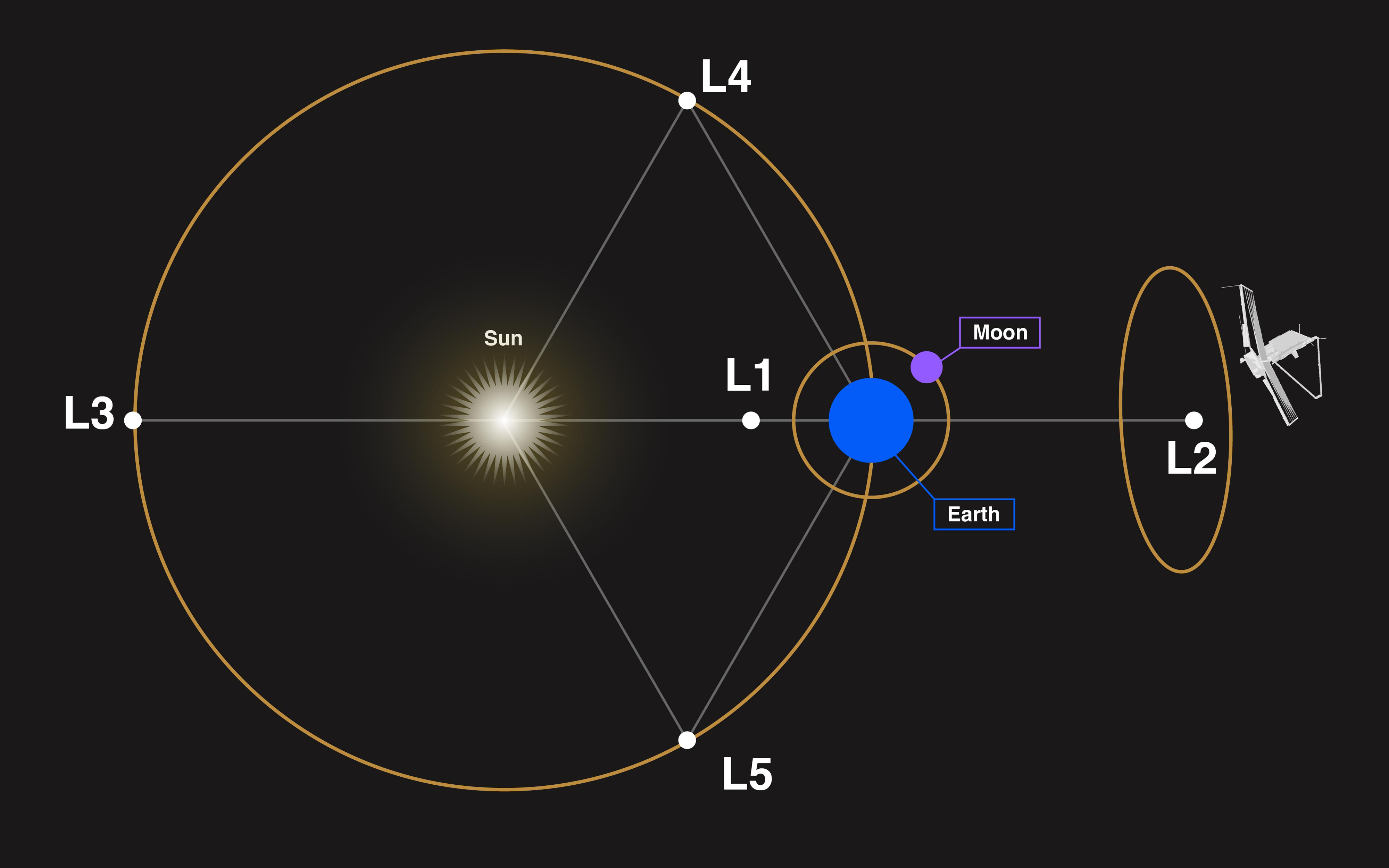
Five spots in the Earth-Sun system where the gravitational tug of two massive bodies and the pull of circular motion all cancel out, creating gravitational parking spaces where spacecraft can sit for decades with almost no fuel.

Space Brief 16 May 2025

Space Brief 16 May 2025

Today's brief covers challenges in Space Force procurement, promising developments in tracking technologies, and significant budget cuts affecting military aerospace projects.

Artemis 2 Crew First Lunar-Bound Humans Since 1972 | KeepTrack Space Brief

Artemis 2 Crew First Lunar-Bound Humans Since 1972 | KeepTrack Space Brief

Artemis 2 Orion carries first humans toward the Moon in 53 years. Spacecraft in good health after trans-lunar injection; lunar flyby observation plan due April 6.

X Report 11 May 2025

X Report 11 May 2025

SpaceX successfully launched 28 Starlink satellites from Florida, marking a significant milestone in their deployment strategy. This follows the recent launch of 26 satellites from California, highlighting ongoing expansion efforts.

SpaceX Eyes $1.75T Valuation in $75B IPO | KeepTrack X Report

SpaceX Eyes $1.75T Valuation in $75B IPO | KeepTrack X Report

SpaceX targets a $75B IPO valuing the company at $1.75T, as 50+ new Starlink satellites reach orbit via dual coast launches.