RESURS F-2 (20095)

COSPAR: 1989-049A | Alt Name: Resurs-F
DECAYED

Image
RESURS F-2 Satellite Image
Additional Sources
Launch Details

Launch Date

June 27, 1989

Launch Site

PLMSC

Launch Pad

LC16/2

Launch Vehicle

Soyuz-U

Orbital Elements

NORAD ID

20095

International Designator

1989-049A

Decay Date

7/11/1989

Basic Satellite Info

Name

RESURS F-2

Alternative Name

Resurs-F

Type

Payload

Status

Decayed

Owner

PRIR

Country

USSR

Constellation

N/A

Related Satellites

Major Events

N/A

Summary
RESURS F-2 (1989-049A) is an Earth Observation satellite launched on June 27, 1989, from the PLMSC launch site using a Soyuz-U launch vehicle from LC16/2. Manufactured by TSSKB and owned by PRIR, it has dimensions of 6.5 meters in length and span with a diameter of 2.4 meters. The satellite's dry mass is 2555 kg, the same as its launch mass. It uses batteries for power and carries the Priroda-4 imaging system, which includes two KFA-1000 and three KATE-200 equipment units. The mission involves film return from Earth observation, and it features a Sphere + DCone shape with an RCS of 8.05. Its propulsion is provided by engines 11D82M and S5.120 (maneuver module).
Physical Characteristics

Length

6.5

Diameter

2.4

Span

6.5

Dry Mass

2555

Launch Mass

2555

Shape

Sphere + DCone

Radar Cross Section

8.05

Visual Magnitude

Unknown

Color

Unknown

Material Composition

Unknown

Technical Details

Payload

Resurs-F1-14F43 No. 6L

Purpose

Earth Observation (film return)

Mission

Earth Observation (film return)

Manufacturer

TSSKB

Life Expectancy

Unknown

Bus

Resurs-F1

Configuration

Vostok / Zenit Capsule

Motor

11D82M; S5.120 (maneuver module)

Equipment

Priroda-4 imaging system (2 x KFA-1000, 3 x KATE-200)

Power System

Batteries

ADCS

Unknown

Transmitter Frequency

Unknown

Satellite Articles

View All Posts »

Learn more about satellites and other related topics.

Nuclear Renaissance Surges in Space, Pentagon Invests $1B in L3Harris Missiles | KeepTrack Space Brief

Nuclear Renaissance Surges in Space, Pentagon Invests $1B in L3Harris Missiles | KeepTrack Space Brief

Demand surges for nuclear power in space including lunar surface reactors. Pentagon commits $1B as anchor investor in L3Harris missile unit. Orbion delivers 33 electric thrusters for military sats.

Crew-11 Medical Evacuation Set for January 14, Starlink Mission Succeeds | KeepTrack X Report

Crew-11 Medical Evacuation Set for January 14, Starlink Mission Succeeds | KeepTrack X Report

NASA confirms first-ever ISS medical evacuation for January 14 via Crew Dragon. SpaceX launches 29 Starlink satellites in third mission of 2026. Artemis 2 moon mission timeline unaffected.

Space Brief 21 Jul 2025

Space Brief 21 Jul 2025

Today's brief covers SpaceX's latest Starlink launch, fascinating exoplanet discoveries, and strategic lunar developments by China and South Korea.

SpaceX Orbits 7.5-Ton SiriusXM Satellite & 24 Starlinks | KeepTrack X Report

SpaceX Orbits 7.5-Ton SiriusXM Satellite & 24 Starlinks | KeepTrack X Report

SpaceX completed two launches June 28, orbiting the 15,000-lb SXM-11 satellite and 24 Starlink V2 craft from Vandenberg.

White House Orders Space Nuclear Power by 2028 | KeepTrack Space Brief

White House Orders Space Nuclear Power by 2028 | KeepTrack Space Brief

White House directs NASA and Pentagon to field space nuclear power systems by 2028, with DoD demonstration required by 2031. Game-changer for military satellite power budgets.

X Report 13 Aug 2025

X Report 13 Aug 2025

SpaceX continues to innovate as it nears peak Falcon 9 launch rates while refining technologies pivotal for future Mars missions.

Long March 10B Debut Highlights 4-Launch Week | KeepTrack Week in Review

Long March 10B Debut Highlights 4-Launch Week | KeepTrack Week in Review

This week: China's Long March 10B debuted successfully, SpaceX merged with xAI, and Starlink topped 10,775 satellites in orbit.

Sally Ride and the Twenty Years It Took America to Catch Up

Sally Ride and the Twenty Years It Took America to Catch Up

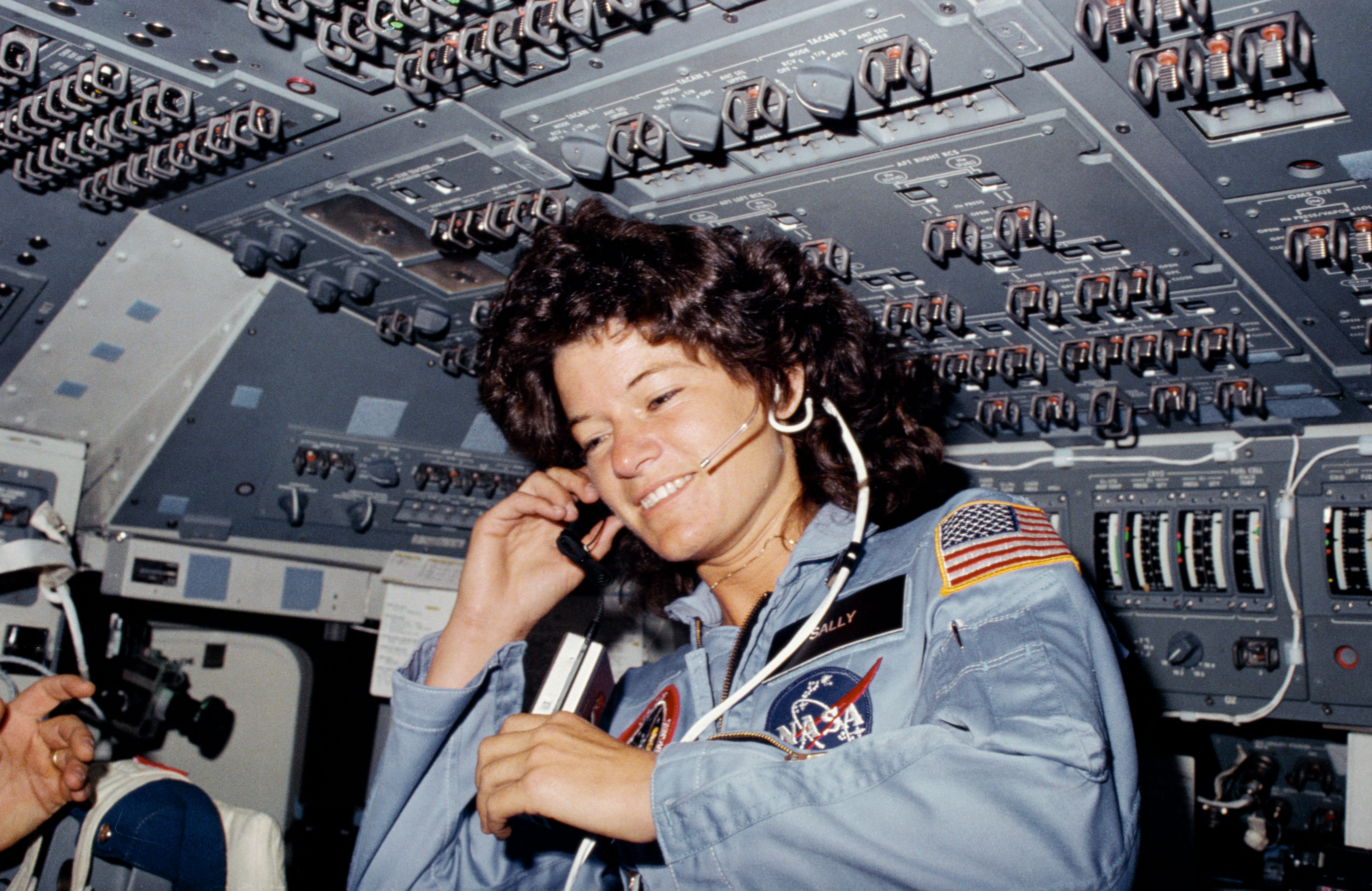
At 7:33 on the morning of 18 June 1983, a 32-year-old astrophysicist named Sally Ride rode Challenger off Pad 39A and became the first American woman in space. She got there two decades after the Soviets, and only after months of being asked whether spaceflight would damage her reproductive organs and whether she planned to cry.