


X Report 18 Nov 2025
SpaceX successfully launched the Sentinel-6B satellite to monitor global sea levels while resuming daytime rocket launches. Furthermore, delays in the Starship timeline impact NASA's Artemis 3 mission schedule.


Launch Date
June 21, 1989
Launch Site
Launch Pad
LC200/39
Launch Vehicle
Proton-K/DM-2
NORAD ID
20083
International Designator
1989-048A
Epoch
Sat, 04 Jul 2026 00:28:39 GMT
Apogee
Calculating...
Perigee
Calculating...
Inclination
12.71°
Right Ascension
335.11°
Eccentricity
Calculating...
Argument of Perigee
150.81°
Period
1458.86 min
Mean Motion
0.99 rev/day
Latitude
Calculating...
Longitude
Calculating...
Altitude
Calculating...
Velocity
Calculating...
Name
RADUGA-1 1
Alternative Name
Raduga-1
Type
Status
Owner
UNKS
Country
USSR
Constellation
N/A
Related Satellites
Major Events
N/A
1 20083U 89048A 26185.01989903 .00000037 00000-0 00000-0 0 9993
2 20083 12.7084 335.1113 0018612 150.8114 222.2553 0.98707252131446
Source: Celestrak
Length
5
Diameter
2
Span
20
Dry Mass
2200
Launch Mass
2500
Shape
Step Cyl + 2 Pan
Radar Cross Section
3.5481
Visual Magnitude
Unknown
Color
Unknown
Material Composition
Unknown
Payload
Globus No. 11
Purpose
Military Communication
Mission
Military Communication
Manufacturer
NPOPM
Life Expectancy
3 years
Bus
Globus
Configuration
KAUR-3
Motor
Unknown
Equipment
6 Tor C-Band transponders
Power System
2 deployable solar arrays, batteries
ADCS
Unknown
Transmitter Frequency
Unknown
Learn more about satellites and other related topics.
SpaceX successfully launched the Sentinel-6B satellite to monitor global sea levels while resuming daytime rocket launches. Furthermore, delays in the Starship timeline impact NASA's Artemis 3 mission schedule.

SpaceX successfully launched 29 Starlink satellites on November 14, marking the first of two rapid-fire Falcon 9 missions from Florida's Space Coast in under four hours.
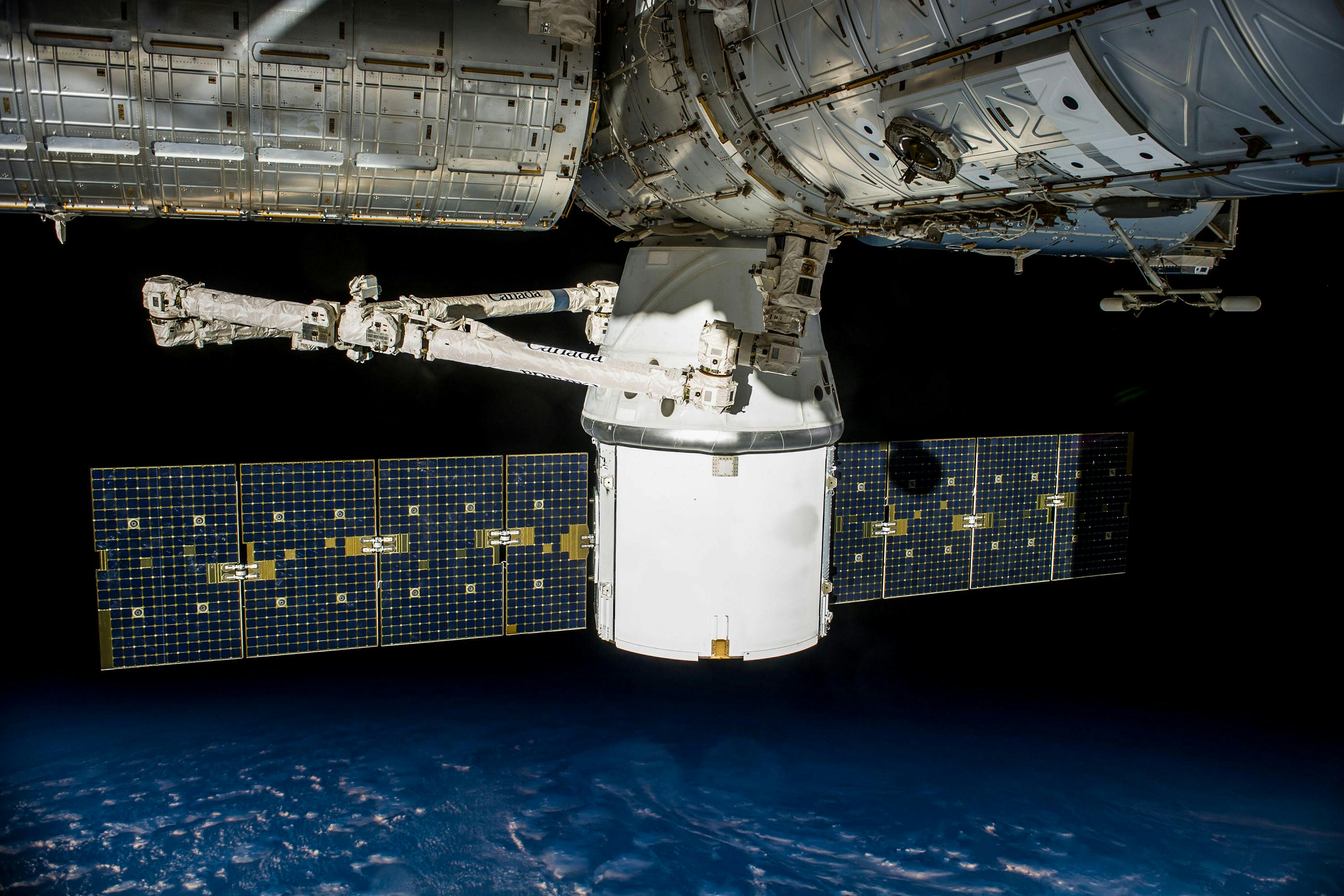
SpaceX attempts its 600th Falcon 9 booster landing during the Starlink 17-22 mission, adding 25 satellites from Vandenberg SFB.
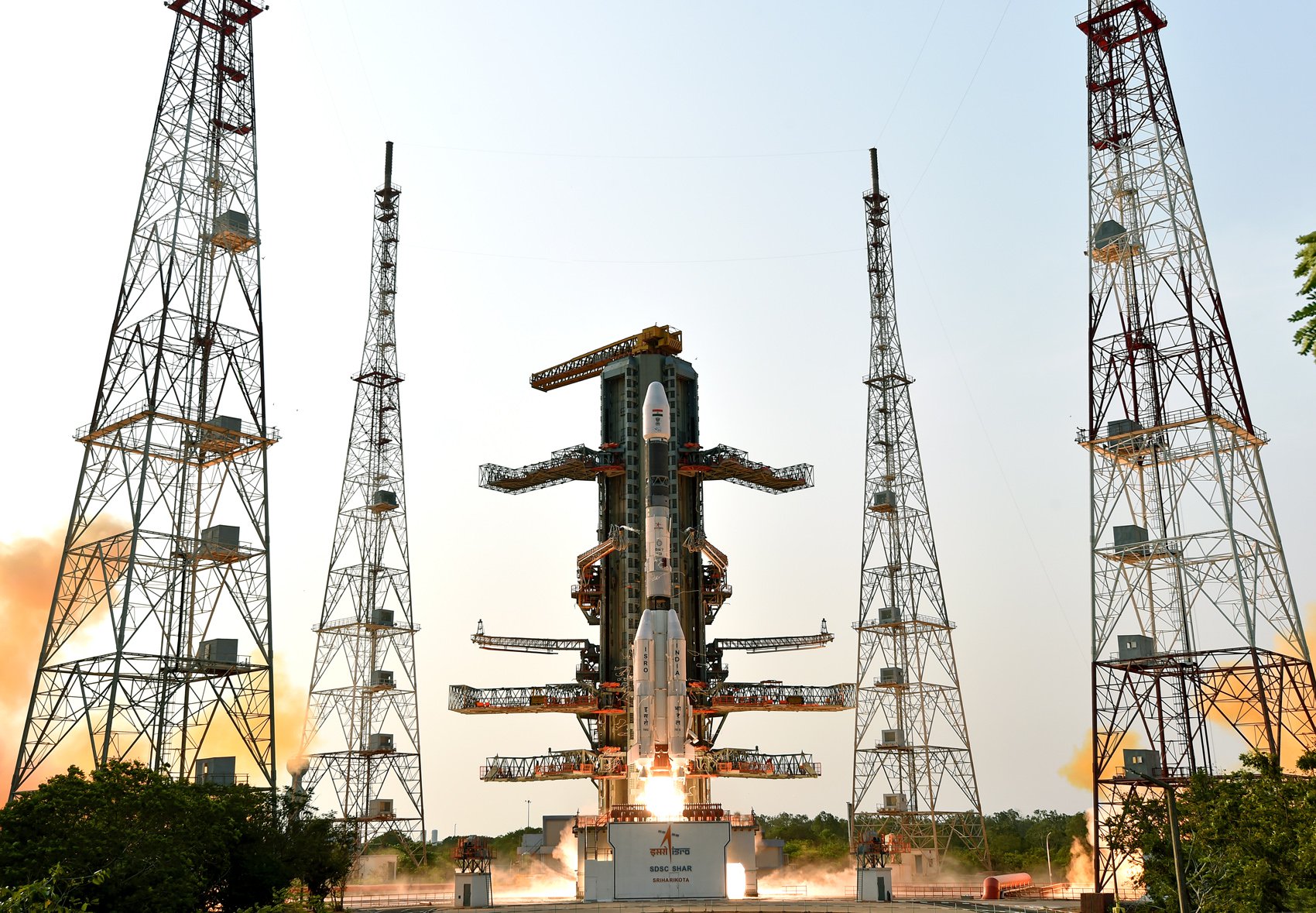
Today's brief covers China's Tianzhou-9 launch to the Tiangong space station, the U.S. Space Force's unfunded MILNET project, and the evolving use of AI in military applications.
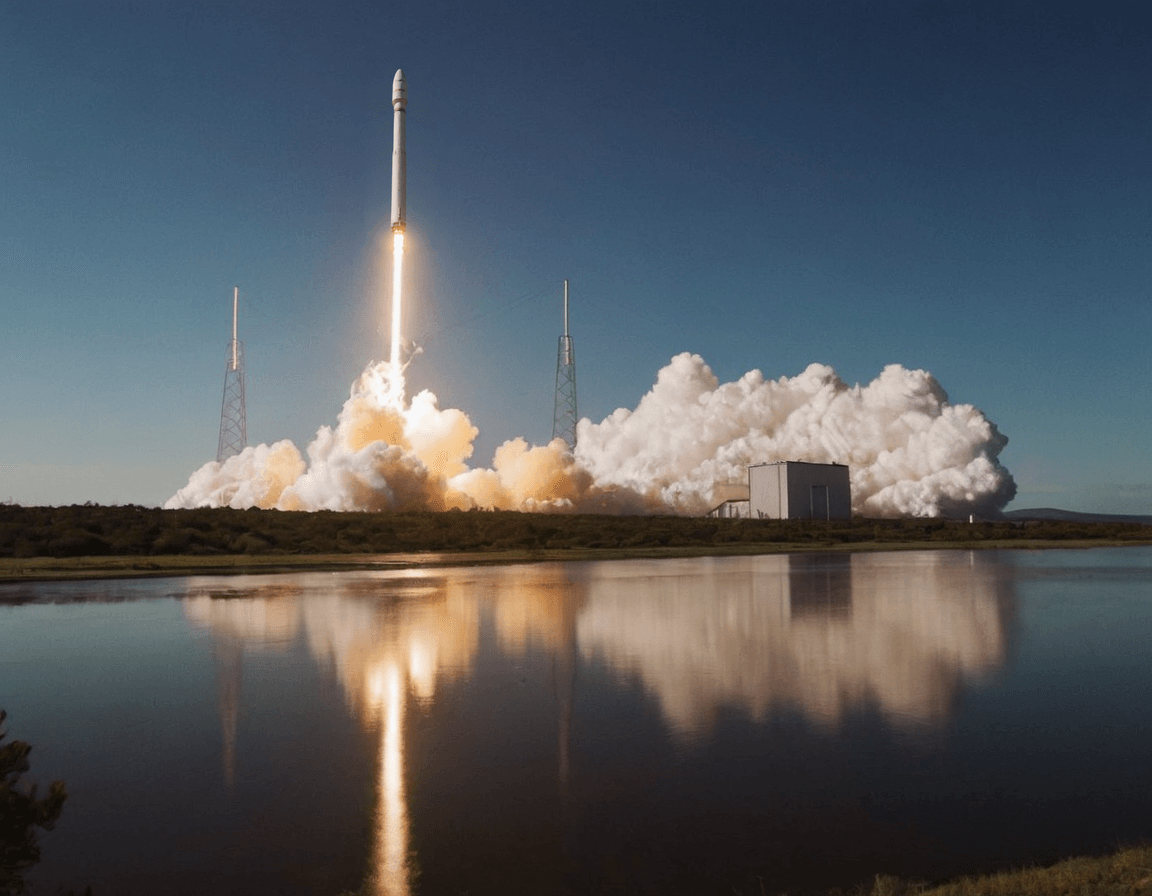
The FAA grounds SpaceX's Falcon 9 rocket after a launch mishap, potentially impacting NASA's crewed missions and disrupting SpaceX's ambitious launch schedule.

What happens when space objects come home: the fiery physics of returning from orbit and why predicting where debris lands is so difficult
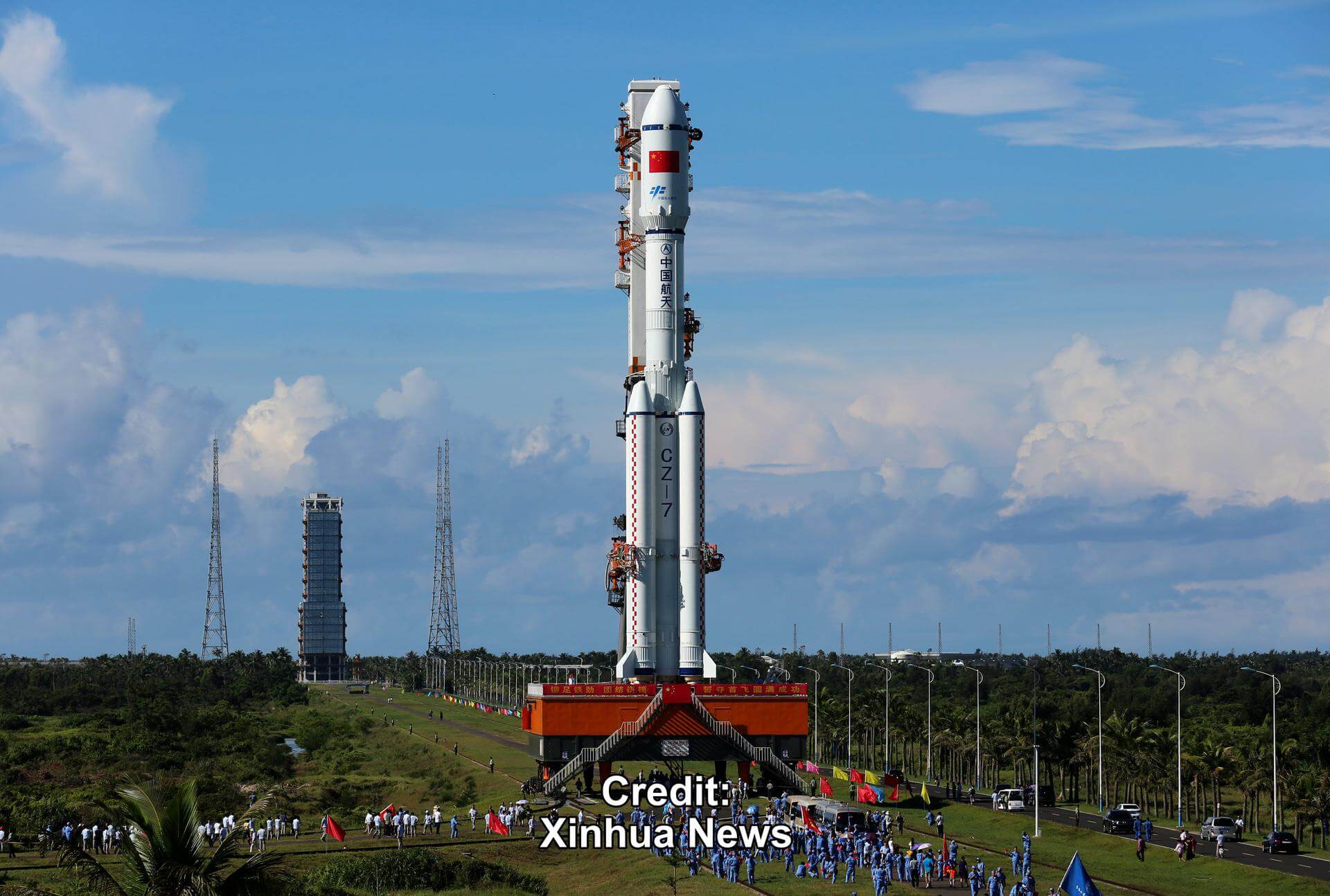
Today's key topics include the halting of the U.S. Air Force's rocket landing pad plans, the Space Force's shift to a flexible satellite strategy, delays in Australia's Eris 1 rocket launch, and the controversial cut of satellite sea-ice data to climate scientists.

China files ITU paperwork for megaconstellations totaling nearly 200,000 satellites. SpaceX launches first rideshare mission of 2026 from Vandenberg. NASA plans ISS crew medical evacuation.