


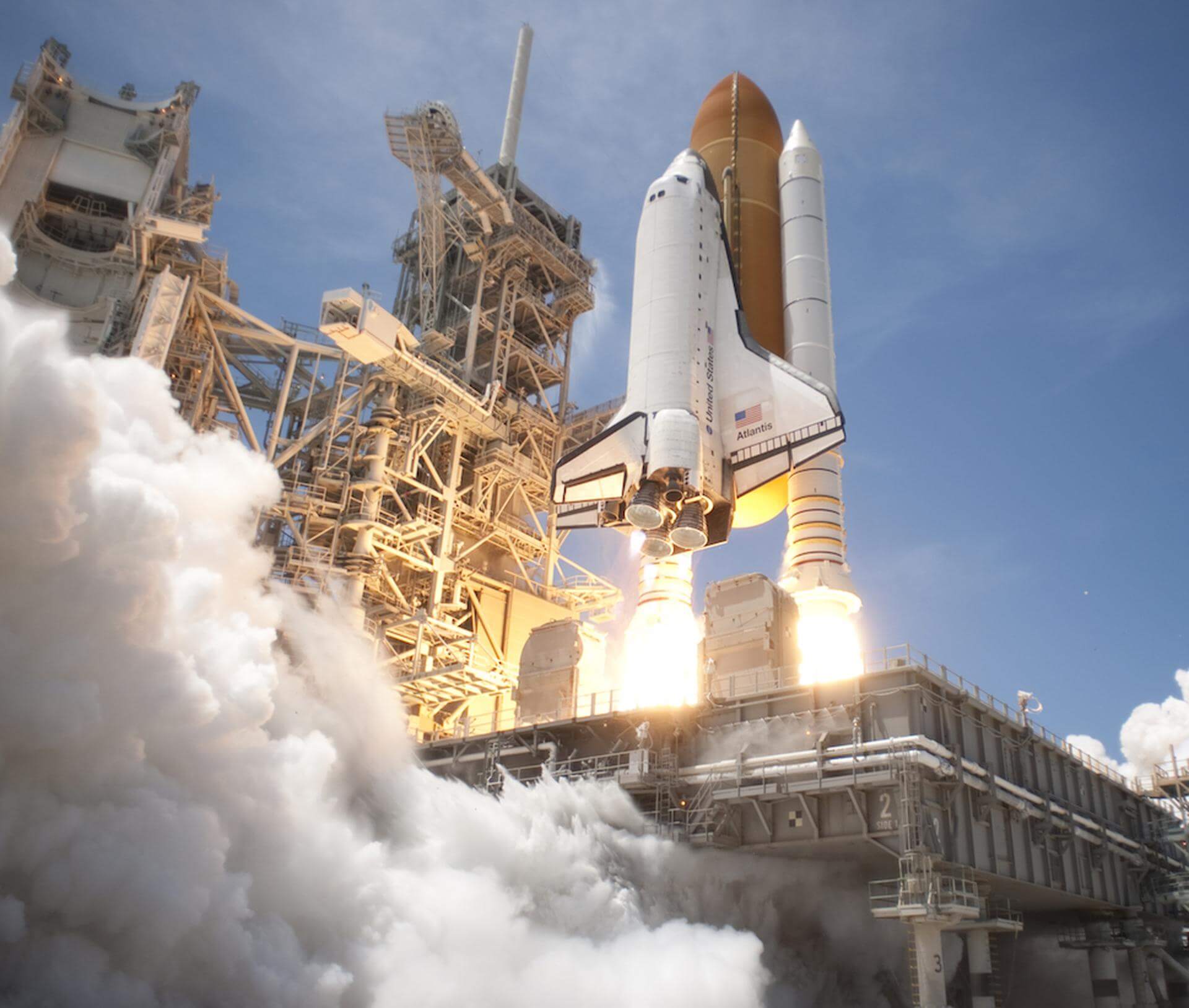
Falcon 9 B1067 Targets 36th Flight Record on Starlink 10-42 | KeepTrack Space Brief
SpaceX Falcon 9 booster B1067 set for 36th flight Thursday with Starlink 10-42 mission from Cape Canaveral. Long March 10B debuts Friday in China.


Launch Date
June 14, 1989
Launch Site
Launch Pad
LC41
Launch Vehicle
Titan 402A/IUS
NORAD ID
20069
International Designator
1989-046D
Epoch
Fri, 03 Jul 2026 10:46:44 GMT
Apogee
Calculating...
Perigee
Calculating...
Inclination
12.15°
Right Ascension
338.19°
Eccentricity
Calculating...
Argument of Perigee
14.56°
Period
1421.45 min
Mean Motion
1.01 rev/day
Latitude
Calculating...
Longitude
Calculating...
Altitude
Calculating...
Velocity
Calculating...
Name
IUS R/B(2)
Alternative Name
IUS-8 SRM-2
Type
Status
Owner
AFSSD2
Country
United States
Constellation
N/A
Related Satellites
Major Events
N/A
1 20069U 89046D 26184.44912457 -.00000217 00000-0 00000-0 0 9992
2 20069 12.1537 338.1900 0044250 14.5608 345.6067 1.01304952 26409
Source: Celestrak
Length
2.1
Diameter
1.6
Span
2.1
Dry Mass
1100
Launch Mass
3800
Shape
Sphere + Cone
Radar Cross Section
Unknown
Visual Magnitude
Unknown
Color
Unknown
Material Composition
Unknown
Payload
Orbus 6E
Purpose
Unknown
Mission
Unknown
Manufacturer
BOKT/CSD
Life Expectancy
Unknown
Bus
Orbus 6E
Configuration
Unknown
Motor
Unknown
Equipment
Unknown
Power System
Unknown
ADCS
Unknown
Transmitter Frequency
Unknown
Learn more about satellites and other related topics.
SpaceX Falcon 9 booster B1067 set for 36th flight Thursday with Starlink 10-42 mission from Cape Canaveral. Long March 10B debuts Friday in China.

SpaceX successfully launches 23 Starlink satellites, NASA selects SpaceX for astrophysics mission, and Starship Flight 8 advances with Booster 15 static fire.
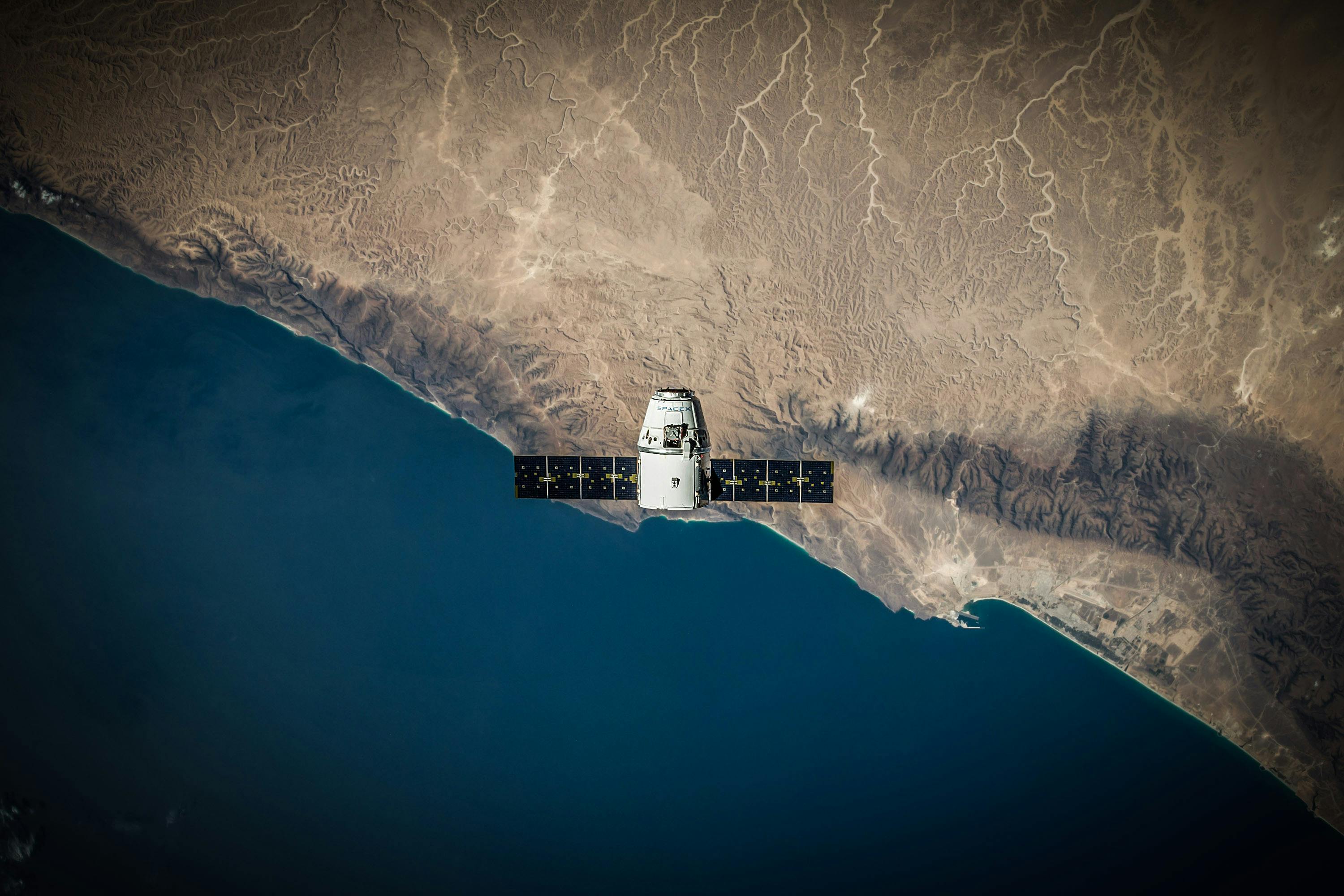
Elon Musk pushed back on orbital crowding concerns as SpaceX eyes data centers in space, with 10,584 Starlink satellites currently operational.
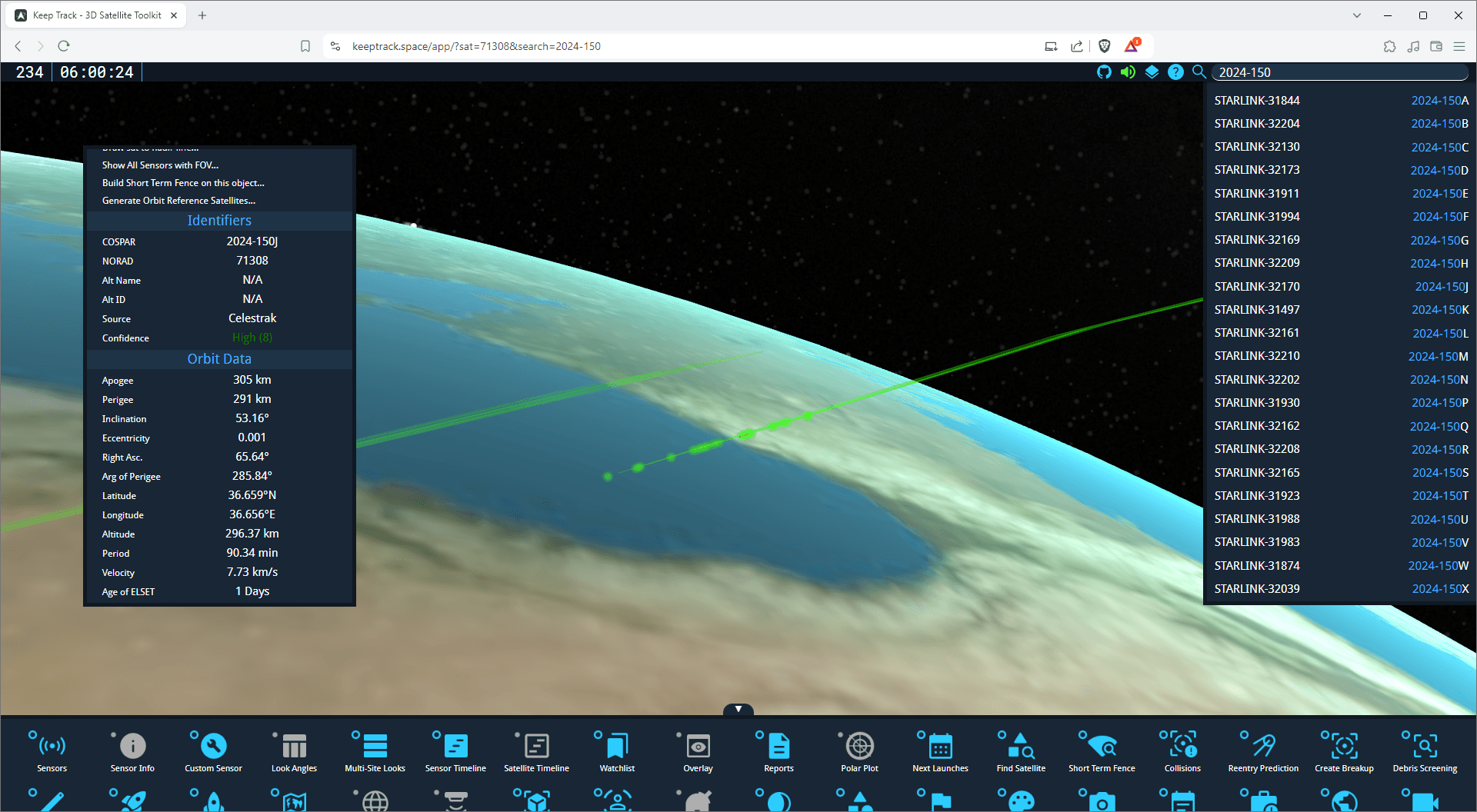
Recent Starlink launches, autonomous navigation for satellite swarms, major funding for asteroid mining, and insights into NASA's various projects and developments.

Today's briefing covers new satellite projects, military tech advancements, and insights into missile defense strategies. Discover partnerships in satellite design and exciting developments in space military technology.

Starship Flight 7 scheduled for Jan 13, SpaceX sets Falcon 9 record, and NRO expands spy satellite constellation.
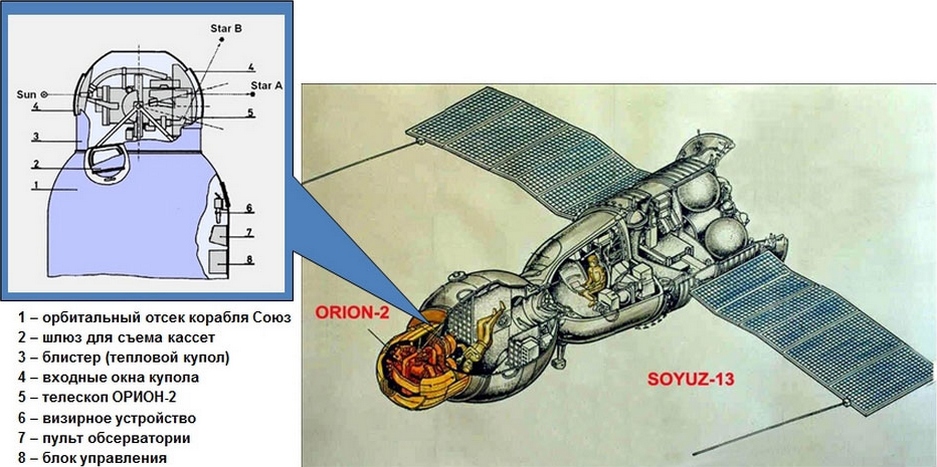
Exactly 52 years ago today, the Soviet Union launched Soyuz 13 - a scientific mission that marked the first time American astronauts and Soviet cosmonauts orbited Earth simultaneously. Armed with a revolutionary ultraviolet telescope, Pyotr Klimuk and Valentin Lebedev would discover elements never before seen in distant nebulae.
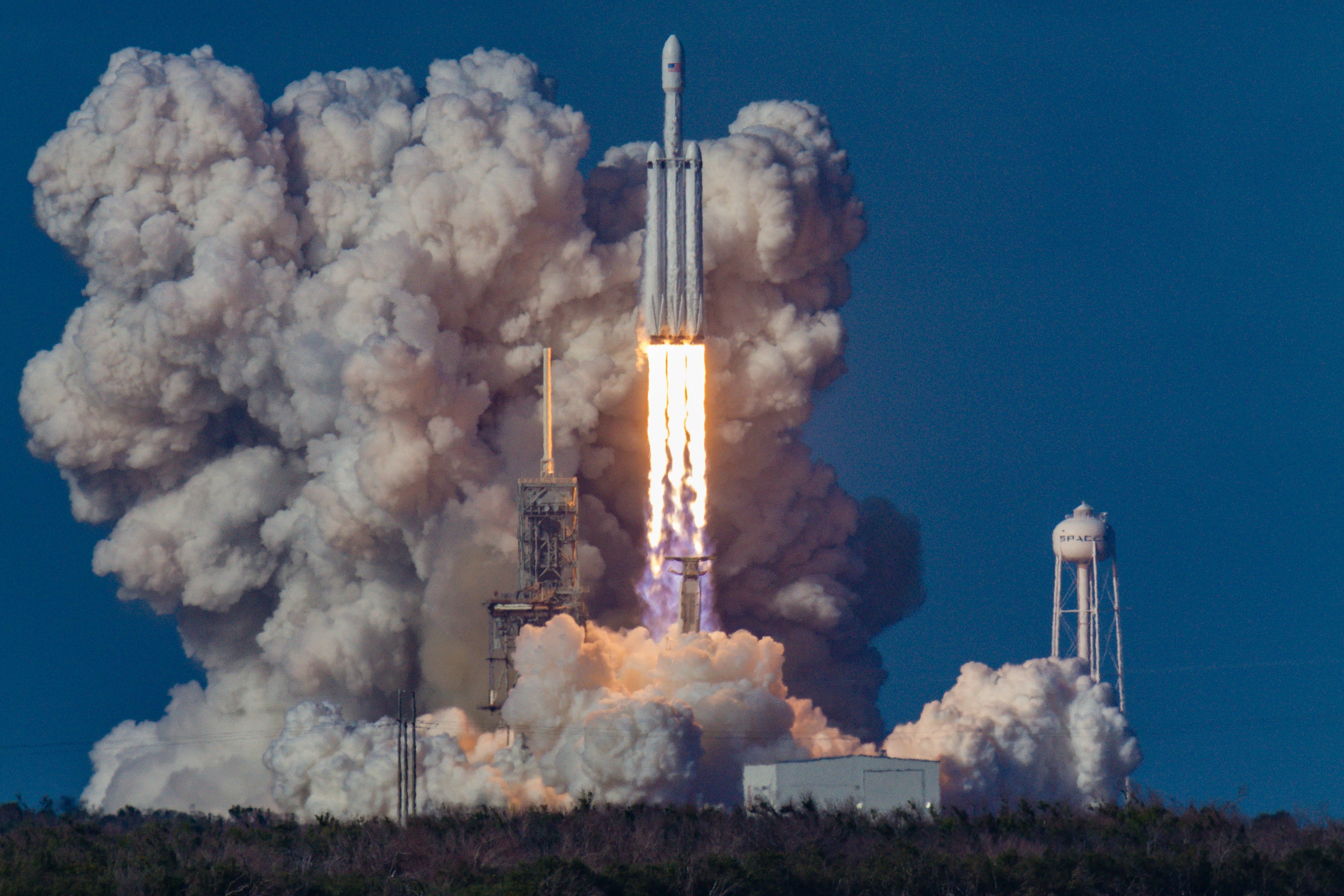
SpaceX's Falcon 9 rockets propel space exploration and connectivity forward with a moon landing mission, Starlink deployment, and readiness for another Starship launch trial.