

X Report 5 Mar 2025
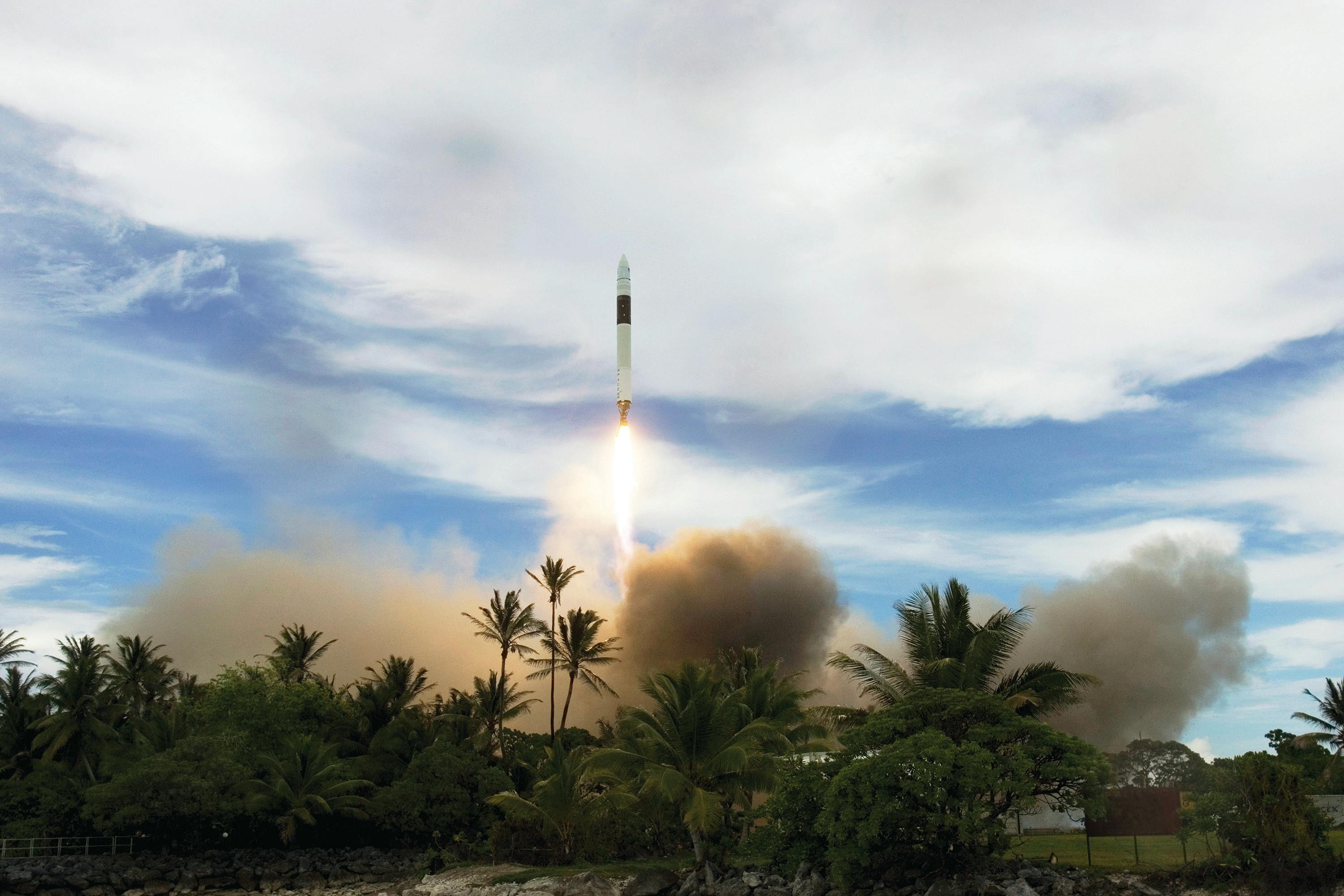
SpaceX's busy launch schedule faces scrubs, while industry leaders call for infrastructure upgrades, highlighting challenges in the bustling space sector.


Launch Date
May 24, 1989
Launch Site
Launch Pad
LC1
Launch Vehicle
Soyuz-U
NORAD ID
20002
International Designator
1989-037C
Decay Date
5/25/1989
Name
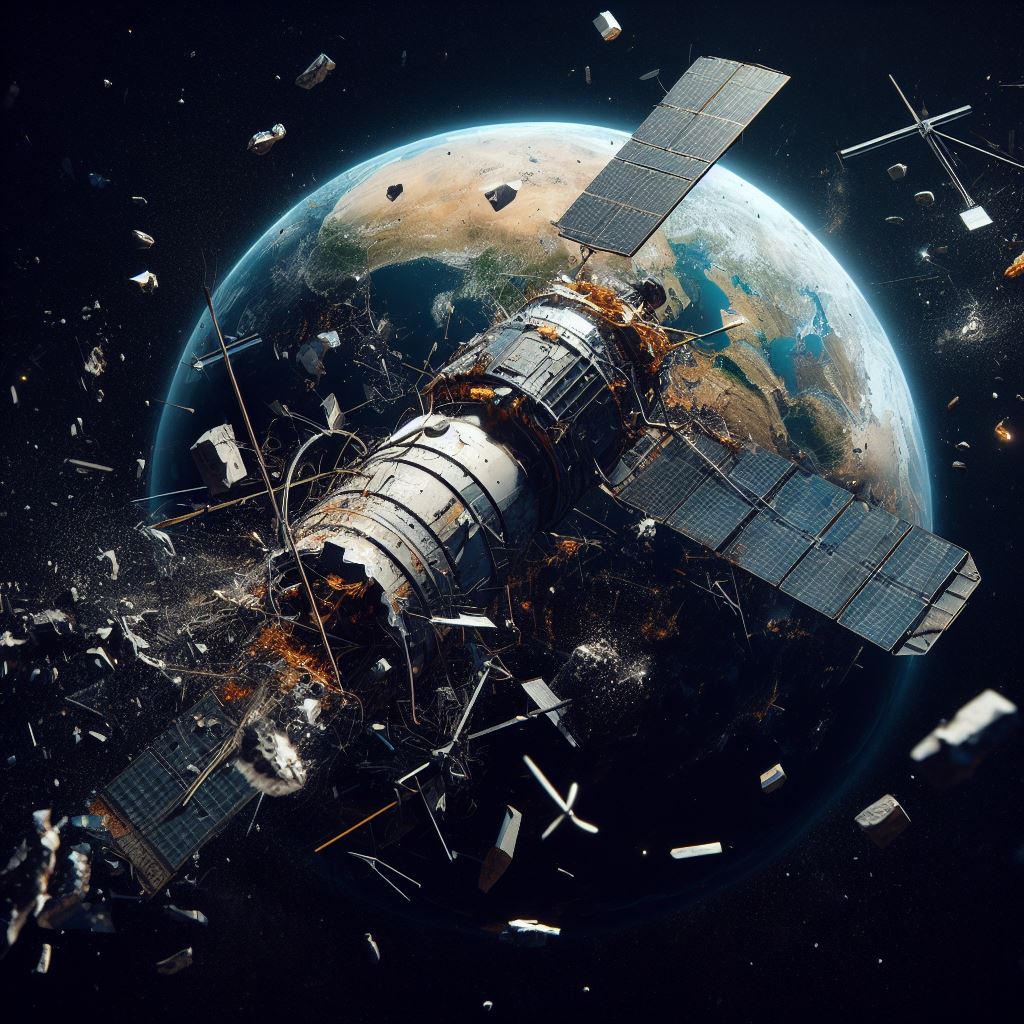
SL-4 DEB
Alternative Name
Kosmos-2021 part
Type
Status
Owner
VTS
Country
USSR
Constellation
N/A
Related Satellites
Major Events
N/A
Length
0
Diameter
0
Span
0
Dry Mass
0
Launch Mass
0
Shape
N/A
Radar Cross Section
0.09
Visual Magnitude
Unknown
Color
Unknown
Material Composition
Unknown
Payload
Kometa part
Purpose
Unknown
Mission
Unknown
Manufacturer
TSSKB
Life Expectancy
Unknown
Bus
Yantar' deb
Configuration
Unknown
Motor
Unknown
Equipment
Unknown
Power System
Unknown
ADCS
Unknown
Transmitter Frequency
Unknown
Learn more about satellites and other related topics.
SpaceX's busy launch schedule faces scrubs, while industry leaders call for infrastructure upgrades, highlighting challenges in the bustling space sector.
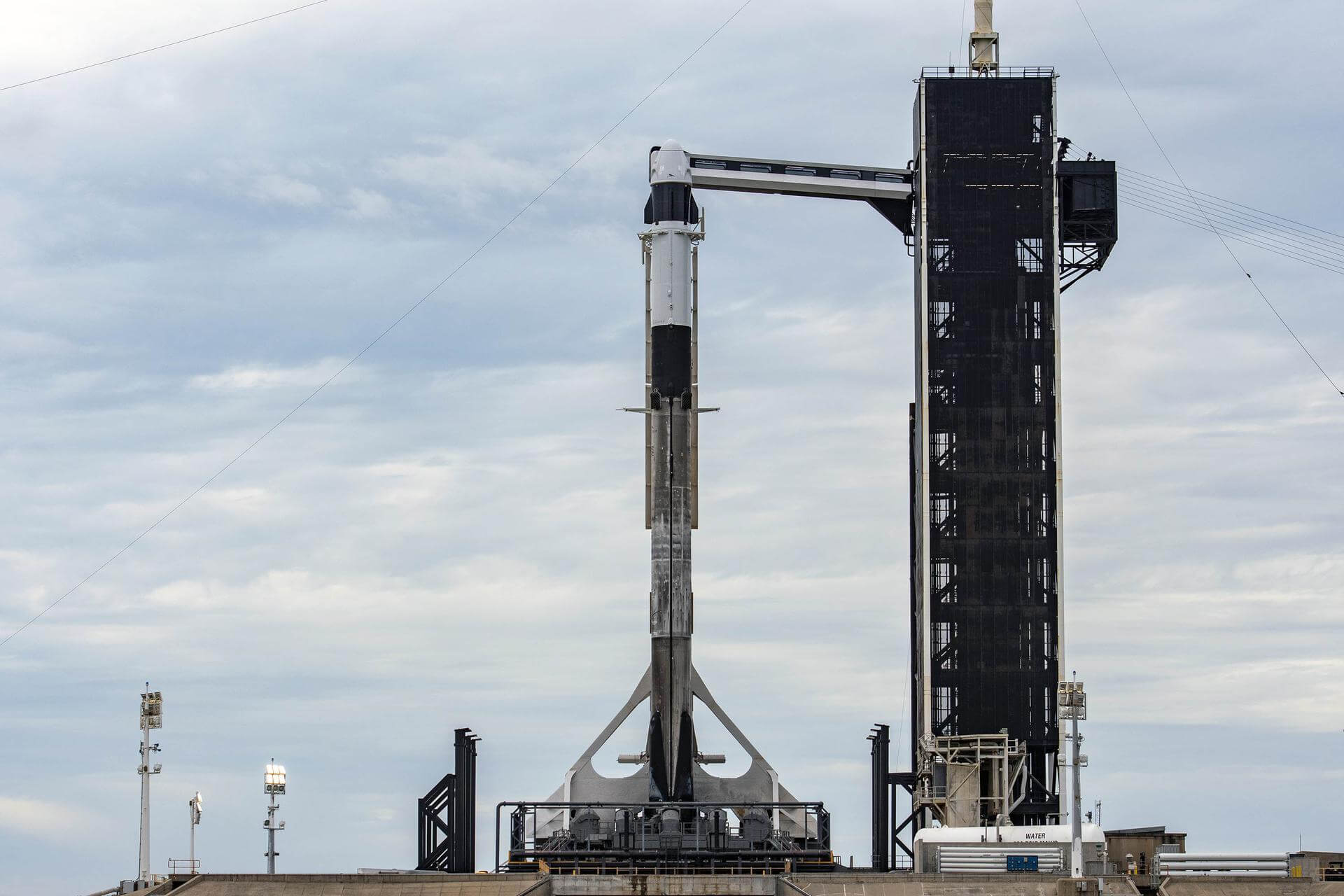
Today's highlights include the certification of ULA's Vulcan rocket for national security missions, developments in nuclear timekeeping for GPS systems, and updates on the Space Force's new warfighting framework.

Today's highlights include SpaceX's 300th Starlink launch, NASA re-establishing contact with a TRACERS satellite, and budget concerns impacting the commercial remote sensing industry.
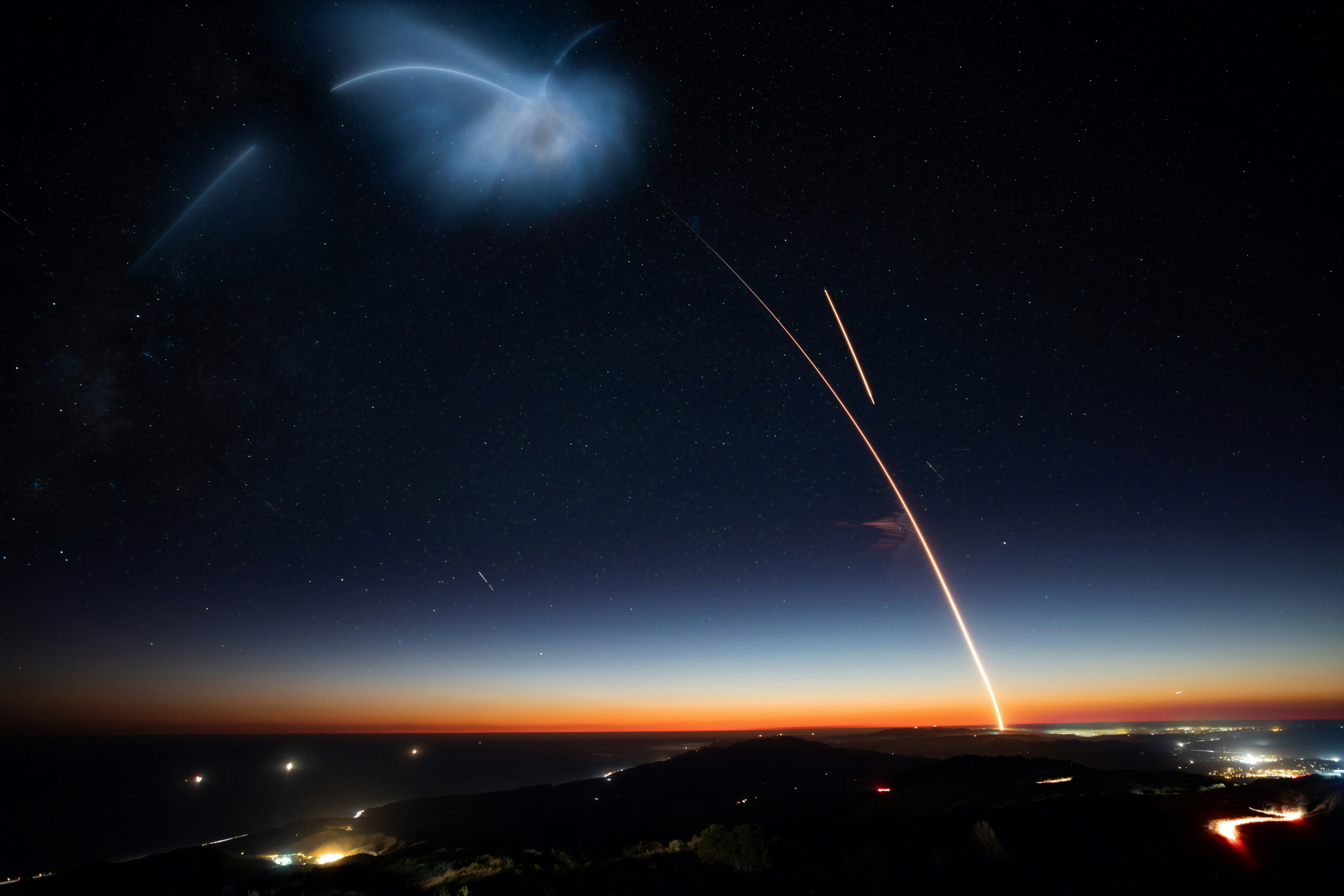
In a landmark achievement, SpaceX celebrated its 500th Falcon 9 launch by deploying 27 Starlink satellites while simultaneously advancing its reuse strategy with record-breaking milestones.
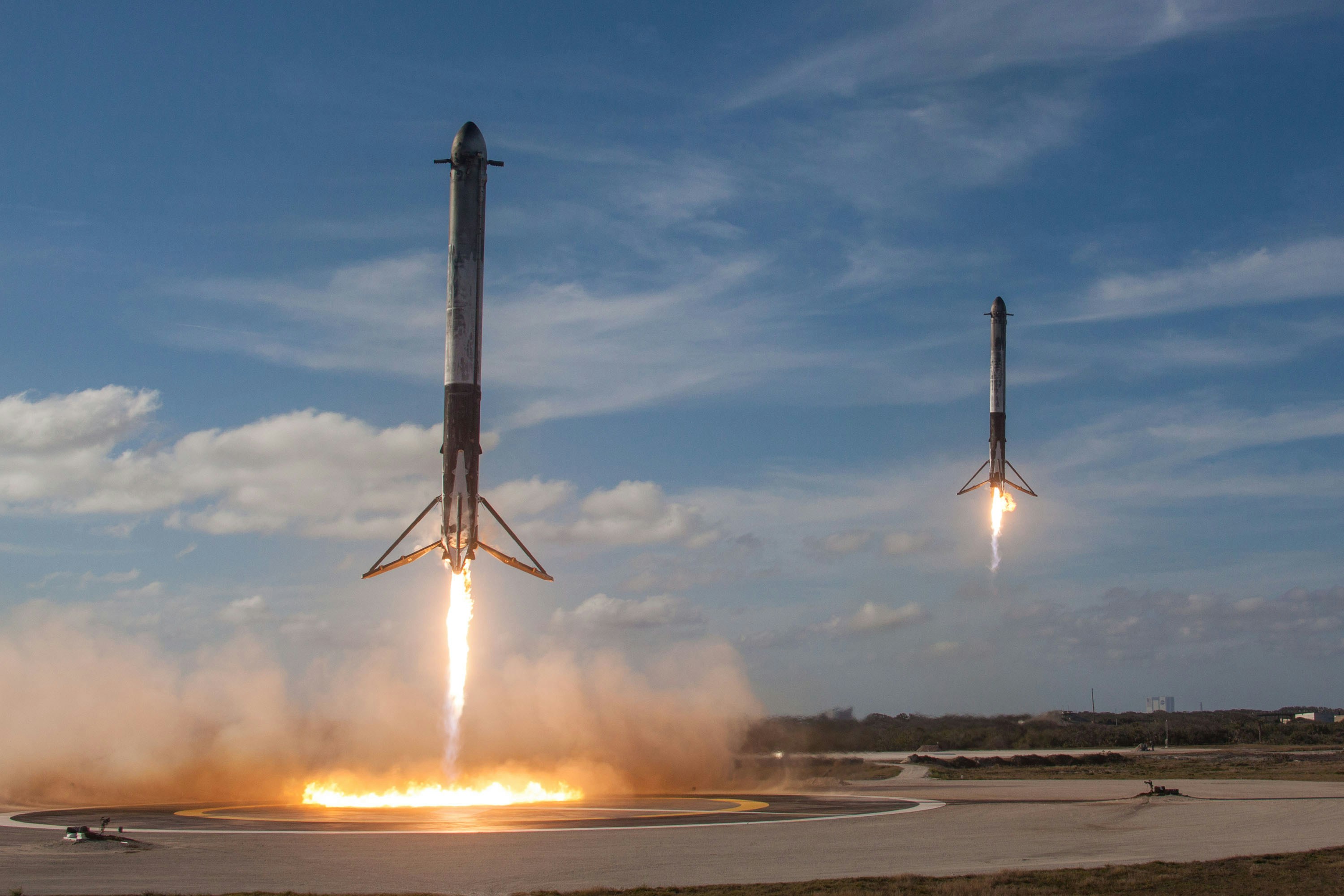
SpaceX marks a significant milestone with its 100th Starlink mission launch and makes impressive progress on lunar lander development for Artemis III.

Space Force projects 25 additional high-energy missions in 2027–2029 window, straining capacity at Vulcan and Falcon Heavy. Capacity constraints will drive military-NASA prioritization debates.

CENTCOM confirms first-ever combat use of PrSM against Iranian targets. Space Force VP calls for aggressive end strength growth. Artemis II boosters on pad.
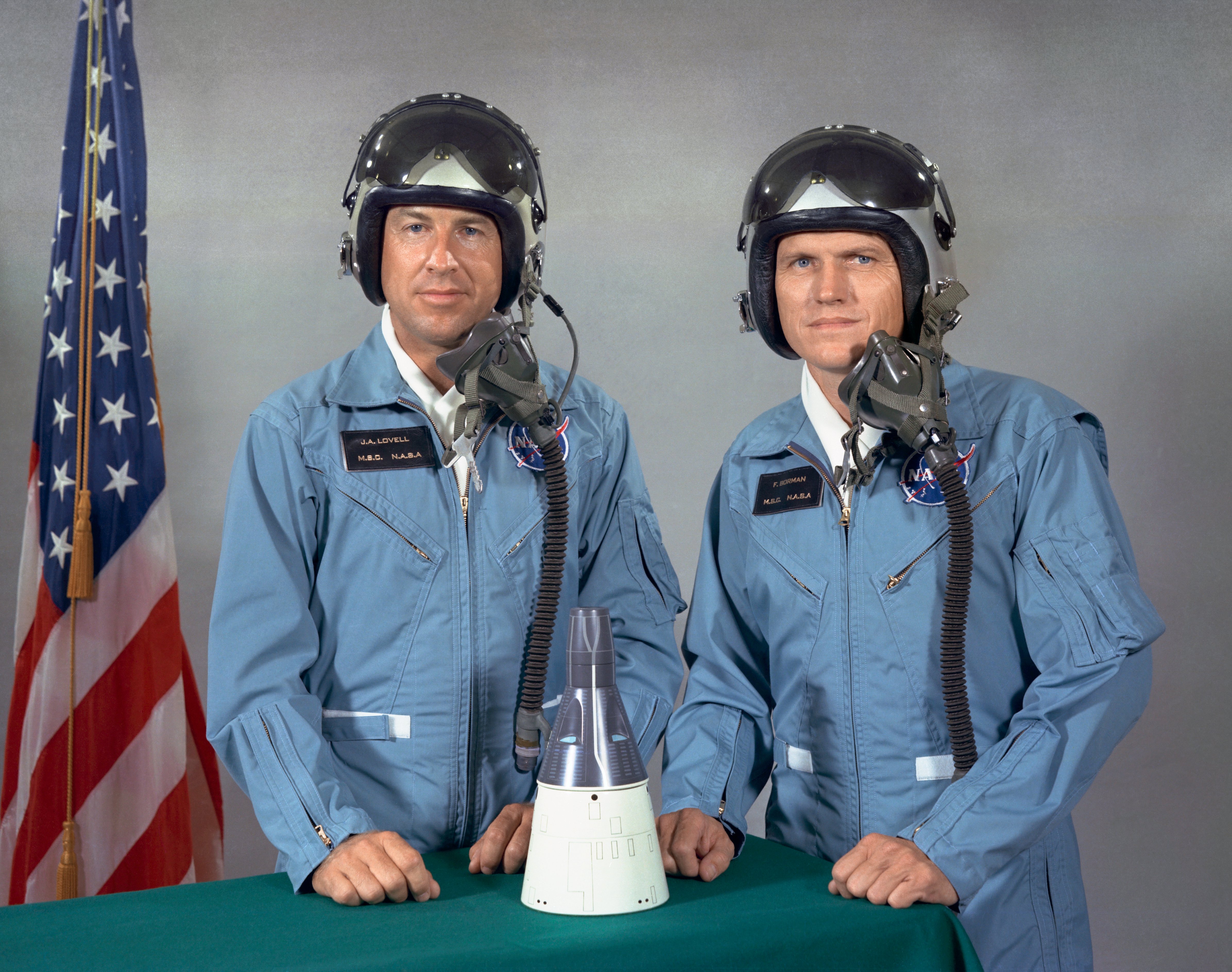
Sixty years ago, Frank Borman and James Lovell launched aboard Gemini 7 for a grueling 14-day mission that would prove humans could endure the journey to the moon and achieve the first true rendezvous in space