DISCOVERER 34 DEB (00200)

COSPAR: 1961-029D | Alt Name: deb Discoverer XXXIV
DECAYED

Image
DISCOVERER 34 DEB Satellite Image
Additional Sources
Launch Details

Launch Date

November 5, 1961

Launch Site

AFWTR

Launch Pad

75-1-1

Launch Vehicle

Thor Agena B

Orbital Elements

NORAD ID

00200

International Designator

1961-029D

Decay Date

12/10/1961

Basic Satellite Info

Name

DISCOVERER 34 DEB

Alternative Name

deb Discoverer XXXIV

Type

Debris

Status

Space Junk

Owner

AFSSD

Country

United States

Constellation

N/A

Related Satellites

Major Events

N/A

Summary
Space debris, also known as space junk, encompasses all non-functional objects orbiting Earth such as defunct satellites, spent rocket stages, and fragments from collisions or disintegrations. Over time, this debris can accumulate and create an increasingly hazardous environment in orbit. Even tiny fragments, traveling at extremely high velocities, can inflict significant damage on operational satellites and spacecraft. If left unmanaged, the density of debris raises the risk of catastrophic collisions and further fragmentation, compounding the problem and threatening the safety and sustainability of space activities.
Physical Characteristics

Length

0

Diameter

0

Span

0

Dry Mass

0

Launch Mass

0

Shape

N/A

Radar Cross Section

Unknown

Visual Magnitude

Unknown

Color

Unknown

Material Composition

Unknown

Technical Details

Payload

Unknown

Purpose

Unknown

Mission

Unknown

Manufacturer

Unknown

Life Expectancy

Unknown

Bus

Unknown

Configuration

Unknown

Motor

Unknown

Equipment

Unknown

Power System

Unknown

ADCS

Unknown

Transmitter Frequency

Unknown

Satellite Articles

View All Posts »

Learn more about satellites and other related topics.

Varda W-5 Reentry Lands in Australia, Senate Passes $839B Defense Bill | KeepTrack Space Brief

Varda W-5 Reentry Lands in Australia, Senate Passes $839B Defense Bill | KeepTrack Space Brief

Varda Space's W-5 mission lands safely in Australia. Leonardo DRS wins SDA Tracking Layer Tranche 3 infrared payload contract. Senate passes $839B defense bill.

The Dog They Never Planned to Bring Home

The Dog They Never Planned to Bring Home

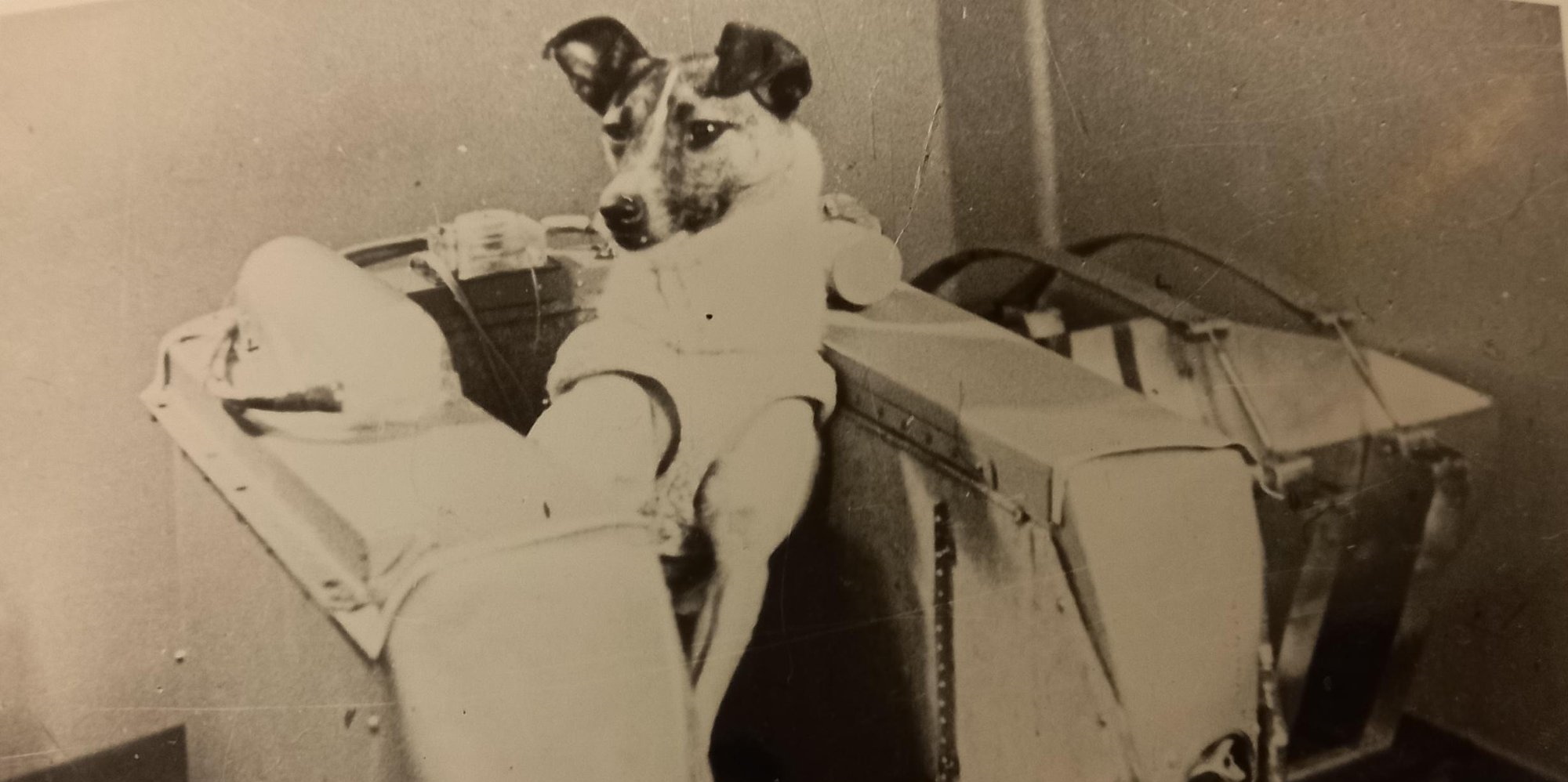
On April 14, 1958, Sputnik 2 burned up over the North Atlantic, carrying the remains of a stray dog from Moscow who had been dead for five months. The Soviet Union told the world she survived for days. It took forty-five years for the truth to come out.

Pentagon Gives Anthropic Friday Deadline on AI Policy, Vulcan Still Grounded | KeepTrack Space Brief

Pentagon Gives Anthropic Friday Deadline on AI Policy, Vulcan Still Grounded | KeepTrack Space Brief

Pentagon gives Anthropic Friday deadline to loosen military AI policy. Space Force keeps Vulcan grounded over booster issue. Funding boost speeds missile-tracking satellites.

Space Brief 29 Aug 2025

Space Brief 29 Aug 2025

Today's Space Brief highlights emerging technologies in space, a contract for U.S. Space Force missions, developments in military operations, and updates on drone advancements.

The Day That Humans Discovered Rocket Fuel

The Day That Humans Discovered Rocket Fuel

On February 2, 1909, Robert Goddard made a revolutionary breakthrough in his notebook: liquid oxygen and liquid hydrogen could achieve 50% efficiency in converting heat energy to kinetic energy for rocket propulsion

SpaceX Launches 29 Starlink Satellites From Cape Canaveral | KeepTrack X Report

SpaceX Launches 29 Starlink Satellites From Cape Canaveral | KeepTrack X Report

SpaceX deploys 29 Starlink satellites from Cape Canaveral on the Starlink 6-100 mission. Falcon 9 lifted off at 6:31 p.m. EST continuing SpaceX's dominant satellite internet market position.

Space Brief 31 Jan 2025

Space Brief 31 Jan 2025

Today's brief covers advancements in satellite technology initiatives by the U.S. Space Force, geopolitical implications in maritime domains, and Sweden's significant military aid package. Additionally, we spotlight a historical satellite with modern implications.

The Details of Apollo 1

The Details of Apollo 1

How a catastrophic fire in 1967 fundamentally altered NASA's approach to human spaceflight and continues to influence modern spacecraft design