

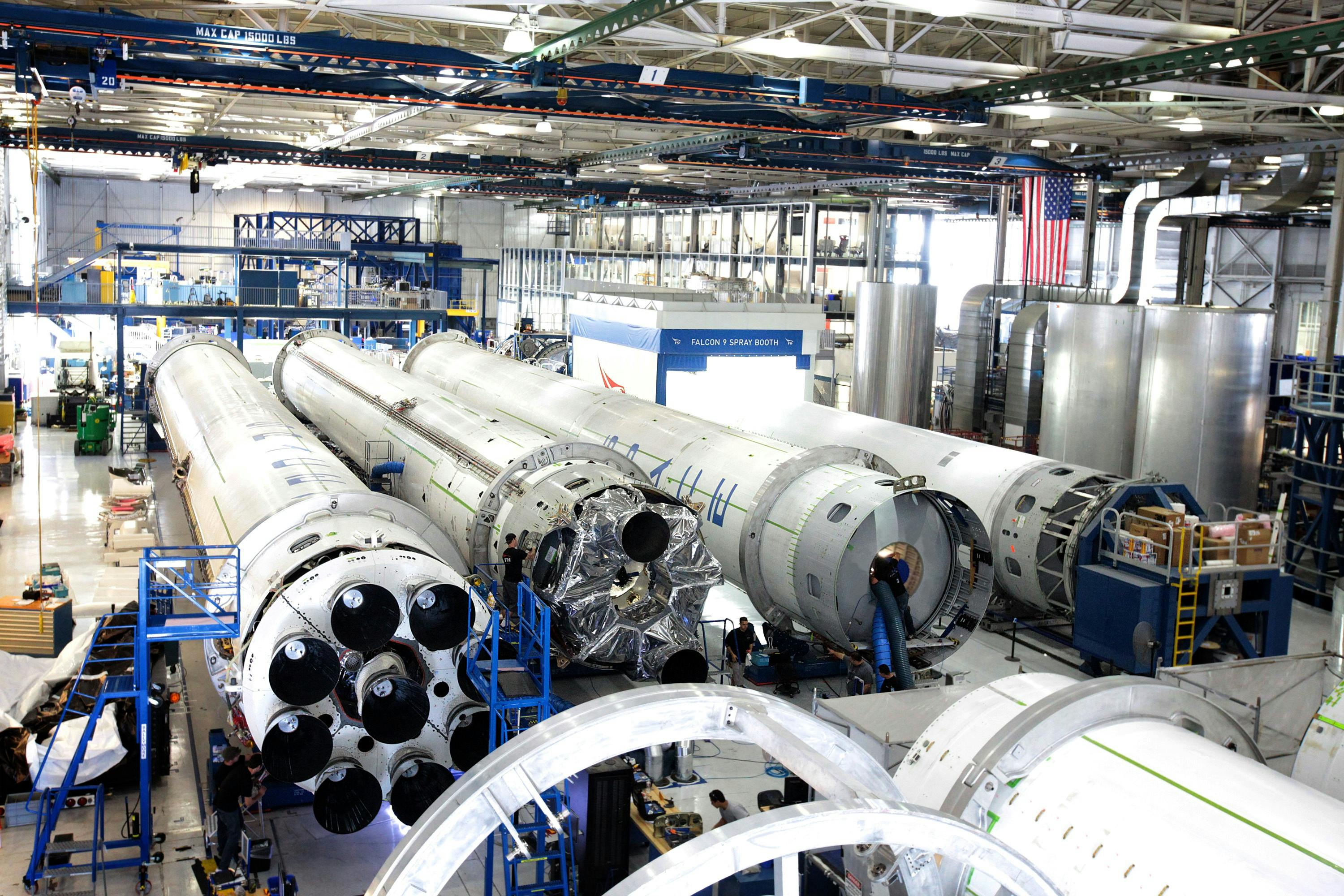
SpaceX Starfall Reentry Capsule Debuts, X Report 23 Jun 2026
SpaceX Starfall reentry capsule debuted June 23: the 2,100 kg disk launched on a Falcon 9 from Cape Canaveral to demo cargo return from orbit.


Launch Date
October 4, 1957
Launch Site
Launch Pad
Site 1/5
Launch Vehicle
NORAD ID
00002
International Designator
N/A
Decay Date
1/3/1958
Name
Sputnik 1
Alternative Name
Prosteyshiy Sputnik 1 (PS-1)
Type
Status
Owner
Country
USSR
Constellation
N/A
Related Satellites
Major Events
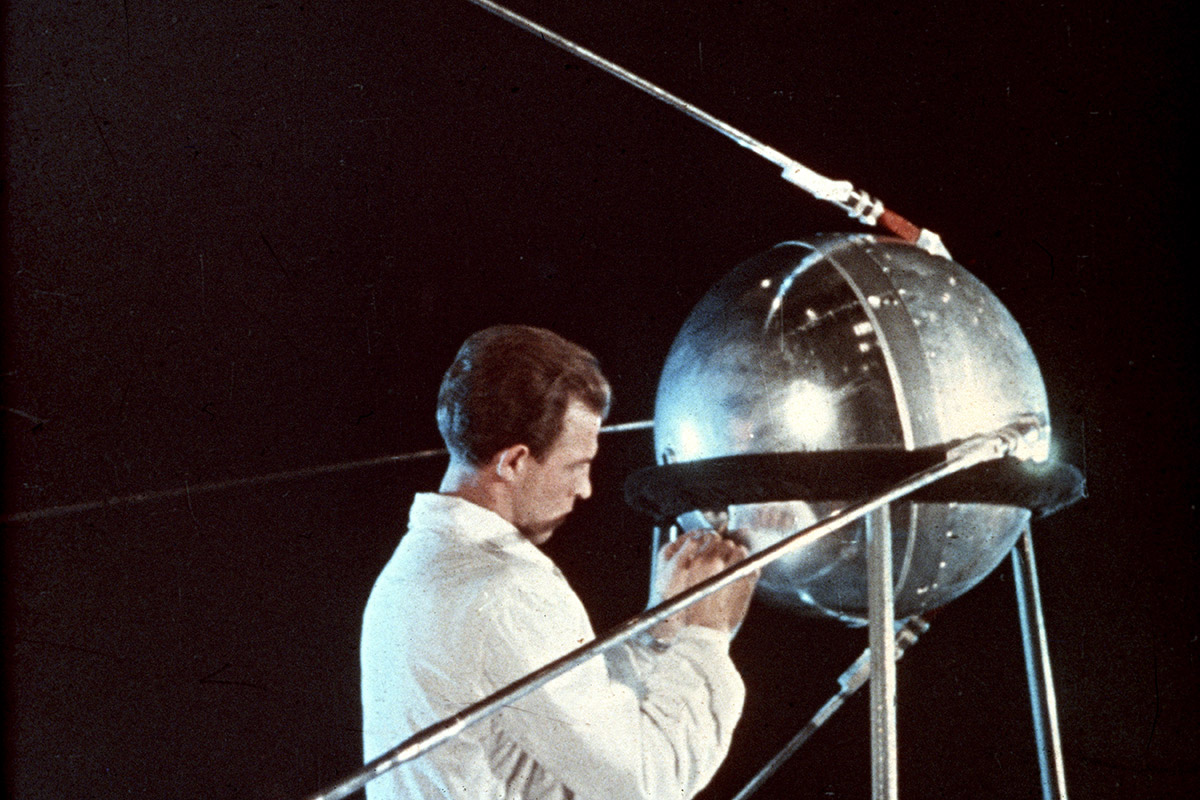
First artificial Earth satellite; launched on October 4, 1957; transmitted radio signals until October 26, 1957; reentered Earth's atmosphere on January 4, 1958.
Length
0.58
Diameter
0.58
Span
2.9
Dry Mass
83.6
Launch Mass
83.6
Shape
Spherical with four external whip antennas.
Radar Cross Section
0.018
Visual Magnitude
6
Color
Highly polished silver
Material Composition
Aluminum-magnesium-titanium alloy (AMG6T) with a 1 mm thick heat shield.
Payload
PS-1
Purpose
Scientific research and technology demonstration.
Mission
Demonstrate the feasibility of artificial satellites, study the density of the upper atmosphere, and test radio signal propagation through the ionosphere.
Manufacturer
OKB-1 of NII-88
Life Expectancy
Operated for 22 days, transmitting radio signals until the onboard batteries were depleted on October 26, 1957. The satellite remained in orbit until it reentered Earth's atmosphere on January 4, 1958.
Bus
PS
Configuration
Metal sphere
Motor
N/A
Equipment
Two radio transmitters operating on frequencies 20.005 MHz and 40.002 MHz, four external whip antennas, internal temperature and pressure sensors.
Power System
1 Watt; Powered by three silver-zinc batteries with an expected lifetime of two weeks; the batteries operated for 22 days.
ADCS
N/A
Transmitter Frequency
20.005 MHz, 40.002 MHz
Learn more about satellites and other related topics.
SpaceX Starfall reentry capsule debuted June 23: the 2,100 kg disk launched on a Falcon 9 from Cape Canaveral to demo cargo return from orbit.
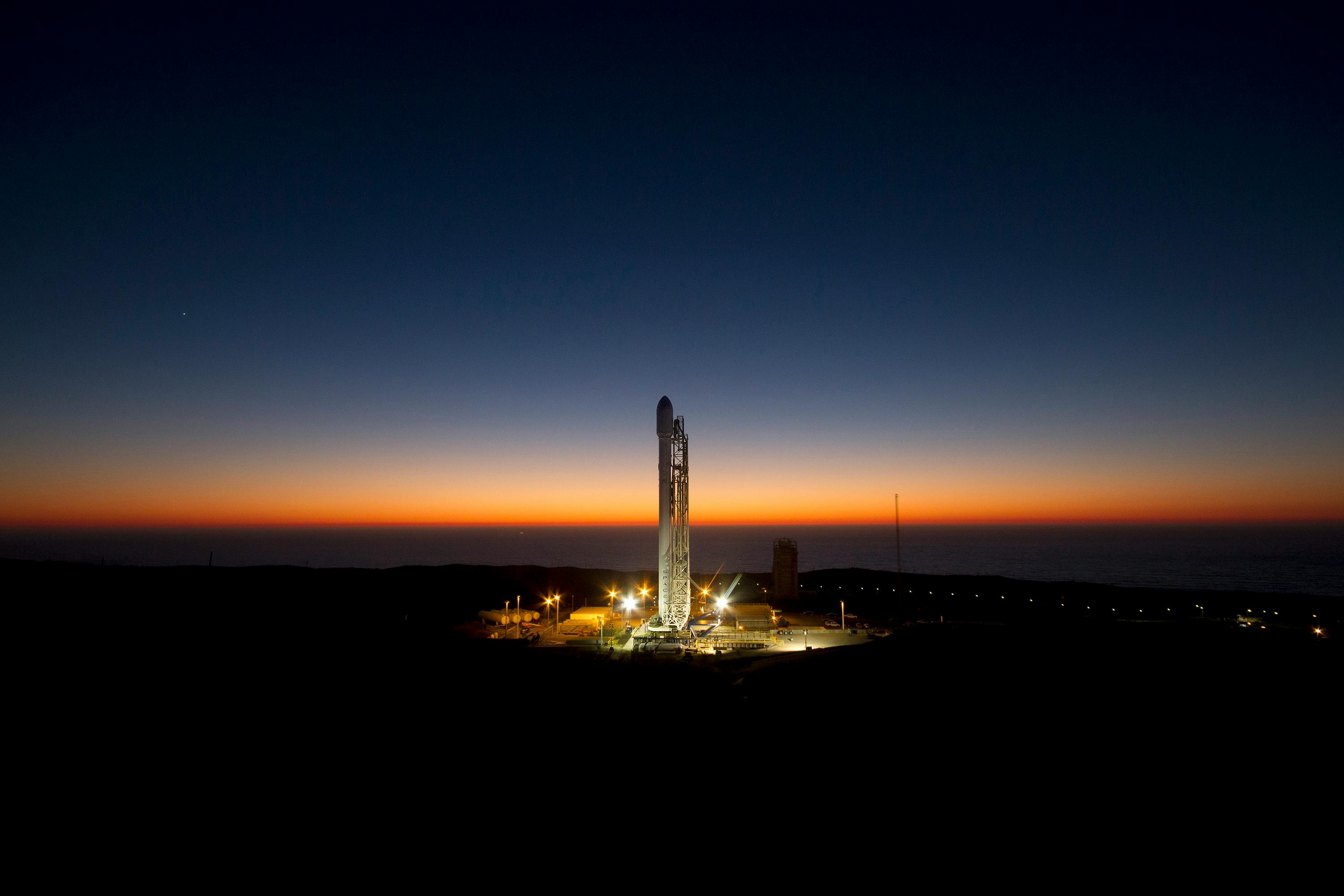
Starship launch site construction progresses at Kennedy Space Center and Cape Canaveral. Elon Musk trolls Ryanair after budget airline refuses to install Starlink on its fleet.

Today's brief explores a simulated 'dogfight' in space by Chinese satellites, insights into a cloud platform by Oracle and Singapore's defense agency, and more space-related developments.
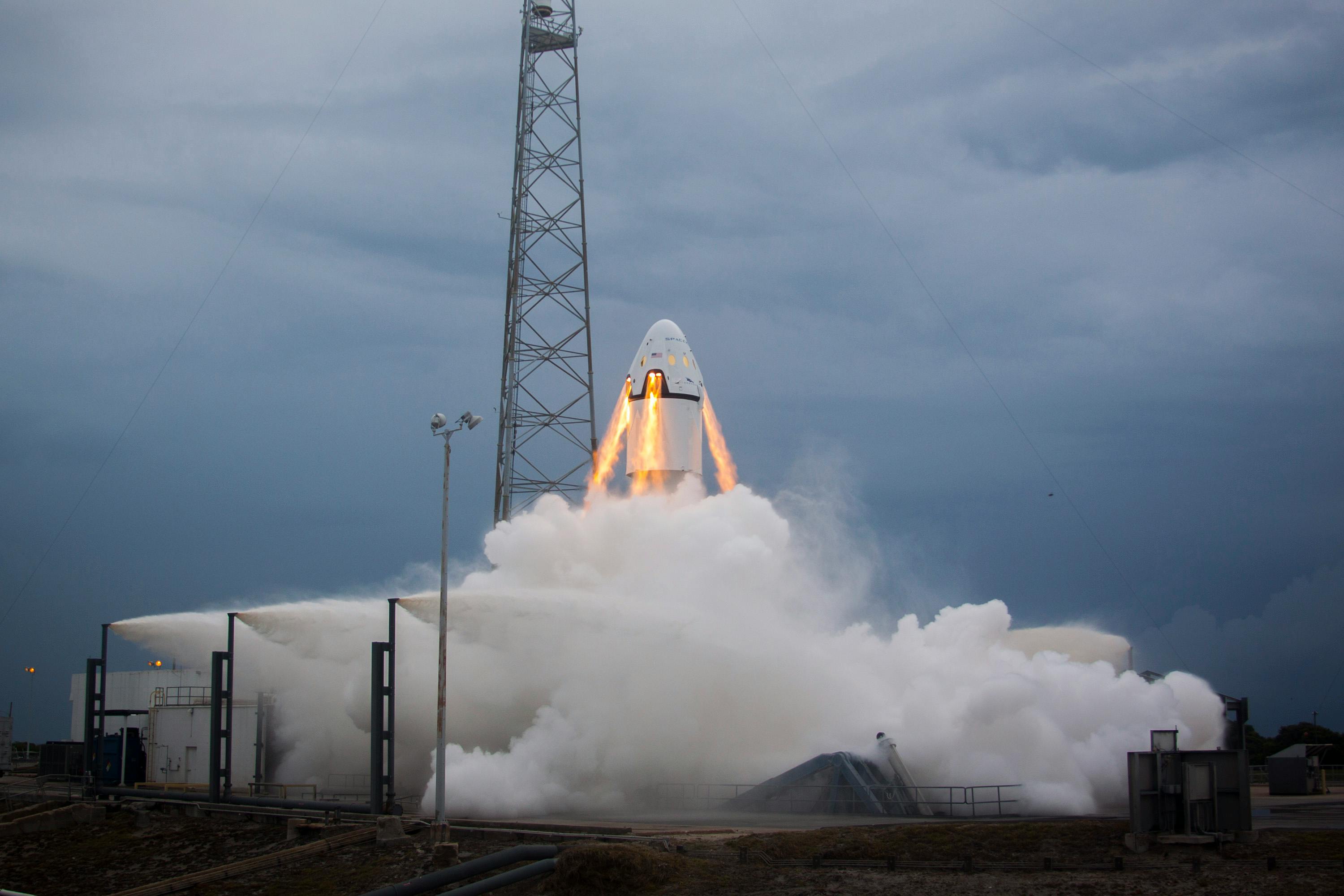
SpaceX's Starlink sparks market shifts and celestial awe as iPhones gain new connectivity and a satellite ignites the night sky.

Today's brief covers China's latest classified satellite launch, breakups in orbital refueling experiments, exciting advancements in microsatellites, and SpaceX's remarkable strides in spaceflight.
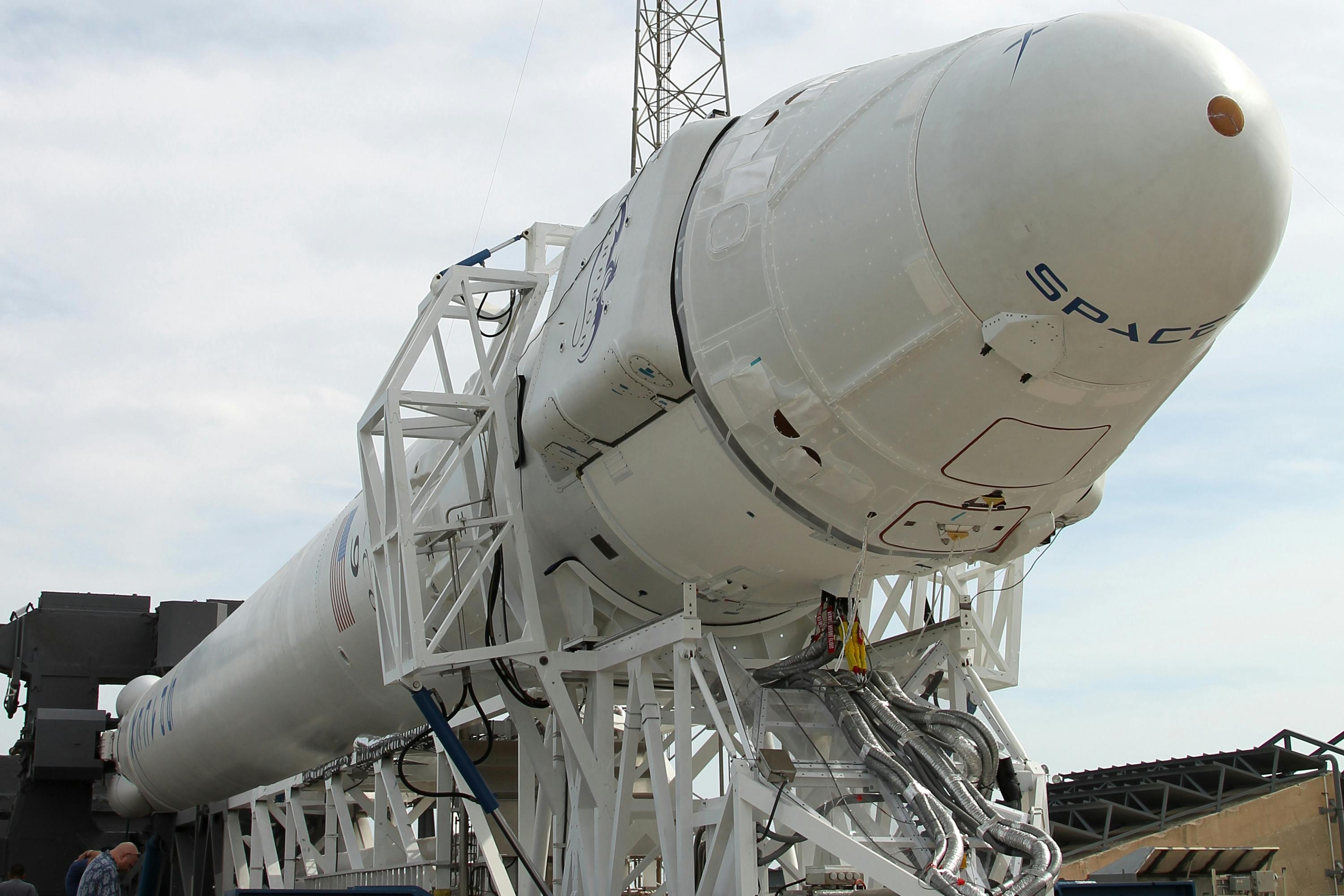
Starship V3 timeline: Musk puts Flight 12 about 4 weeks out, early to mid April 2026. SpaceX also hit 30 missions of 2026 with the 15,000-lb EchoStar 25.
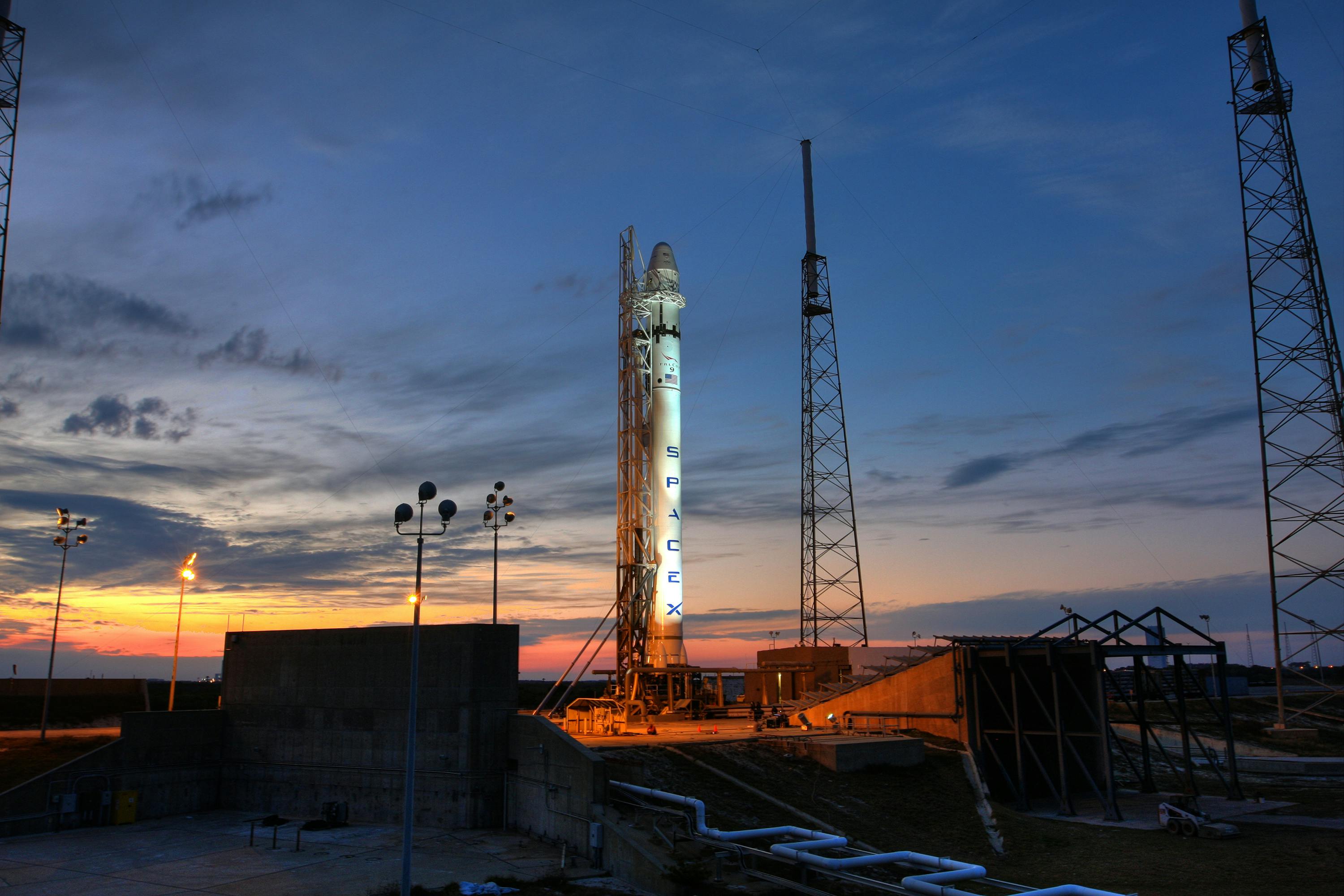
SpaceX successfully launched 29 Starlink satellites, bolstering its broadband network and expanding global internet coverage.
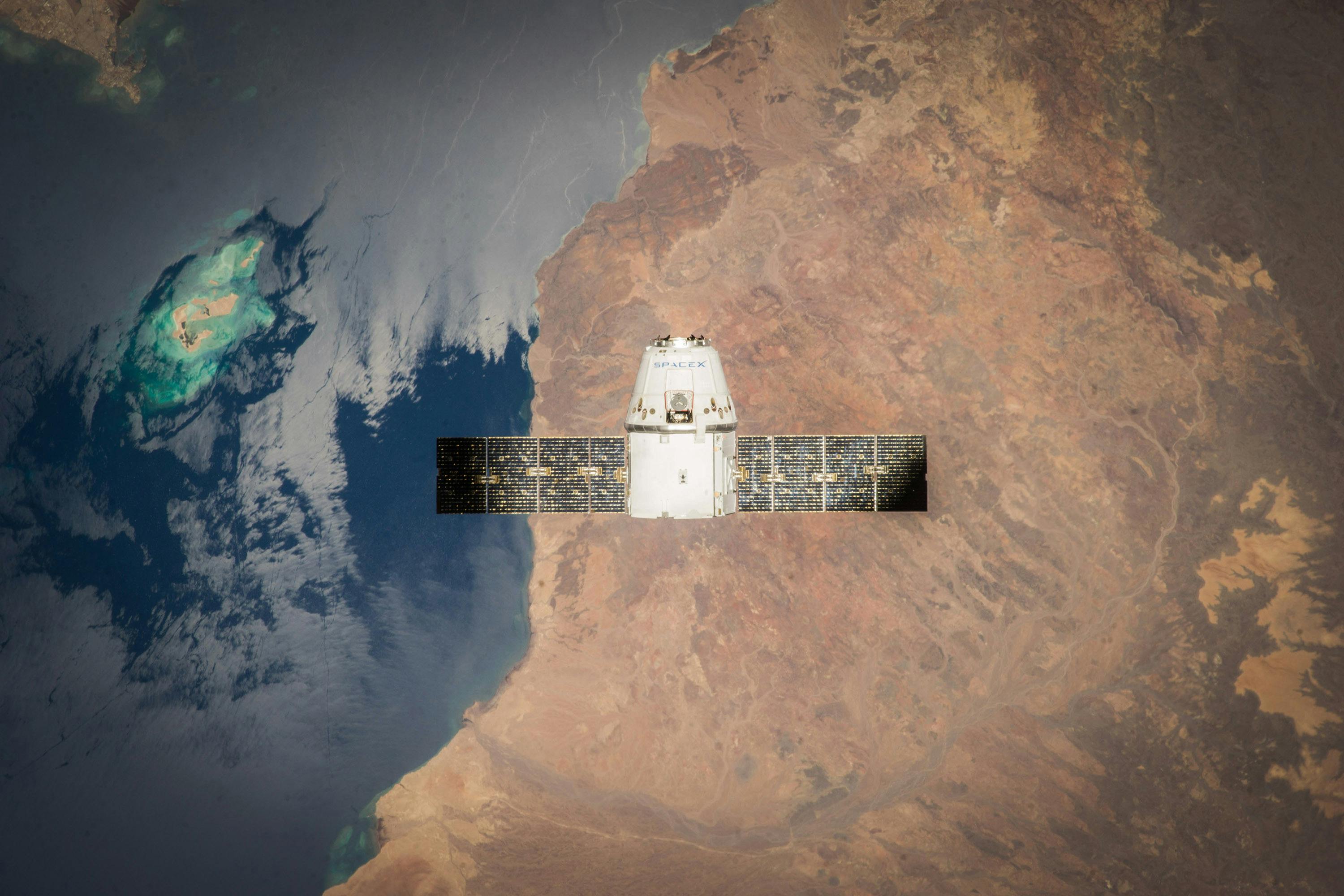
FAA grounds Starship pending a mishap investigation into the V3 debut flight; return to flight hinges on FAA sign-off. Starlink 10-53 added 29 sats.